Reviewed by Michael R. · Last Updated September 22, 2026 · How we review
The question that actually matters at harvest time isn’t how nectar becomes honey inside a cell — it’s whether this frame, right now is ready to come off the hive. Capping percentage, colony strength, the calendar, and local weather all factor into that call, and getting it wrong in either direction costs you: pull too early and you risk a bucket of fermented honey, pull too late and you can crowd a colony toward swarming or cut into the stores it needs heading into a dearth or winter.
This guide focuses on that decision — not on the enzyme chemistry that turns nectar into honey, which is covered in full in how honey cures inside the hive, and not on managing a humid drying environment after a wet season, which is covered in how humidity affects honey curing. In short: bees ripen nectar by adding the enzyme invertase and evaporating off water until it’s stable enough to seal under wax. What follows here is what that means for you as a beekeeper deciding when to pull a frame: comb signals, seasonal timing across U.S. regions, why a frame sometimes stalls for reasons that have nothing to do with humidity, and how to harvest and store the crop safely once you’ve made the call.
Key Takeaways
- Capping is the bees’ own readiness signal; most beekeepers wait until roughly 80–90% of a frame’s cells are capped before harvesting.
- A shake test or refractometer reading confirms what capping suggests — honey above 18.6% moisture, the USDA Grade A/B ceiling, is prone to fermenting after bottling.
- U.S. harvest windows vary widely by region and even within a single state; Mississippi State University Extension notes bloom dates can shift 2–4 weeks between the north and south of one state.
- A frame that won’t cap during otherwise normal weather is more often a dearth, a weak colony, or a mite-stressed workforce than a humidity problem — humidity-specific fixes are covered separately.
- Daylight moves and selective removal protect returning foragers and reduce robbing risk during harvest.
- Leave enough capped stores behind for the colony’s own needs before pulling frames for the extractor.
Table of Contents
Colony Roles and Why They Shape the Harvest Clock
A colony’s ability to finish a frame quickly comes down to workforce size, not just nectar volume coming in. Worker bees split labor by age, and only a fraction of the hive’s population is old enough to be actively processing and fanning nectar at any given moment. A young, fast-building colony in spring may have plenty of foragers hauling nectar in but comparatively few processors free to spread, dry, and cap it — which is one reason a super can look “full” for a week or two before it actually finishes capping.
Queen performance matters here indirectly rather than biologically. A prolific, healthy queen keeps the worker population climbing through a flow, which means more processors are on hand by the time a box fills. A failing or drone-laying queen shows up at harvest time as a colony that brought in a normal nectar volume but is slow to cap it, or never quite finishes. If you’re troubleshooting a stalled frame later in this guide, colony strength and queen performance are worth checking before assuming a hive-condition problem.
Reading the Comb: Signs a Frame Is Actually Ready
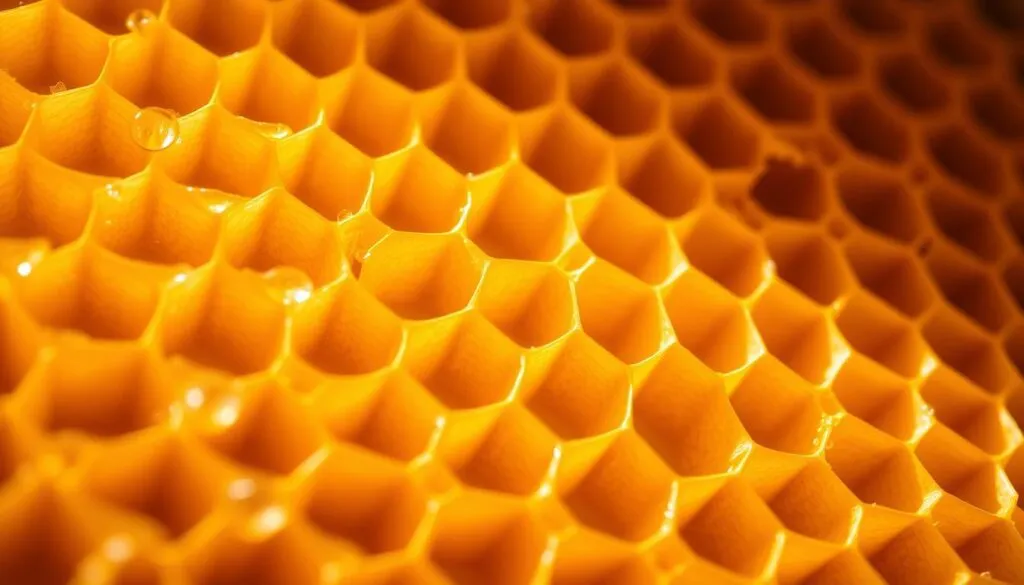
The video above is a useful companion to the checklist below if you’re still building an eye for capped versus uncapped cells, brood versus stores, and normal wax-color variation on a frame.
The single most reliable signal is capping percentage. Most experienced beekeepers wait until roughly 80 to 90 percent of a frame’s cells are capped with wax before pulling it — a threshold conservative enough that the remaining uncapped cells rarely drag the whole frame’s average moisture above a safe level. Mississippi State University Extension frames essentially the same logic from the supering side of the decision, in its guide to maximizing honey production:
“When two-thirds of the combs are nearly full of honey and being capped, the next super(s) should be added.”
That two-thirds-capped rule is really the same signal read one step earlier in the cycle: once a box is mostly capped, the colony needs room to keep working, and a box that’s most of the way capped is close to harvest-ready in its own right.
If you want a physical check rather than a visual estimate, the shake test is the low-tech version: hold a frame horizontally over the open hive and give it one firm, sharp shake. Nectar or thin honey spraying out of open cells means the frame isn’t ready; nothing coming out is a good, though not definitive, sign. For a number instead of a guess, a refractometer reading settles it directly — and the number you’re checking against isn’t arbitrary. The USDA’s United States Standards for Grades of Extracted Honey caps U.S. Grade A and Grade B honey at 18.6% moisture, with Grade C allowed up to 20%. Honey that tests above that threshold, even if it looks and smells finished, hasn’t reached the standard the industry itself uses to define “ripe.” For the full moisture-target breakdown by use case, see target moisture content for ripe honey.
The clip above from the University of Guelph Honey Bee Research Centre walks through what a moisture reading is actually telling you and why the cutoff matters, if you want the refractometer explained in more depth than a product manual usually gives.
Between a visual estimate and a lab-accurate number, a quick reference for what you’re looking at on the frame itself helps:
| What you see on the frame | What it usually means | What to do |
|---|---|---|
| 80–90%+ of cells capped, uniform wax color | Frame is ripe and safe to pull | Harvest |
| Mostly capped, with a rim of uncapped cells around the edges | Frame is close but not finished — edge cells often finish last | Leave it for one more cycle, or test the uncapped rim’s moisture before combining with fully capped frames |
| Shake test sprays nectar from open cells | Moisture is still too high | Return the frame; don’t pull it |
| Refractometer reads above roughly 18.6% | Below the USDA Grade A/B threshold; fermentation risk | Hold the frame, or see humidity-specific drying options in our companion guide |
| Frame stalls under 50% capped for weeks with no change | Likely a colony-strength, dearth, or mite problem rather than a moisture problem | See the troubleshooting section below |
U.S. Seasonal and Regional Harvest Timing
There’s no single national harvest date, because nectar flows shift with latitude, elevation, and local forage by weeks at a time. A rough regional picture still helps with planning, as long as you treat it as a starting point rather than a schedule:
| U.S. region | Typical main flow | Typical harvest window |
|---|---|---|
| Deep South (Gulf Coast, Mississippi, Louisiana, Florida) | Late winter into spring | Late spring to early summer |
| Southeast / Mid-South (Georgia, the Carolinas, Tennessee) | Spring, peaking around April–May | Late spring to early summer |
| Northeast (clover, black locust, basswood) | Late May through July | Mid to late summer |
| Midwest (clover, alfalfa, soybean) | June through August | Late summer |
| California and the long-season West | Late January through early November | Multiple windows across the season |
| Most regions, secondary flow | Goldenrod and aster, September | Early fall, where colony stores allow a pull |
A real-world example beats a generic calendar. Mississippi State University Extension notes that in the Starkville, Mississippi area, “it is fairly typical for beekeepers to harvest their spring honey crop in early July” — even though that means some of the nectar in that harvest has been curing in the hive since April. The same publication cautions that bloom dates for plants in northern Mississippi can run two to four weeks behind the same species in the southern part of the state, so even a single-state calendar isn’t precise enough to plan a harvest date around; local bloom observation still beats a generic date on paper. For more on how regional climate shapes an entire season’s management, not just harvest timing, see our guide to beekeeping in different U.S. climates.
When Honey Won’t Cap: Troubleshooting Beyond Humidity
If a frame has sat at the same capping percentage for two or three weeks with no progress, humidity is often the first thing blamed — and sometimes it genuinely is the cause; our guide to humidity’s effect on curing covers that scenario in depth, including drying-room setups for genuinely wet climates. But a stalled frame during otherwise ordinary weather usually points to one of three other causes.
A Sudden Nectar Dearth
When incoming nectar slows or stops, the colony shifts its attention to protecting what it already has rather than ripening more of it, and robbing pressure from neighboring colonies or wasps tends to rise at the same time. A frame that was progressing normally can simply stall mid-flow. Our guide to nectar dearth solutions covers feeding and management decisions for this exact situation.
Varroa Pressure Thinning the Workforce
A heavy mite load doesn’t just threaten brood directly — it reduces the number of healthy young workers coming online to do processing and fanning work, which slows capping across the board even during a good flow. Running an alcohol-wash mite count, covered in our Varroa EasyCheck guide, is worth doing before assuming a stalled frame is a hive-condition problem rather than a colony-health one.
Colony Strength and Queen Performance
As covered above, a colony rebuilding its broodnest after a failing queen, a recent requeening, or a setback simply has fewer processors free for capping duty, independent of how much nectar is coming in. If overall colony population looks thin relative to the nectar flow, that’s usually the more productive thing to fix first.
| Likely cause | What else you’ll notice | What to do |
|---|---|---|
| Nectar dearth | Foraging traffic drops, robbing pressure rises | Protect existing stores and consider feeding rather than harvesting a stalled frame |
| High Varroa load | Spotty brood pattern, fewer young workers appearing | Run an alcohol-wash count and treat before assuming a hive-condition problem |
| Weak or failing queen | Declining brood volume even during a good flow | Requeen; a colony rebuilding its broodnest has fewer processors free for capping |
Harvest Technique and Safety
Once a frame passes the readiness checks above, technique determines whether the harvest goes smoothly or turns into an afternoon of chasing robbing bees. Plan around a calm, clear day rather than squeezing a harvest in before a storm front or during a heavy dearth, when defensiveness and robbing risk both climb. Use smoke sparingly to settle the colony before you start pulling frames, not as a substitute for working efficiently.
A daylight move is the standard technique for minimizing lost foragers: shift the hive a short distance to the side and set an empty box in its original spot. Returning foragers land at the old location and cluster in the box while you work, and you return the hive to its original spot once you’ve finished. This keeps the field force from drifting into neighboring colonies and limits how long the hive sits open.
Take only frames that meet the capping and moisture checks from earlier in this guide, and leave mixed brood-and-honey frames untouched rather than trying to salvage the honey portion. Keep entrance openings narrow during the process to reduce robbing risk, and don’t linger — the longer a hive sits open with exposed honey, the more attention it draws from other colonies. Our guides to honey harvesting best practices and safety and common harvesting mistakes to avoid go deeper on entrance management, tool choice, and protective gear if this is your first harvest.
Storage After Harvest
What happens in the first hours after extraction matters almost as much as the harvest decision itself. Heat and prolonged air exposure degrade both flavor and the enzymes bees worked to add, so keep extracted honey in food-safe, sealed containers in a cool, dry, dark space rather than warming it for convenience during bottling. If a batch tests near the upper edge of the safe moisture range, treat it as a priority to bottle and store cool rather than one to set aside, since fermentation risk only rises with time at room temperature.
Label batches by hive and harvest date if you’re managing more than one or two colonies; it makes it far easier to trace a quality issue back to a specific frame or apiary location later. If you’re producing honey to sell rather than just for personal use, our breakdown of honey grading standards covers how the USDA’s moisture, clarity, and flavor criteria translate into the grades you’ll see on commercial labels.
For how a fall honey like goldenrod sets after harvest, see goldenrod honey.
Frequently Asked Questions
How do I know when a frame of honey is ready to harvest?
Check capping percentage first — most beekeepers wait for roughly 80 to 90 percent of a frame’s cells to be capped. Confirm with a shake test or a refractometer reading if you want more certainty than a visual estimate gives you.
What percentage of a frame needs to be capped before I pull it?
There’s no single official number, but 80 to 90 percent capped is the range most experienced beekeepers use as a practical threshold. Below that, enough uncapped cells usually remain to push the frame’s average moisture above a safe level.
Is it normal for honey to take weeks to cap?
Yes. One to three weeks from initial nectar deposit to capping is typical during a healthy flow, and colony strength, nectar volume, and weather all affect that timeline. A frame that’s still capping after a week or two isn’t necessarily a problem.
Why is one frame capping while the rest of the box isn’t?
Bees don’t work every cell at the same rate. Edge cells and cells farther from the cluster’s main working area often finish last, and a colony will frequently cap the most accessible or most recently filled cells first, leaving a partially capped box even during a strong flow.
Can I harvest honey if some cells are still uncapped?
It’s safer to harvest only frames that meet the 80–90% capped threshold and test within a safe moisture range. Mixing in a few uncapped cells from an otherwise ripe frame is generally low-risk, but a frame that’s mostly uncapped should be left in the hive.
What time of year should I plan to harvest honey in my region?
It depends heavily on your local nectar flow, which can vary by weeks even within the same state. Watch capping progress directly rather than relying only on a calendar date, and treat regional harvest windows as a starting estimate, not a fixed schedule.