Beekeepers need clear signs when colonies shift from surplus to shortage. A nectar dearth is a natural pause when bees bring in less than they eat. Weather swings, plant stress, and local landscape patterns drive this change.
Watch the hive for behavior shifts: more defensive guards, fewer water collectors, and reduced evening humming at the supers. Weekly scale readings and checking for fresh nectar in combs give objective proof.
Local timing varies by area and year. Long spring flows often peak before heat, a summer gap is common, and fall rebounds can end quickly. Practical steps include adjusting supers, managing entrances, and planning feeds or plantings for bridging gaps.
Key Takeaways
- Seasonal patterns and weather largely dictate nectar availability.
- Behavioral cues plus hive scale data confirm a real stoppage.
- Two nearby apiaries can show different results; rely on local observation.
- Act early: entrance management, supers adjustment, and feeding cut risks.
- Learn plant timing and remove OSR supers before granulation.
- Use simple tools and routine checks to protect each colony.
- For more detail on signs and timing, see this recognition guide.
Table of Contents
- What beekeepers mean by nectar flow, dearth, and “stoppage”
- How to identify nectar flow stoppage
- Tools and checks to confirm a halted flow
- Seasonal patterns in the United States that affect nectar flow
- Weather and plant factors that cause a flow to stop
- Distinguishing minor gaps from severe dearth
- Risk indicators during stoppage: robbing, bearding, and resource stress
- Actions to take when the nectar flow stalls
- Conclusion
- FAQ
What beekeepers mean by nectar flow, dearth, and “stoppage”
An apiary’s bounty and its pause are driven by plant signals more than calendar dates.
Nectar flow vs. nectar dearth: practical definitions for the hive
nectar flow is the period when flowers secrete abundant sugar and bees collect large volumes that the hive cures into honey and uses for brood and comb building.
dearth or nectar dearth is when little or no sugar source is available and colonies switch from saving to eating stored honey. Activity drops and hives focus on maintenance rather than growth.
Why plants make nectar and when they stop producing it
Plants produce nectar to attract pollinators and move pollen for reproduction. They stop when water balance, heat, cold, or persistent rain make secretion costly.
Blooming alone does not guarantee usable rewards; flowers may be open but yield little sugar under stress. That local variability means beekeepers must watch hives and surroundings closely.
- Flows usually begin in spring and often slow in summer heat, with fall rebound in asters and goldenrod.
- Even nearby colonies can see different results from microclimate and plant mix.
| Term | What it means | Practical sign |
|---|---|---|
| nectar flow | High floral sugar secretion | Loaded returning foragers, comb drawing |
| dearth | Low/no nectar available | Reduced foraging, stores used |
| stoppage | Rapid taper in collection | Quieter supers, defensive guards |
For a deeper primer on seasonal cues and hive care, consult this beekeeping guide.
How to identify nectar flow stoppage
Watch the hive entrance and field patterns closely; sudden shifts in behavior often signal that supplies are tightening.
Behavioral cues
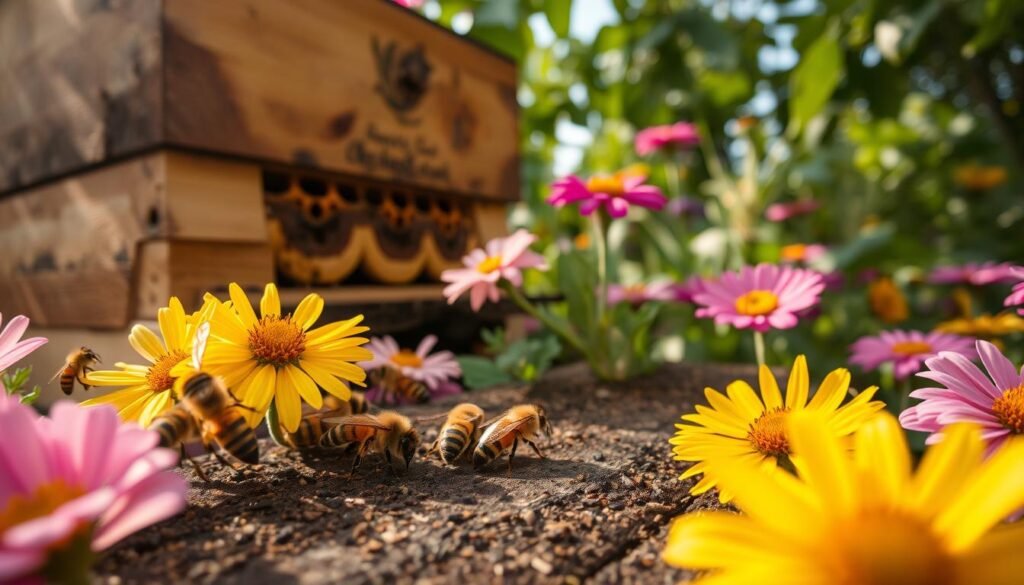
Bees become more defensive and agitated at the entrance. Stings during checks often rise as intake drops below consumption.
Foragers may range farther or visit less desirable blooms. Repeated returns without full abdomens point to a regional dearth.
In-hive signals
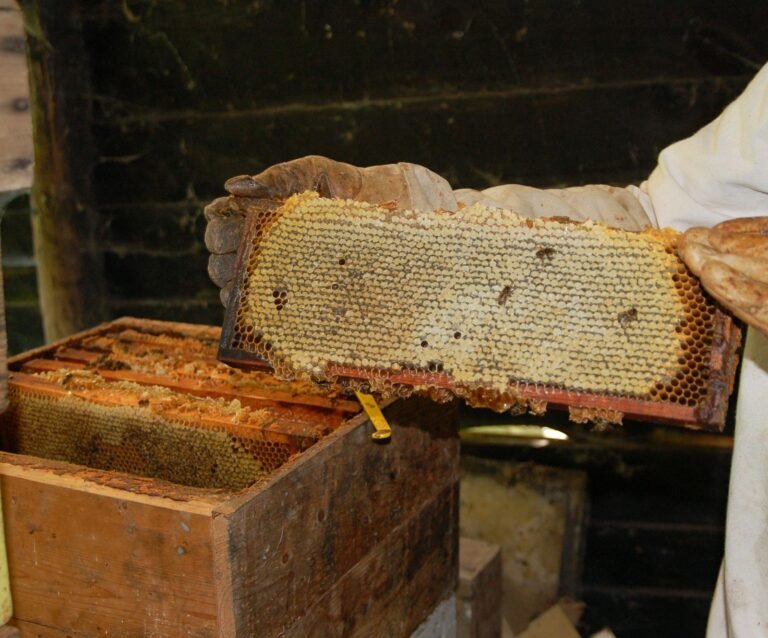
Comb drawing stalls and shiny nectar in open cells vanishes quickly. Capped honey areas can shrink at the margins.
The queen may cut egg laying; brood patches thin as the colony conserves food. Strong colonies burn stores faster and show it sooner.
Field observations
Blooming fields that yield little sugar—often after heat or drought—are a key sign. Watch for tense guards and early robbing pressure.
- Quick frame checks that show no growth despite fine weather confirm a stoppage.
- Compare notes with local beekeepers; multiple affected colonies usually mean an area-wide issue.
| Signal | What you see | Why it matters |
|---|---|---|
| Entrance behavior | Guarding up, agitation | Early warning of rising stress |
| Comb activity | Stopped drawing, less stored honey | Production has fallen |
| Forage signs | Visits to poor flowers | Nearby nectar sources are weak |
For additional planning and seasonal context, review this swarming preparation guide.
Tools and checks to confirm a halted flow
Simple tools and steady records make it clear when colonies stop gaining stores.
Hive scales give the first objective signal. Log a net weight each week and watch trends. Consistent stagnation or loss over one or two weeks—during fair weather—means intake has likely dropped.
Super inspections supply quick visual proof. Few fresh shiny cells and no expansion into added boxes show low incoming syrup or nectar. Strong hives may hide early losses; compare multiple hives.
Evening sound and water counts
Listen at dusk. A steady “honey factory” hum signals active evaporation of a high nectar amount. Its absence helps confirm a halt in collection.
Watch water stations. During a true bounty, bees fetch less water. During dearth, water trips rise as colonies regulate stores and thin honey for feeding.
Triangulate weight graphs, supers, water trips, and evening sound before declaring a halt.
| Check | What to record | Interpretation |
|---|---|---|
| Scale | Weekly net weight | Gain = active collection; flat/loss = concern |
| Super | Fresh cells, box expansion | Wet cells few = low intake |
| Water | Collector visits | More trips = possible dearth |
| Evening | Apiary hum | Steady hum = active evaporation |
Keep notes by week and year and pair weight graphs with photos. For planning, consult the beekeeping calendar.
Seasonal patterns in the United States that affect nectar flow
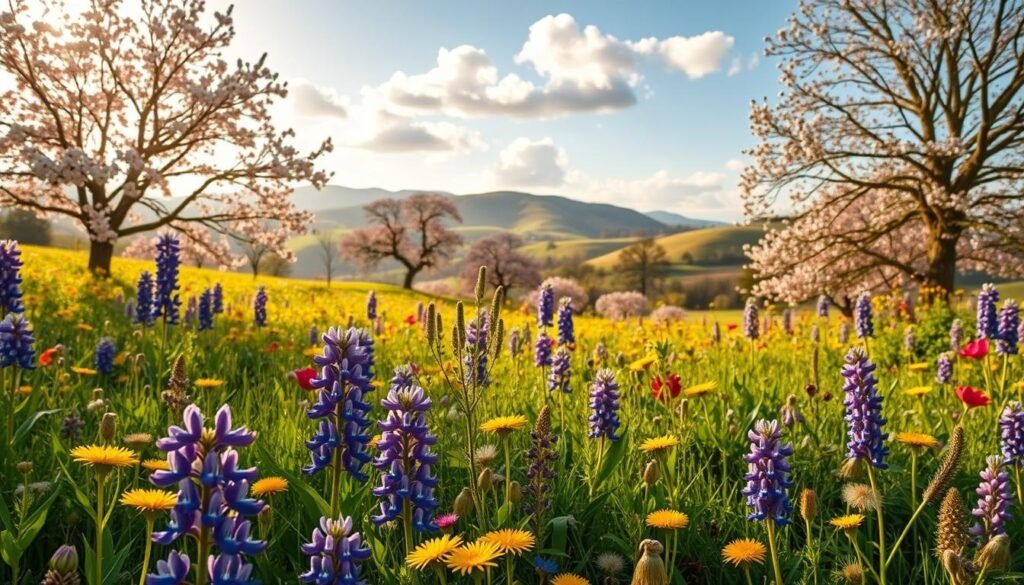
A region’s bloom timing and rainfall patterns set the year’s biggest honey windows. Watch spring for the first clear gains. Mild warmth and steady rain trigger rapid brood expansion and quick comb building.
Spring build-up and peak before summer heat
Expect the strongest period in spring. Colonies put on brood, draw comb, and store honey when many plants bloom together. OSR and canola fields now often flower for only 4–5 weeks, shorter than past decades.
The common summer gap and localized June dearths
As summer heat sets in, many flowers produce less sugar or stop. This dearth can last weeks or stretch across months, depending on weather and irrigation.
Local June gaps may make bees defensive, prompt early drone eviction, and in severe cases force pupae removal as the hive conserves food.
Fall rebound with asters and goldenrod—then a rapid shutoff
Late season asters and goldenrod often deliver a fast, heavy return of stores. That bounty can end in days, so time super removals and harvests carefully.
- Tie observations to week-by-week notes each year.
- Match supering to known local peaks and remove boxes promptly when a short flow ends.
- Consider pollen presence; pollen without ample nectar limits brood rearing.
Plan around spring peaks and fall spikes; the summer dearth is the season’s pivot.
For a seasonal checklist and tasks, see seasonal beekeeping tasks.
Weather and plant factors that cause a flow to stop
A sudden shift in weather often cuts a bloom’s rewards even when fields still look full.
Heat, drought, heavy rain, and cold snaps
Extreme heat or prolonged rain can halt secretion quickly. Bees may be present, yet the amount nectar in open flowers falls or is washed away.
Cold nights and fast temperature swings also pause secretion and limit bee foraging in an area.
Transpiration, wilting, and plant responses
Under high transpiration, plants close pores and cut rewards to conserve water. Wilting reduces sugar output and triggers a local dearth.
Soil moisture, humidity, pH, and varietal differences
Adequate soil moisture and higher relative humidity favor secretion. Poor soil pH or stressed varieties give lower yields.
Variety matters: some plants stay generous; others stop fast under stress.
Temperature thresholds and bloom vs. yield
Blooming does not always equal usable reward. Many crops need a threshold for strong secretion, so check forecasts and local signs when planning.
- Recognize weather patterns that shut down rewards: heatwaves, drought, long rain, or cold snaps.
- Document patterns year by year to predict likely dearth periods and protect bees and honey.
Distinguishing minor gaps from severe dearth
Beekeepers rely on a mix of field and hive cues to tell a minor lull from a broad regional loss.
Short inter-floral pauses versus near-zero forage
Minor gaps occur between sequential blooms. Scattered plants still give trickles of nectar and the hive keeps weight steady or dips slightly.
In that case, brood usually holds and routine checks need no emergency feeding.
When forage drops for miles
Severe dearth means little or no forage across miles. Colonies eat reserves fast, cut brood, evict drones, and grow defensive.
Heightened robbing risk and rapid store loss are common signs of a regional collapse.
- Use weekly weight, stores and brood patterns to separate gap from crisis.
- Brown lawns, dried clover, and wilted roadside plants often precede a serious downturn.
- Some colonies in better microclimates fare better, but uniform signals across the apiary point to wider dearths.
| Signal | Minor gap | Severe dearth |
|---|---|---|
| Weight | Stable or slight dip | Steep decline |
| Brood | Maintained | Reduced |
| Behavior | Normal foraging shifts | Defensive, robbing |
Year‑to‑year variability means a small gap one year can be a full dearth the next. Track multiple ways of evidence before changing management and plan feeding when reserves are at risk.
Risk indicators during stoppage: robbing, bearding, and resource stress
Robbing can appear fast once stores dry up. Watch entrances for sudden noise, pushing, or groups of bees wrestling on the landing board. These are early signs that neighbors are testing weak hives for honey.
Entrance fights show as torn cappings, dead bees, and frantic billowing at the doorway. Guard bees will raise alarm pheromones and step up patrols, inspecting incoming bees more aggressively.
Drone eviction and resource triage
During severe dearth, colonies may evict drones and even eject pupae to conserve stores for workers and the queen. This resource triage signals high stress and a real risk to colony survival.
Bearding and crowd cooling at the front hive
Bearding on the front hive is common in hot, low‑resource periods. Bees cluster outside to lower internal heat and humidity. While normal, heavy bearding paired with aggressive entrance behavior raises the threat level of robbing.
- Spot robbing early: entrance chaos, wrestling, and torn wings.
- Limit long inspections near dusk and avoid honey spills that attract robbers.
- In multi-hive yards, reduce entrances and reorganize facing directions to cut drifting and cascading attacks.
Act quickly: small interventions at the entrance often stop a cascade that could devastate weak colonies.
For practical protection methods, consult this robbery prevention guide.
Actions to take when the nectar flow stalls
Act promptly when collection drops: small moves now save colonies later.
Feeding strategies for comb build and emergency support
Offer thin 1:1 syrup inside the hive for comb building or urgent support. This sugar water stimulates wax production and keeps brood fed without making hives obvious targets.
Use feeders that limit spills. Change feeds after a week if stores remain low and monitor each colony closely.
Preventing robbing at the entrance
Reduce the entrance on weak hives and keep all honey handling tidy. No exposed frames, no leaky feeders, and quick cleanup of drips cut robbing risk.
Super management and timing
Remove OSR/canola supers promptly after their brief crop ends. That prevents hard granulation on comb and eases extraction later.
Plan ahead and keep records
Give space in spring, track local bloom calendars, and plant species that bridge gaps. Coordinate with nearby beekeepers and log results by week and year.
Targeted feeding and tidy work at the entrance usually stop a small problem from growing.
| Action | When | Why it helps |
|---|---|---|
| Feed 1:1 syrup | Comb build or emergency | Stimulates wax and prevents starvation |
| Reduce entrance | Weak hives or signs of robbing | Limits invaders and drift |
| Remove OSR supers | End of canola bloom | Prevents granulation and extraction issues |
| Log weekly checks | During known gaps | Tracks stores and guides action |
For deeper reference and seasonal planning, see our beekeeping resources and books.
Conclusion
Clear answers arrive when you match behavior at the entrance with scale trends and floral checks.
Use multiple cues — weight, quiet supers, water trips, and visible field yield — before declaring a true dearth. Seasonal patterns in the United States mean a strong spring, a summer gap, and a brief fall rebound. Track your area and year notes so you know what is normal for your yards.
Act early and proportionally: offer internal 1:1 syrup when stores fall, trim entrances on weak colonies, time super removal around short crops like OSR, and keep water nearby during hot days.
Share practical ways with local beekeepers and keep a repeatable routine: observe, measure, decide, and adjust. For extra guidance on helping bees during dearth, see practical support and steps.
FAQ
What do beekeepers mean by nectar flow, dearth, and stoppage?
A nectar flow is a period when flowering plants supply abundant sugary liquids that foragers bring back to the hive. A dearth is a reduced-forage interval when those sources weaken or disappear. A stoppage is a clear shift from normal collection to little or no incoming sugary liquid, often detectable by behavior, hive weight, and empty-looking cells.
How can I tell the difference between a normal ebb and a serious dearth?
Short gaps last a few days; bees shift to alternative plants and stores stay stable. A severe dearth causes steady weight loss, shrinking honey stores, reduced brood production, and visible stress like increased guarding or robbing. Weekly hive scale trends and inspection notes make the distinction clear.
What behavioral cues indicate the colony is experiencing a stoppage?
Watch for increased defensiveness at the entrance, more alarm fanning, frantic forager returns, and visits to marginal food sources such as sap, aphid honeydew, or cultivated ornamentals. Foragers may appear distracted, and overall flight activity drops late in the afternoon.
Which in-hive signs point to stopped nectar collection?
Look for stalled comb drawing, fewer fresh nectar cells with visible wet nectar, reduced new cappings, and brood reduction as the queen’s laying rate slows. Comb stores feel lighter; frames that were bulging with nectar become thin.
Can field observations of flowers help confirm a halted flow?
Yes. If blossoms are present but lack visiting bees, or flowers produce little or no visible nectar, the flow may have stopped. Also note bees foraging on low-quality sources like honeydew or sugary spills, a sign primary floral sources are failing.
What tools give the most reliable confirmation of a halted flow?
Electronic hive scales with weekly weight graphs reveal net loss or stagnation. Regular super inspections showing few fresh nectar cells and quiet evening activity confirm it. Monitoring water stations and feeder use also helps: during true flows, water collection often drops.
How do seasonal patterns in the U.S. affect collection periods?
In many regions, spring delivers the first big build and peak before summer heat. A midsummer gap—commonly in June—can cause localized dearths. Fall often brings a rebound with asters and goldenrod before a rapid shutoff as temperatures fall.
Which weather and plant factors commonly shut off nectar secretion?
Heat waves, drought, heavy or prolonged rain, and cold snaps reduce or halt nectar production. Plant stress triggers lower transpirational flow and wilting, cutting nectar secretion. Soil moisture, humidity, and varietal traits also shift output quickly.
How do temperature thresholds affect whether blooms actually produce usable nectar?
Many plants need warm, stable daytime temperatures and dry conditions for nectar release. If nights are cold or days are overcast and wet, flowers may bloom but yield little forage. Local floral guides and bloom calendars show typical temperature windows.
What early-warning signs suggest robbing or severe resource stress during a stoppage?
Entrance fights, persistent guard bee alarms, sudden influx of outsiders, and spilled-honey attract robbers. Bearding and crowding at the hive front can indicate heat or resource shortages that increase vulnerability to theft.
When should a beekeeper start feeding thin syrup or emergency rations?
Feed during comb building in spring or when inspections show falling stores and brood rearing is slowing. Start thin 1:1 syrup for stimulation, and switch to heavier syrup or dry sugar only if stores drop to critical levels or prolonged dearth is expected.
What practical steps reduce robbing risk when a feed gap begins?
Reduce the entrance, clean up spills immediately, remove overripe supers, and avoid heavy-handed inspections that leave exposed honey. Place feeders inside the brood chamber when practical and monitor neighboring apiaries for stress signs.
How should supers be managed around variable flows and crystallization risks?
Time super removal around known crop blooms like canola and oilseed rape to harvest before a shutdown. Avoid leaving thin, uncapped honey that can granulate in cooler weather. Store extracted honey in sealed containers to prevent fermentation.
What long-term planning helps colonies survive predictable gaps?
Track local bloom calendars, plant forage for dearth periods (clovers, buckwheat, late- season asters), give colonies space in spring, and maintain emergency feed reserves. Use nearby extension services and cooperative resources for regional timing.
Are there quick field checks I can do during a single visit to assess flow status?
Yes. Lift a back-of-hive frame for weight, inspect for fresh nectar and capped cells, watch entrance activity for guarding and robbing, and note water-collector traffic. Combine these with recent weather and bloom observations for a rapid assessment.
How far will bees forage when primary sources dry up?
Foraging ranges vary, but workers commonly travel 1–3 miles for rich sources and can extend further when resources are scarce. Extended search increases energy costs and can hasten colony decline if replacement forage remains unavailable.
When is it acceptable to hedge with sugar feeding even if some flowers are still blooming?
If inspections show falling stores, brood reduction, or if weather forecasts predict a prolonged dry period, begin conservative feeding. Avoid overfeeding when nectar is abundant; excessive syrup during a real flow can interfere with honey harvest.