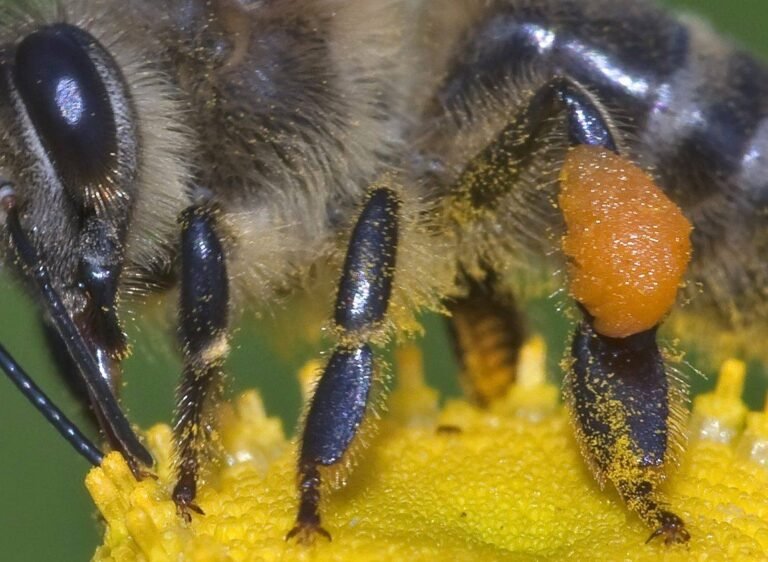
Practical choices can change colony outcomes. This guide reviews hive-powered inputs like propolis, royal jelly, bee pollen, and raw honey alongside probiotic lines that target digestion and immunity.
Clear criteria define products that improve brood strength, colony resilience, and honey output while keeping labels transparent and inputs verifiable.
We’ll compare categories and brand examples so beekeepers in the United States can match tools to season, budget, and measurable goals. Expect a Buyer’s Guide that weighs price$ and sale price$ against guarantees and listed strains or ingredients.
Practical monitoring tips will show how to track brood patterns, food stores, and forager returns after introducing a new product. You’ll also see how hive-powered ingredients and modern probiotics can complement each other without redundant stacking.
Key Takeaways
- Focus on proven inputs like propolis and royal jelly to support immunity and neural factors.
- Use probiotics to boost digestion, detox, and nutrient uptake in the hive.
- Compare price$ and sale price$ against label transparency and field validation.
- Match product choice to seasonal goals—winter survival or spring buildup.
- Track brood, stores, and foraging to measure real impact.
- Follow targeted mixes rather than layering overlapping remedies.
- Learn more expansion and management tips at Beekeeper’s Realm guide.
Table of Contents
- Buyer’s Guide Overview: How Natural Supplements Support Healthy Hives
- Choosing the best natural supplements for bee health
- Natural supplement categories and what they do
- Standout brands and formulas to consider
- How to buy and apply bee supplements for real-world results
- Conclusion
- FAQ
Buyer’s Guide Overview: How Natural Supplements Support Healthy Hives
Good purchasing begins with priorities: what you want to protect, when bees need support, and how you will measure results.
Define goals first — winter survival, spring buildup, or stress recovery. Match those goals to product categories: microbial blends to tune gut and digestion; vitamins, protein, and mineral mixes to replace scarce pollen; and hive-powered inputs like propolis and royal jelly to support immunity and neural function.
Set realistic timelines. Strong Microbials reports visible gains in digestion, nutrition, immunity, and detox within 2–3 months after regular application of field-tested lines like SuperDFM.
“Balanced microbiomes optimize digestion and nutrition, enhancing immunity, detoxification, and production.”
Validate labels, listed strains, and guarantees before buying. Swarm Commander recommends vitamins A, D, E, protein, and pollen substitutes during late winter, early spring, and drought to prevent cascade failures when forage is limited.
- Plan applications ahead of nectar dearth to stabilize brood cycles.
- Track progress with routine inspections rather than relying on a single sale or lowest price$.
- Compare formulations, pack sizes, and refund terms instead of chasing every sale price$.
Combine approaches — align probiotics with clean hive inputs (propolis, royal jelly, bee pollen, raw honey) to get measurable outcomes. For deeper reading on beekeeper insights and nutrition, see the Beekeeper Nutrition Summary.
Choosing the best natural supplements for bee health
Start with clear hive goals. Prioritize gut balance and digestion to strengthen immune function, then pick products that target those needs directly.
Core goals: gut health, immune function, and digestion support
Probiotics aid digestion and help inhibit brood pathogens like Paenibacillus larvae and Ascosphaera apis. Strong Microbials recommends restoring beneficial microbes after antimicrobial or antibiotic treatments to shorten pathogen windows.
Outcomes to evaluate: brood development, colony strength, and honey production
Define success metrics before purchase: steady brood development, a stronger colony cluster, and improved honey production relative to local nectar flow.
When bees need supplements
Key moments: winter maintenance, bridging early spring gaps, drought or other stress, and immediately after treatments. Swarm Commander flags late winter, early spring, and drought as critical timing for protein, vitamins A/D/E, minerals, and pollen substitutes.
Choose formats and dose sizes that match your inspection cadence to reduce waste and robbing risk.
- Match product function to your primary goal (digestion first, then nutrient delivery).
- Track larvae development weekly and adjust based on data, not impulse sales or price$ alone.
- Compare label transparency and claims, not only sale price$ or a momentary sale.
- Use a microbial after treatments to repopulate beneficial strains quickly.
For practical feeding plans and timing, see the bee nutrition guide.
Natural supplement categories and what they do
Products fall into clear groups—probiotics, hive-derived nutrients, and formulated vitamins and proteins—that serve distinct roles.
Probiotic formulas for microbiome balance and detoxification
Lactobacilli, bifidobacteria, and bacilli aid gut balance, improving digestion and helping detox pathways. Strong Microbials’ SuperDFM-HoneyBee supports digestion and immunity. +P801 includes Pediococcus acidilactici; a 2020 study linked that strain to lower mortality under boscalid and thiamethoxam exposure.
Hive-powered nutrients: propolis, royal jelly, bee pollen, and raw honey
Propolis delivers immune and antioxidant support. Royal jelly supplies 10‑HDA and factors tied to neural and metabolic function. Bee pollen is a dense energy and nutrient source, while raw honey gives antimicrobial action and quick fuel.
Vitamins, protein, and minerals
Vitamins A, D, and E plus amino acids and trace minerals backfill deficits when pollen is scarce. Use a targeted protein supplement to keep nurse glands productive and brood feeding steady.
Seasonal strategies and quality cues
Plan late winter buildup, early spring bridging, and drought support with formats that fit your logistics. Fondant (SuperFuel) works in cold stores; powder concentrates (SuperNectar) suit bulk mixing.
Look for AAFCO-style labels that list genus/species and high CFU guarantees rather than vague proprietary blends.
- Balance efficacy and price$; avoid choosing only by sale price$ or a headline sale.
- Integrate probiotics and nutrients so they reinforce digestion and nutrition without redundancy.
- Document changes in digestion and colony condition to verify outcomes and quality.
See timing and feed examples at Swarm Commander feeding guide.
Standout brands and formulas to consider
Brands differ by lab evidence, format, and dose economics; here are practical picks to match those criteria.
Strong Microbials offers a science-led probiotic portfolio. SuperDFM-HoneyBee targets digestion and immune balance. +P801 adds Pediococcus acidilactici, which helps survival under pesticide stress. SuperFuel is a nutrient-enriched fondant and SuperNectar is a powder concentrate with adjustable dosing. BeeBites pairs two powerful Bacillus strains with Spirulina and Chlorella for micronutrient density.
Beekeeper’s Naturals focuses on hive-derived inputs: propolis for immune support, royal jelly with 10-HDA and acetylcholine for brain and metabolic effects, bee pollen as high-energy feed, and raw honey for antimicrobial value.
Swarm Commander supplies targeted vitamins A, D, and E plus protein mixes, minerals, and pollen substitutes to bridge forage gaps and maintain brood rearing.
- Pick fondant (SuperFuel) for cold months; use powder (SuperNectar) where mixing and shipping efficiency matter.
- Compare label evidence, CFU counts, and dose-per-hive economics beyond simple price$ or a fleeting sale price$.
- Build a small kit: daily probiotic, protein-rich feed, and a vitamin/mineral add-on before scaling across yards.
Further reading: see a practical pollen guide at pollen options and apiary resources at Beekeeper’s Realm.
How to buy and apply bee supplements for real-world results
Smart purchases tie a clear outcome to product choice and a repeatable application plan. Start with one measurable goal and test products on a few hives before scaling to an entire yard.
Match product to purpose
Digestion and immune resilience: pick a probiotic and apply it after any antibiotics or antimicrobial treatments to re-seed beneficial microbes. Strong Microbials recommends this to reduce pathogen windows.
Brood growth: use targeted vitamins, minerals, and a protein supplement when pollen is scarce to keep nurse glands active. Swarm Commander highlights vitamins A, D, and E in late winter and early spring.
Honey yield: add energy-dense feeds to stabilize stores during dearths while avoiding honey fed back to colonies because of American Foulbrood risk.
Application tips and safety
- Use fondant (SuperFuel) in cold snaps to keep food available; switch to SuperNectar powder for flexible syrup or patty mixes as temps warm.
- Re-seed with probiotics after treatments; this shortens the window pathogens exploit.
- Avoid feeding harvested honey to hives; clean tools and segregate equipment to prevent cross-contamination.
- Mix powders evenly, control moisture to prevent clumps, and label batches with dates.
- Monitor colonies at set times weekly to prevent overfeeding or robbing; adjust entrances if stress appears.
- Calculate cost-per-hive from dose rates; a well-timed sale or sale price$ can be worthwhile if concentration and CFU hold up.
Trial small, measure brood patterns and forager returns, then scale protocols that show consistent gains.
| Format | Best season | Primary use | Dosing note |
|---|---|---|---|
| Fondant (SuperFuel) | Late winter | Cold feed + probiotics | Place over cluster; replace every 4–6 weeks |
| Powder concentrate (SuperNectar) | Spring / warm | Flexible mixing into syrup or patties | Measure grams per hive; label batch date |
| Vitamin/protein mix | Late winter–early spring | Brood support | Apply during pollen shortages; taper as forage improves |
| Probiotic spray | Post-treatment | Re-seed gut microbes | Use after antibiotics or essential oil treatments |
For seasonal timing and yard-level tasks, pair this plan with your inspection routines and consult seasonal tasks to match applications to local bloom cycles and weather.
Essential oils are a related but separate topic; read how to use essential oils in beekeeping before adding any to syrup.
For the evidence on one popular category, see what the studies show on probiotic supplements for honeybees.
Conclusion
A clear, staged plan helps colonies move from stress to stable brood development and steady honey production.
Pick one core formula to stabilize gut and digestion, then add vitamins and protein selectively to meet brood and production goals. Favor products with transparent species listings and strong, CFU guarantees.
Use probiotics to boost immune function and detox, hive-derived ingredients like royal jelly and honey for targeted nutrients, and vitamins when pollen or food is scarce. Treat supplements as bridges, not habitat substitutes. Document brood, larvae survival, and colony size to judge real gains.
Beekeepers in the U.S. should build a small toolkit, track results, and prioritize quality over a low sale or price$ when concentration and formula matter. See the full benefits in our beekeeping benefits guide.
FAQ
What should I look for in a supplement to support gut balance and digestion in honey bees?
Look for products that list specific probiotic genera such as Lactobacillus and Bifidobacterium, show CFU counts per dose, and include prebiotic fibers or enzyme blends. These ingredients help restore microbiome balance after stress or treatment, aid digestion of pollen and supplemental feeds, and can reduce pathogen load when used correctly.
When is the best time to give colonies additional nutrition like protein or pollen substitutes?
Key times are late winter buildup, early spring brood rearing, during nectar dearths, and after chemical treatments. Supplemental protein helps larvae and nurse bees develop when natural pollen is scarce, improving brood development and strengthening colonies ahead of nectar flows.
Can propolis, royal jelly, and pollen improve hive immune function and honey production?
Yes. Propolis offers antimicrobial properties that support colony-level immunity. Royal jelly provides rich nutrients that benefit queen and brood development. Bee pollen supplies amino acids and vitamins that fuel foragers and nurse bees, which can indirectly support honey yield when combined with overall good forage.
Are probiotics safe to mix with sugar syrup or fondant when feeding colonies?
Most powdered probiotic and enzyme formulas are designed to mix with syrup or incorporate into fondant. Follow label directions to avoid heat or prolonged exposure that reduces viability. Use clean utensils and avoid cross-contamination between hives to prevent pathogen transfer.
How do I evaluate product quality and avoid low-efficacy supplements?
Check for third-party lab results, clear ingredient lists with genera/species, guaranteed CFU at time of use, and manufacturer application instructions. Avoid vague terms and products that promise miracles; reputable brands provide study references or beekeeper trials.
Do colonies always need vitamin and mineral supplements?
Not always. Healthy colonies with abundant, diverse forage rarely need routine vitamins. Use targeted supplements when pollen is limited, during prolonged dearths, or after treatments and stress events to boost brood development and resilience.
How much do these products typically cost and how should I budget for season-long use?
Prices vary by format and potency. Powders and concentrates often give better cost-per-colony than single-use syrups. Budget for targeted use in spring and late winter rather than continuous feeding; many beekeepers plan for a few key applications each season to maximize return on investment.
Can supplements help recovery after miticide or antibiotic treatments?
Yes. Probiotics and prebiotic blends can help restore gut microbes disrupted by antibiotics. Nutrient-dense feeds and royal jelly supports brood recovery. Time applications to avoid interference: wait the recommended interval after chemical use before introducing live microbial products.
What formats work best for different hive goals—brood growth, overwintering, or boosting honey yields?
Use concentrated powders or sachets mixed into syrup for brood growth and spring buildup. Fondant or patties suit late-winter feeding and overwinter stores. Liquid or soluble concentrates applied during nectar flows can support foragers and short-term honey production without diluting forage motivation.
How can I prevent spreading disease when applying supplements between hives?
Sanitize equipment between uses, avoid pooling feed that multiple colonies share, and apply treatments to individual hives. Use single-dose serving methods or dedicated applicators per colony to reduce cross-contamination risk.
Are there regulations or standards I should watch for on product labels?
Look for clear instructions, ingredient transparency, and any relevant certifications. While AAFCO-style pet feed standards are useful for vertebrates, for apiculture focus on manufacturer testing data, stability claims (CFU at use), and adherence to local apicultural guidance.
Which supplements specifically support brood development and queen performance?
Protein concentrates, royal jelly supplements, and targeted vitamin-mineral mixes support nurse bees and larval nutrition. Timed feeding in early spring encourages robust brood rearing and can improve queen laying rates when combined with adequate forage.
How do probiotic formulas help detoxification and resilience to environmental stress?
A balanced microbiome aids digestion and can reduce pathogen colonization, indirectly improving detox capacity. Some formulations include enzymes and antioxidant cofactors that help process environmental toxins and support overall colony resilience.
Can I rely on a single product year-round or should I change formulas seasonally?
Seasonally tailored strategies work best. Use protein-rich and brood-focused products in spring, maintenance probiotics during active seasons, and energy-dense fondant or nutrient-dense patties for winter. Adjust based on forage availability and colony needs.
How soon can beekeepers expect to see results after starting a supplement regimen?
Improvements such as stronger brood patterns or increased foraging activity can appear within weeks, while colony-level outcomes like higher honey production may take a season. Track metrics—brood area, forager numbers, and stores—to evaluate product impact objectively.