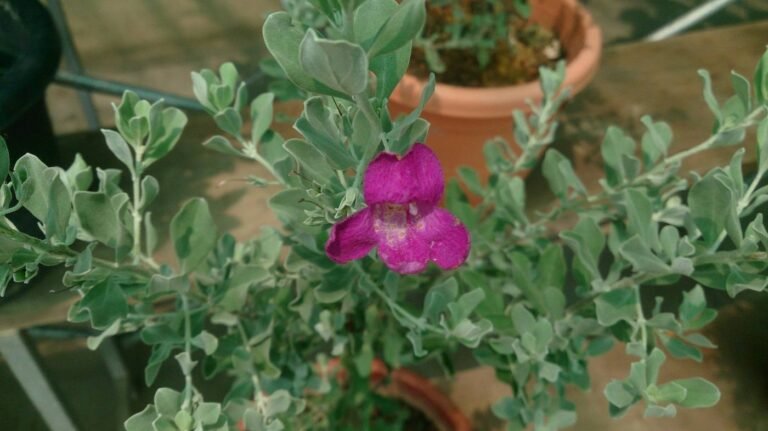
Andrena Cenizophila: The New Bee Species That Only Visits One Texas Shrub
A newly described solitary bee from southwestern Texas depends on a single shrub species for all its pollen — a rare degree of specialization for any bee.

Species identification, look-alikes, and safety guidance for distinguishing honeybees from wasps, hornets, and other stinging insects. The differences are simple once you know where to look: a honey bee worker is hairy, carries pollen on flattened hind legs and leaves her barbed stinger behind after a single sting, while a yellowjacket is smooth-bodied and narrow-waisted, scavenges for protein in late summer and can sting repeatedly.
The guides profile the common stinging and predatory insects of North American gardens and apiaries: yellowjackets, paper wasps, bald-faced hornets (a yellowjacket, not a true hornet), the European hornet, cicada killers, mud daubers and digger wasps, plus harmless mimics such as hover flies, which have only one pair of wings and short antennae. Africanized bees, carpenter bees and invasive species like the yellow-legged hornet get their own entries, and a comparison chart lines up every species covered.
Use this hub when you need a practical answer: which insect is nesting under the eaves, whether the wasps raiding a weak colony in autumn are yellowjackets or European hornets, which species are beneficial predators worth leaving alone, and how to tell a defensive honey bee colony from an Africanized one before calling for removal.
Start here:
A newly described solitary bee from southwestern Texas depends on a single shrub species for all its pollen — a rare degree of specialization for any bee.
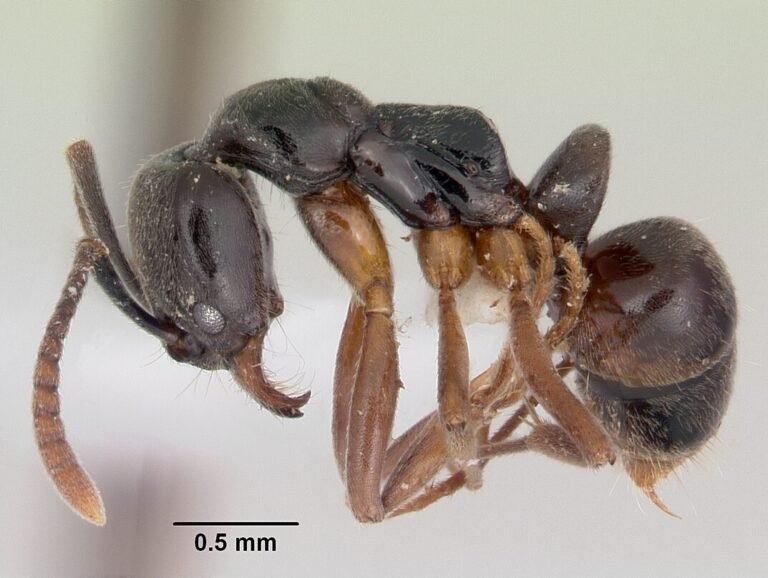
The Asian needle ant isn't a hive predator, but it's spreading through apiary landscapes in the southeastern U.S. and carries a real, if rare, anaphylaxis risk.
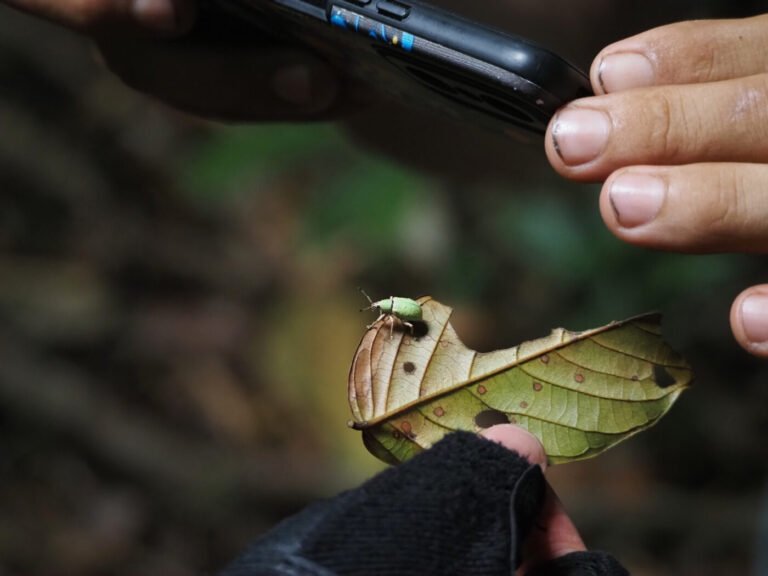
Seek, iNaturalist, BeeMachine, and Picture Insect all promise to identify a bee from a photo, but they work in genuinely different ways. Here's how the four actually compare.

You mostly can't tell Africanized bees apart by sight. Here's how to actually identify them, where they live in the U.S. today, and the real safety steps if you're attacked.

The fastest reliable way to tell them apart: bees are fuzzy with round, hairy bodies built for carrying pollen, wasps and hornets have smooth, shiny bodies with almost no hair…

Between hornets, solitary hunting wasps, parasitic wasps, and the flies and bugs that mimic or get mistaken for them, this site now covers dozens of individual predatory and defensive insect…
Few genuinely ordinary insect encounters generate as much alarmed texting-a-photo-to-everyone-you-know energy as the American pelecinid wasp, Pelecinus polyturator — an all-black wasp with a body so extraordinarily elongated it looks…
An all-black wasp well over three-quarters of an inch long, dragging a paralyzed katydid slowly across your lawn toward a waiting burrow, is a genuinely alarming sight the first time…
If a paper wasp nest around your home looks more yellow-and-black striped than the brown paper wasps you remember from childhood, you may be looking at Polistes dominula, the European…
Most insects covered on this site get confused with bees or wasps because they look harmless and happen to share a color pattern. Robber flies are the opposite case: a…
If you’ve ever found a tomato hornworm in your garden studded with small white oval cocoons and wondered whether it was diseased, dying, or something stranger, you were looking at…
Few insects trigger a more instant, panicked reaction than an ichneumon wasp trailing what looks like a massive, menacing stinger several times longer than its own body, and few insects…
Watch closely and you’ll notice something genuinely dramatic about the wasp genus that gives this whole family of insects its common name: a waist so narrow it looks almost impossibly…

Watch a patch of loose beach or dune sand long enough on a summer afternoon and you may spot a wasp doing something genuinely unusual among the solitary hunting wasps…
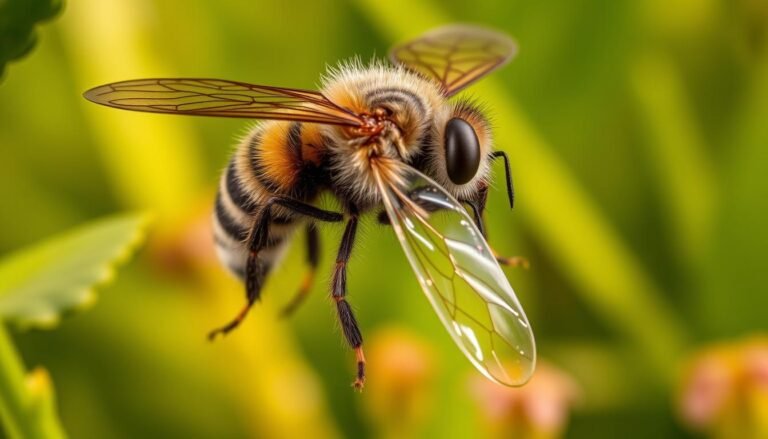
That small, yellow-and-black striped insect hovering motionlessly in mid-air over a garden flower, then darting sideways in an instant, is very likely not a bee or wasp at all, despite…
A large, dark wasp with smoky, blue-tinted wings and two conspicuous yellow spots on its abdomen, cruising low over a lawn in a distinctive figure-eight pattern, is very likely a…
Anyone who’s spotted a tiny, perfectly rounded mud jug, sometimes no bigger than a marble, attached to a twig or garden stem has likely found a potter wasp’s nest, one…

Few insects in North America carry a reputation quite like the tarantula hawk wasp, a strikingly large, iridescent desert wasp whose sting has been described by the scientist who literally…
Anyone who’s ever found a lumpy mud tube plastered against the eaves of a shed, a porch ceiling, or the inside of a garage has encountered a mud dauber wasp’s…

Sit quietly and patiently watch a patch of goldenrod or thistle in late summer, and you’ll eventually notice something most casual observers genuinely never do: not every insect moving among…
With golden hair on its head and thorax, reddish-orange legs, and a body large enough to fly off with a full-grown katydid clutched in its legs, the great golden digger…
Bright red-and-black, densely furry, and scurrying quickly and unpredictably across bare, sun-baked ground in broad daylight, velvet ants have earned a genuinely intimidating nickname, “cow killer,” from a sting reputation…
While the “murder hornet” panic of 2020 grabbed headlines and was ultimately resolved with a genuine eradication success, a different invasive hornet has quietly become the actual, ongoing threat US…
With the Asian giant hornet fully eradicated from the US as of December 2024, the European hornet holds a distinction most people don’t realize: it’s the only true hornet, genus…
At up to two full inches long, the cicada killer wasp is one of the single largest wasps most people anywhere in the US will ever actually see up close,…