Category Bee & Wasp Identification

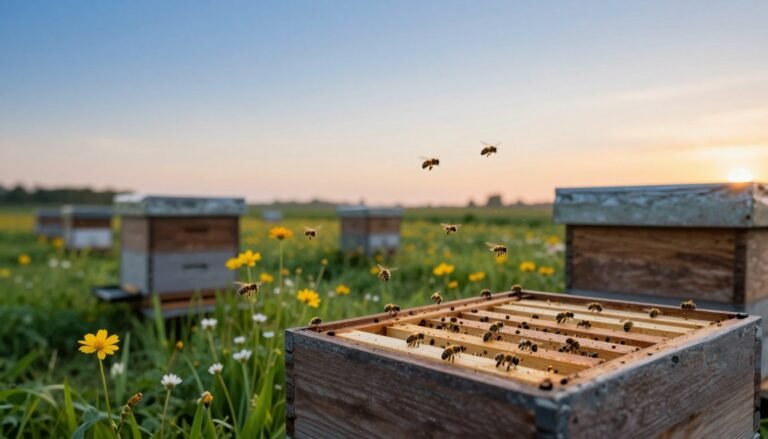
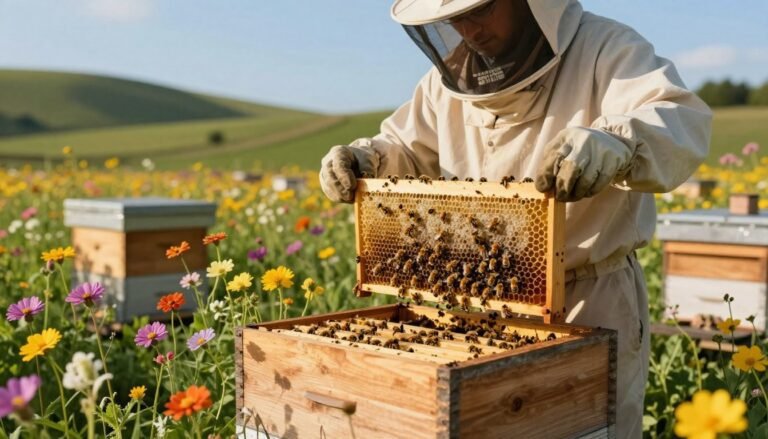
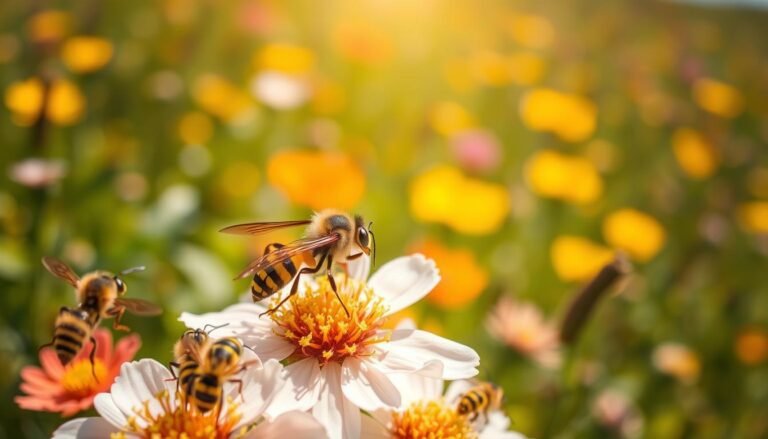
Species identification, look-alikes, and safety guidance for distinguishing honeybees from wasps, hornets, and other stinging insects. The differences are simple once you know where to look: a honey bee worker is hairy, carries pollen on flattened hind legs and leaves her barbed stinger behind after a single sting, while a yellowjacket is smooth-bodied and narrow-waisted, scavenges for protein in late summer and can sting repeatedly.

The guides profile the common stinging and predatory insects of North American gardens and apiaries: yellowjackets, paper wasps, bald-faced hornets (a yellowjacket, not a true hornet), the European hornet, cicada killers, mud daubers and digger wasps, plus harmless mimics such as hover flies, which have only one pair of wings and short antennae. Africanized bees, carpenter bees and invasive species like the yellow-legged hornet get their own entries, and a comparison chart lines up every species covered.

Use this hub when you need a practical answer: which insect is nesting under the eaves, whether the wasps raiding a weak colony in autumn are yellowjackets or European hornets, which species are beneficial predators worth leaving alone, and how to tell a defensive honey bee colony from an Africanized one before calling for removal.

Start here: