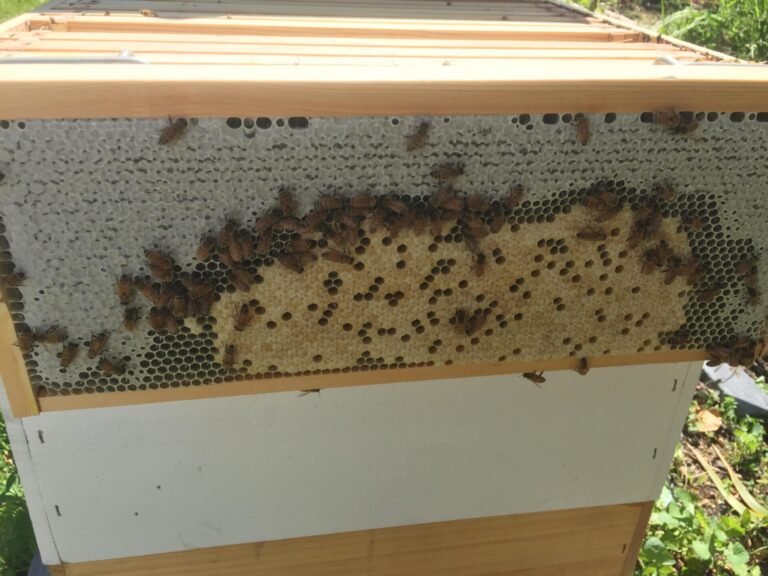
Brood Pattern Collapse in a Nectar Dearth: Queen or Food?
Brood vanishing in a nectar dearth? Workers eat eggs and young larvae to ration food. How to tell it from a failing queen or disease, and the 7-day recheck.

Brood vanishing in a nectar dearth? Workers eat eggs and young larvae to ration food. How to tell it from a failing queen or disease, and the 7-day recheck.
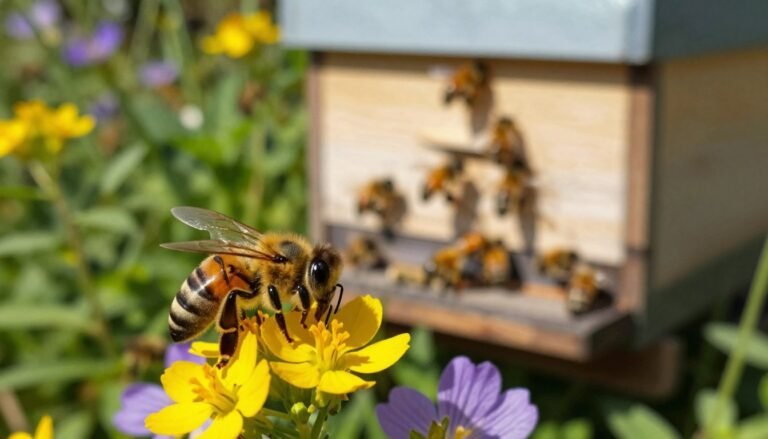
Discover the underlying black shiny bees syndrome causes and understand its impact on bee colonies in the present day.
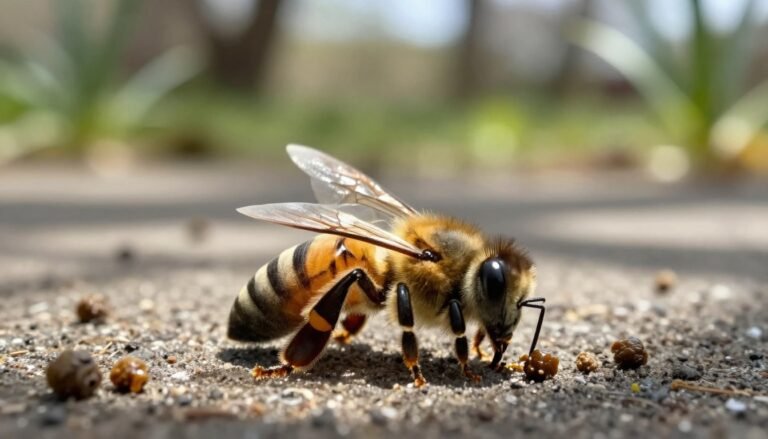
Get expert advice on dealing with bee dysentery after winter cleansing flights. Our comprehensive guide covers diagnosis, treatment, and prevention techniques.
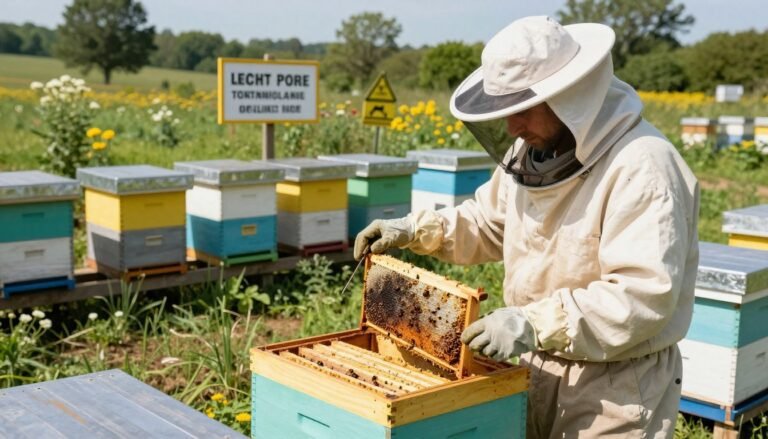
Discover the essential steps on how to quarantine a suspect diseased hive and safeguard your apiary against disease outbreaks.
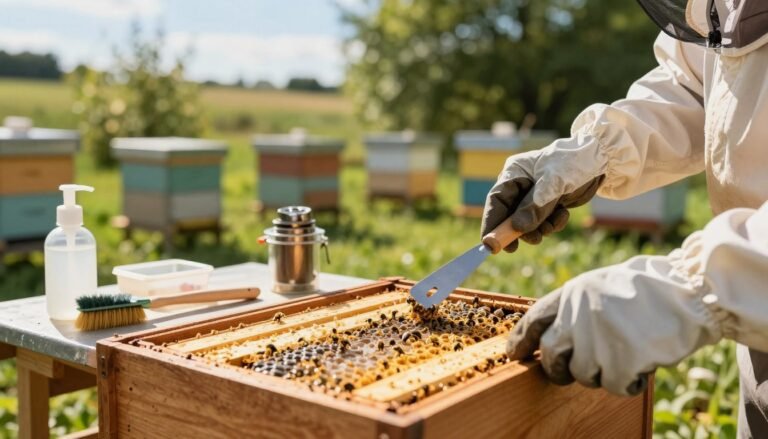
Find out can you reuse equipment after chalkbrood. Our guide provides tips and best practices for safe equipment reuse and beekeeping hygiene.
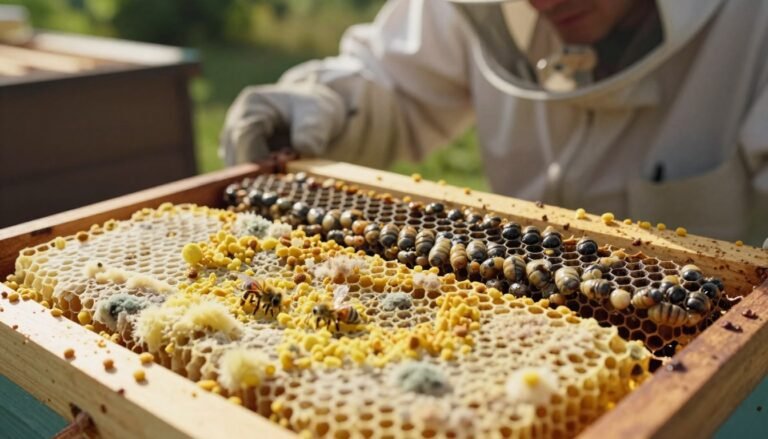
Confused about moldy pollen vs diseased brood? Our guide provides clear insights and practical advice for beekeepers.
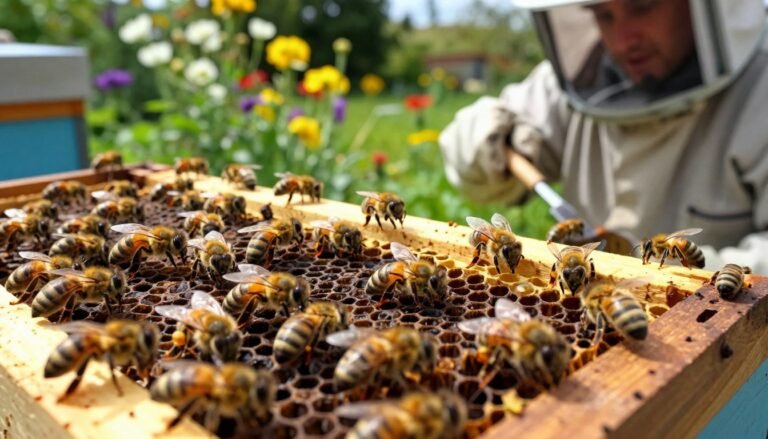
Identify disease signs after installing package bees and take prompt action. Our how-to guide provides essential tips for beekeepers to ensure colony health.
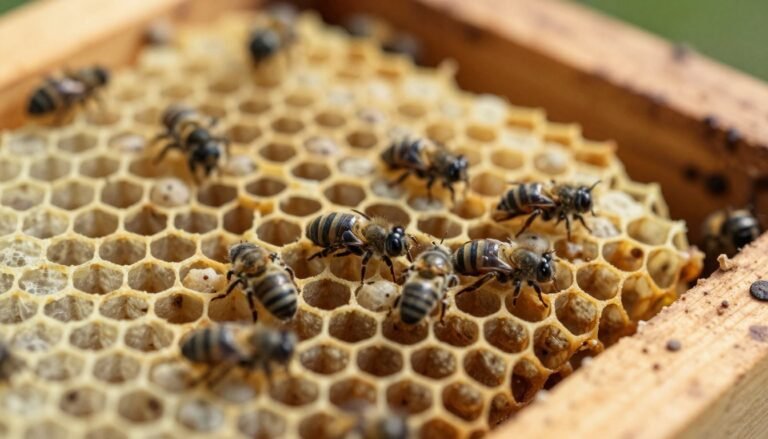
Sick drone brood usually means Varroa in capped drone cells, chalkbrood at the nest edge, or a failing queen. Learn the signs of each and a quick drone check.
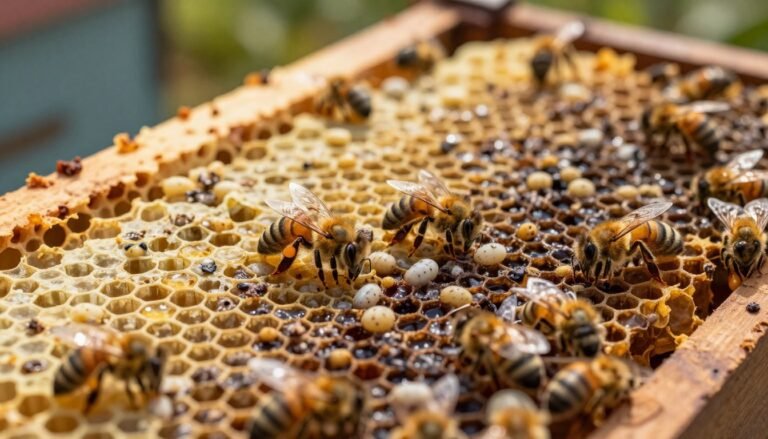
Find out can you save a hive with European foulbrood by following expert advice on diagnosis, treatment, and prevention of this serious bee disease.
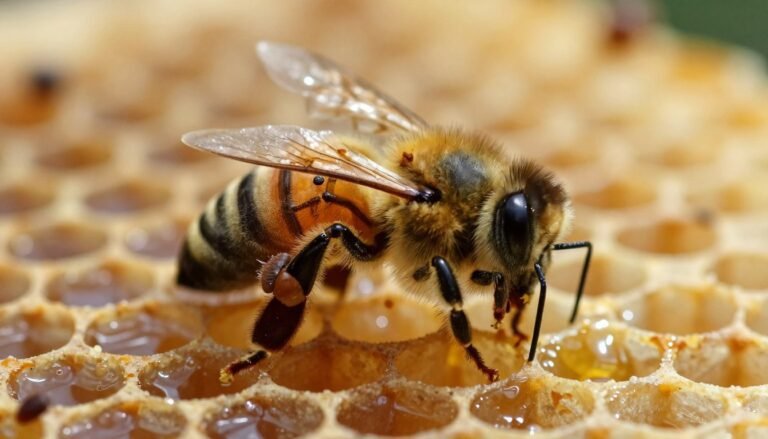
Explore the impact of varroa damage and subsequent secondary infections after varroa damage on bee health, based on past research findings and data analysis.
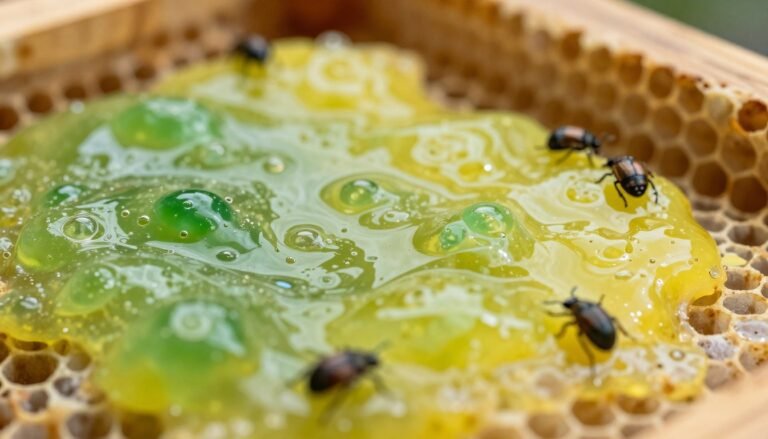
Small hive beetle slime is wet, frothy, weeping honey that smells like rotting oranges. Learn to confirm it, what to salvage, and how to prevent a slime-out.
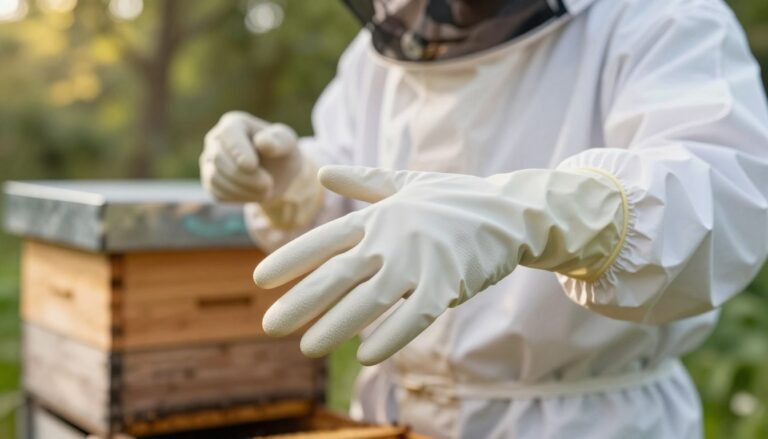
Learn how to sanitize gloves between hive inspections effectively with our step-by-step guide. Keep your beehives safe and healthy.
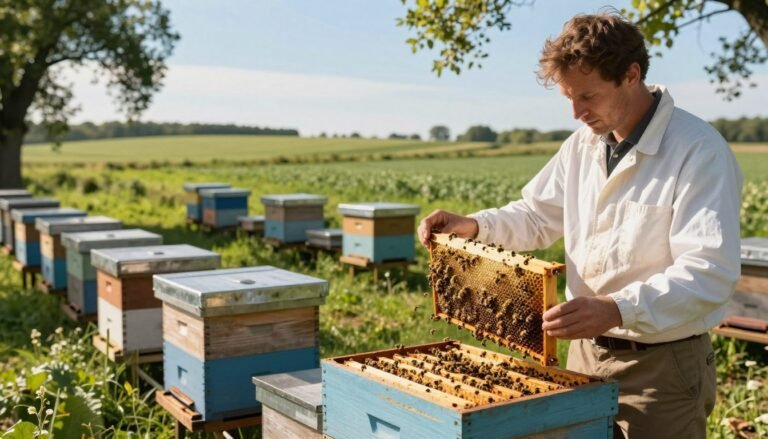
Learn when to call an apiary inspector for beekeeping issues. Discover the signs that indicate you need professional help with your beehives.
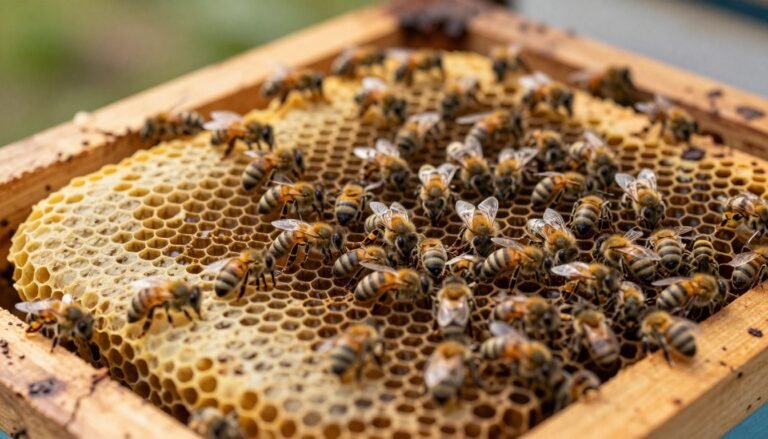
Understand the reasons behind the shotgun brood pattern in honey bee colonies and find practical solutions with our step-by-step guide on shotgun brood pattern causes.

Learn about the pros and cons of bleach vs flame sterilization for hive tools and choose the most effective method for your beekeeping needs
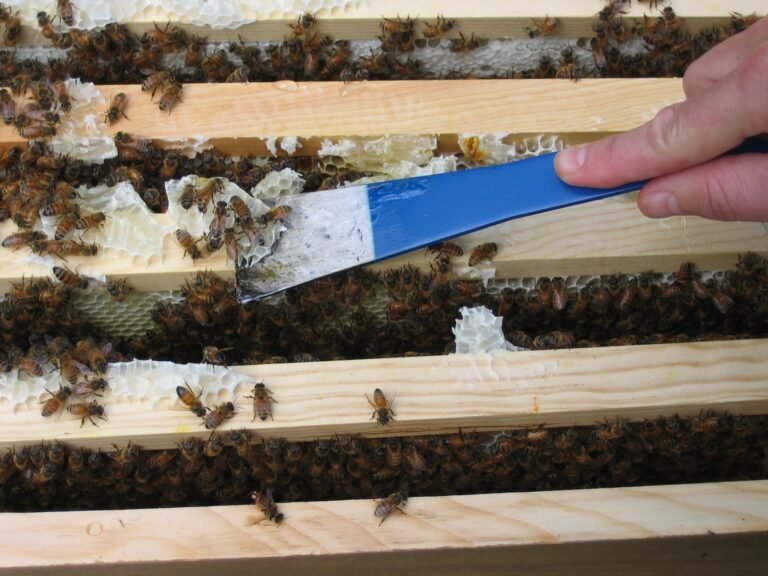
Scrape to bare metal, then match the method to the disease: soda plus bleach for EFB, 0.5% bleach or flame for AFB. Why alcohol and the smoker fail.
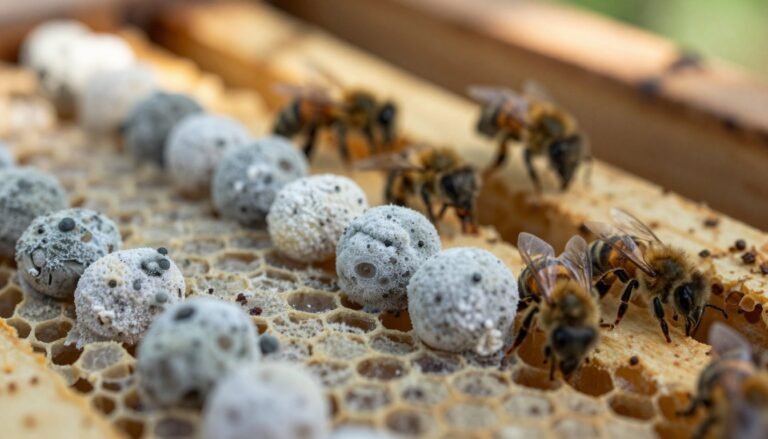
Learn how to identify and manage chalkbrood mummies in front of hive to protect your beehive from fungal infections with our expert guide.
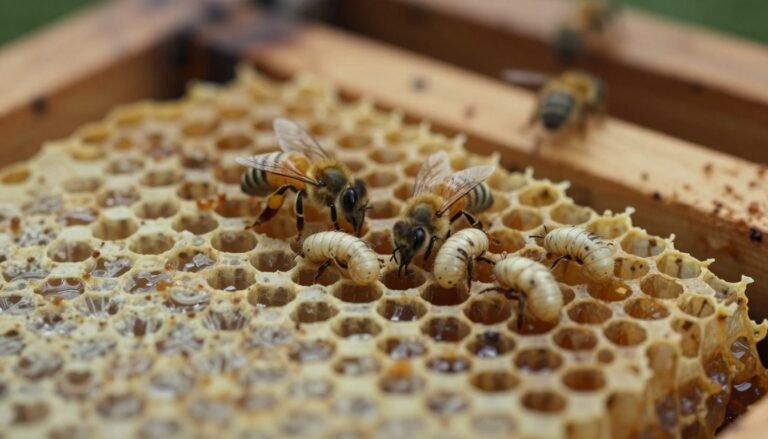
Discover the causes of dead larvae in uncapped cells and learn how to address this issue in your beehive with our comprehensive guide.
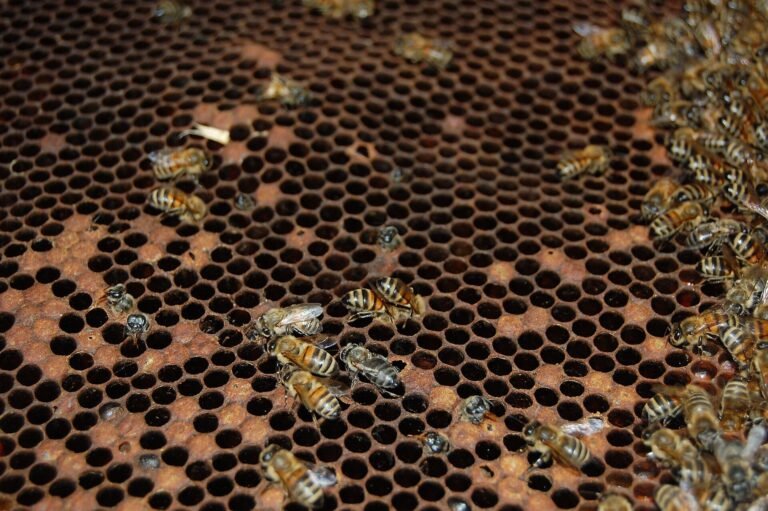
American foulbrood smells sulfurous and rotten, EFB sour, but the smell shows up late. What causes it, what gets mistaken for it, and how to confirm it.
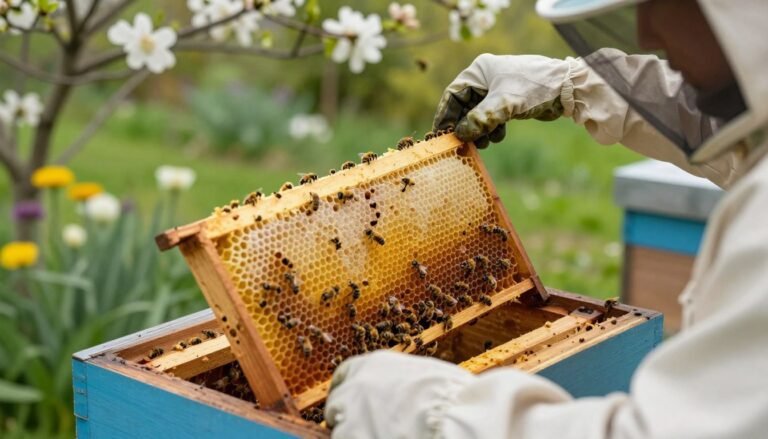
The rope test flags American foulbrood when dead brood stretches into a brown, elastic thread. Step-by-step method, what length counts, and ND and MN rules.
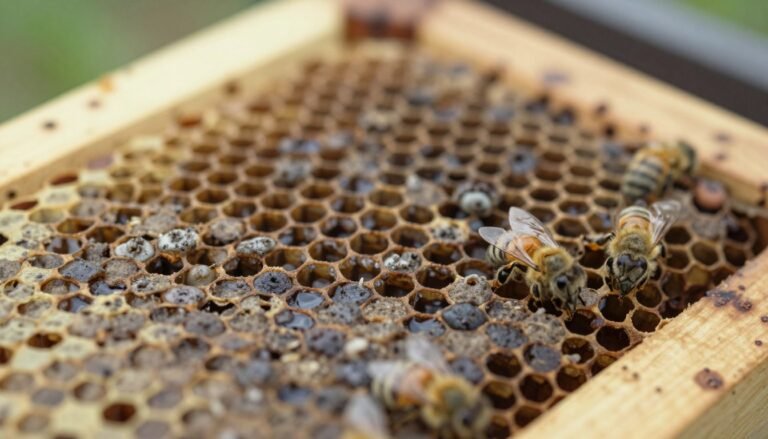
Understand the spotty brood pattern and know when to worry. Our comprehensive guide provides actionable advice for beekeepers to manage the issue.
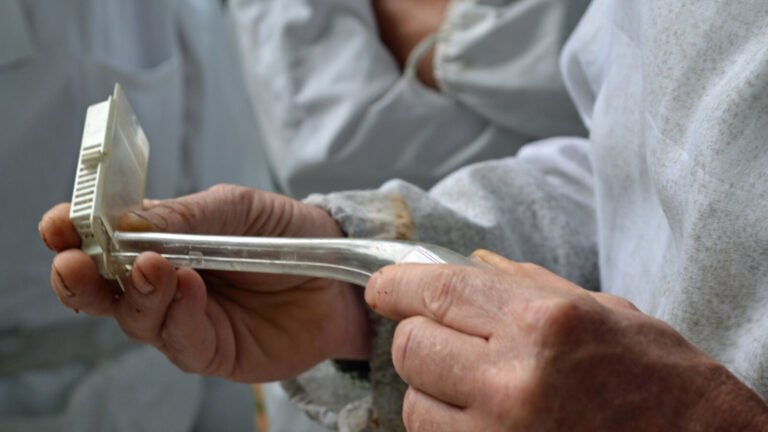
How small queen breeders can follow up with local customers: acceptance check-ins, simple sale records, queen guarantees, waitlists, and seasonal reminders.
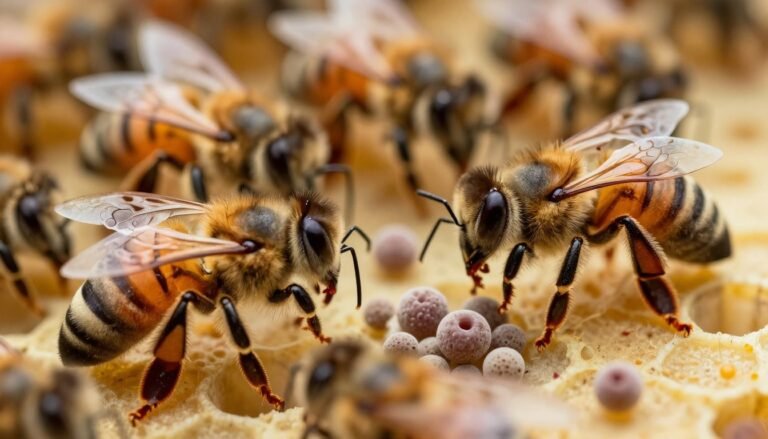
"Learn the key differences between dysentery vs nosema in bees, two conditions affecting bee health, causes, symptoms, and management strategies."
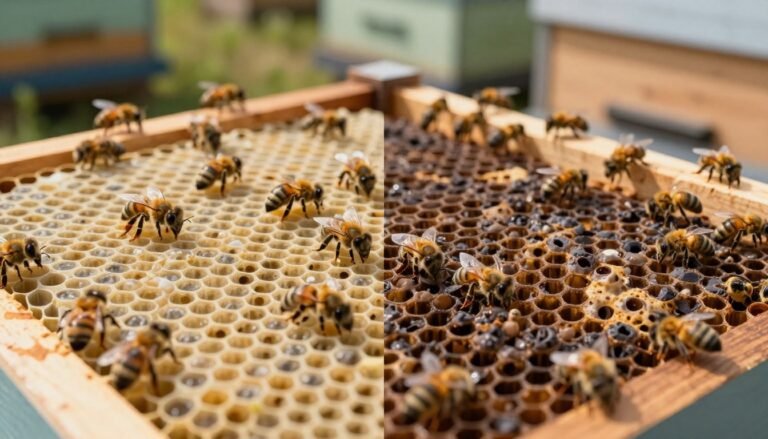
Discover the differences between queenless brood pattern vs diseased brood. Our step-by-step guide helps beekeepers diagnose and address common beehive problems.

Compare nuc production for spring sales vs pollination contracts: Understand the differences and benefits of each approach for your beekeeping business today