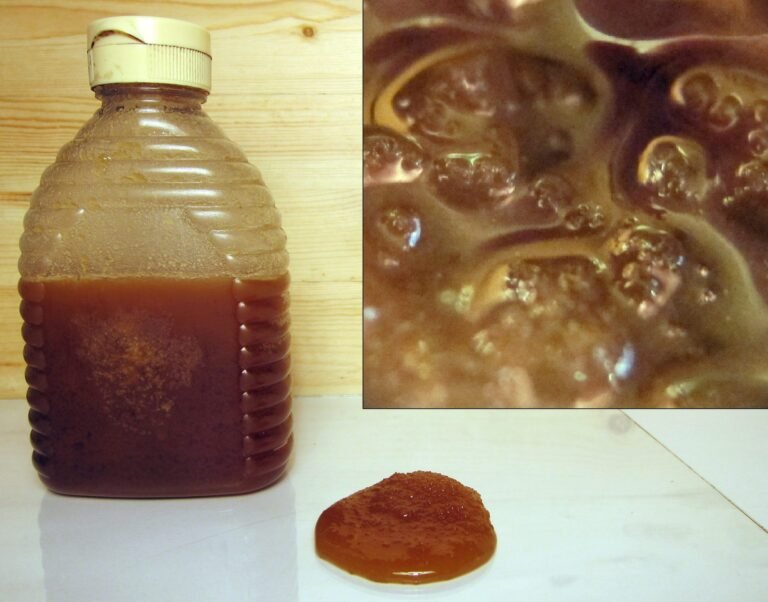
How to Reliquefy Crystallized Honey Without Damage
Reliquefy crystallized honey at 100-110°F: methods and times for jars and buckets, how to stop it re-crystallizing, and what to avoid. Hard-set canola tips too.

Reliquefy crystallized honey at 100-110°F: methods and times for jars and buckets, how to stop it re-crystallizing, and what to avoid. Hard-set canola tips too.
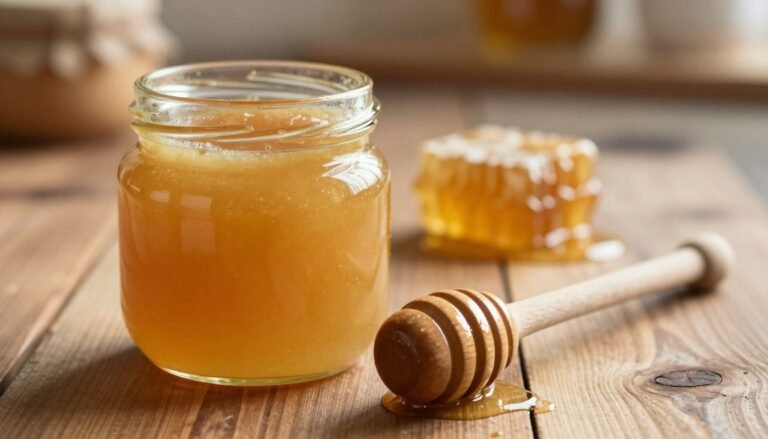
Seeding ratio for creamed honey: use 5-10% fine seed by weight, per Dyce's Cornell research. Seed amounts by batch size, plus temperature and moisture targets.
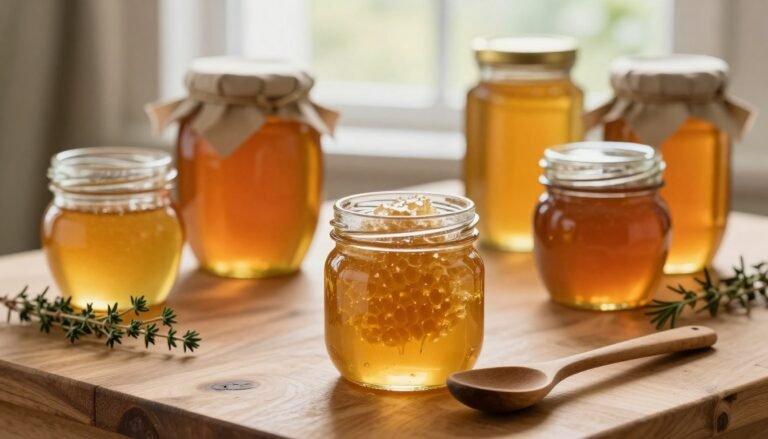
Learn how to keep honey from absorbing moisture with our expert tips and tricks for maintaining its quality and texture. Discover the best storage methods.
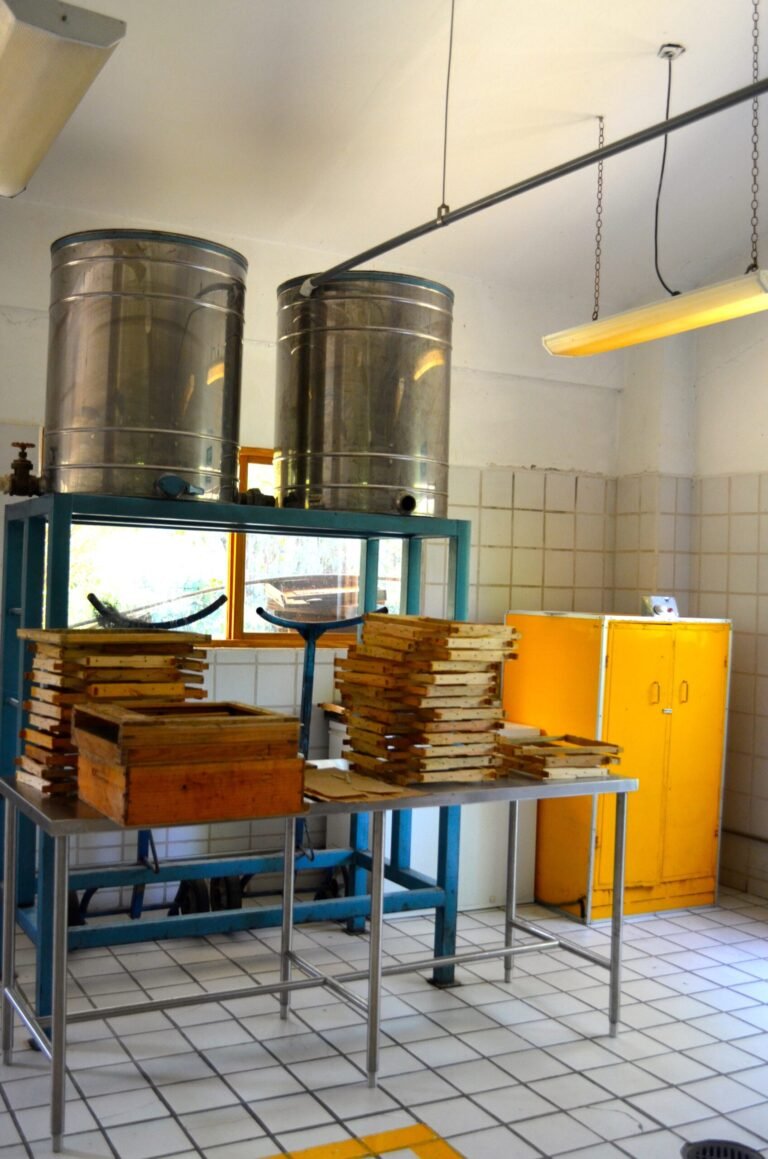
Stainless steel vs plastic honey bottling tanks compared: cost, weight, capacity, heating, cleaning and durability, and which one suits your honey harvest.
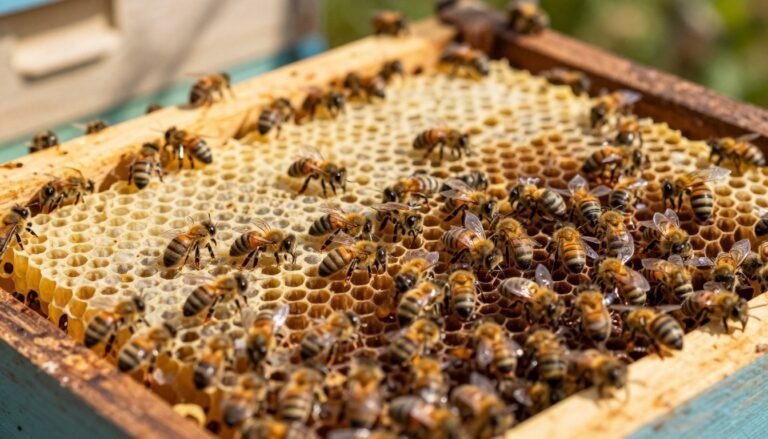
Patchy brood after a queen change is usually normal for about 3 weeks. Why it happens, what ND-MN research says about colony vs queen, and when it means trouble.
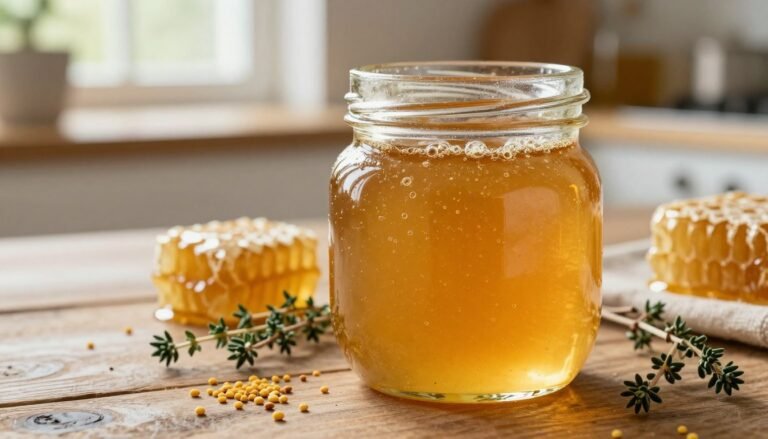
Fermented honey can be stopped and reused for cooking, mead or vinegar, but not reversed. Learn to triage it, heat-treat it, and when to throw it out.
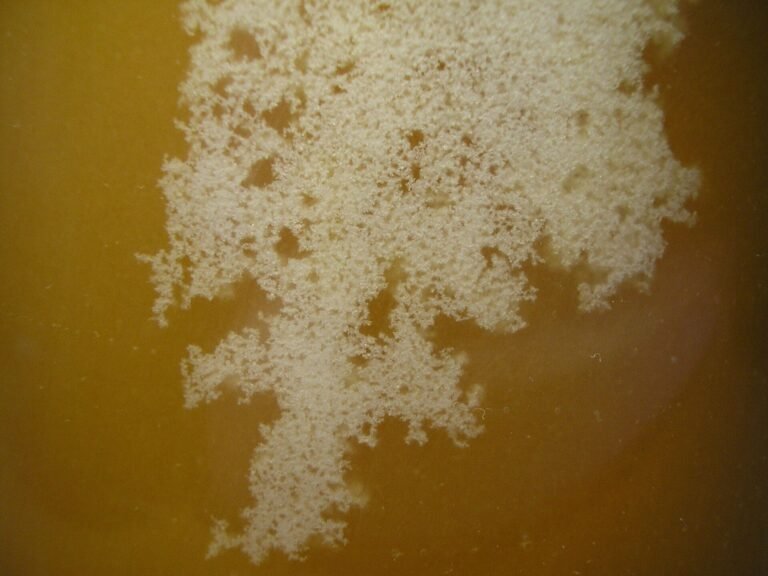
Granulated honey is safe; fermented honey is spoiled. Learn the lid, smell and texture checks, and why a half-set jar is the one most likely to ferment.
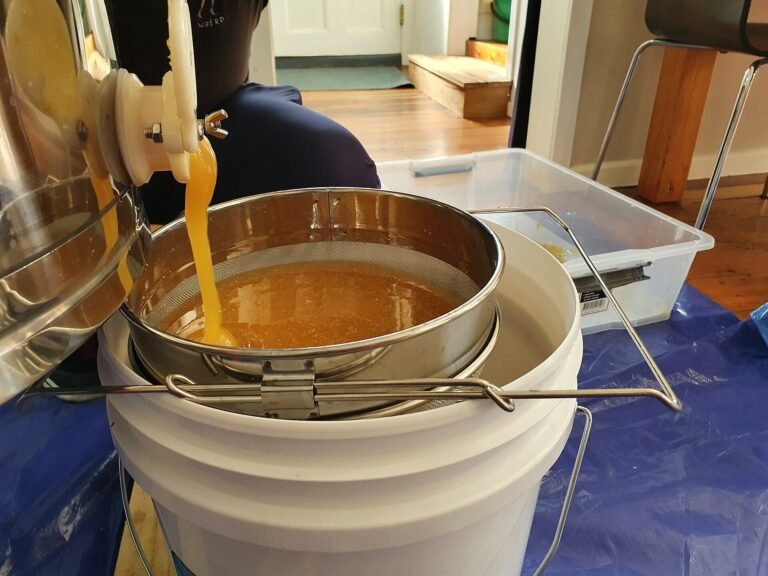
Settle honey warm, skim the foam, and fill from a bottom gate down a tilted jar. See why temperature and tank depth decide how fast bubbles clear.
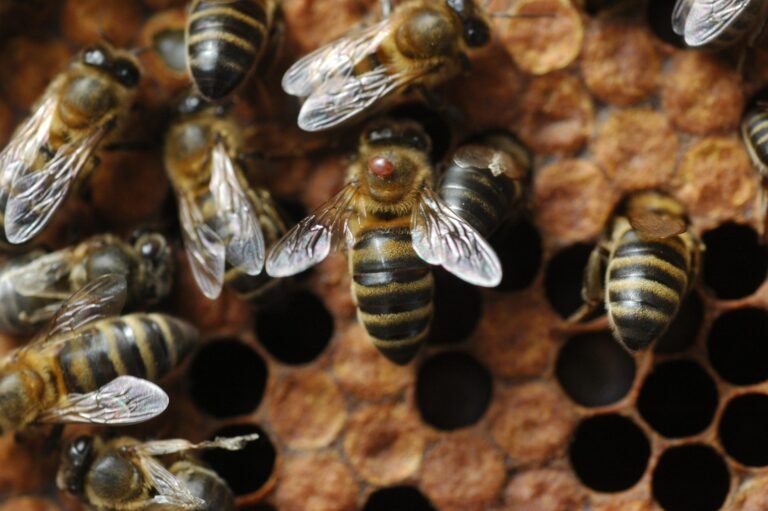
Most disease crosses between apiaries on comb, honey, used gear and robbing. Four research-backed rules to keep foulbrood and mites out of your other yards.
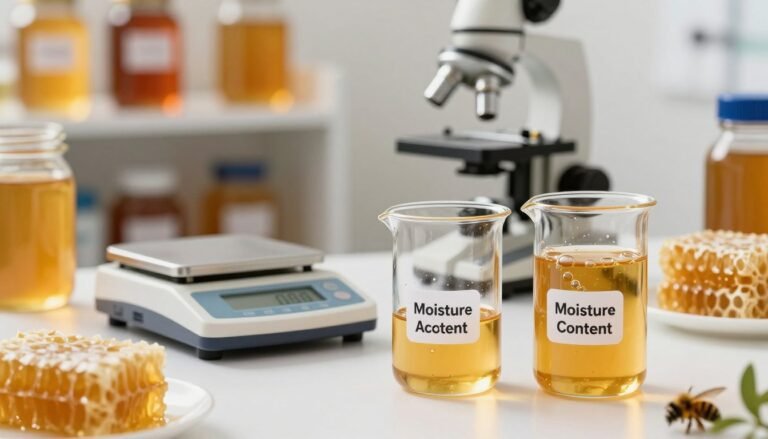
Uncover the distinctions between water activity in honey vs moisture content. Explore their roles in determining honey's stability and quality.
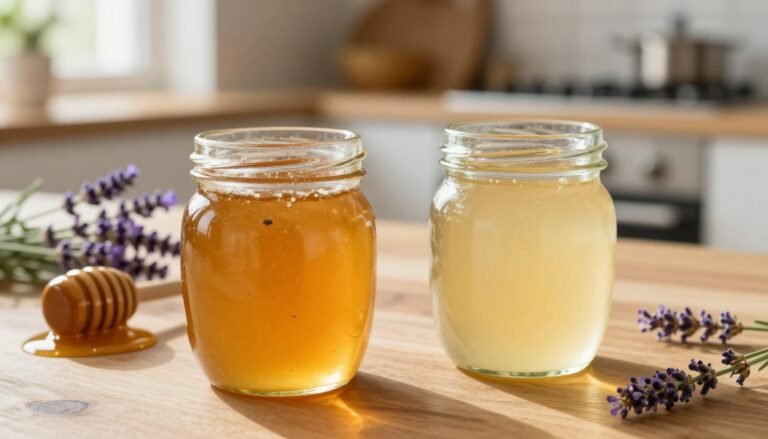
Discover the difference between coarse strain vs fine strain honey in our comprehensive guide. Learn which type is best for your needs and how to use them effectively.
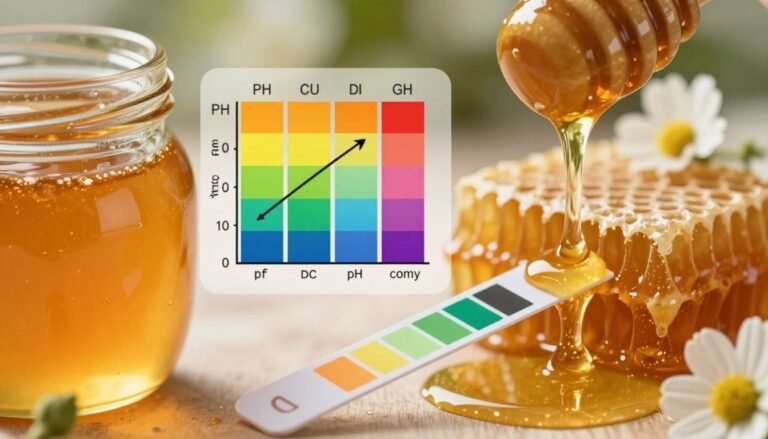
Get a clear understanding of honey pH vs acidity explained. Our step-by-step guide helps you differentiate and measure honey's pH and acidity with ease.
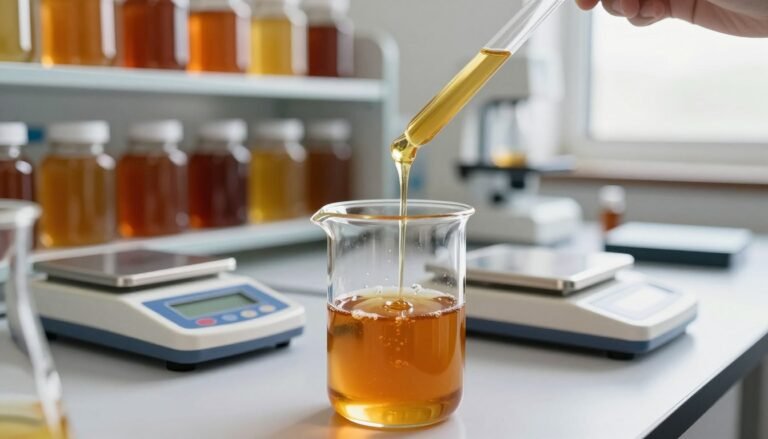
Diastase number (DN) shows how much active enzyme is left in honey. See the 8 and 3 DN limits, how to read a lab result, and why low DN isn't always heat damage.
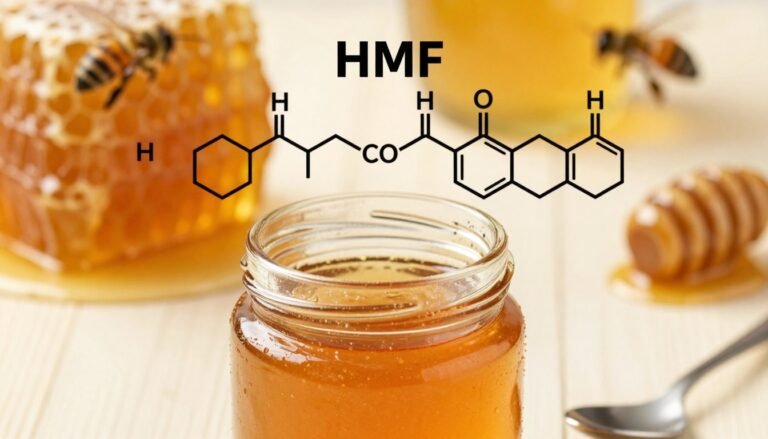
Learn what HMF in honey explained simply means and its significance in beekeeping and honey production today. Get started with our beginner's guide now.
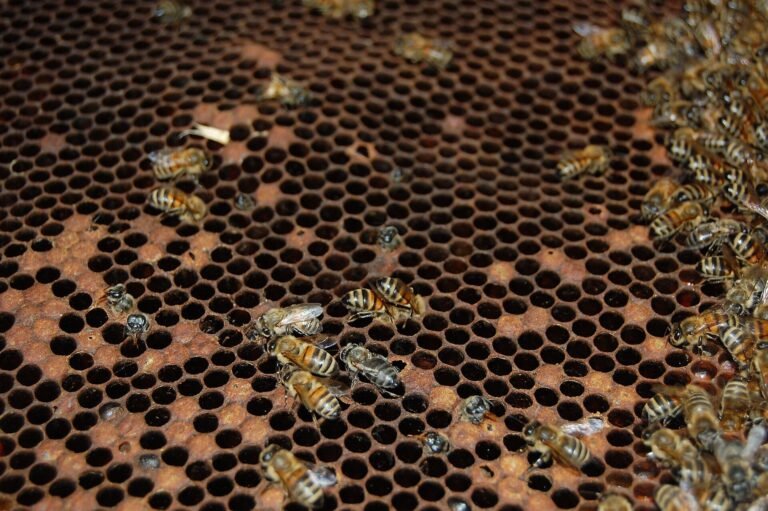
Identify and manage brood diseases using our guide. Explore brood disease photos and field signs to improve your beekeeping skills and ensure a healthy colony.
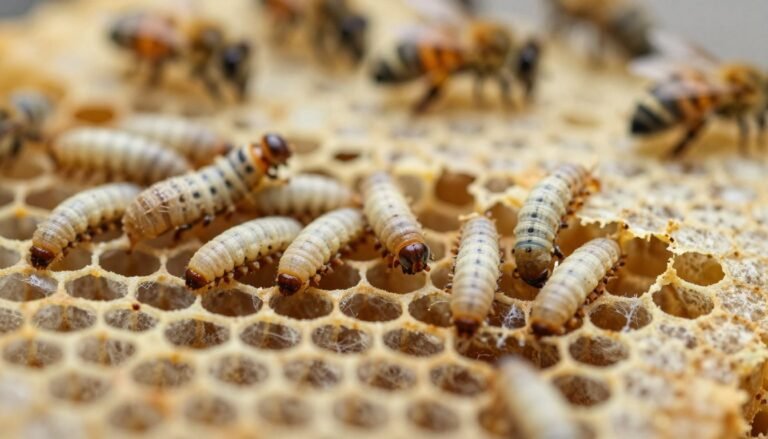
Learn how to recognize wax moth damage vs disease in bee colonies with our expert guide. Discover the signs and solutions for a healthy hive.
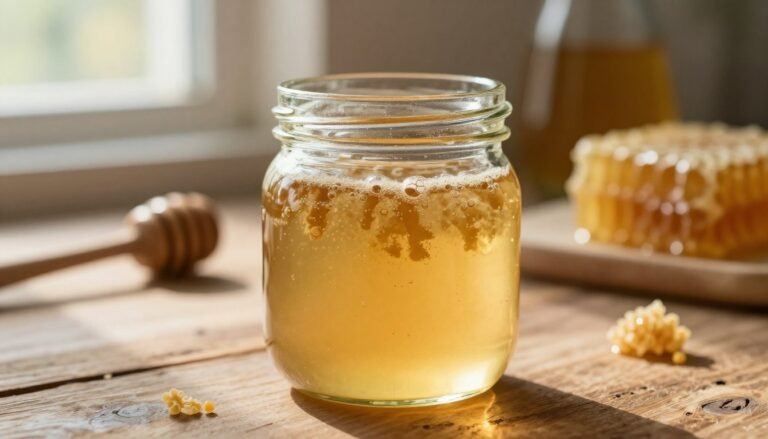
Honey ferments after bottling when too much water lets wild yeasts grow. See the moisture thresholds, six common causes and how to diagnose a jar by symptom.
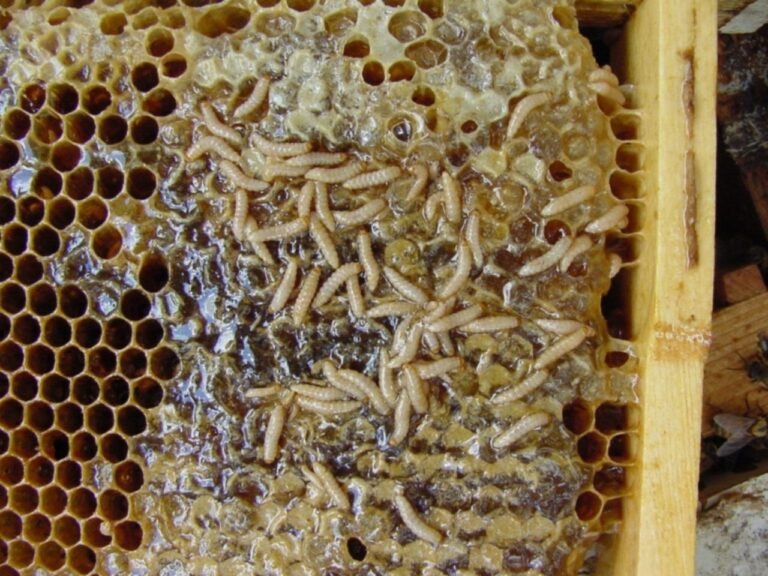
Discover the reasons behind slimy brood in beehives. Learn what causes slimy brood in a hive and find effective solutions to this common beekeeping issue.
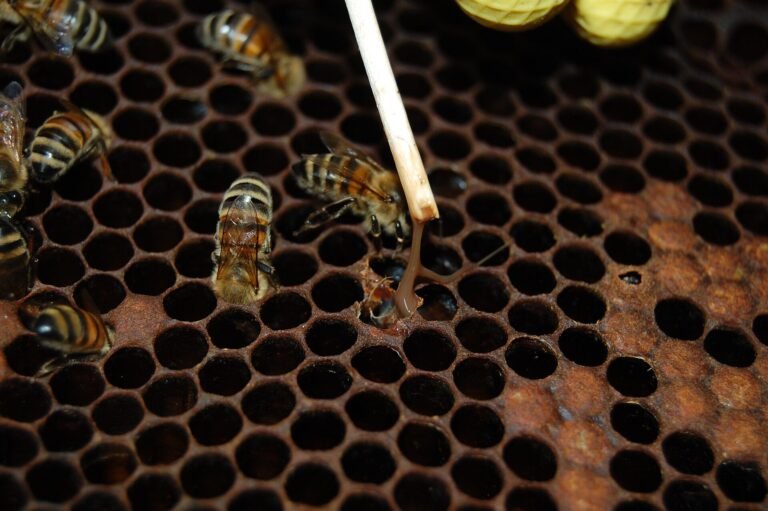
Which lab tests which honey bee disease, what USDA's free Beltsville service does and doesn't cover, and how to read Nosema, mite and virus results in 2026.
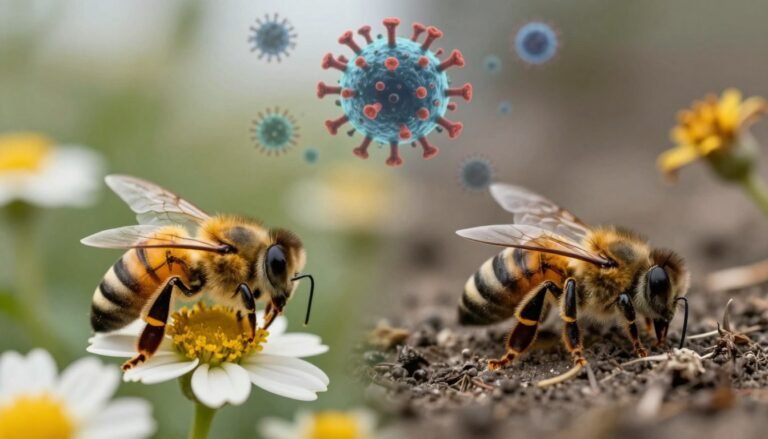
Discover the key differences between chronic bee paralysis virus vs pesticide poisoning, and their impact on bee colonies in the past.
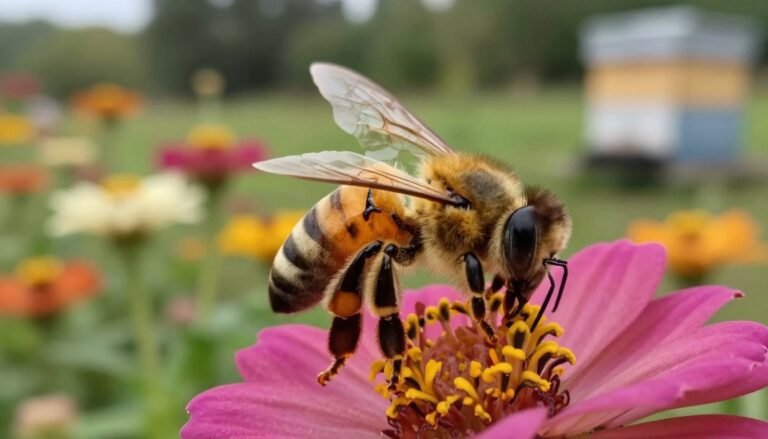
Trembling, black, hairless bees usually mean chronic bee paralysis virus. Learn the signs, how to rule out pesticides and nosema, and what helps the colony.
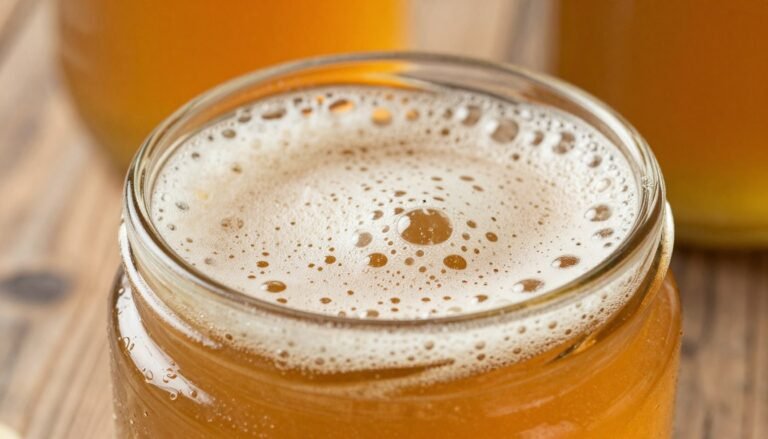
Foam on honey after bottling is slow-rising air, wax and pollen, and it is safe to eat. Why it shows up a day later, how to spot fermentation, and how to stop it.
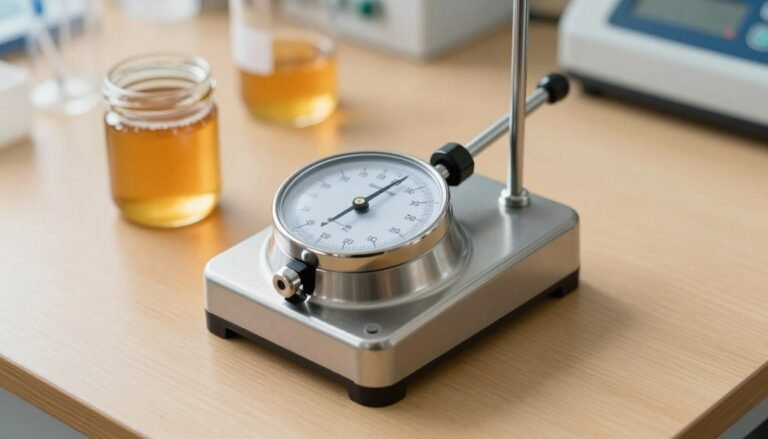
Learn how to test honey moisture with a refractometer in simple steps. Our guide provides detailed instructions for accurate honey moisture measurement.
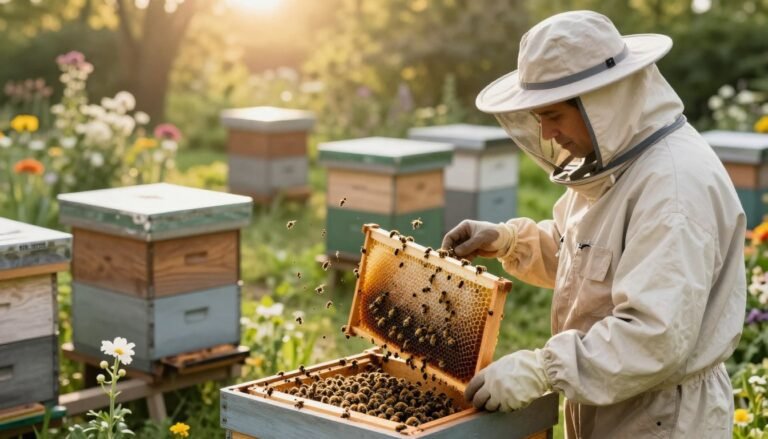
Learn how to monitor weak colonies for disease with our expert tips and strategies for beekeepers. Discover the best practices to keep your bees healthy.
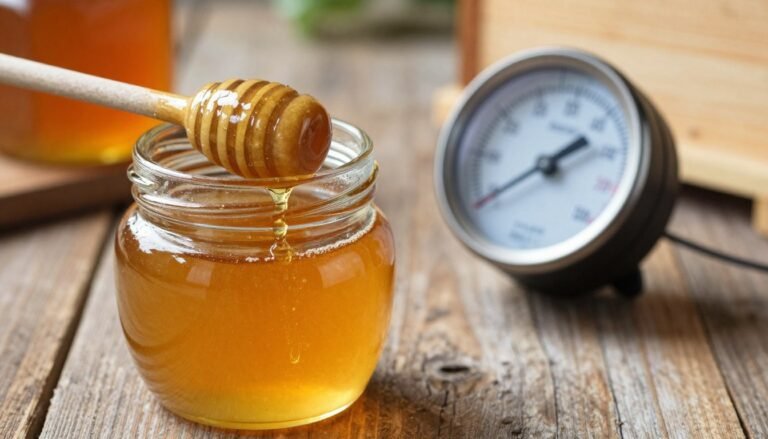
Ripe honey moisture content: under 18% is safe and 18.6% is the USDA Grade A line. How to test frames on the hive and decide when to pull your honey supers.