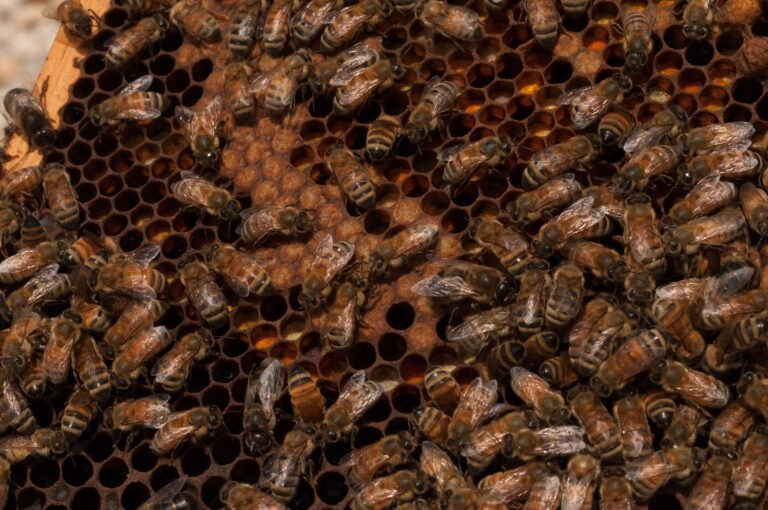
How to Price Nucleus Colonies for Sale: Costs and Benchmarks
How to price nucs for sale: a per-nuc cost worksheet, USDA's $130 average price paid in 2025, retail benchmarks, and how frames, queen and box change the price.

How to price nucs for sale: a per-nuc cost worksheet, USDA's $130 average price paid in 2025, retail benchmarks, and how frames, queen and box change the price.
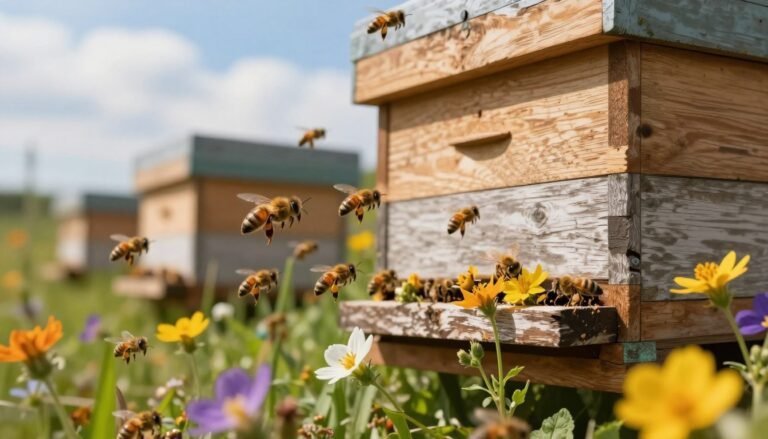
Document hive strength for growers with records that hold up: define a frame of bees, sample fairly, photograph each colony and build a report both sides trust.
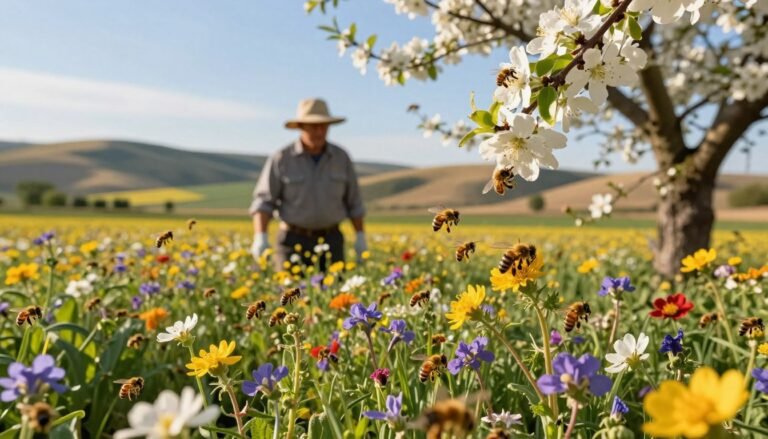
Understand crop pollination agreements and pesticide clauses with our detailed best practices guide for agriculture.
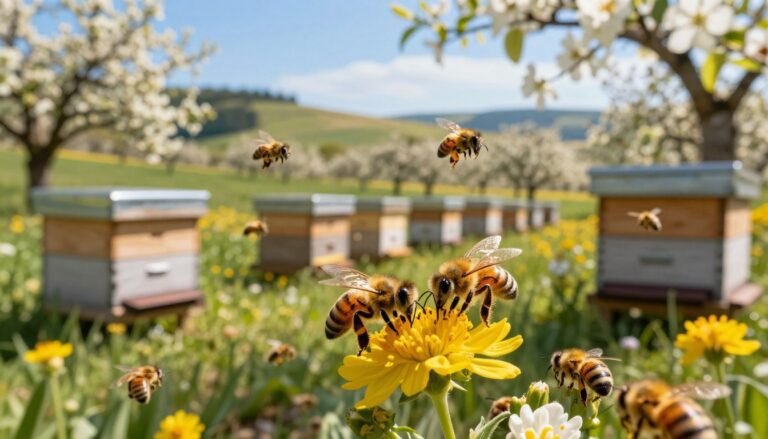
Migratory beekeeping costs bees about a day of life and chills weak hives in transit. Research-backed steps to cut colony stress before, during and after moves.
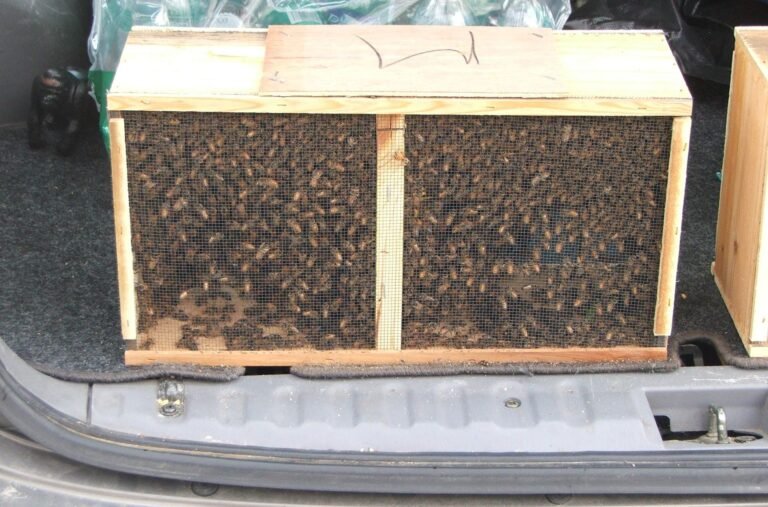
How to package nucs and packages for local pickup: close up the night before, keep vents clear, beat the heat, and the transport rules every buyer should get.
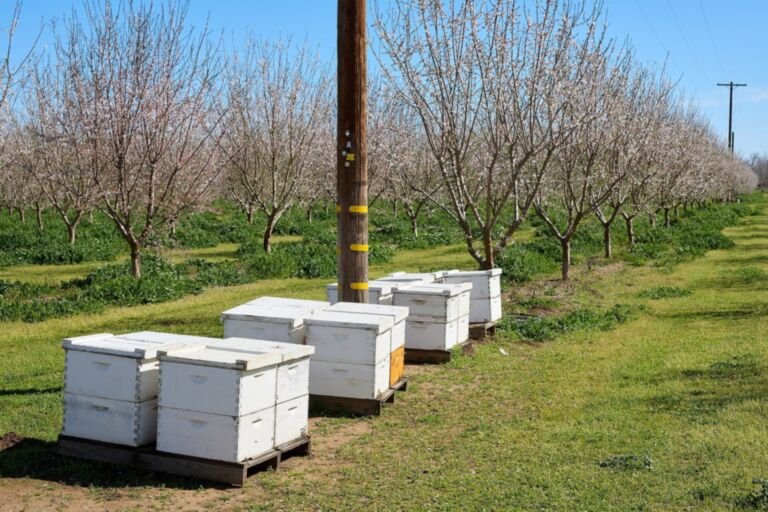
Foragers returning to the wrong hive can quietly weaken rented colonies. Here is why pollination drops drift so much and how pallet layout, entrance direction, and visual markers reduce it.
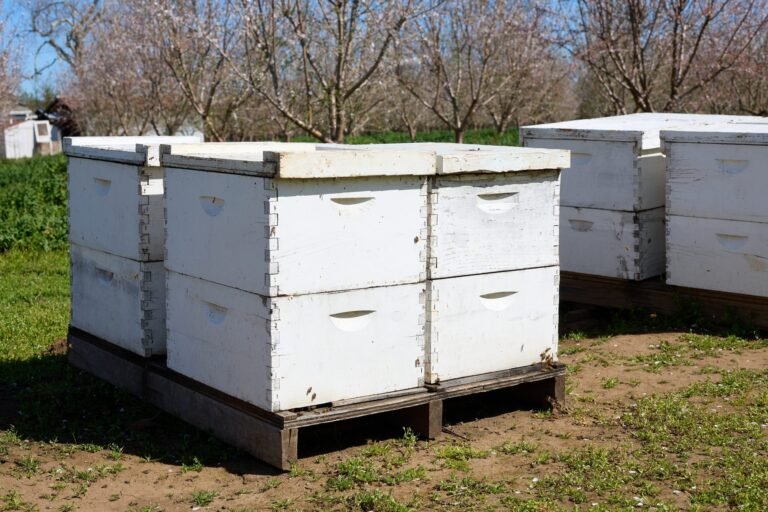
What to put on a pollination invoice: colony counts, delivery dates, strength results, installments, extra moves and late terms, with 2025 USDA rate benchmarks.
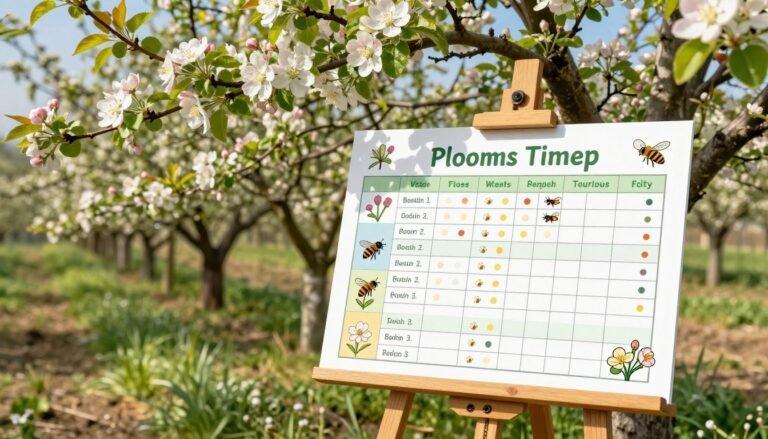
Ensure optimal orchard pollination with our comprehensive bloom timing checklist, tailored for current season's success
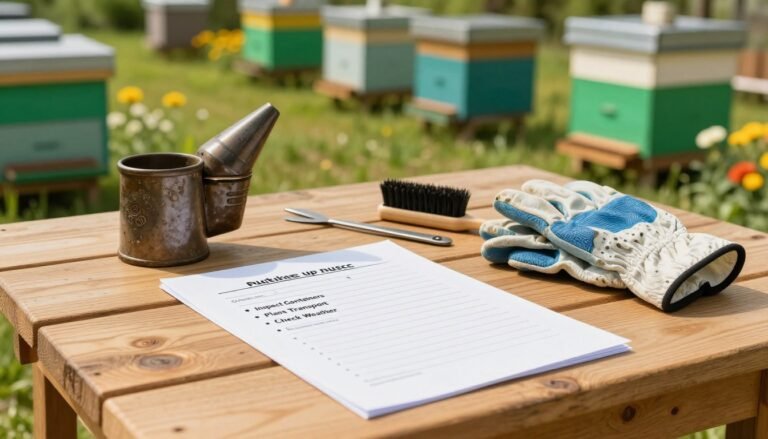
Discover the essentials with our customer checklist for picking up nucs. A Buyer’s Guide to a hassle-free experience.
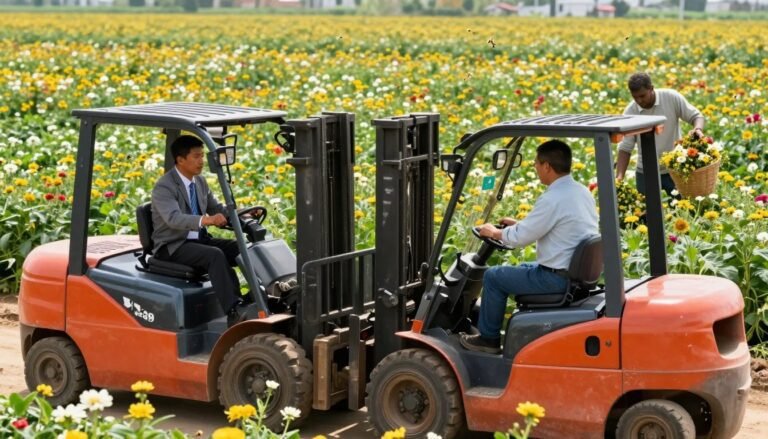
Forklift vs hand-loading pollination operations: which is better? Our comparison article examines the pros and cons of each method to help you make an informed decision.
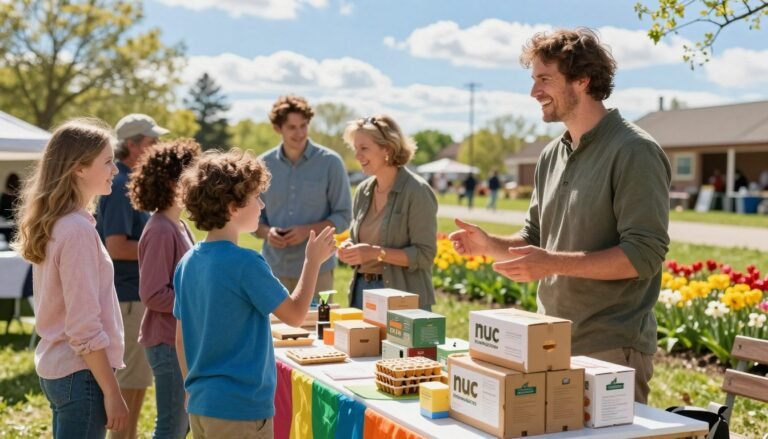
Discover the best time to advertise local nuc sales for maximum visibility. Our buyer's guide provides expert insights on timing your local nuc sales advertisements effectively to attract more buyers.
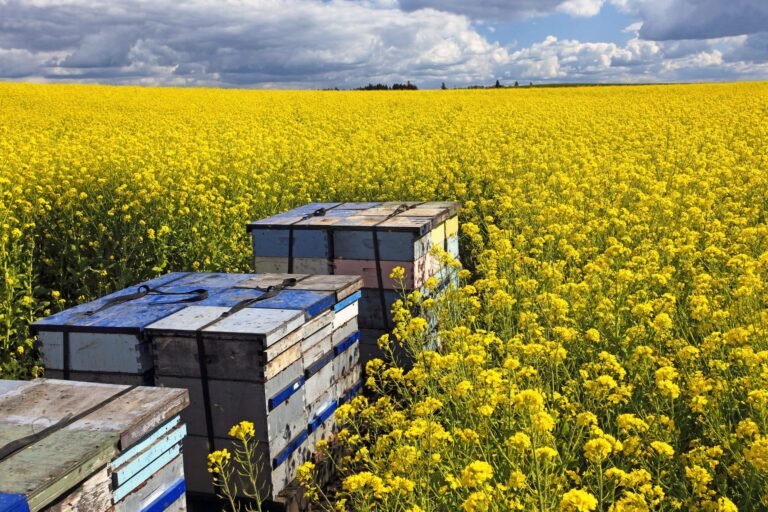
Seed crops need 1.5 to 6.7 hives per acre, and hybrids need bees to cross male and female rows. See stocking rates, fees, colony grades and spray rules.
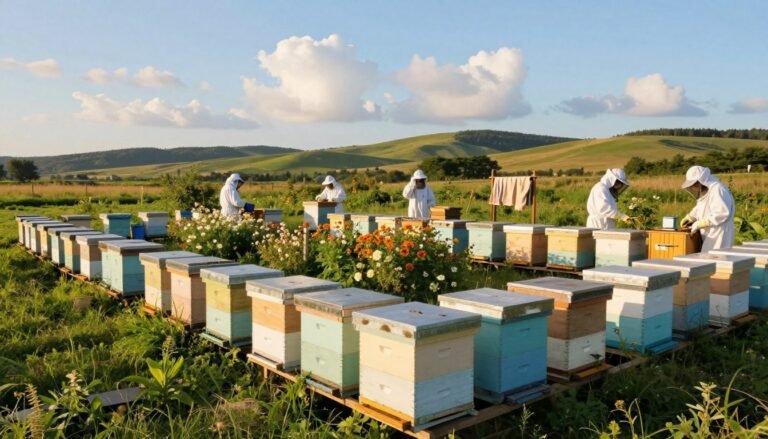
Discover best practices for setting up bee yard staging sites for migratory crews. Learn how to efficiently manage bee yards with our expert guide.

Queen and nuc deposits hold a slot, but cancellation windows cost buyers most. Compare real seller policies, questions to ask, and how to write a fair policy.
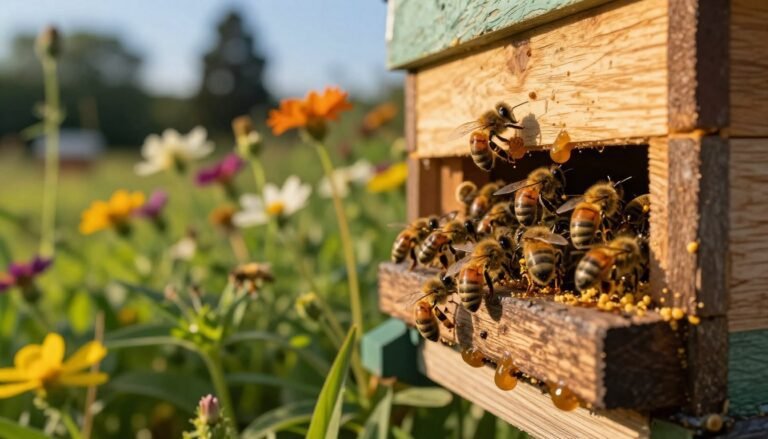
Learn how to prepare for pollination contracts by effectively feeding colonies beforehand. Discover the best practices for a successful pollination season in the future.
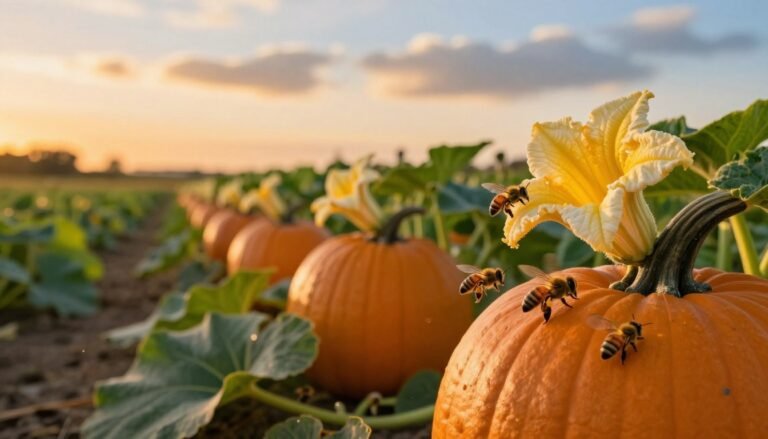
Pumpkins need 0.5 to 1 hive per acre, if any: wild bumble bees often do the job. Scout first, then time hives to female bloom. Rates, placement and 2025 costs.
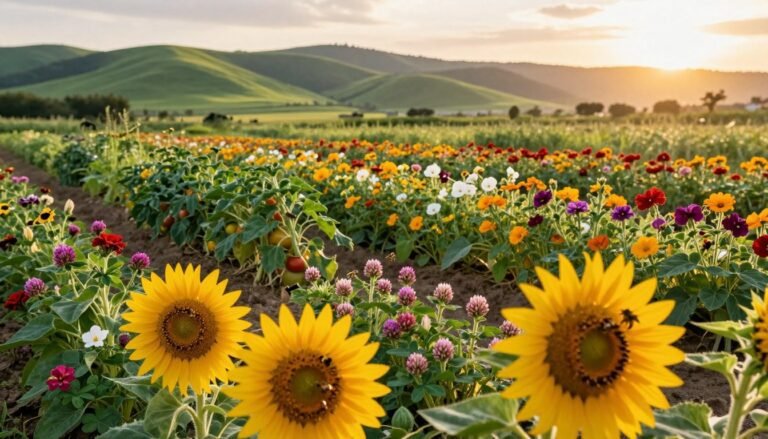
Discover the best crops for small-scale pollination income and maximize your earnings with our expert listicle guide. Learn more now.
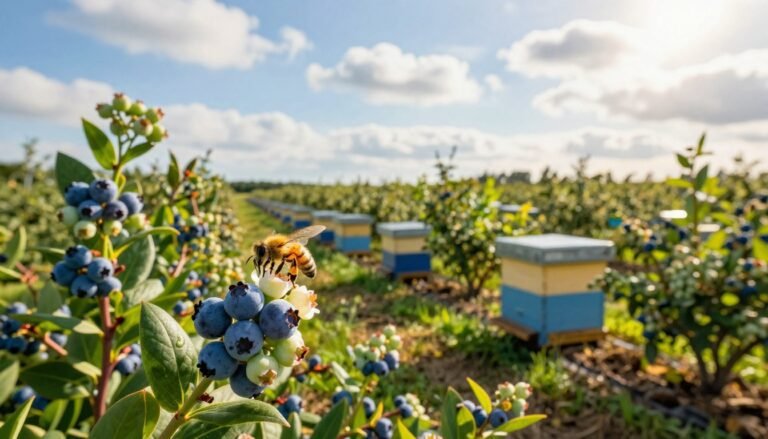
Improve blueberry yields with a well-planned blueberry pollination hive placement strategy. Follow our step-by-step guide to enhance pollination and boost your harvest.
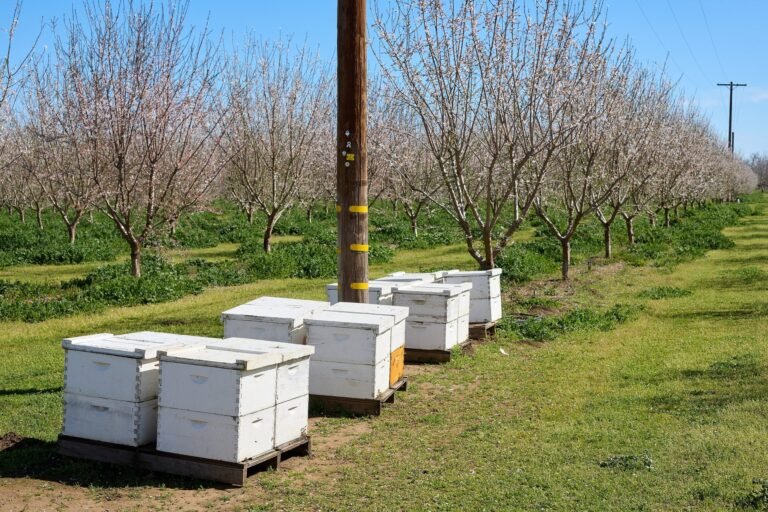
Double-deep or single-brood hives for pollination? Compare capacity, frames of bees, contract grades, weight and cost to pick the right setup for each crop.
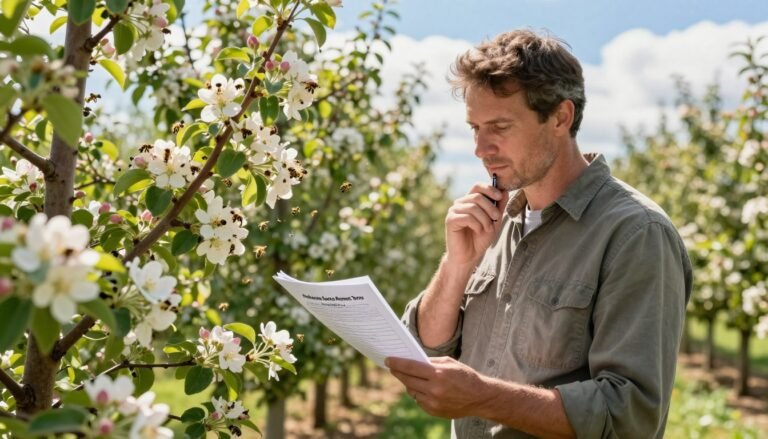
Pollination fees are usually paid in installments: signing, delivery and after bloom. How growers should set deposits, due dates, strength holdbacks and extras.
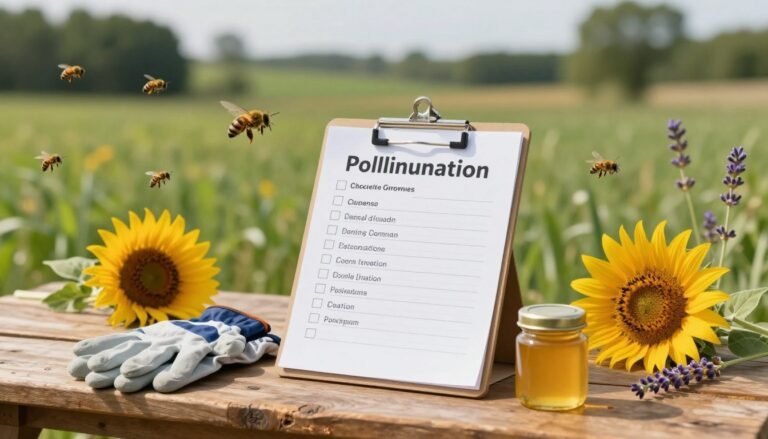
Improve pollination with our comprehensive beekeeper-grower communication checklist for pollination, ensuring a successful partnership.
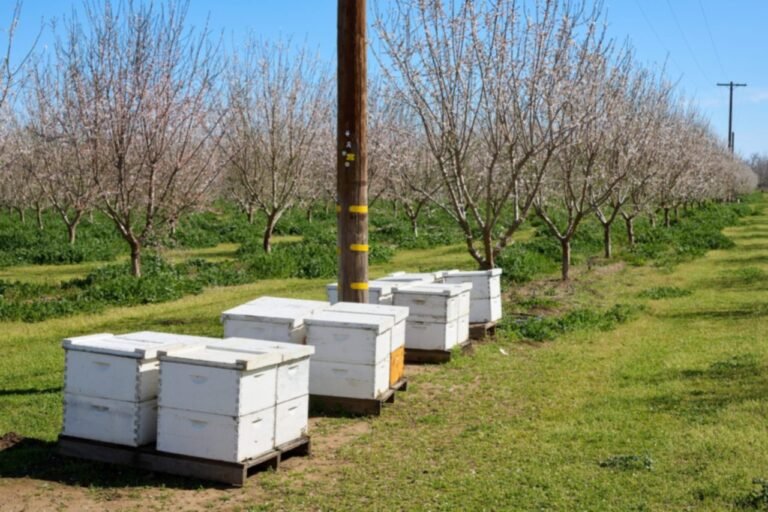
Price crop pollination per colony: build a floor from trucking, labor, forgone honey and risk, then check it against 2025 USDA regional rates. Worked example.
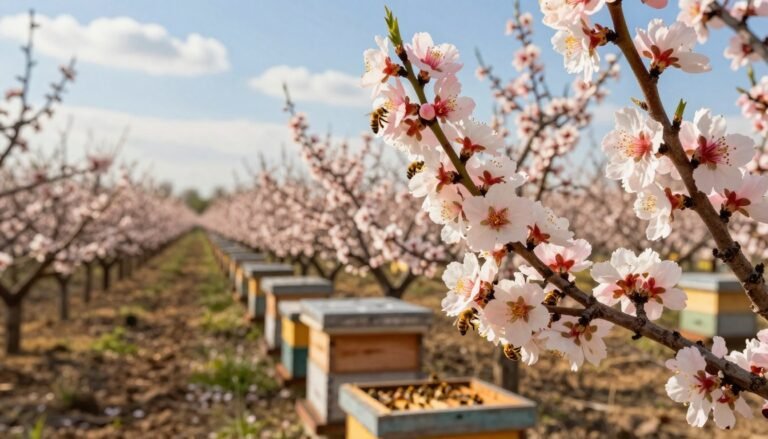
Almond hives are expected to average 8 frames of bees with a 5 or 6-frame minimum, at about 2 hives per acre. Sources, frames-per-acre math and how to check.
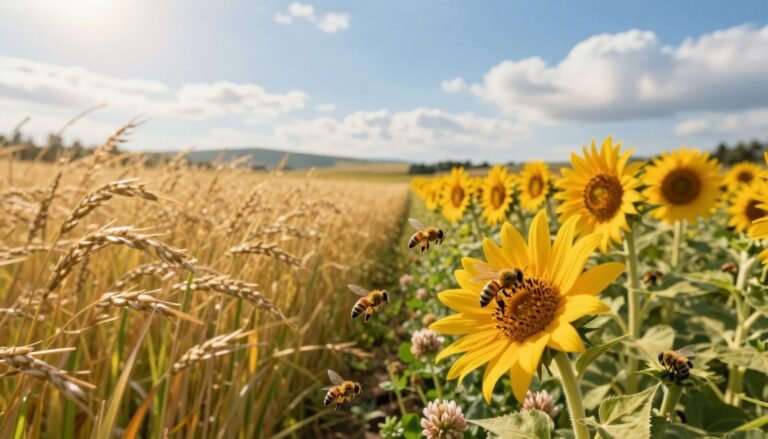
Get expert advice on how to prevent pesticide losses during pollination contracts. Improve your pollination success with our practical guide.
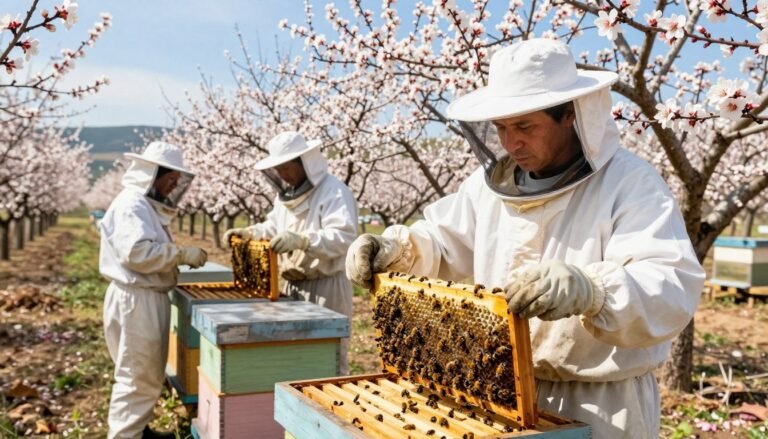
Learn effective queen management before almond pollination with our expert guide. Discover key considerations for a successful pollination season.