Published August 28, 2026
Table of Contents
- What the Dribble Method Is
- Same Acid, Different Delivery: Dribble vs. Vaporization
- Equipment You Actually Need
- Mixing the Solution: Ratios and Dosage
- Step-by-Step Application
- Why Repeat Treatments Are Riskier With Dribble
- Best Timing: Broodless Periods
- Safety Precautions
- Real-World Effectiveness: What the Research Shows
- Storage: Dry Powder vs. Mixed Solution
- Who Should Reach for the Dribble Method First
- Weather and Cluster Conditions on Treatment Day
- Common Mistakes
- Dribble vs. Vaporization: Which Should You Choose
What the Dribble Method Is
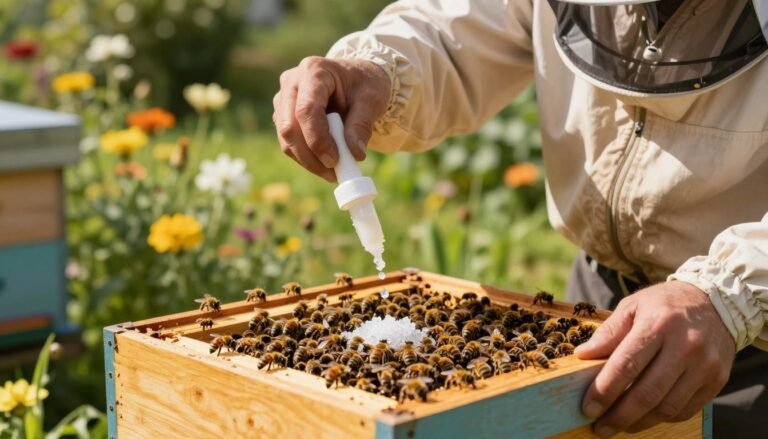
The oxalic acid dribble method — also called the trickle method — treats varroa mites by dissolving oxalic acid dihydrate into a sugar syrup solution and trickling a measured dose directly between the frames of each brood box using a syringe or dosing bottle, letting the syrup run down over the cluster of bees. It uses the exact same active ingredient as oxalic acid vaporization, but delivers it as a liquid the bees pick up through contact and grooming rather than as a sublimated vapor that settles onto every surface inside the hive. For beekeepers without a vaporizer, it’s the lowest-cost entry point into oxalic acid treatment — a syringe and a kitchen scale are the only specialized tools required.
Same Acid, Different Delivery: Dribble vs. Vaporization
Because both methods use oxalic acid, they share the vaporization method’s single biggest limitation: neither reaches mites sheltered under capped brood cells, so both are most effective during a broodless period rather than at random points in an active brood-rearing season. Where they diverge is in bee stress and repeatability. Vaporization, which delivers acid as a fine crystalline vapor rather than a liquid the bees have to absorb through contact, has been shown in field trials to be gentler on a colony when repeated every 5-7 days across a broodless window. The dribble method, delivered as a liquid the bees groom off each other and ingest incidentally, is generally regarded as harder on bees with repetition — which is the main reason most current guidance treats dribbling as a once-per-broodless-period application rather than a repeatable series the way vaporization can be.
Equipment You Actually Need
A dribble treatment needs oxalic acid dihydrate (food-grade, sold specifically for beekeeping use), granulated white sugar, water, a kitchen scale accurate to at least 1 gram, a syringe or a purpose-made dosing bottle with a narrow spout for controlled application, nitrile gloves, and eye protection. That’s the entire equipment list — no vaporizer, no battery or car adapter, no wand, and no respirator, since there’s no vapor cloud to avoid inhaling. This is the method’s clearest practical advantage: total equipment cost is typically a small fraction of a vaporizer setup, which matters for a beekeeper testing oxalic acid treatment for the first time or managing only one or two colonies.
Mixing the Solution: Ratios and Dosage
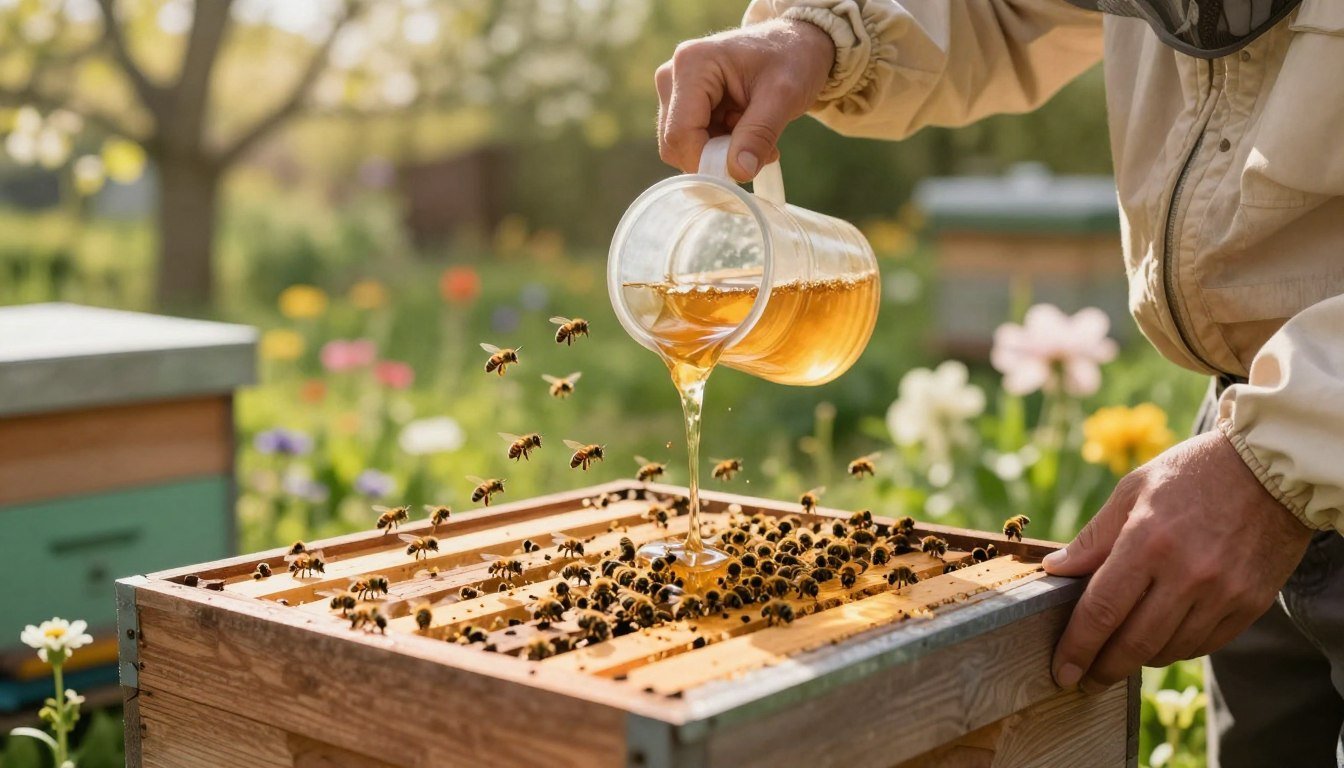
The standard mix is oxalic acid dihydrate dissolved into a 1:1 sugar syrup (equal parts sugar and water by weight), at a concentration of roughly 35 grams of oxalic acid dihydrate per liter of finished syrup — always confirm the current concentration against your specific product’s label, since formulations and regional label guidance can vary. Dissolve the sugar into warm water first, then stir in the oxalic acid dihydrate until it’s fully dissolved, since undissolved crystals will clog a syringe and produce an uneven, unreliable dose. Mix only what you’ll use that day; premixed oxalic acid syrup degrades over time and loses effectiveness, so treating a large number of colonies in a single session, then mixing a fresh batch, is standard practice rather than keeping a large reserve on hand.
Step-by-Step Application
Draw the mixed solution into your syringe or dosing bottle. Standard dosing is 5 ml of solution per occupied frame (frame “seam” where bees are clustered), applied directly onto the bees along the top bars, capped at a maximum of roughly 50 ml per colony regardless of how large the cluster is — going beyond this maximum does not meaningfully improve mite kill and increases the risk of harming the colony. Work quickly and calmly, since opening the hive during cold weather (the ideal broodless treatment window) chills the cluster if you linger. Trickle the dose in a thin, even line directly onto the bees rather than pooling it in one spot, and avoid drenching the bees so heavily that syrup runs down into the bottom board in significant quantity.
Why Repeat Treatments Are Riskier With Dribble
Because the dribble method requires bees to physically groom and ingest a liquid dose, repeated applications compound cumulative stress on the colony in a way vaporization’s dry, settling vapor does not. Most current beekeeping extension guidance and product labeling limit dribble treatments to once, or at most twice, per season with a substantial gap between applications, in contrast to vaporization’s typical 3-4 treatment series across a single broodless window. If you expect to need multiple treatments across a season — for example, both a fall broodless treatment and a subsequent one after a late brood break — vaporization is generally the better-suited method precisely because of this repeatability difference, which is one of the clearest deciding factors between the two delivery methods.
Best Timing: Broodless Periods
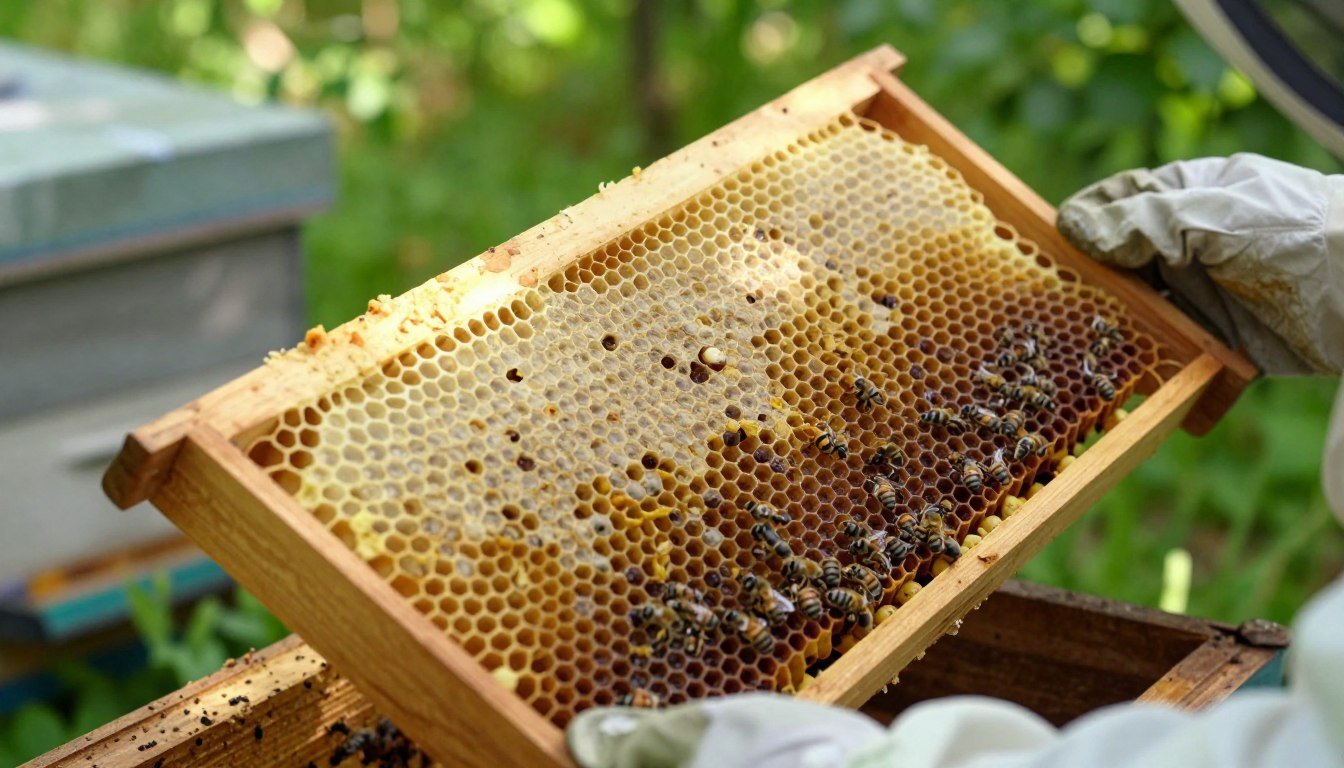
Timing follows the same underlying logic as vaporization: apply during a period when the colony has little to no capped brood, since that’s when oxalic acid’s mite-kill rate is highest and its single-treatment effectiveness is closest to what multi-treatment vaporization series achieve over time. Late fall or early winter, after a hard frost has stopped the queen laying and existing brood has emerged, is the classic window. A newly installed package or a swarm capture with no comb yet drawn is a good secondary opportunity, since there’s no brood to shelter mites regardless of season.
Safety Precautions
Oxalic acid dihydrate is corrosive in concentrated form and the mixed syrup solution is acidic enough to irritate skin and eyes on contact, so wear nitrile gloves and eye protection while mixing and applying it, and avoid splashing. Keep the dry powder and mixed solution away from children and pets, and store the dry oxalic acid dihydrate in its original labeled container, never transferred to an unlabeled food or drink container. Unlike vaporization, there’s no vapor cloud to avoid inhaling, so a respirator isn’t required for the dribble method specifically — but the corrosive-liquid precautions still apply and shouldn’t be skipped just because the inhalation risk is absent.
Real-World Effectiveness: What the Research Shows
Published field trials on a single, correctly timed dribble treatment during a genuine broodless period commonly report mite-kill rates in the 90-95% range against the phoretic mite population present at treatment time — comparable to a single vaporization pass, since both methods share the same fundamental limitation of not reaching mites under brood cappings. The practical gap between the two methods shows up less in single-treatment efficacy and more in how each performs across a full season: a colony that goes broodless for an extended stretch and receives one well-timed dribble treatment can see mite loads controlled effectively for months, while a colony where brood rearing resumes earlier than expected may need a second intervention that dribble’s stricter repeat-treatment limits make harder to justify than a follow-up vaporization pass would be.
Storage: Dry Powder vs. Mixed Solution
Store unopened oxalic acid dihydrate powder in its original sealed, labeled container in a cool, dry place, where it remains stable and effective for extended periods — years, in most cases, since the dry crystalline form doesn’t degrade the way a mixed solution does. Once dissolved into sugar syrup, however, the clock starts running: mixed oxalic acid syrup should be used the same day it’s prepared, not stored for a future treatment session, since the acid’s effectiveness against mites declines measurably within days of mixing. This is the practical reason experienced beekeepers mix exactly what they need for a given treatment day’s colony count rather than preparing a larger batch to use gradually.
Who Should Reach for the Dribble Method First
The dribble method makes the most sense for a beekeeper managing one to a handful of colonies who wants to test oxalic acid treatment without committing to a vaporizer purchase, or for anyone treating a small number of hives once a year during a reliable broodless window. It’s also a reasonable fallback if a vaporizer breaks down or its power source fails right when a broodless treatment window is closing, since the equipment list is short enough to assemble on short notice from a local farm-supply or beekeeping-supply store. A commercial operation running dozens of colonies, or anyone who anticipates needing more than one treatment pass across a season, will generally find vaporization’s repeatability worth its higher upfront equipment cost.
Weather and Cluster Conditions on Treatment Day
Choose a treatment day when temperatures are cold enough for the bees to be clustered tightly, since a tight cluster means the dribbled solution reaches a higher concentration of bees per application and minimizes how far individual bees have to travel to be dosed. Avoid treating during a warm spell within an otherwise cold broodless window, since a loosely clustered or actively flying colony spreads the dose less efficiently and increases the chance the queen or a meaningful share of workers miss contact with the solution entirely.
Common Mistakes
The most common dribble-method mistake is exceeding the 50 ml per colony maximum in an attempt to “treat more thoroughly,” which increases colony stress without improving mite kill meaningfully. A close second is treating too many times in a season, carrying over habits from vaporization’s more repeatable schedule without adjusting for dribble’s higher cumulative-stress profile. Applying the solution too far from the cluster, so bees never actually contact it, wastes the treatment entirely — the dose has to land directly on bees, not just inside the hive generally. Finally, mixing a batch and letting it sit for days before use noticeably reduces effectiveness; mix fresh, use promptly.
Dribble vs. Vaporization: Which Should You Choose
| Factor | Dribble (Trickle) | Vaporization |
|---|---|---|
| Equipment cost | Low — syringe and scale | Higher — vaporizer unit and power source |
| Capped brood penetration | No | No |
| Repeatable in one season | Once, rarely twice | 3-4 times across broodless window |
| Respiratory PPE needed | No | Yes |
| Application time per hive | Faster per hive | Slightly slower per hive |
| Best for | Small apiaries, one-time treatment, low startup cost | Larger apiaries treating repeatedly across a season |
Neither method reaches capped brood, so both share vaporization’s core limitation; the choice mostly comes down to how many colonies you’re treating and whether a single broodless-period application is enough for your mite pressure, or whether you need the multi-treatment flexibility that vaporization or a longer-duration product like Apivar or HopGuard provides. A beekeeper with one or two hives and a tight budget often starts with dribble; someone managing a dozen or more colonies across a full season typically finds a vaporizer’s higher upfront cost pays for itself in repeatability and lower per-treatment bee stress.
Sources
Dosing concentration, per-frame volume, and maximum per-colony dose reflect published beekeeping extension guidance and current oxalic-acid-dihydrate product labeling for the dribble/trickle method.
FAQ
Is the dribble method as effective as vaporization?
A single, correctly timed dribble treatment during a broodless period achieves a comparable single-treatment kill rate to vaporization, but because vaporization can be safely repeated several times across a broodless window, a full vaporization series often achieves a higher cumulative mite reduction over that window than one dribble application.
Can I use the dribble method with honey supers on?
No — like vaporization, it’s intended for use when honey supers are off, typically in late fall or early winter during a broodless period, not during an active honey flow.
What happens if I exceed the 50 ml maximum dose?
Exceeding the labeled maximum increases the risk of harming bees and the queen without meaningfully improving mite kill — the 50 ml cap exists because kill-rate gains flatten out well before that volume while colony stress continues to rise.
Do I need a respirator for the dribble method?
No — unlike vaporization, there’s no vapor cloud to inhale, though standard corrosive-liquid precautions (gloves, eye protection) still apply when mixing and applying the solution.
Can I mix a bigger batch and save the rest for later in the week?
No — mixed oxalic acid syrup should be used the same day it’s prepared, since its effectiveness against mites declines measurably within days, so mix only the volume you need for that day’s treatments.