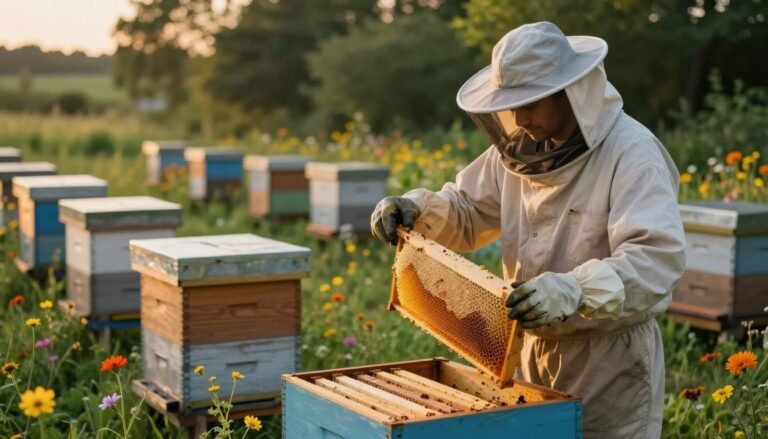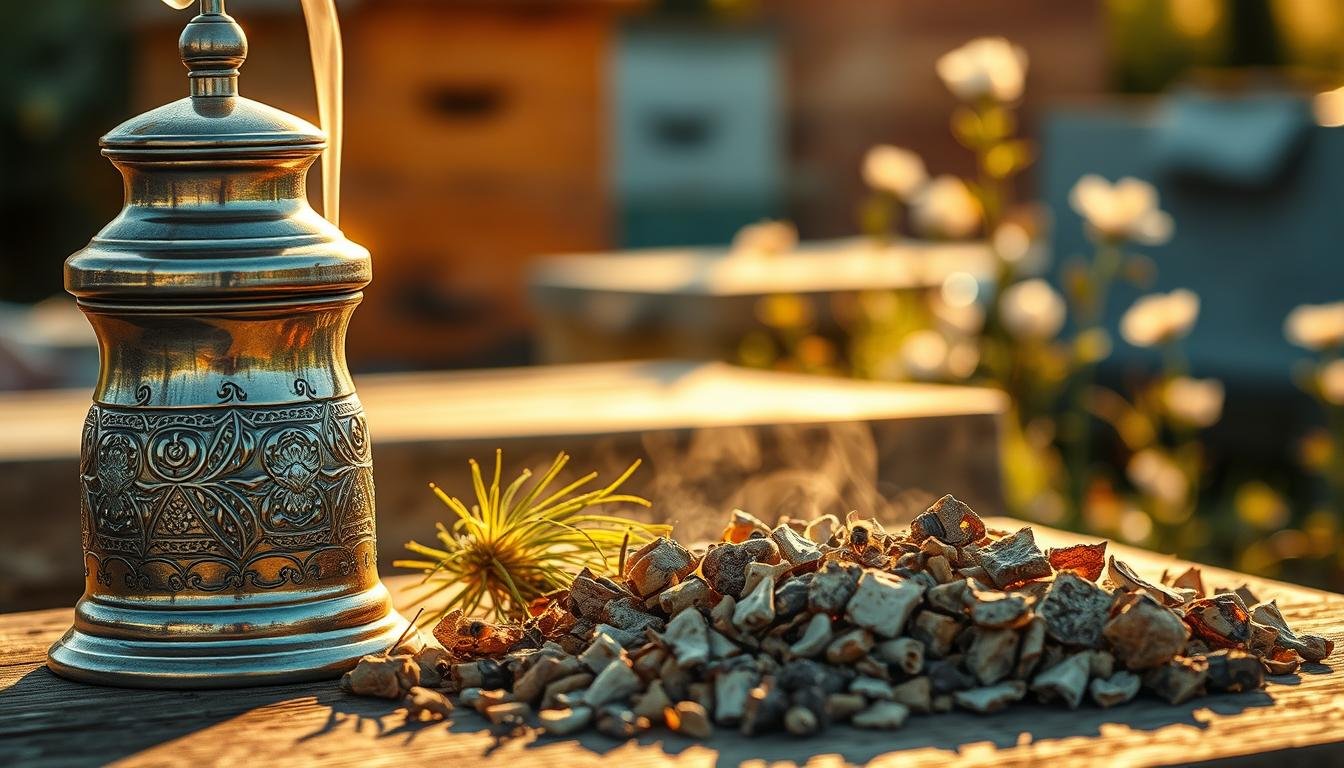
A reliable approach to calming a hive starts with the right materials. A bee smoker is a simple tool that uses cool, thick smoke to calm bees while you inspect the hive.
The smoke triggers a survival response. Bees think there may be a fire and begin to eat honey. This makes them quieter and easier to handle during routine care.
Choosing an appropriate fuel affects how fast your smoke appears and how long it lasts. Dry, steady-burning options give consistent smoke without overheating the colony.
Good practice also means keeping a mix of quick-start and long-burning supplies on hand. Practical tips and real-world options can be found at smoker fuel guidance and in community resources like Beekeepers Realm.
Key Takeaways
- Smoke calms bees by triggering honey consumption and reduced aggression.
- Cool, thick smoke is safer and more effective during inspections.
- Carry both quick-start and long-burning materials for dependability.
- Dry, well-prepared supplies light easily and maintain steady smoke.
- Choosing proper materials protects both the colony and the beekeeper.
The Importance of Proper Smoker Fuel
What you put in the bellows affects smoke quality and hive safety. Professional beekeepers know that the tool itself is only as useful as the material inside it. Clean-burning options like wood pellets, cotton fiber, and burlap are sold by supply companies and often perform reliably.
A poor choice can harm bees and ruin an inspection. Avoid synthetic items, plants toxic to insects, and lighter fluids such as gasoline or kerosene. These introduce residues and odors that stress the colony.
Reliable fuel should light easily, burn slowly, and produce steady, cool smoke. That steady output keeps bees calmer and helps inspections go smoothly.
Practical note: many modern smokers are built to work with specific materials, so match what you buy to your device. For product options, see a concise guide to usable packs at smoker fuel guide.
“Clean-burning fuel is necessary to keep the smoker running longer and to keep the bees calm.”
For an overview of suitable tools and accessories, check recommendations on choosing equipment at Beekeepers Realm.
Evaluating the Best Smoker Fuel for Beekeeping
Choosing the right packing material changes how long gentle smoke holds during an inspection.
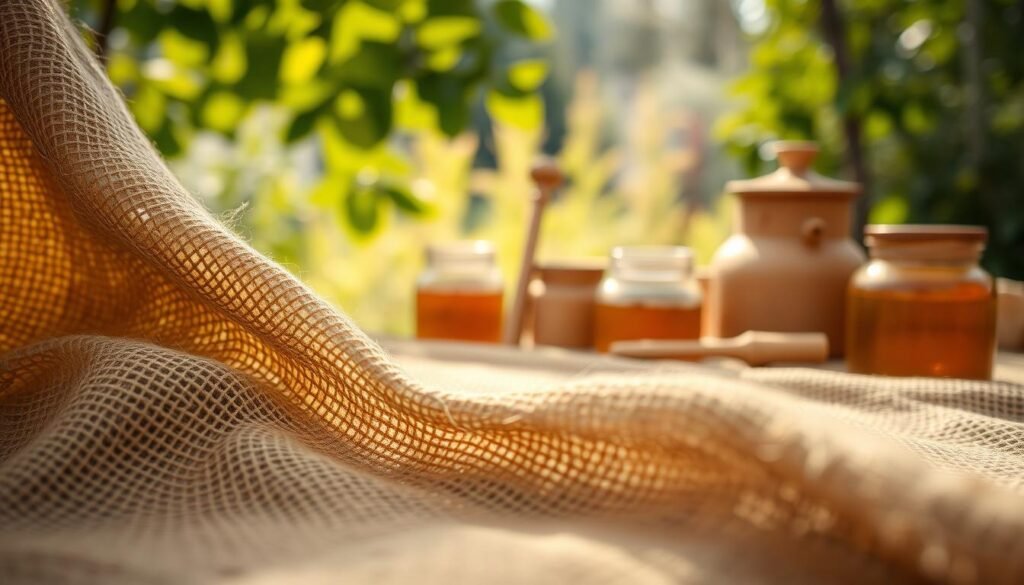
Burlap and Its Benefits
Burlap lights easily and gives a cool, steady smoke that calms bees without harsh odors. The Bee Supply recommends burlap as a top choice because it rarely needs starter material.
Practical tip: use natural, plastic-free burlap to avoid toxic residues. Many beekeepers find burlap reliable over short and long hive checks.
The Drawbacks of Wood Pellets
Wood pellets are compressed wood that can work well when mixed with pine straw, according to Foxhound Bee Company.
Packed too tightly, pellets may smother the fire or turn to sawdust. They often need a torch to light and a sensible layer order: hot material at the base, pellets above.
| Material | Ignition | Smoke Type | Notes |
|---|---|---|---|
| Burlap | Easy | Cool, steady | No starter needed; avoid plastic fibers |
| Wood pellets | Harder (torch) | Dense, can fade | Add pine straw; avoid tight packing |
| Pine straw (add) | Easy | Light, stabilizes | Helps keep pellets from falling out |
For lighting and layering methods, see a practical guide on lighting a smoker and a review of best smoker fuels.
Natural and Beneficial Fuel Alternatives
Natural materials offer gentle, aromatic smoke that can calm a colony while adding potential health benefits. Simple blends of resinous bits and dried herbs burn steadily and give a mild scent that bees accept.
Oily and Resinous Materials
Pine resin, wood chips with sap, and small pine knots burn slowly and emit a warm, oily smoke. These materials tend to hold embers and extend burn time.
Herby and Sweet Additives
Dried lavender, eucalyptus, sage, rosemary, and mint add pleasant aromatics. Modern Farmer notes their mild antibacterial properties and calming scent.
Preparing Your Own Packets
Make packets ahead of inspections: dry herbs and citrus peels, fold them into brown paper envelopes, and tie with cotton thread.
| Ingredient | Ignition | Benefits |
|---|---|---|
| Pine needles | Easy | Long burn, pleasant scent |
| Dried citrus peels | Easy | Sweet aroma, steady smoke |
| Herb blends (sage, lavender) | Moderate | Calming scent, possible antiseptic effect |
| Resin pieces | Slow | Extends burn time, rich smoke |
These natural products work well when mixed with fast-lighting tinder like brown paper or dried leaves to get the smoker started quickly. For a deeper look at options and handling, see an ultimate guide to smoker fuel options and methods to keep bees calm without smoke.
Tips for Lighting and Maintaining Your Smoker
Keep a steady ember bed and clear airflow to get consistent, cool smoke during inspections. A practical start makes the rest of the job easier and safer.
Lighting strategy: use a torch to get a strong fire at the bottom before adding the main pack. If embers are solid, the top material will smolder instead of going out.
Preventing Residue Buildup
Choose a stainless steel unit with a welded lid and robust bellows spring to improve airflow and reduce wear. Thicker steel holds up and resists warping over time.
Simple habits that help:
- Puff 10 to 15 strong breaths every few minutes to keep a thick, cool smoke.
- Ensure all material is 100% dry; wet pine straw will not stay lit.
- When done, dump remaining pack into a fire-safe container to avoid sticky residue inside the steel chamber.
- Leave the lid open to cool; this prevents long-term buildup and makes cleaning easier.
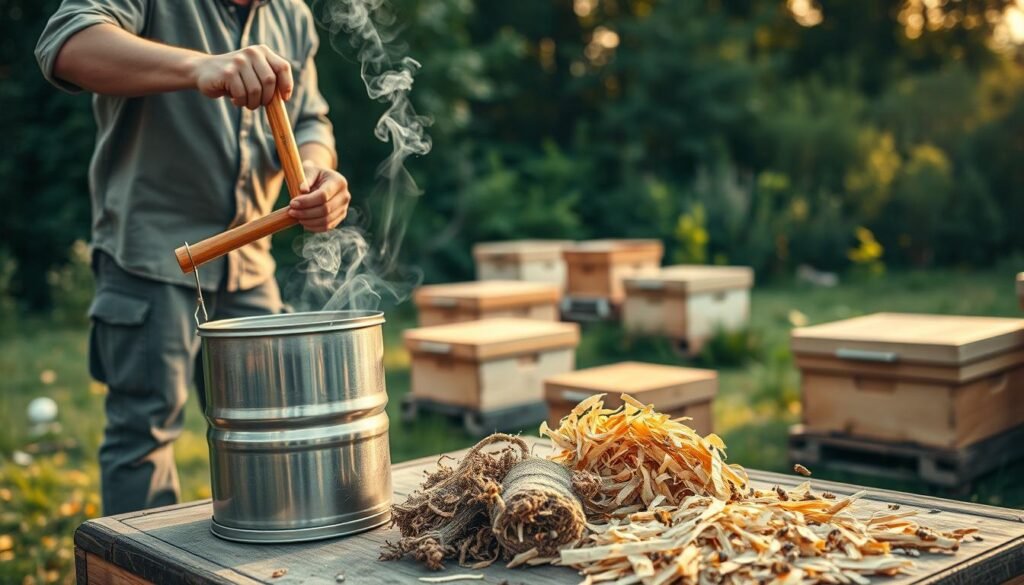
For step-by-step lighting and layering tips, see a practical guide to lighting a smoker.
Conclusion
A reliable ember bed makes inspections shorter and less stressful for both you and the bees.
Choose natural packing or quality commercial packs to produce cool, steady smoke that calms a hive. Proper material and simple lighting habits reduce restarts and preserve equipment life.
Maintain airflow, keep embers stable, and clean the chamber after use to avoid residue and lingering odors that can alarm a colony. Always fully extinguish remaining embers before storage.
Prioritize safety: avoid synthetics and treated items, wear protective gear, and use smoke sparingly to lower sting risk. Learn practical fuel options at smoker fuel guide and read safety benefits at beekeeping benefits.
With the right materials and technique, you can master this tool and make inspections kinder, faster, and more predictable.
FAQ
What type of material lights quickly and produces cool, steady smoke?
Burlap and loosely packed pine needles ignite easily and burn slowly, producing cool, white smoke that calms bees. Use natural, untreated burlap or clean straw to avoid chemicals. Keep fiber packs loose so air flows and maintains a steady smolder.
Are wood pellets a good option in a bee smoker?
Wood pellets can work but often produce hotter, denser smoke and more residue than natural fibers. Softwood pellets like untreated pine may work better than hardwood blends, yet pellets typically need a dedicated pellet tray or careful packing to avoid flare-ups and ash buildup.
Which oily or resinous materials are safe to add for longer burn time?
Small amounts of dried pine cones, cedar shavings, or resin-rich burlap enhance burn time and produce mild aromatics that won’t overstress colonies when used sparingly. Avoid treated woods, driftwood, or anything with paint or chemical residue to prevent toxins reaching the hive.
Can herbs or sweet additives help calm bees without harming them?
Yes. Dried herbs like lavender, lemon balm, or mint give pleasant, low-intensity smoke and may slightly soothe bees. Use fully dried, pesticide-free herbs and mix them with a base of burlap or straw to achieve a consistent smolder rather than a sharp, hot flame.
How do I prepare homemade fuel packets for consistent smoking?
Layer shredded burlap or straw with small amounts of dried herbs and a few resinous pieces, then fold into loose packets or wire mesh pouches. Pack loosely to allow airflow; tightly packed material chokes and creates hot embers. Store packets dry to ensure reliable lighting.
What are quick tips for lighting and keeping a steady smoke?
Start with a small, hot tinder bundle to establish ember, then add fiber layers gradually. Avoid large flames; you want smoldering white smoke. Tap the smoker bellows gently and manage fuel additions in small amounts to maintain even smoke for the duration of an inspection.
How do I prevent residue and creosote buildup inside the smoker?
Burn dry, clean materials and avoid oily waste or pressure-treated wood. Empty ash after each use and brush the interior with a wire brush periodically. Using burlap or straw produces less sticky residue than heavy resinous materials, reducing cleaning frequency.
Is pine acceptable as a smoking material despite its resin content?
Dried pine needles and small, well-seasoned pine shavings are acceptable in moderation. They produce quick, cool smoke but can leave stickier residue if overused. Mix pine with burlap or straw to moderate resin output and reduce creosote formation.
How long should a fuel packet burn during a typical hive inspection?
A properly prepared packet usually provides 15–30 minutes of smoldering smoke, depending on size and materials. For longer sessions, have additional prepared packets on hand and add them in small amounts to sustain a calm, controlled smoke level without producing heat.
Where can I buy reliable smoking materials and accessories?
Agricultural supply stores, specialty beekeeping retailers such as Mann Lake or Brushy Mountain, and reputable online marketplaces carry burlap, straw, untreated wood shavings, and smoker accessories. Choose untreated, pesticide-free materials and durable steel smokers to ensure safe, long-term use.