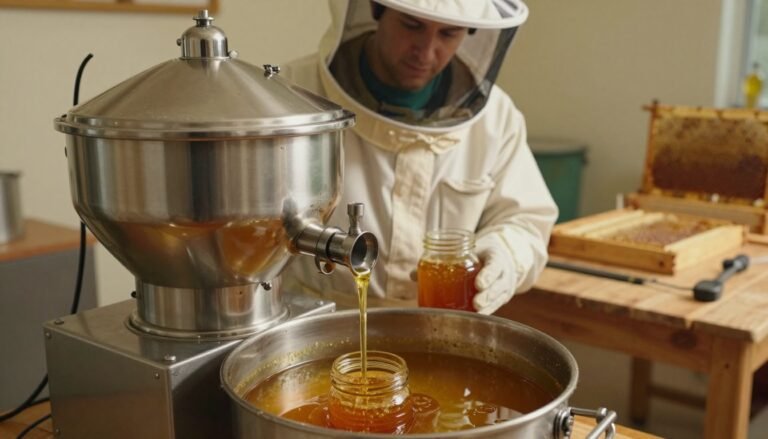
Efficient filtering matters for any beekeeper aiming for clean jars and consistent quality. A good stainless steel honey gate and paired strainers cut debris from the extractor and bucket early, keeping wax, bee parts, and plastic fragments out of your final product.
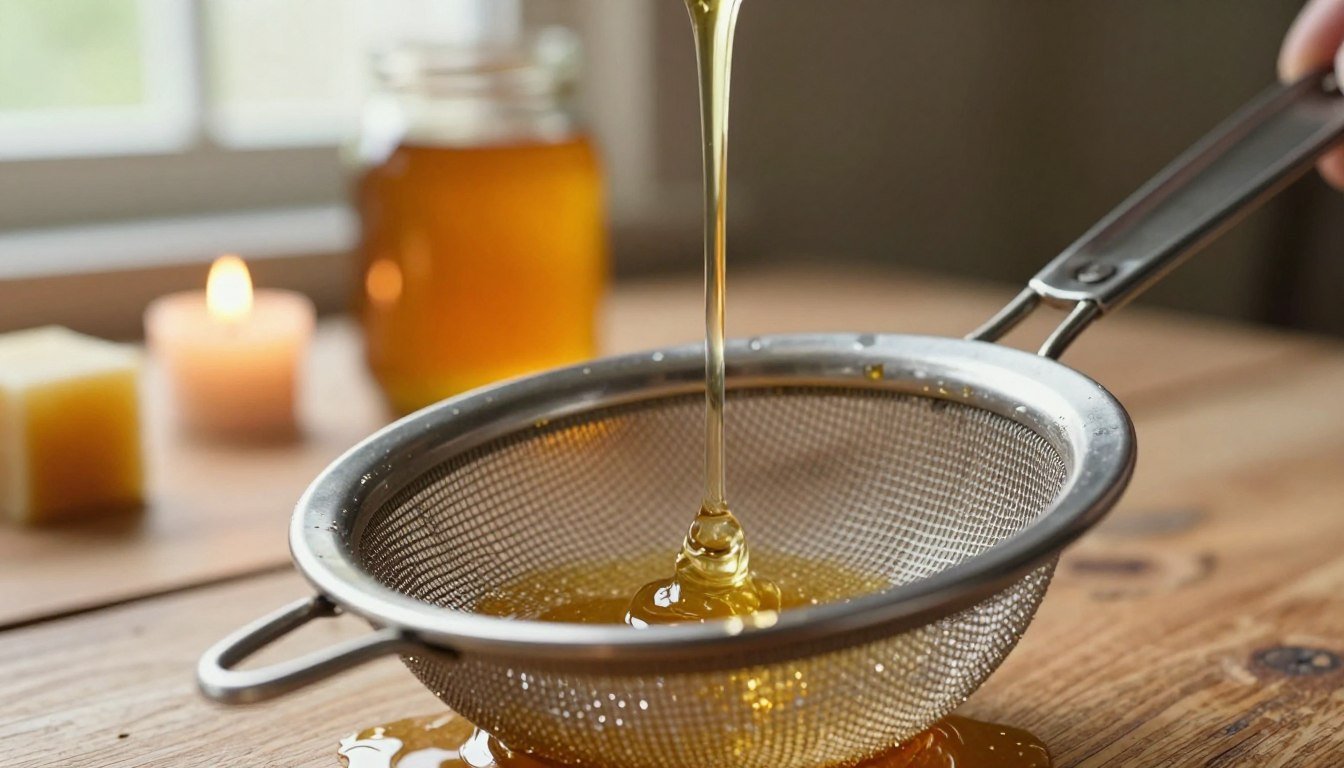
Start with a coarse screen to trap large particles, then pass through a fine mesh for a polished result. Letting the product rest for a couple days helps floating bits collect at the top before opening the gate.
Durability matters: stainless steel systems resist corrosion and tolerate hot water sanitizing, so equipment lasts through many harvests. For setup tips and a practical bucket method, check this bucket guide bucket extracting method.
For sieve choices, micron guidelines balance clarity and pollen retention. Compare options and recommended products at this review of top strainers best honey strainer for raw honey.
Key Takeaways
- Stainless steel gear gives lasting cleanliness and easy sanitation.
- Use coarse then fine mesh for fast processing and clear jars.
- Allow settling for a couple days to remove surface debris before draining.
- Proper gate placement on a bucket controls flow during bottling.
- Maintain strainers regularly to preserve honey quality and flavor.
Understanding the Role of Honey Strainers
A good filter clears stray bits from freshly emptied frames before they reach the collection tank.
The core function
The Core Function
The primary job is simple: separate liquid from debris after extraction. A mesh catches wax cappings, propolis clumps, bee parts, and small plastic fragments that leave the comb.
Uncapping with a hot knife sheds more flakes, so placing a sieve over the tank keeps them out of the final product.
Impact on final quality
Impact on Final Quality
Clear jars sell better. Removing suspended particles improves visual appeal and preserves flavor by limiting trapped solids that can ferment or cloud the product.
Stainless steel setups work best for professional beekeeping. They last, clean easily, and fit securely over the extractor or tank to avoid spills.
| Issue | Filtered By | Benefit |
|---|---|---|
| Wax cappings from frames | Coarse mesh | Fewer flakes in jars |
| Small bee parts | Fine sieve | Improved honey quality |
| Plastic bits and debris | Stainless steel filter | Sanitary, durable equipment |
When to Use a Honey Gate Strainer
A bottom-mounted valve becomes essential during bottling, offering steady, mess-free pouring from the collection bucket.
Use this setup once extraction is complete and jars are ready. The valve lets you fill containers without lifting heavy buckets. Pairing a strainer above the valve catches any last flakes of wax or bee debris before the flow begins.
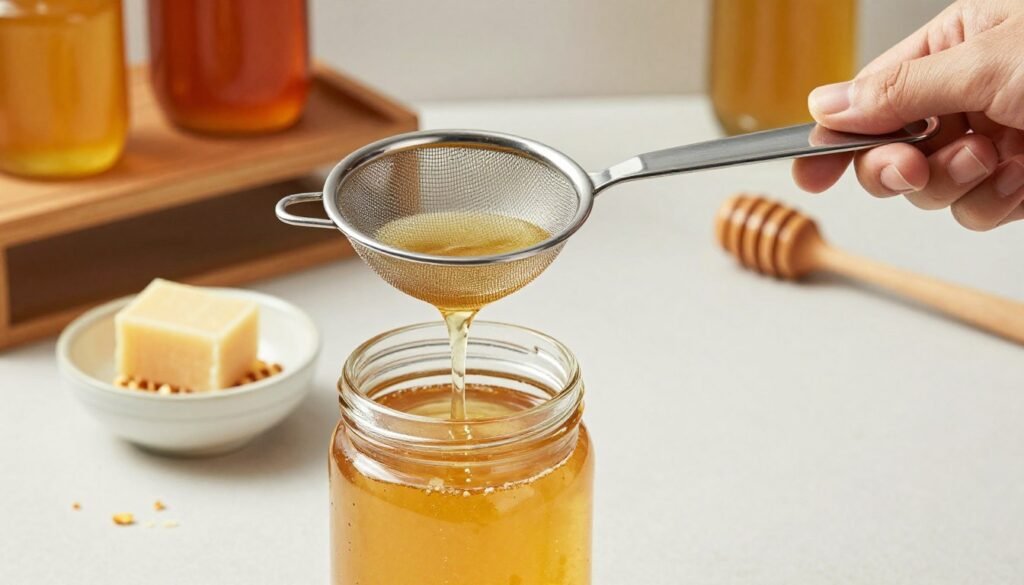
Professionals in beekeeping prefer stainless steel valves and screens. Steel resists stickiness and cleans easily. Position the valve at the top of the bottom bucket in stacked systems so gravity feeds filtered liquid through the mesh.
- Check seals and run a short test flow for leaks.
- Remove wax and visible impurities before opening the valve fully.
- Keep spare fittings and a cleaning brush handy for quick maintenance.
| Trigger | Recommended Setup | Mesh Suggestion | Benefit |
|---|---|---|---|
| Ready to bottle | Bucket with valve and top-mounted sieve | Coarse then fine | Clean fill, less waste |
| After extraction | Stainless steel valve and screen | Fine mesh for clarity | Improved jar appeal |
| Stacked bucket system | Valve on top of bottom bucket | Gravity-fed coarse screen | Simplified flow control |
| Quality control check | Leak test before bottling | — | Prevents lost harvest |
For gate replacements and upgrades, see this guide on choosing the best replacement for bottling buckets: best honey gate replacement for bottling.
Distinguishing Between Extraction and Straining
An extractor and a sieve serve different roles: the extractor frees liquid from the comb by centrifugal force, while straining refines that liquid for jars.
Uncapping with a knife removes wax cappings from frames before they enter the extractor. This step speeds extraction and protects equipment from large flakes.
The extraction stage focuses on yield. Extractors are heavy-duty equipment made for high-volume processing in the hive or workshop. They handle many frames quickly and boost overall output.
Straining follows extraction. A mesh or sieve removes wax, bee parts, and small debris. Quality-focused beekeeping separates these tasks so final jars are clear and stable.
- Extraction: spin frames, capture most liquid.
- Straining: pass collected product through mesh for clarity.
- Material: stainless steel gear cleans easily and stays food-grade.
For practical cleaning and sanitation between batches, see this capping scraper sanitation guide.
Selecting the Right Mesh Size for Your Harvest
Micron counts matter: each filter level changes what stays in the jar and what passes through. Pick mesh that matches your target product and market.
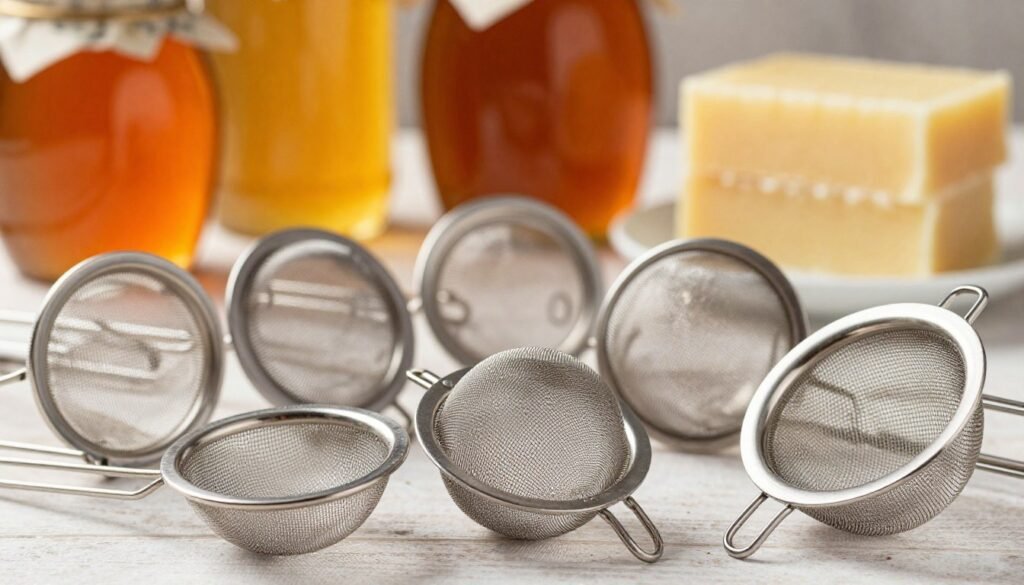
Coarse Straining Benefits
Start coarse to remove large wax pieces and comb debris while preserving pollen and flavor. A 600 or 400 micron layer traps heavy particles and most plastic or wood bits.
Fine Mesh Precision
Finish with 200 or 400 micron filters when clarity is your priority. Fine mesh filters yield glass-like jars prized by retailers, but they can strip pollen and some beneficial compounds.
“A multi-layer system gives control: coarse first, fine last for the balance between clarity and raw nutrition.”
| Micron | Captured | Result |
|---|---|---|
| 600 | Large wax, comb flakes | Retains pollen; faster flow |
| 400 | Small wax bits, debris | Clearer jars; good compromise |
| 200 | Fine particles, most pollen | Crystal-clear product; reduced pollen |
For deeper guidance on mesh selection and harvest planning, see this resource on strainer mesh size.
Preparing Your Equipment for Filtration
Clean, well-organized gear cuts processing time and protects product quality during filtration.
Sanitize the collection bucket and any mesh before you start. Five-gallon buckets are common in DIY extraction rigs and accept a valve for simple dispensing.
Inspect each stainless steel part. Check the extractor for balance and clear any residue from the tank and fittings. Small faults mean lost jars.
- Install the valve and leak-test with water so flow is predictable at bottling.
- Confirm the lid is trimmed so the mesh sits secure over the bucket without gaps.
- Match the strainer size to your bucket to avoid bypass of debris during filtration.
Routine inspection helps. Look for wear, dents, or corrosion on screens and seals. Organize tools near the station to limit open-air exposure and speed the run.
For step-by-step maintenance guidance, read how to maintain filtering equipment before your next harvest.
Techniques for Straining Honey Effectively
By stacking coarse and fine meshes over the collection bucket, gravity will do the heavy lifting for clean, market-ready jars.
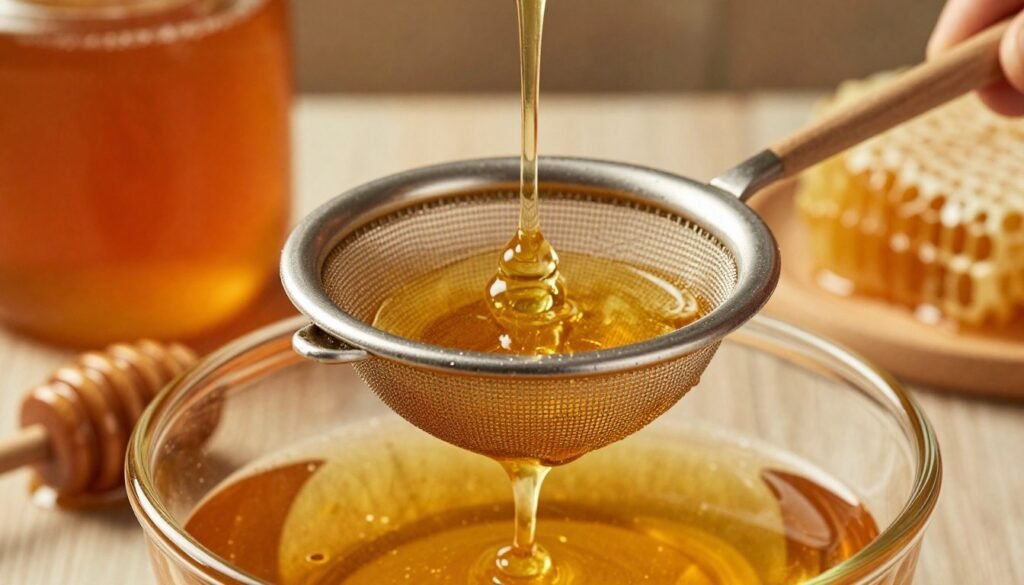
Gravity-Fed Systems
Gravity-fed setups let syrup flow from the extractor into a tank placed under the mesh. The steady pace reduces clogging and keeps jars clear.
Place the sieve on top of the collection tank or bucket so liquid runs directly through each layer. Warm the product slightly so flow stays steady and screens do not block.
- Multi-layer filtration: coarse first, fine last for balance between clarity and retained pollen.
- Stainless steel equipment lasts and cleans easily; many pros fit a stainless steel honey gate for controlled bottling.
- Monitor the tank level to prevent overflow and add a finer mesh if debris reaches the jar.
For small producers, learn about choosing the right bottling tank in this guide on best bottling tank for small producers. For filtration technique tips, see best way to strain.
Managing Impurities Without Over-Filtering
Allow the harvested liquid to rest so particles float up and clean syrup can be drawn off below.
Let the batch settle for a couple days. Surface wax, propolis, and light debris will collect at the top. Skim that layer and then draw from the bottom through a stainless steel valve for the cleanest product.
Balance matters. A coarse strainer removes large wax and plastic bits while preserving pollen and flavor. Over-aggressive filtering strips natural compounds that buyers value in raw, high-quality products.
For hobbyists, a single layer of mesh often suffices. That approach removes big particles without over-processing the product. Design your tank so settling is easy and the drain sits above sediment.
- Skim first: remove floaters after settling.
- Bottom draw: open the valve slowly to avoid sucking up debris.
- Material choice: confirm equipment is food-grade steel to avoid plastic contamination.
For practical guidance on whether to filter honey after extraction and methods that preserve quality, read the FAQ on filtering after extraction. When preparing jars for sale, follow best practices on packaging and labeling.
| Goal | Recommended Setup | Outcome |
|---|---|---|
| Remove large wax and comb flakes | Coarse mesh or single-layer sieve | Fast flow; pollen retained |
| Produce clear jars without over-processing | Settle for a couple days, skim surface, bottom draw | Clear product; preserved flavor |
| Prevent plastic or metal contamination | Food-grade stainless steel equipment | Sanitary, durable handling |
| Hobby-scale simplicity | Single layer mesh over bucket | Easy setup; minimal nutrient loss |
The Impact of Temperature on Honey Flow
Gentle heat is the single most effective way to keep liquid moving steadily through filters.
Temperature controls viscosity. Warmer product slips through mesh far faster than cold, thick batches. This saves time and reduces clogging during bottling.
Never exceed 40C. Higher heat damages natural enzymes and lowers quality. Keep warming slow and even so flavor stays intact.
Stainless steel equipment spreads heat uniformly. That prevents hot spots that can scorch delicate compounds. Many operations run warming cabinets to hold an ideal setpoint during large runs.
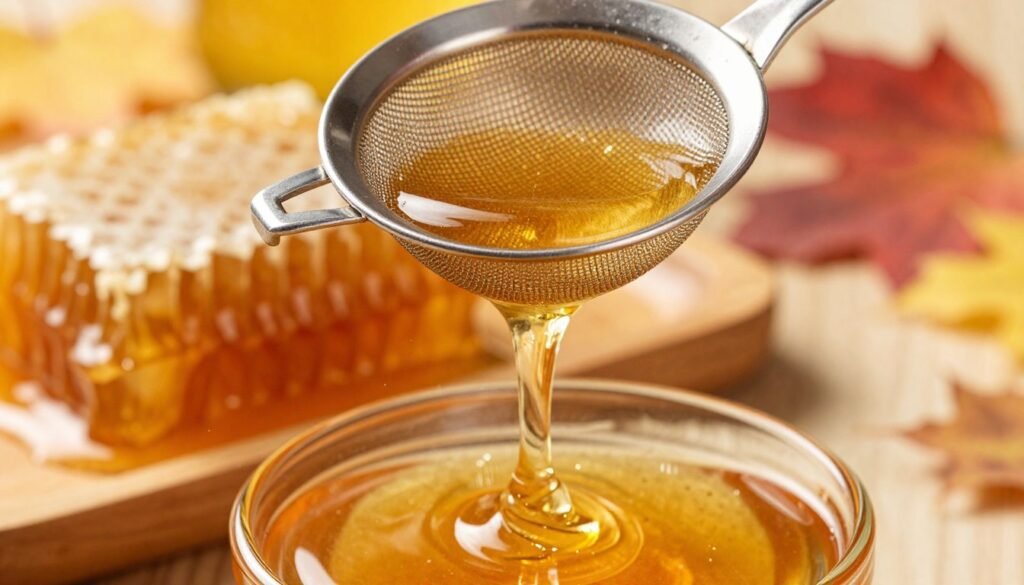
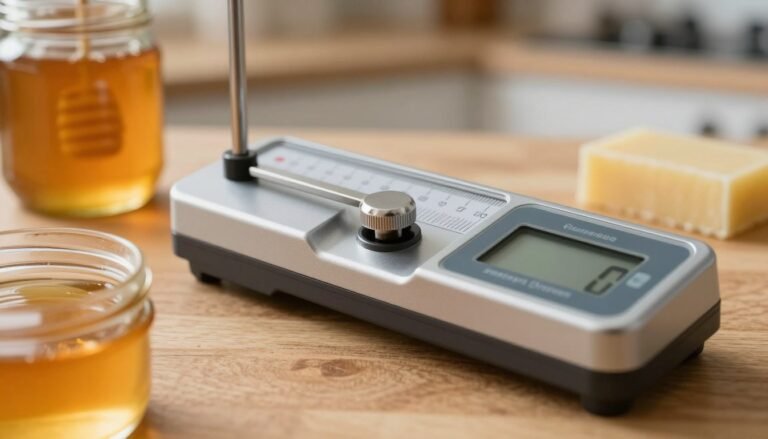
Maintain a steady flow for efficient filtering. If a batch feels too stiff, apply gentle heat and monitor with a thermometer. A consistent pour lets finer mesh produce clear, market-ready jars without over-processing.
- Rule: warm slowly, check temps often, stop at 40C.
- Benefit: smoother flow, fewer clogs, cleaner final product.
Maintaining Your Stainless Steel Equipment
Regular care keeps stainless gear working cleanly through every harvest.
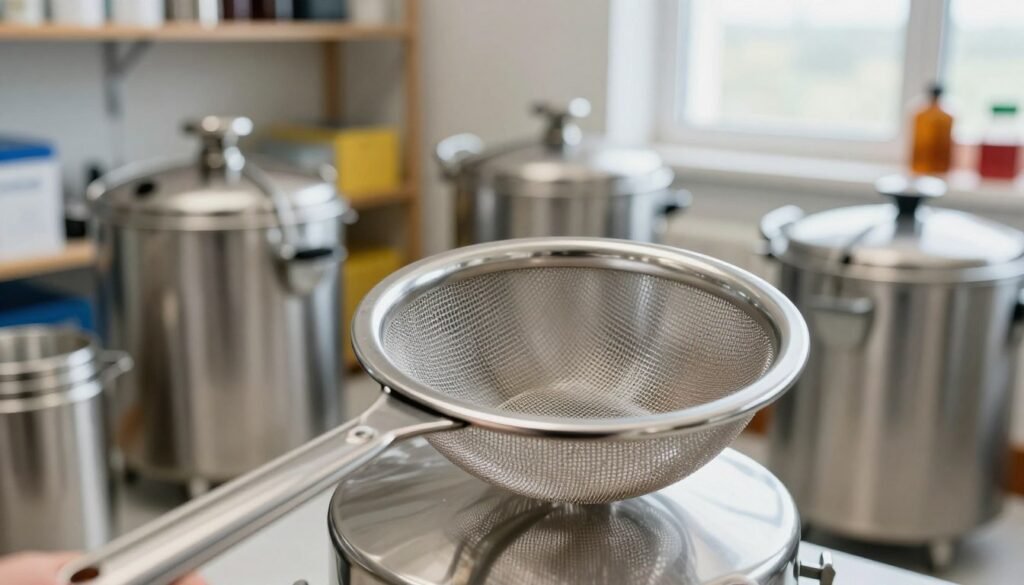
After each run, rinse strainers and tanks with warm water to remove any residual honey and sticky film. Let parts drain fully before storage so moisture does not trap dirt or invite pests.
Inspect seals and fittings on your steel honey valve and other connectors. Replace damaged gaskets and tighten loose fittings to prevent leaks during bottling.
- Clean gently: follow manufacturer instructions for scrubbing and sanitizing stainless steel parts.
- Store dry: keep gear in a clean, ventilated space to avoid surface discoloration or corrosion.
- Repair scratches: buff minor surface marks promptly so the finish stays smooth and easy to sanitize.
Routine maintenance prevents bacterial buildup and preserves flavor. A well-kept set of tools saves time and yields purer jars each season.
“Small, consistent steps in care make professional-grade stainless steel last through years of harvests.”
For step-by-step cleaning tips and blade care, see this guide on choosing extraction equipment and best practices for an uncapping knife at cleaning an uncapping knife.
Troubleshooting Common Straining Issues
Small blockages and cloudy jars are usually fixable with patient, methodical checks. Crystallization and excess wax are the top culprits. Follow a few simple steps before calling it a mechanical failure.

Handling Crystallization
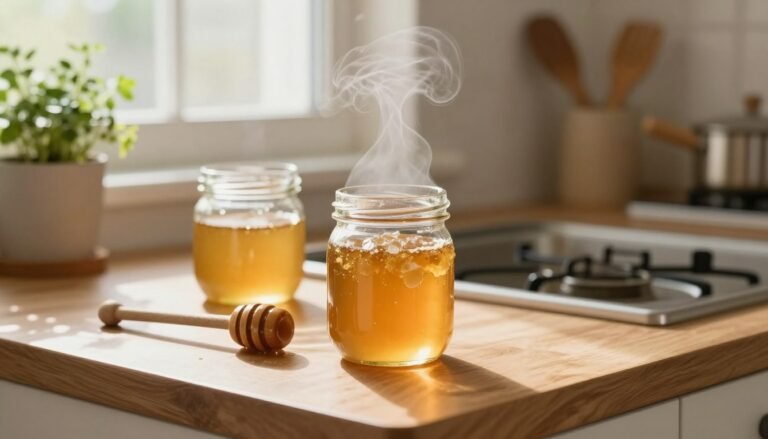
Gently warm thick jars to 40C. This melts crystals so liquid can pass through mesh and fine filters without damage to flavor.
- If the extractor underperforms, confirm frames were uncapped cleanly with a sharp uncapping knife before spinning.
- Clogged mesh? Stack a coarse strainer first, then a fine layer for clarity and steady flow.
- Find bee parts in a jar: check that the sieve sits squarely on top of the bucket so no bypass occurs.
- If flow stalls, inspect the honey gate and seals for stuck debris or plastic fragments in the bucket or tank.
- Let stiff product rest for a couple days so particles float up, then skim before drawing off the bottom.
| Problem | Likely Cause | Quick Fix |
|---|---|---|
| Clogged mesh | Crystals or excess wax | Warm to 40C; switch coarse then fine |
| Cloudy jars | Pollen or plastic bits | Double-layer filtering; inspect extractor parts |
| Poor flow | Obstructed gate or bad seal | Clean valve; reseat seals |
“A calm, stepwise check saves most runs: heat gently, confirm uncapping, then filter in layers.”
If issues persist, inspect equipment for wood or plastic fragments and review your harvest guide at harvest guide. Proper troubleshooting preserves quality and keeps jars market-ready.
Conclusion
A well-set valve and layered mesh transform a messy run into neat, market-ready jars.
Mastering valve placement, coarse versus fine filtration, and gentle temperature control raises overall quality. Small changes at the tank level yield clearer product and fewer rejects.
Keep stainless steel components clean and inspected. Replace worn gaskets quickly and store gear dry for long life and reliable performance.
Troubleshooting—warm thick jars slowly if crystallization slows flow. Clear blockages by switching from fine back to coarse mesh, then resume steady draining.
For a focused primer on valve function, read about the honey gate function. Follow these steps and you will bottle harvests with confidence.