Reviewed by Elena P. · How we review
Modern apiary managers can genuinely gain a real edge by learning more about the dark residue left behind after rendering old comb. This byproduct often contains trapped wax, pollen bits, and other debris. Handling that leftover material wisely reduces overall waste and adds genuine practical value during each seasonal harvest.
This guide outlines the actual chemical makeup of the residue, safe step-by-step processing methods, and several creative, practical uses worth knowing before you throw it away. You will find clear, practical advice on melting, filtering, and separating wax from water and debris. Practical tips include using pantyhose filtration, dedicated pots for melting, and safe reheating practices.
Whether hobbyist or pro, applying these methods improves hive efficiency and resource management. For a detailed how-to on rendering comb and handling leftovers, see rendering beeswax. Embrace these steps and make more of every frame during beekeeping cycles.
Key Takeaways
- Residue from comb holds recoverable wax and useful material.
- Simple filtration and low-heat melting yield pure beeswax.
- Use dedicated tools and avoid cooking cookware for safety.
- Processed leftovers can serve as starters or briquettes.
- Applying these methods boosts efficiency in beekeeping.
Table of Contents
- Understanding Slumgum: What It Is and How to Use It
- The Origins and Composition of Hive Residue
- Disease Safety: When Slumgum Should Not Be Reused
- Practical Applications for Your Apiary and Home
- Conclusion: Maximizing the Value of Your Byproducts
Understanding Slumgum: What It Is and How to Use It
After uncapping frames and melting the recovered wax, many beekeepers find a heavy, genuinely useful sludge hiding in the strainer afterward. This dark, dense byproduct reliably forms during honey harvest and any significant comb rendering session.
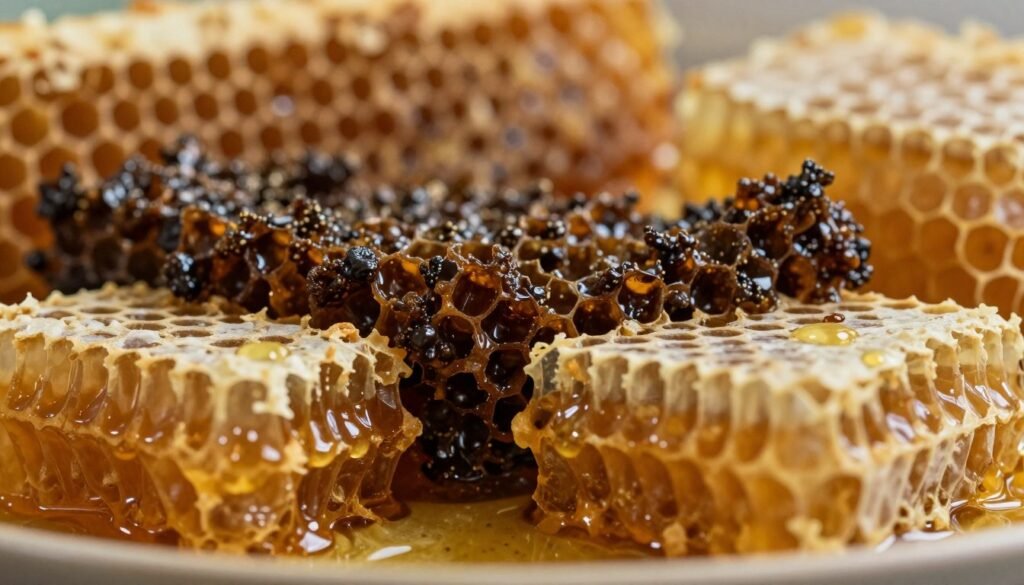
Composition: It contains larval cocoons, propolis, pollen bits, and other hive debris trapped during filtering. The mass keeps a faint hive scent and still holds flammable wax residues.
Larval cocoons specifically make up a large share of what makes slumgum so tough and dense compared to ordinary wax scraps — each cocoon is silk spun by a developing larva and reinforced with propolis by the colony, and that silk simply does not melt or break down at the temperatures used in normal wax rendering, which is exactly why it ends up concentrated in the leftover residue rather than the clean wax.
Practical value: Beekeepers often save this material as a fire starter for the smoker tool. It lights easily and helps calm bees during inspections. You can also mix small amounts into garden soil or layer it in old boxes to attract a swarm.
Handle the substance carefully with simple, dedicated tools like a fork, a dedicated pot, and a fine strainer during the uncapping and rendering process. Treating the residue as a genuine resource, rather than simply discarding it after every rendering session, reduces waste and adds useful, free supplies for home apiary work over time.
Watch a demonstration of processing slumgum after rendering
The Origins and Composition of Hive Residue
During the rendering process, melted wax separates from heavier solids. The pure wax rises and flows through a strainer while denser particles collect below. This step is central to reclaiming usable wax from old frames and comb, and it plays a real role in protecting overall hive supplies from unnecessary waste season after season.
The Rendering Process
Simple workflow: heat old comb gently, skim floating wax, then let the remaining mass settle. Use a fine strainer for clean honey and wax recovery. Because the residue sinks, sieves and a strainer make separation an easy use task.
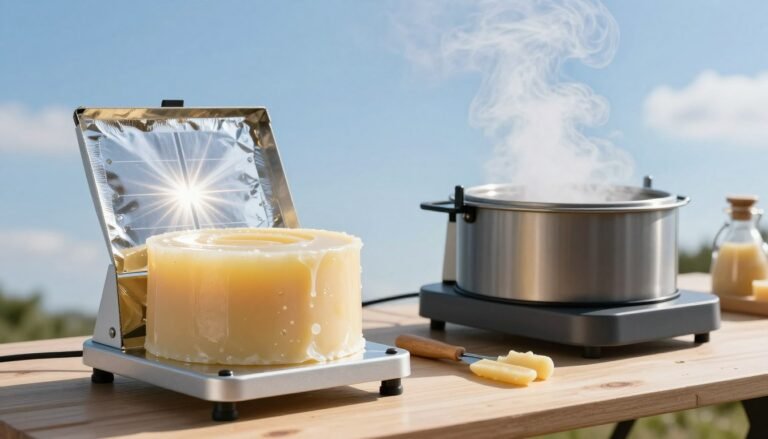
The method used to render comb genuinely affects how much usable wax ends up trapped in the resulting slumgum rather than recovered as clean wax. A gentle solar wax melter, which relies on sustained low heat over hours, typically leaves less wax behind in the residue than a quick stovetop melt, since slower, gentler heating gives trapped wax more time to fully separate and rise. See our comparisons of rendering cappings wax cleanly and natural beeswax purification methods for techniques that maximize wax recovery and minimize how much slumgum you’re left managing in the first place.
Physical Components
The byproduct contains larval cocoons, sticky propolis, pollen, mites, and fragments from brood frames. You may also find small bee parts and excrement left behind by developing larvae during their growth inside the cell.
- Heavier material collects at the bottom of the pot.
- Propolis binds particles, producing a tough, dark cake.
- Knowing this composition helps maintain equipment and improve wax quality.
Tip: Save this residue for smoker fuel or garden soil amendments, or learn more about practical handling at slumgum guide.
Disease Safety: When Slumgum Should Not Be Reused
Every use described in this guide — smoker fuel, swarm bait, garden amendment — assumes the source colony was healthy. That assumption matters more than it might seem: slumgum rendered from comb that came from a colony with American Foulbrood is exactly the kind of material that can harbor AFB spores, which are notoriously resistant to heat and can remain viable for decades. Reusing that material as swarm bait or working it into garden soil risks spreading a disease that can devastate an apiary, rather than simply reusing harmless waste.
If there is any uncertainty about a source colony’s disease history, the safest choice is to treat its slumgum as contaminated waste rather than a usable byproduct — burning it completely rather than composting or repurposing it. See our guide to legally disposing of infected brood comb for the specifics on safe disposal, and our comparison of American vs. European foulbrood if you are unsure what signs to look for in a colony before assuming its byproducts are safe to reuse. This caveat applies just as much to reusing old frames and comb generally — see our guide on reusing frames from a dead colony for the broader picture of when reuse is and isn’t safe.
Practical Applications for Your Apiary and Home
Leftover material from old comb can be an asset when managed properly. Below are three clear, low-effort ways to convert this byproduct into useful supplies for the hive and household.
Attracting Honey Bee Swarms
Aroma matters: Residue holds strong pheromones from propolis and old comb. Place small amounts inside bait boxes or swarm traps to signal scout honey bees that a site is established.
Scout bees evaluating a potential new home are specifically looking for cues that the site has hosted a healthy colony before, and old comb scent is one of the strongest of those cues, which is exactly why slumgum works so well as bait in the first place. For more on designing a trap that takes full advantage of this behavior, see our guide to ideal swarm trap box design, and for a comparison against synthetic pheromone lure products, see our complete guide to Swarm Commander and pheromone swarm lures.
Utilizing as a Firestarter
The mix contains beeswax traces and dry organic matter. This makes a reliable, slow-burning fire starter for wood stoves or campfires.
The same properties that make slumgum useful as household firestarter also make it a genuinely effective smoker fuel, since it burns cool and produces a steady, gentle smoke rather than a harsh, acrid one — a meaningful difference when the smoke is being directed at bees during an inspection.
Soil Enrichment and Gardening
When added sparingly to garden soil, the organic bits break down and release nutrients. Use near flower beds that support pollinators and plants that benefit from richer soil.
Because propolis is naturally resistant to breaking down quickly, larger chunks can take a surprisingly long time to fully decompose compared to typical compost material — crushing or chopping slumgum into smaller pieces before working it into soil speeds this process considerably and avoids leaving visible dark clumps sitting on the surface for months.
Watch a video walkthrough of practical slumgum uses
| Application | Benefit | Quick Tip |
|---|---|---|
| Swarm traps | Attracts scout bees with hive scent | Place inside bait hive for best results |
| Firestarter | Easy ignition, long burn | Dry thoroughly and store in cardboard boxes |
| Soil amendment | Adds organic matter and nutrients | Mix with compost and spread thinly |
See our broader guide to beekeeping benefits for how byproduct management like this fits into overall hive efficiency.
Conclusion: Maximizing the Value of Your Byproducts
Smart repurposing converts dark rendering residue into practical supplies for the hive. Small investments in processing yield usable material for smoker fuel, swarm bait, and garden amendment.
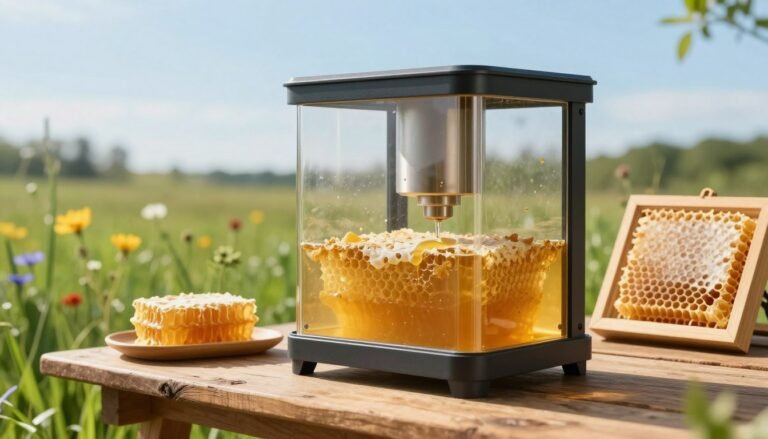
A range of dedicated rendering equipment, from simple solar wax melters to larger steam-based systems, can streamline this process and cut waste considerably compared to improvised stovetop methods. Producers, from home operators to commercial farms, gain real efficiency and better wax yield by adopting these more deliberate methods rather than treating slumgum as pure waste.
Follow safe cleanup steps with helpful bee rescue tips. Regular practice ensures frames, comb, and supplies remain productive across each harvest.
FAQ
Can leftover comb residue be saved after uncapping and extraction?
Yes. Collect sticky residues and crushed comb in a screened container after extraction. Let wax and honey separate naturally; strain out debris and dry the remaining material for later processing or use as a smoker fuel or fire starter.
How do I render residue into usable wax or fuel?
Break the material into small pieces and use a double boiler or slow cooker to melt wax gently. Pour the melted mixture through a fine strainer or cheesecloth to remove dirt, pollen, and bits of old frame wood. Collect the liquid wax and cool it in molds; the drier solids can serve as a long-burning starter in smokers or campfires.
Is residue safe to use around my garden and soil?
Yes, when properly processed. Crushed comb and residual pollen add organic matter and trace nutrients to soil. Bury small amounts or mix into compost to avoid attracting pests. Avoid large, untreated deposits near stored food or living areas.
Can the byproduct attract swarms or benefit swarm traps?
Absolutely. Dried residue retains hive scent and can lure honey bees into bait hives and swarm traps. Place a small amount in the trap’s interior or on a lure strip to increase chances of occupancy during swarm season.
What’s the best way to use residue in a hive smoker?
Use small, dry chunks for steady, cool smoke. Pack loosely in the smoker bellows chamber to allow airflow. This gives a slow, fragrant burn that calms bees without producing harsh, acrid smoke.
Are there commercial opportunities for collected hive residue?
Yes. Refined beeswax commands good prices from candle makers, cosmetic formulators, and artisans. Processed solids can be sold as eco-friendly kindling or boosted compost material to nurseries and garden centers.
How long can slumgum be stored before it needs to be used or discarded?
Properly dried slumgum stores well for months in a sealed, ventilated container, but it should still be checked periodically for wax moth activity, since it retains enough wax and organic material to attract them just as old comb does.
How should I store collected frames and residue between inspections?
Keep materials in a dry, ventilated space away from strong odors and pests. Use sealed plastic bins or metal containers for processed wax. Label boxes of old frames and comb clearly, and inspect regularly for wax moths or mold.
Do I need special tools to separate wax from debris?
No specialized equipment is required. A double boiler, slow cooker, fine mesh strainer, cheesecloth, and a collection tray suffice for small-scale processing. Commercial operations may invest in rendering kettles and centrifuges for efficiency.
Will using residue affect honey flavor or hive health?
When handled correctly, residue use does not harm honey flavor or colony health. Remove any rotted material and sanitize tools between hives to prevent disease transfer. Use smoke and bait practices responsibly to avoid undue stress on colonies.