Introducing new stock into an active colony demands precise timing. A queen cannot make a queen cell from an egg older than four days, so the window for safe introduction is tight. Proper timing protects brood and keeps frames productive.
Careful monitoring is vital when managing about 10 lbs of bees. Many keepers spend hours watching worker behavior during the first few days to ensure acceptance and avoid rejection.
Follow proven advice from experienced apiarists and the community. Read practical removal tips on removal timing and signs, and compare devices at best introduction cages.
Thanks to shared experience, you can set a clear schedule that helps workers accept a new ruler without undue stress.
Key Takeaways
- Timing is critical: eggs older than four days limit queen-related options.
- Watch worker behavior for the first few days and spend the necessary hours monitoring.
- Use trusted removal steps and cues before freeing the new queen.
- Proper timing protects brood and keeps frames filled with healthy bees.
- Lean on community advice and tested methods for confident introductions.
Understanding the Importance of Queen Introduction
Introducing a new leader to an active colony requires patience and careful timing. The process is delicate because workers must learn and accept unfamiliar pheromones before the ruler is free.
If workers feel hopelessly without leadership, they will begin raising their own replacement. Building queen cells is a clear sign the colony has not accepted the newcomer. Monitor frames closely for this behavior.
Watch the bees for several hours after placement. Observe worker interaction with the confined ruler and note any aggression or sustained neglect.
Many keepers offer practical advice on protecting the new queen until the colony is ready to accept her. Proper management of the cage during these critical days reduces stress and prevents fighting.
- Ensure acceptance within a few days for stable egg production and colony health.
- Follow tested steps from experienced sources like queen introduction and basic guides at beekeeping basics.
Preparing the Hive for a New Queen
Create a welcoming interior with drawn comb, brood, and subtle scents to steady worker behavior.
Removing competing cells is the first step. Inspect frames and cut out any started cells, including those from a week ago. This focus helps workers accept the incoming new queen.
Rubbing a bar of beeswax inside the box gives the space a lived-in smell. Gerald_Nickel recommends this simple trick to calm workers and make the colony settle.
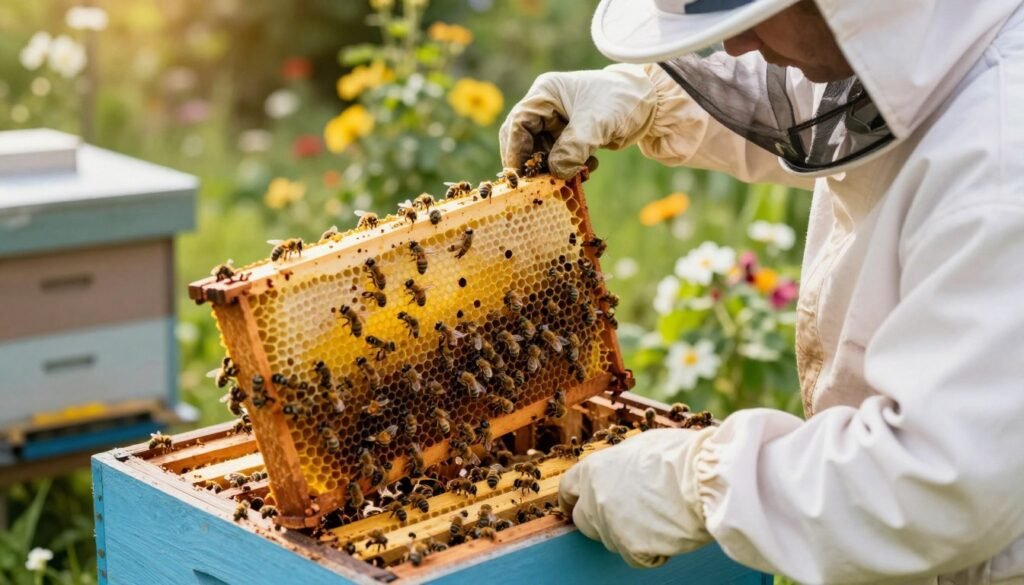
Creating a lived-in environment
Place one frame of brood with young larvae near the center. That frame often anchors swarms and helps get new stock to stay.
- Provide two frames of drawn comb for easy building.
- Use a small plastic baggie with holes and a drop of lemongrass oil for scent cues.
- Keep top bars tidy for quick checks during the following couple of weeks.
“A frame of healthy brood and the smell of wax can make the difference,”
Follow this advice and monitor the hive for hours after setup. Thanks to these methods, workers will have the resources they need to accept the newcomer and build steady brood.
Determining How Long to Leave a Queen Cage in a Hive
Timing the release of a new leader hinges on eggs, pheromones, and how calm the workers are. Assess frames for eggs younger than four days; once eggs pass that window the colony cannot build replacement cells around them.
Michael_Bush recommends that after three or four days you may as well release the queen, since the risk of the bees raising rivals increases when eggs age past that limit.
Many keepers leave the caged queen for a couple days so workers adjust to her scent. Use a plastic cage with candy when you want a slow release; workers eat through the candy and free the queen over time.
If workers act aggressive, add another 24 hours before attempting release. Check frames and brood daily for signs of queen cell construction. Tracking cage days prevents undue stress and helps the colony stabilize.
- Quick rule: 2–4 days is standard; extend if aggression persists.
- Practical step: Monitor eggs and worker behavior in the following hours and days.
- More detail: For setup tips, see our guide on beehive installation.
“Thanks to experienced advice, release timing becomes clearer and colonies settle faster.”
Signs of Successful Queen Acceptance
Daily observation reveals subtle cues that show the colony is welcoming its newcomer.
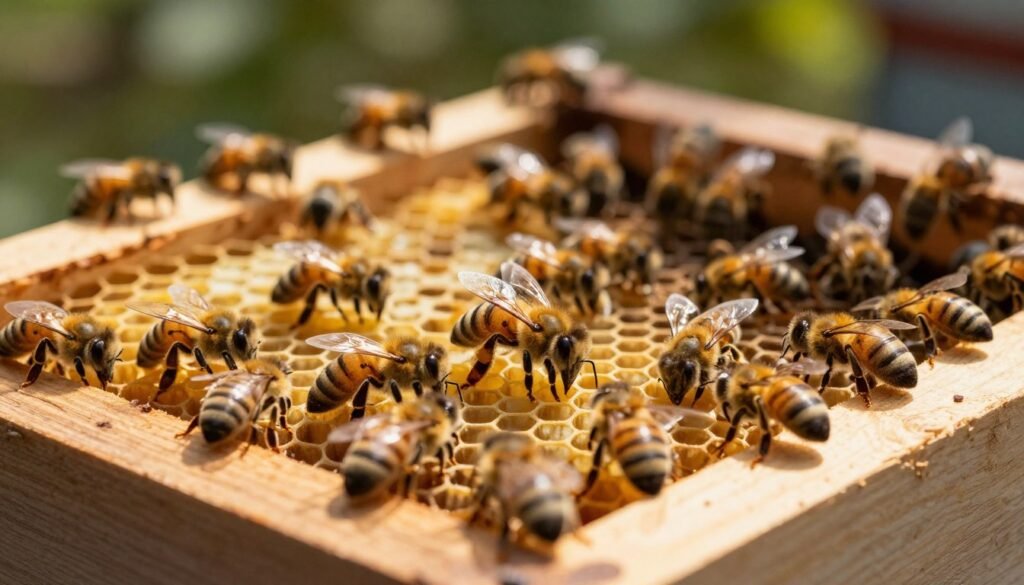
Watch worker interaction closely after the queen released into the hive. Grooming and calm indifference as she walks across frames are strong signs of acceptance.
Observing Worker Interaction
Spend a few hours during the first couple of days looking for steady grooming and quiet movement around the queen. If the bees inspect her gently and then ignore her, the colony likely accepts her presence.
If workers become aggressive or climb on her back, return the queen to the cage for another 24 hours. Repeat this if hostility continues.
| Indicator | What to look for | Action |
|---|---|---|
| Grooming | Workers clean and stroke the ruler | Check again in 24–48 hours |
| Ignored movement | Queen moves with no chasing | Allow more freedom; monitor for eggs |
| Aggression | Climbing on back or stinging | Return to cage; wait and reintroduce |
| First signs of laying | Fresh eggs visible after a week | Confirm and reduce checks |
- Many beekeepers find that candy in the cage helps the transition by letting the bees work through scent.
- Spend hours observing after the queen released into the hive for peace of mind and early detection of trouble.
- Thanks to community advice, you can spot these behaviors and protect the future of your hive.
“Grooming and calm movement are the clearest signals of a healthy worker-queen bond.”
Managing Swarm Colonies and Queen Release
When a captured swarm settles, targeted steps help stabilize the new community quickly.
Start by setting boundaries. Michael_Bush recommends fitting a queen excluder if you need to keep the queen from exiting the box while workers build comb and orient.
Using Queen Excluders
Place an excluder before adding extra frames. This limits wandering and gives the colony time to focus on brood production. Leave the barrier until the colony shows calm activity and steady laying.
Adding Brood Frames
JeffH advises adding one frame with young larvae right away. Workers will attend it and settle faster.
Feed light syrup and provide water using a plastic feeder when natural nectar is scarce. Two frames of drawn comb give immediate space for laying and reduce frantic comb-building on top bars.
- Release queen after a couple days once workers show calm grooming and foraging.
- Check frames and brood weekly if you caught the swarm a week ago.
- Monitor workers and comb growth over the next hours and days for signs of laying and cells.
“Thanks to expert advice, simple tools and timely feeding can anchor a new colony.”
For tips on identifying swarm behavior before capture, see our pre-swarm checklist.
Troubleshooting Aggressive Bee Behavior
When workers turn hostile, quick action protects both the ruler and the brood.

If you spot attacking behavior, return the confined queen to her cage for another 24 hours. This pause gives workers time to accept new pheromones and reduces risk of injury.
Many beekeepers report that bees may become aggressive when the colony is not truly queenless or when queens cells already exist. In that case, hold the queen and inspect frames for started cells.
| Problem | Signs | Immediate Action |
|---|---|---|
| Worker attacks | Climbing, stinging, persistent biting | Return queen to cage; wait 24 hours |
| Competing cells | Raised emergency cells on comb | Remove cells; keep queen confined longer |
| Slow acceptance | Ignoring queen; slow grooming | Use candy in cage; monitor for hours |
Monitor the hive for a few hours after each change. Early action often saves the colony and the new ruler. For detailed steps on requeening an aggressive colony, see requeen an aggressive colony.
“Protecting the queen in her cage is the best way to prevent injury while workers adjust.”
The Role of Supplemental Feeding During Introduction
A steady source of light syrup gives workers a task and reduces hostilities during introductions. Supplemental feeding keeps bees busy and mimics a nectar flow. That focus helps the new queen get accepted with less fighting.
Choosing the right feeder matters. Many prefer a plastic feeder for ease of cleaning and fast refills. AmariloNewBeek favors a large unit that holds nearly a gallon of syrup so the colony stays topped up for several days.
Check frames and top bars often. Make sure syrup is being stored and that comb work continues near brood. Provide water nearby when weather is hot.
- Use light syrup to simulate nectar and improve acceptance.
- Ensure the queen cage has candy so the caged queen remains secure while workers eat.
- Select a feeder sized to your box or nuc so you avoid frequent interruptions.
“Feeding right helps the colony focus on brood and the new ruler.”
For technical guidance on pairing feeding devices with a cage, see supplemental feeding device. Also review tips to inspect nucs before adding food so your method fits the colony’s needs. Thanks to these steps, workers stay calm and the release queen step goes smoother after a couple days.
Best Practices for Long-Term Colony Stability
Quiet weeks after release help workers focus on brood and comb building. Wait at least a week to 10 days before your first full check. This gives the new ruler time to settle and the workers time to accept her scent.
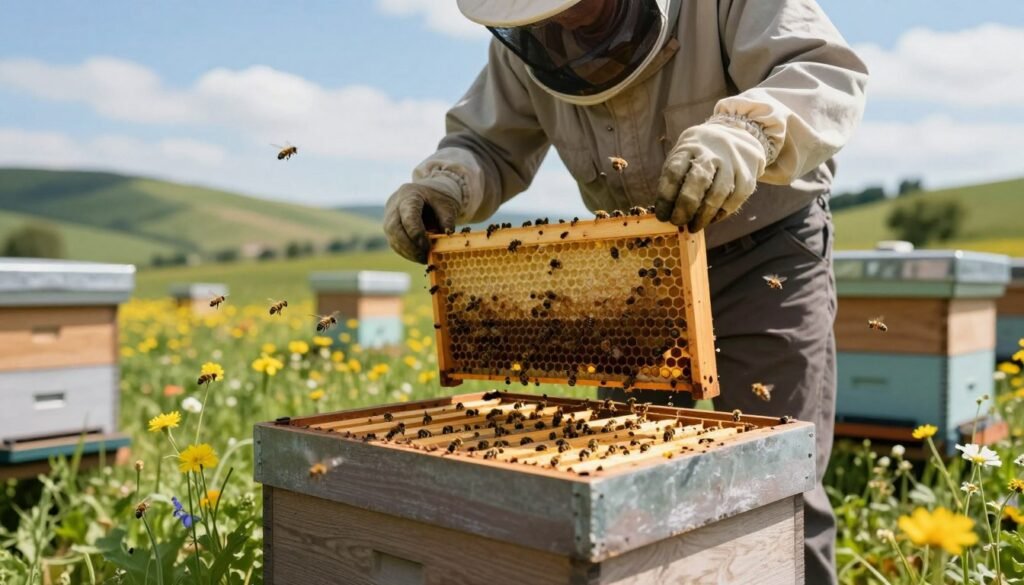
When you inspect, look for fresh eggs and steady brood. Check frames gently and confirm laying has begun. If you find new queen cells, act quickly but calmly.
Provide two frames of drawn comb and keep top bars tidy. Use a plastic feeder for syrup and water during the first couple weeks so workers stay busy building comb and feeding larvae.
“Consistent, low-impact checks and the right space let queens integrate and colonies thrive.”
Keep the colony in a good box or nuc and ensure empty cells are available for laying. Regular, non-intrusive inspections are the best way to monitor progress without causing stress. For more on preventing losses and promoting stability, see preventing swarming.
Conclusion
Good outcomes come from deliberate steps, steady monitoring, and respect for worker behavior.
Successful introductions hinge on timing and simple preparation. Wait the recommended days before your first full check so the new queen can settle and begin laying eggs. Give workers access to comb and at least one healthy frame of brood to anchor the colony.
Keep observations short and regular. Monitor the cage and watch for calm grooming, comb work, and steady brood growth. When the queen released, reduce intrusive checks for about a week to let laying establish.
Patience and steady care protect your bees and improve long-term stability. Follow these steps and you will support a healthier, productive hive.
FAQ
How soon should the introduced queen be released from her cage?
Aim for three to seven days before freeing the new queen. This window gives worker bees time to get used to her scent and reduces rejection risk. Check the cage daily and ensure the colony has adequate syrup or water nearby to stay calm during the transition.
What signs indicate the colony has accepted the newcomer?
Acceptance shows as calm worker interaction, feeding through the cage, and reduced biting at the candy plug. Within a week you may spot eggs and fresh brood from the new queen. Avoid immediate removal of the cage once these signs begin; wait another day or two to confirm.
Should existing queen cells be removed before introducing a new queen?
Yes. Remove all queen cells to prevent conflict and competing brood. Leaving cells intact can cause fighting, supersedure, or rejection of the introduced queen. Inspect frames carefully and retain only worker brood and comb that supports colony stability.
Is it better to use a candy-plugged plastic cage or a walk-away release?
Candy-plugged cages work well because they force gradual contact while guards eat through the plug. Plastic cages are common, but ensure proper ventilation and brood contact. Walk-away releases carry more risk unless the colony already shows strong acceptance behavior.
How does supplemental feeding affect acceptance?
Providing syrup or protein patties can calm foragers and encourage tending of the new queen. Feed lightly during introduction—too much syrup may trigger robbing. Maintain a steady water source to reduce stress and improve worker care for larvae and the queen.
When should brood frames be added to increase acceptance chances?
Add two frames of open brood and nurse bees when possible. This creates a familiar brood scent and increases worker investment in colony continuity. Place frames near the cage without overcrowding; brood presence often quickens acceptance and improves egg laying conditions.
How do you manage aggressive behavior during introduction?
Work gently and avoid crushing bees. Introduce the queen during cooler parts of the day and minimize hive disturbance. If aggression persists, remove the cage after reassessing colony conditions and consider waiting several days before retrying with another method or queen source.
Are queen excluders useful when releasing a new queen in a swarm-prone colony?
Queen excluders can keep the queen confined to brood chambers while workers move freely. Use them selectively; excluders may hinder worker movement and ventilation. For colonies prone to swarming, combine excluder use with added brood frames and adequate space to reduce swarming pressure.
How often should the cage be checked during the waiting period?
Inspect the cage after two to three days, then again near the planned release time. Look for signs of feeding, damaged candy plugs, or unusual aggression. Keep inspections quick to limit disturbance and always reseal the hive properly after each check.
What if the queen is released but workers attack her afterward?
If attacks occur, re-cage immediately and try a slower introduction or use a different cage type. Consider introducing through a nuc with nurse bees or switching to a queen with a known acceptance record. Monitor closely and provide supplemental feeding to lessen colony stress.
When can a beekeeper expect to see new eggs after introduction?
If acceptance is successful, eggs may appear within three to five days after release. Full laying patterns and steady brood buildup typically show by two to three weeks. Continue regular checks to ensure consistent laying and to spot any developing problems early.