Reviewed by Michael R. · Last Updated September 24, 2026 · How we review
Low-intervention beekeeping means disturbing your colonies less and adding fewer inputs, such as chemicals, feed, and frame shuffling, while still monitoring them closely enough to step in before a problem becomes a crisis. It’s not the same as hands-off or treatment-free beekeeping. The practices come mostly from Cornell biologist Thomas Seeley’s “Darwinian beekeeping”: locally adapted bees, widely spaced hives, smaller brood nests, an undisturbed nest layout, fewer inspections and natural stores. The line that responsible low-intervention beekeepers don’t cross is varroa. Mites are monitored, and a colony whose mite count is climbing gets treated, requeened with resistant stock, or removed before it collapses and spreads mites to every hive nearby. Seeley himself insists on this.
Key Takeaways
- Low-intervention is about fewer, better-timed interventions. Monitoring doesn’t stop.
- Evidence supports several core practices. Colonies in small hives that were allowed to swarm had lower mite levels and higher survival in a Cornell study. Opening a hive during a flow cut that day’s weight gain in an older experiment.
- Treatment-free is a separate, stricter choice. Seeley warns that without close mite monitoring, it selects for virulent mites, not resistant bees.
- Collapsing mite-infested colonies get robbed, and the robbers carry mites home. One neglected hive can undo a neighbor’s careful management.
- On the northern plains, low-intervention has to be adjusted for winter. Colonies need more bees and stores to survive, not less.
- You give up some honey and accept more swarms in exchange for less work inside the hive and a colony left more to its own devices.
Table of Contents
What Low-Intervention Means, and What It Doesn’t
A 2019 survey of US beekeepers by Robyn Underwood, Brenna Traver and Margarita López-Uribe, published in Insects, sorted beekeepers into three philosophies. “Natural” beekeepers aren’t willing to use any product the bees didn’t make. “Organic” beekeepers use only natural or organic products. “Conventional” beekeepers use synthetic products when they judge it necessary. The survey found each philosophy tended to go with a distinct cluster of practices. Natural beekeepers, for example, were more likely to use non-traditional equipment, feed honey, and not treat for varroa.
Low-intervention is best understood as a way of managing that can sit inside any of those philosophies. It’s about how often and how much you intervene, not about which products you allow:
| Low-intervention | Treatment-free | Conventional | |
|---|---|---|---|
| Inspections | Fewer, purposeful, timed to the season | Varies | Regular, often every 7–14 days in season |
| Varroa | Monitored; treated or culled when thresholds are crossed | Monitored (ideally); never treated | Monitored; treated on thresholds or calendar |
| Feeding | Honey first; syrup only when needed | Often honey only | Syrup and protein supplements routinely |
| Swarming | Tolerated or managed with splits | Often allowed | Actively prevented |
| Honey harvest | True surplus only | True surplus only | Maximized |
The Research Behind It
The clearest framework comes from Thomas Seeley’s essay Darwinian Beekeeping: An Evolutionary Approach to Apiculture, reprinted in Bees for Development Journal in March 2017. Seeley lists 20 ways managed colonies live differently from wild ones. They’re crowded rather than spaced out, housed in large hives rather than small cavities, frequently disturbed, and so on. He links several of these differences to disease and stress. Three findings do most of the work:
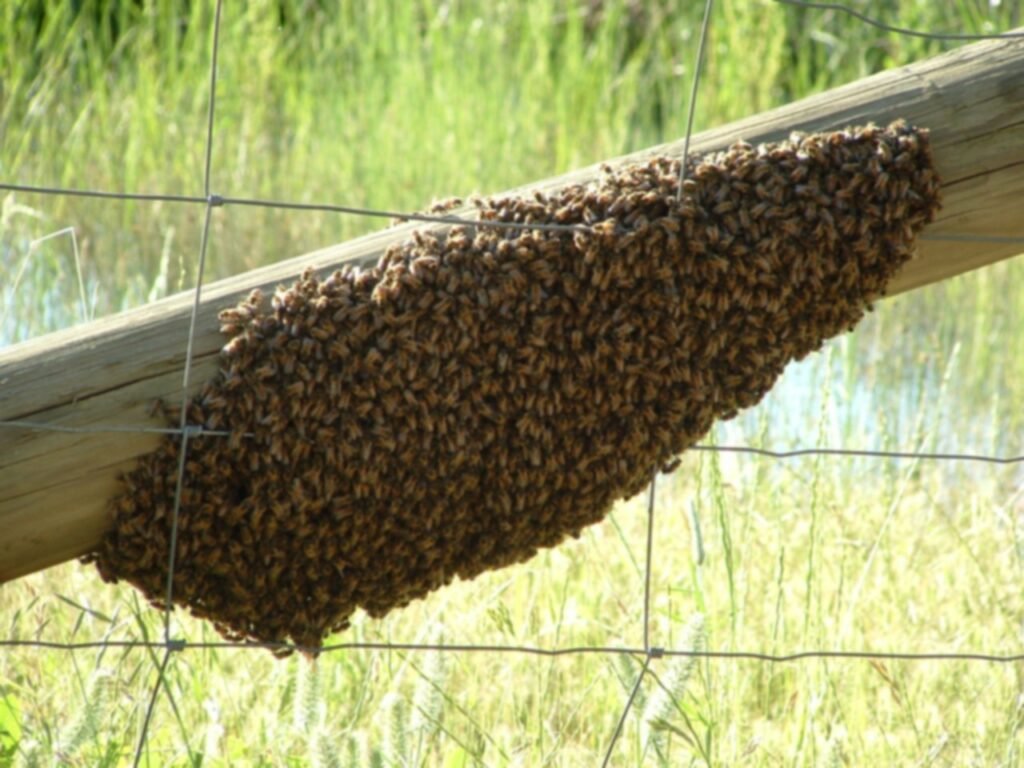
- Small hives and swarming reduced mites. In a Cornell experiment by Loftus, Smith and Seeley, published in PLOS ONE in 2016, colonies in small hives (about 42 liters) that were allowed to swarm had lower varroa infestations, less disease and higher survival than colonies in large hives with swarm control. Swarming takes mites out with the departing bees and creates a break in brood rearing.
- Inspections have a cost. Seeley cites a 1963 experiment by Taber in which colonies inspected during a honey flow gained 20–30% less weight on the day of inspection than undisturbed colonies.
- Wild nests hold heat better. Seeley cites research by Mitchell (2016) finding that a colony in a typical tree cavity loses heat 4–7 times more slowly than one in a standard wooden hive.
None of this makes managed colonies wild. It does give a reason for each practice below, beyond philosophy alone. For the long-term field example behind much of this work, see our article on the Arnot Forest survivor bees.
Eight Low-Intervention Practices
- Start with locally adapted or resistant stock. Seeley’s first suggestion is to keep bees adapted to your location, from local swarms or a local breeder. Stock bred for hygienic behavior, such as the Minnesota Hygienic line, does more to reduce the need for treatment than any hive design.
- Space hives out. Seeley notes that spacing colonies even 30–50 yards apart greatly reduces drifting, and drifting spreads disease. If you can’t space them that far, stagger entrance directions and use landmarks.
- Keep the brood nest in order. Put frames back in the same position and orientation. Avoid breaking up the brood nest with empty frames to prevent swarming. That’s one of the manipulations Seeley specifically advises against.
- Inspect with a purpose. Decide what you need to learn before you open the hive: queen status, space, stores, or mite count. Close it once you have the answer.
- Watch from outside. Entrance traffic, pollen coming in, orientation flights, dead bees out front, and the hive’s weight when you lift the back all tell you a lot without opening the hive. A hive scale makes it more precise.
- Encourage a propolis envelope. Seeley suggests rough interior walls, or rough-sawn lumber, so bees coat the inside of the hive with antimicrobial resin. Don’t scrape every surface clean at each visit.
- Feed honey first. Leave enough honey that feeding is the exception. When a colony does need feed, give it frames of honey from a healthy hive of your own. Syrup is the fallback. Never feed honey from an unknown source, because it can carry foulbrood spores.
- Renew comb on a schedule. Seeley points out that new comb lets you retire old comb that can carry pesticide residues and pathogens. Rotating out two or three of the oldest brood frames a year keeps that load down without disrupting the colony.
The Line You Don’t Cross: Varroa
Seeley’s tenth suggestion is to refrain from treating colonies for varroa. It’s the one most often quoted without the warning he attached to it. He says it should only be adopted as part of “extremely diligent beekeeping” with close mite monitoring. Without that:
“…natural selection is favouring virulent Varroa mites, not Varroa-resistant bees.”
Thomas D. Seeley, “Darwinian Beekeeping,” Bees for Development Journal 122 (2017)
His answer is to monitor every colony, and to kill colonies whose mite populations are skyrocketing before they can collapse. If you aren’t willing to do that, he says, treat those colonies and requeen them with mite-resistant stock.
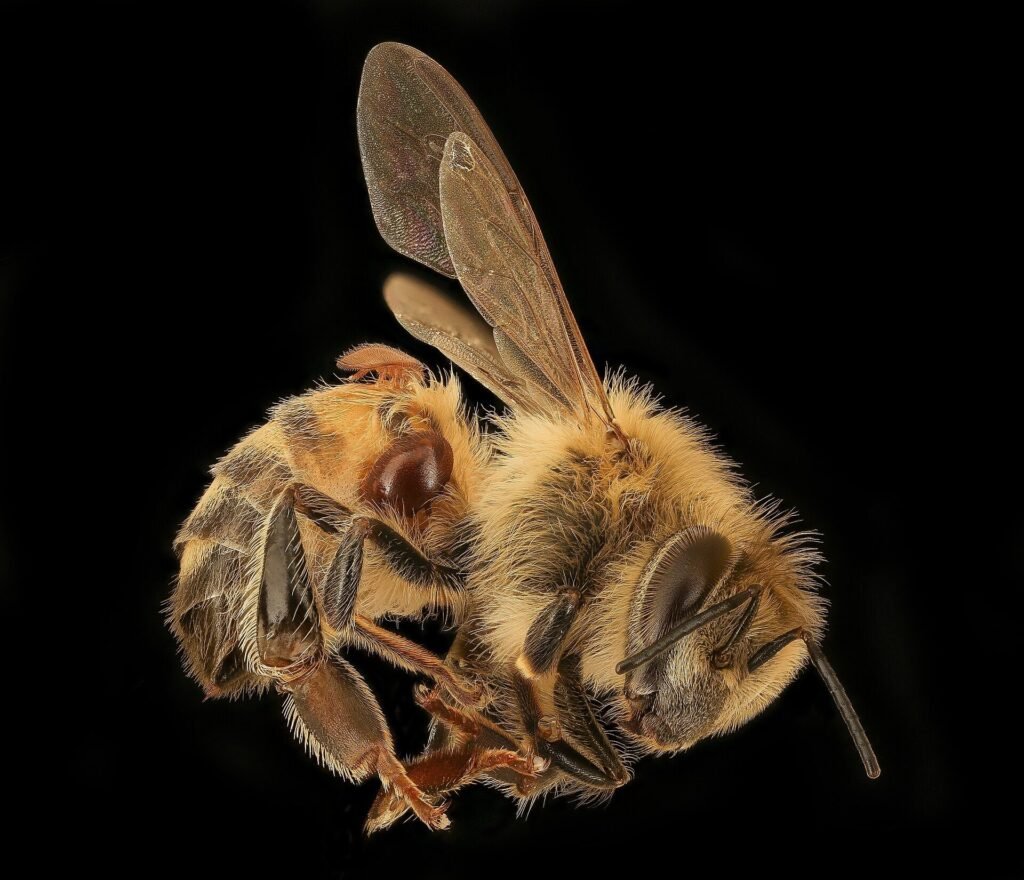
Why be so strict? In a follow-up experiment, David Peck and Seeley placed mite-free colonies around colonies that were collapsing from mites. As the infested colonies failed, the healthy ones robbed them and brought large numbers of mites home, in both nearby and distant hives. The paper, Mite bombs or robber lures? (PLOS ONE, 2019), argues that “robber lures” is the better name for such colonies. A low-intervention yard that lets colonies collapse from mites is a problem for every beekeeper within foraging range.
In practice, low-intervention mite management looks like this:
- Take an alcohol wash or sugar roll on a sample of bees several times a season, and compare the results with the thresholds in the Honey Bee Health Coalition’s varroa management guide.
- Use non-chemical tools first when they fit: brood breaks from splits or swarming, and drone brood removal in spring.
- When a colony crosses a threshold, act. Treat it with the gentlest effective product, or requeen it with resistant stock.
For detailed methods, see our guide to varroa management for treatment-free beekeepers. For how collapsing colonies spread problems to other yards, see preventing disease spread between apiaries.
Adapting It to a Northern Plains Climate
Most of the research behind Darwinian beekeeping was done in central New York. Eastern North Dakota and western Minnesota have longer, colder winters and a shorter, more intense summer flow. That changes a few things:
- Small hives work in summer but not over winter. Seeley suggests one deep brood box with one medium super. In a Red River Valley winter, that’s a small colony and a small pantry. Leave enough honey on the hive for a long winter rather than relying on syrup in the fall, which is the low-intervention choice anyway.
- Don’t disturb in winter. This is where low-intervention and northern practice agree completely. Once wrapped, a colony should only be checked from outside. An upper entrance makes that easier: bees flying from it on a mild day show the colony is alive. See upper vs lower entrance in winter.
- Swarms have less time to establish. A swarm that leaves in late June has only a few weeks of main flow to build comb and stores before fall. Planned splits in late May or early June, which also create a brood break, are the more reliable low-intervention option here.
- Neighbors are close in farm country. Commercial operations move large numbers of colonies into North Dakota each summer. Mite pressure from drifting and robbing can come from well outside your own yard, so monitoring matters even more.
- Legal basics still apply. North Dakota requires beekeepers to be licensed and to register their hive locations with the Department of Agriculture, however few hives they keep.
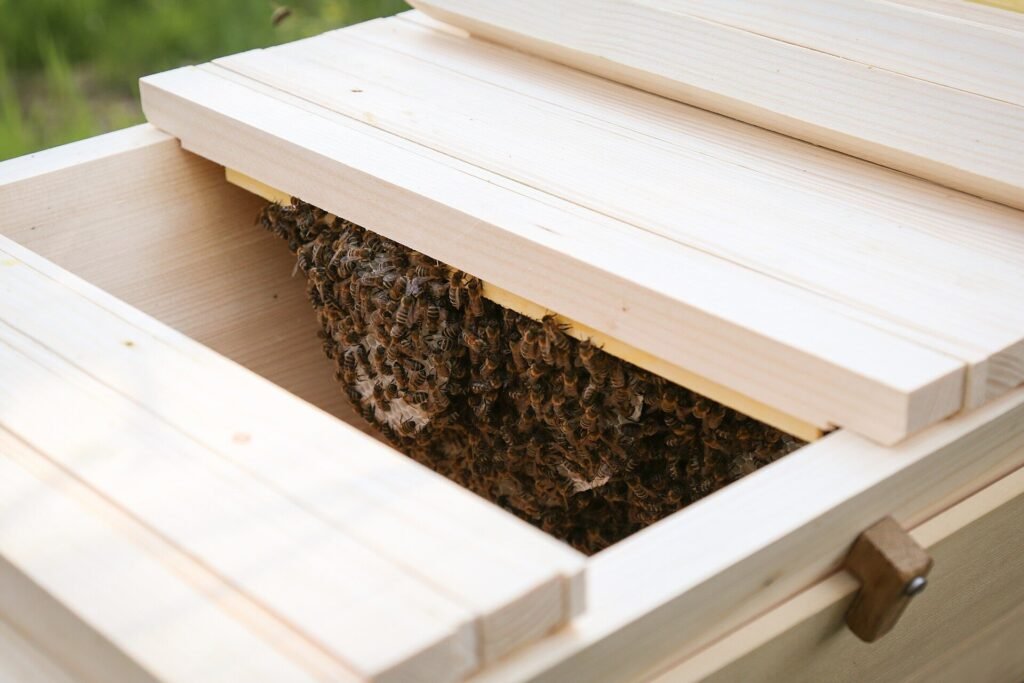
Hive choice is secondary to these points. Warré and top-bar hives are popular with low-intervention beekeepers, and our Warré hive guide covers their real limits. A Langstroth managed with the practices above can be just as low-intervention.
What You Give Up
Low-intervention beekeeping has costs, and they’re worth stating plainly:
- Less honey. Smaller brood nests, tolerated swarming, and leaving generous stores all reduce the harvest.
- More swarms. In town, swarms hanging in a neighbor’s tree have social costs.
- Losses you have to accept. Culling mite-susceptible colonies is part of the method, not a failure of it.
- More skill, not less. Knowing what’s happening in a hive with fewer inspections means reading the entrance, the weight and the mite counts well.
What you gain is a colony that’s left more to its own devices, less time inside the hive, fewer purchased inputs, and a better chance of building up stock that fits your area.
Frequently Asked Questions
Is low-intervention beekeeping the same as treatment-free beekeeping?
No. Low-intervention means reducing disturbance and inputs where you can. Treatment-free means never treating for varroa. Many low-intervention beekeepers still treat when mite counts cross a threshold, and Seeley says anyone who won’t treat has to monitor closely and remove mite-susceptible colonies instead.
How often should I inspect a hive with a low-intervention approach?
There’s no fixed interval. In a northern season, that might be a spring check for queen status and stores, a few checks during swarm season, mite sampling several times a year, and a fall check for stores. Anything beyond that should have a specific reason.
Can I practice low-intervention beekeeping in Langstroth hives?
Yes. Keeping the brood nest in order, doing fewer and more purposeful inspections, renewing comb, spacing hives, and managing mites carefully all work in Langstroth equipment. The hive type matters less than how you manage it.
Do I have to let my bees swarm?
No. Splitting a strong colony before it swarms gives you most of the same benefits, including a brood break and a smaller colony. It also keeps the bees, which is usually the better choice in a short northern season.
Is low-intervention beekeeping good for beginners?
It can be, if “fewer inspections” doesn’t turn into “no monitoring.” Beginners learn a lot from inspecting. A reasonable path is to inspect regularly in your first season, learn to read the entrance and hive weight, and then cut back.
What happens to neighbors if my untreated colony collapses from mites?
It gets robbed, and the robbers carry mites back to their own colonies, as Peck and Seeley showed in 2019. That’s why responsible low-intervention beekeeping treats, requeens, or removes a mite-heavy colony before it collapses.
The Bottom Line
Low-intervention beekeeping is intervening less and intervening better. Use adapted stock, space your hives, keep the brood nest in order, inspect with a purpose, and let honey rather than syrup carry the colony. Keep monitoring mites and act on the numbers. That’s what separates it from neglect and keeps your bees from becoming a problem for everyone else’s. On the northern plains, adjust for winter: bigger winter clusters, generous honey stores, and no disturbance once the hives are wrapped.