Category Consumer Honey Guides

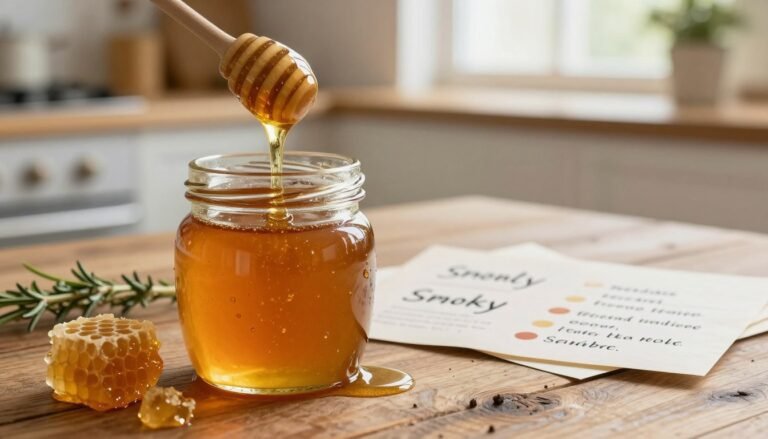
These guides are written for people who buy honey rather than harvest it. They cover how to read a label, what certifications such as True Source actually verify, which raw honey brands are worth the money, how to run a tasting flight, what the National Honey Board does with its checkoff, and how the fight over the manuka name played out.

The most useful thing to know is what a kitchen test can and cannot tell you. Dropping honey in water, smearing it on your thumb or holding a match to it only shows whether water has been added, and watered honey is rare because it ferments on the shelf. The fraud that actually happens is refined syrup blended into real honey, and that passes every viral test. A refractometer is the one home instrument that gives a real number, and it measures moisture only; finding syrup takes a laboratory. Crystallization is not a defect either: most honey granulates in time.

The reliable shortcut is to buy from a beekeeper or packer who will say where the honey came from, and to taste widely enough to know what a varietal should be like.

Start here: