Jan Swammerdam: The Dissection That Proved the “King Bee” Was a Queen
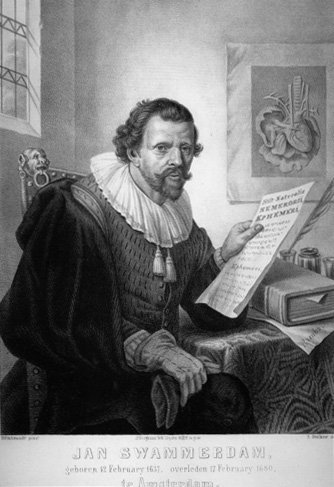
How a 1670s dissection by Dutch naturalist Jan Swammerdam finally proved a beehive's leader was a queen, not the "king bee" Europeans had assumed for centuries.


How a 1670s dissection by Dutch naturalist Jan Swammerdam finally proved a beehive's leader was a queen, not the "king bee" Europeans had assumed for centuries.
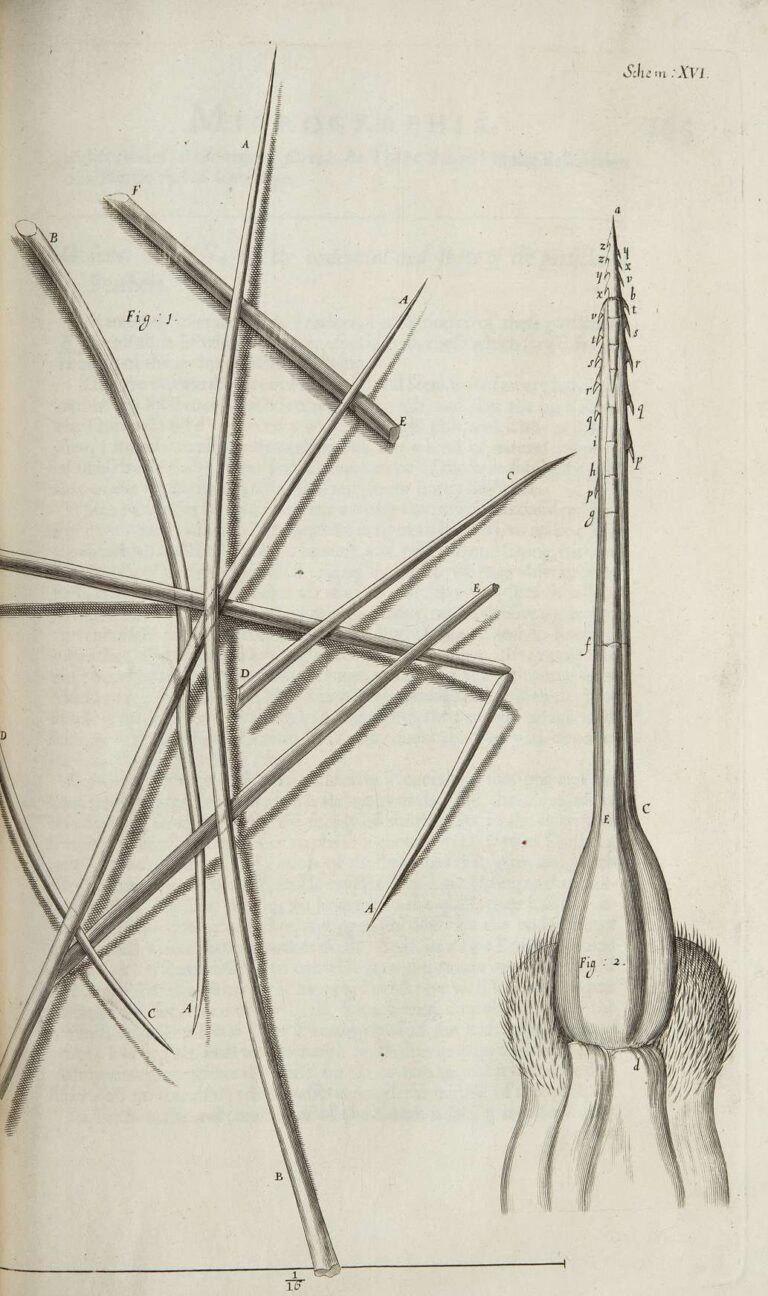
Robert Hooke's 1665 Micrographia included the first microscopic illustration of a bee ever recorded - and it's where we learned bee stings are barbed.
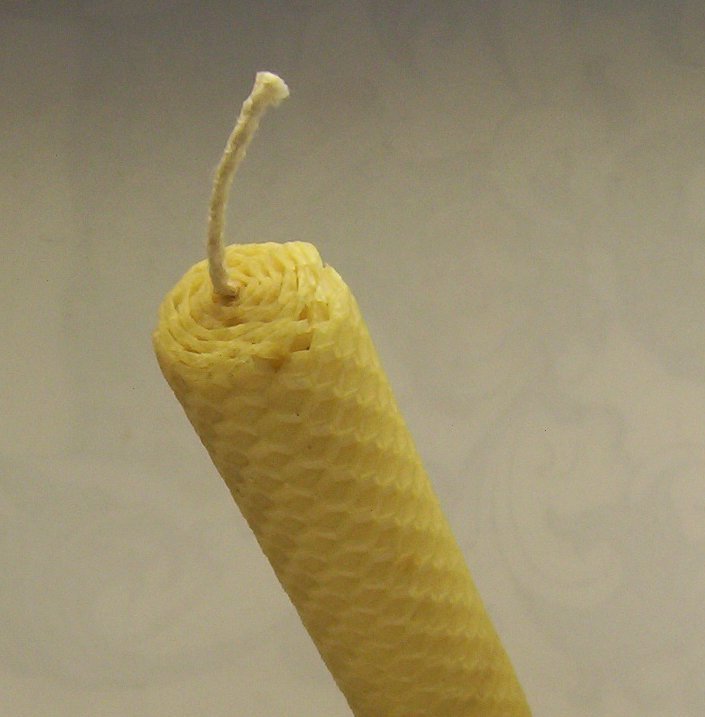
A simple way to turn leftover or lower-grade beeswax into reliable, long-storing fire starters for camping or a wood stove.
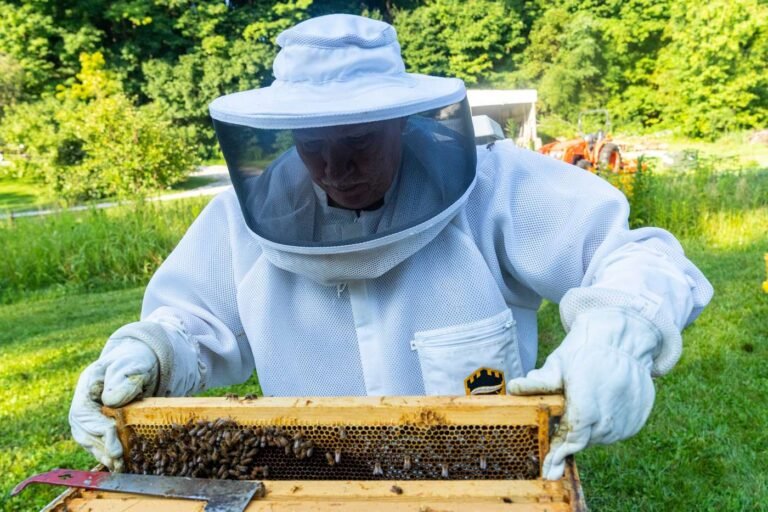
EQIP is USDA's main cost-share program for pollinator habitat work - here's what it actually reimburses, who qualifies, and how beekeepers apply through their local NRCS office.

A look at how the BJCP's dedicated Mead Judge Program certifies competition judges and what actually happens on the judging table.
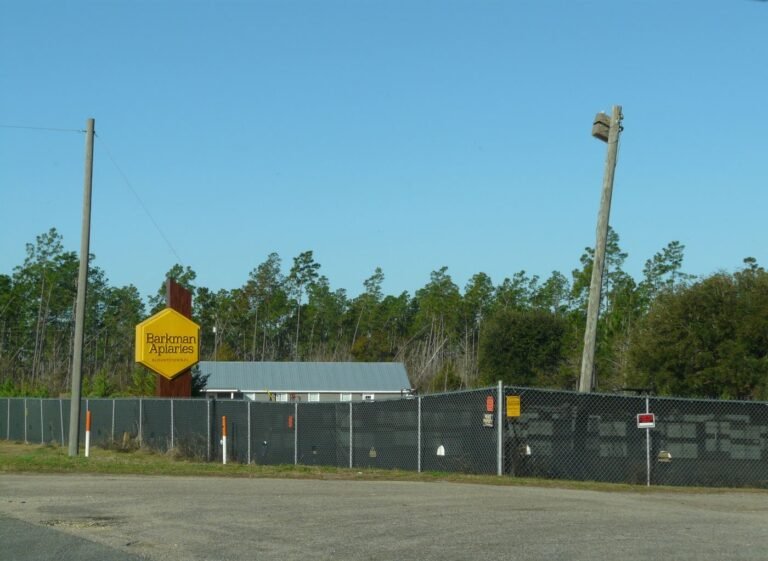
Hawaii and other frost-free US climates run on a completely different beekeeping calendar than anywhere with a real winter - here's what actually changes.
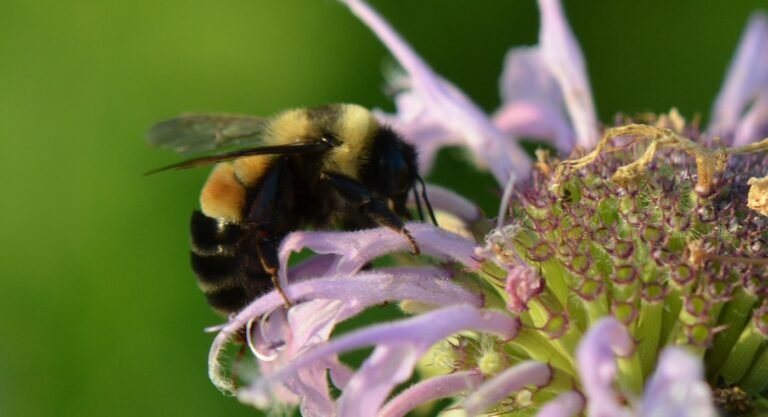
The rusty patched bumble bee's 2017 federal listing made it America's first endangered bumblebee - though Hawaii's yellow-faced bees actually got there first, six months earlier.
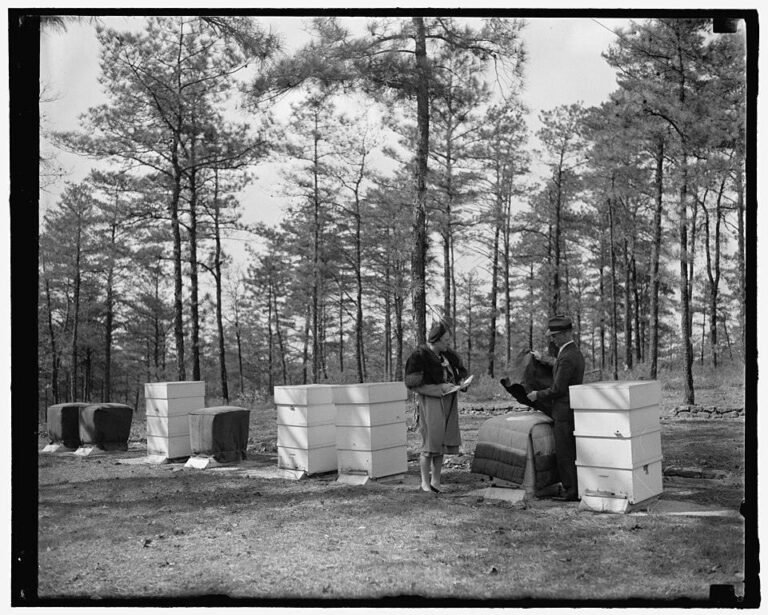
Federal bee research has run almost continuously since 1891, from Frank Benton's first directorship to today's Beltsville lab -- still the default place to diagnose a sick colony.
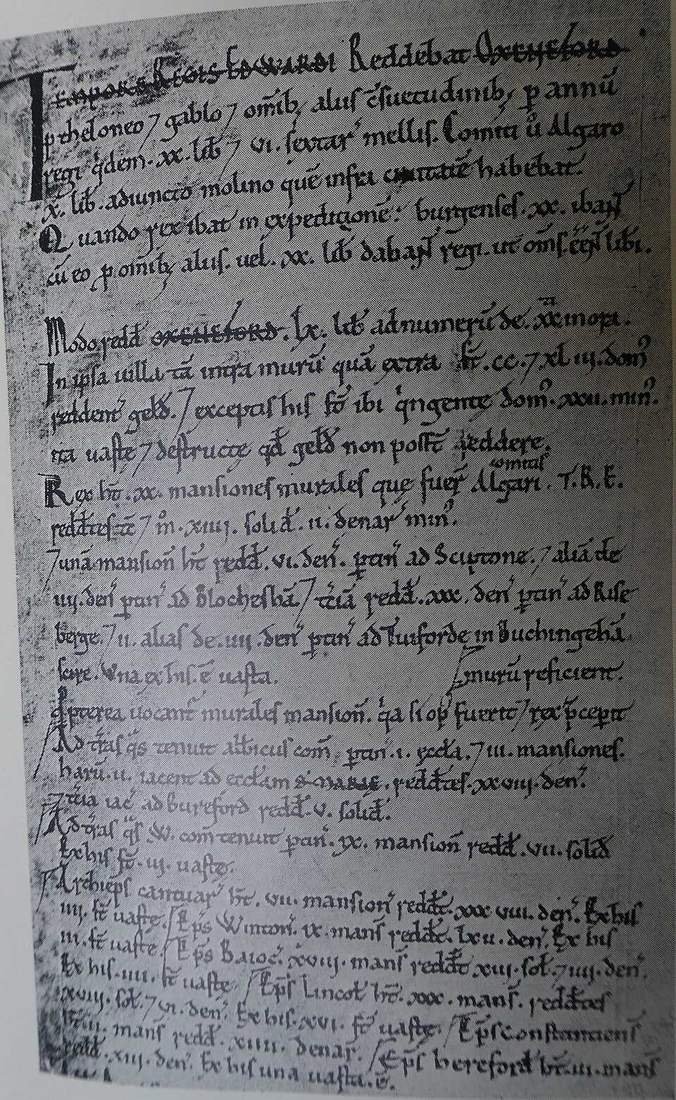
England's 1086 Domesday survey recorded honey rents, beekeepers called mellitarii, and hundreds of hive-related entries -- the earliest hard evidence of the trade's real scale.