Apis Andreniformis: The Black Dwarf Honey Bee of Southeast Asia
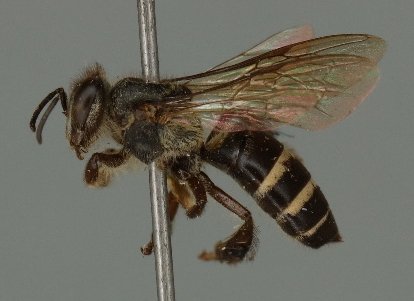
Apis andreniformis, the black dwarf honey bee, is one of the two smallest honey bee species alive, nesting as a single exposed comb rather than in a cavity.


Apis andreniformis, the black dwarf honey bee, is one of the two smallest honey bee species alive, nesting as a single exposed comb rather than in a cavity.
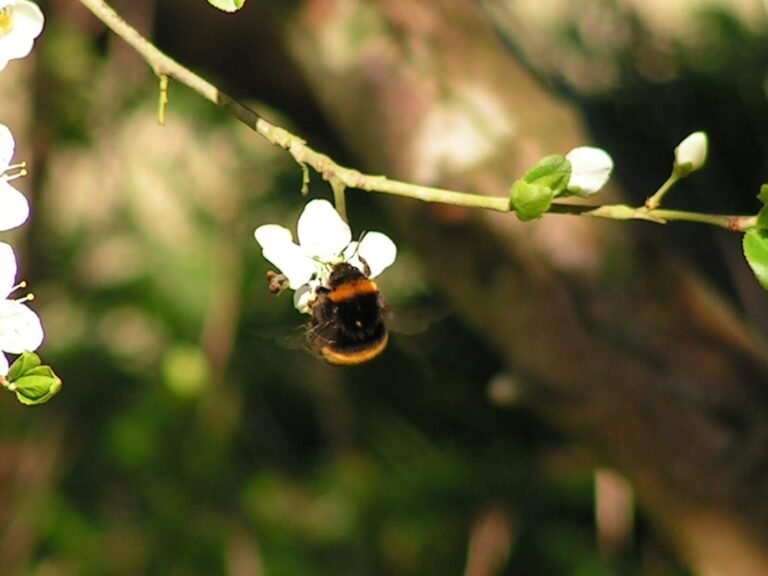
Most bumblebee nest boxes sold for gardens go unused — published studies found occupancy rates as low as 0-1.5% — but design and placement can meaningfully improve the odds.
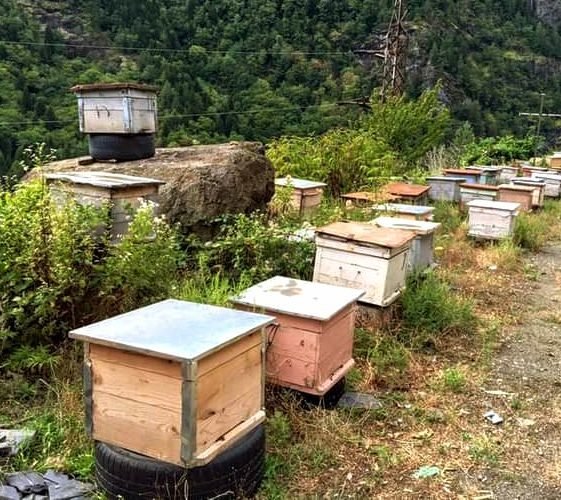
Mountain beekeeping works, but a shorter season, thinner air, and colder nights mean hive placement, winter feeding, and local genetics matter more than at lower elevations.
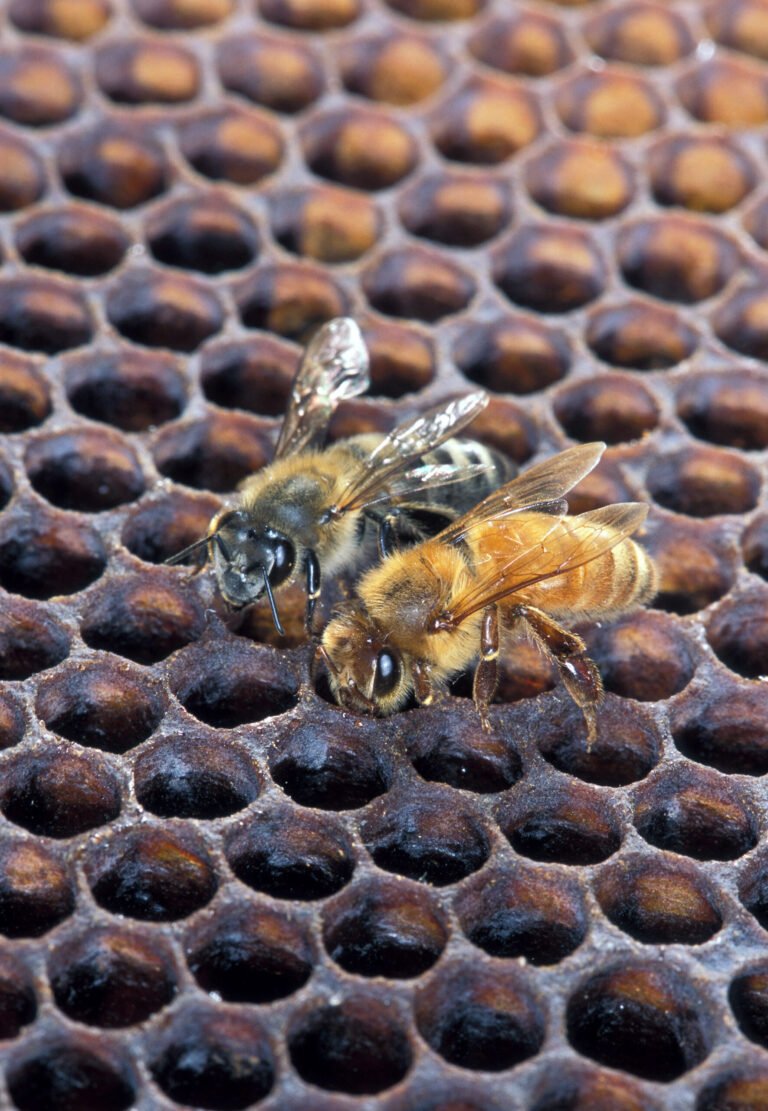
A single afternoon in 1957, when a visiting beekeeper removed queen excluders he mistook for a mistake, is the real origin of every Africanized honey bee across two continents.

The 120-plus-year history of the Smithsonian's bee and insect specimen collection, from an 1898 acquisition to its 2020 shift to full public open access.

How a Belgian playwright's 1901 philosophical bestseller about the beehive shaped public fascination with bees, years before he won the Nobel Prize in Literature.

How a 17th-century English vicar's patient hive observations produced the first English-language beekeeping book — and correctly named the hive's ruler a queen decades before anyone could prove it.

What illustrated medieval bestiaries actually said about bees — surprisingly accurate on colony life, and centuries wrong about the queen and spontaneous generation.
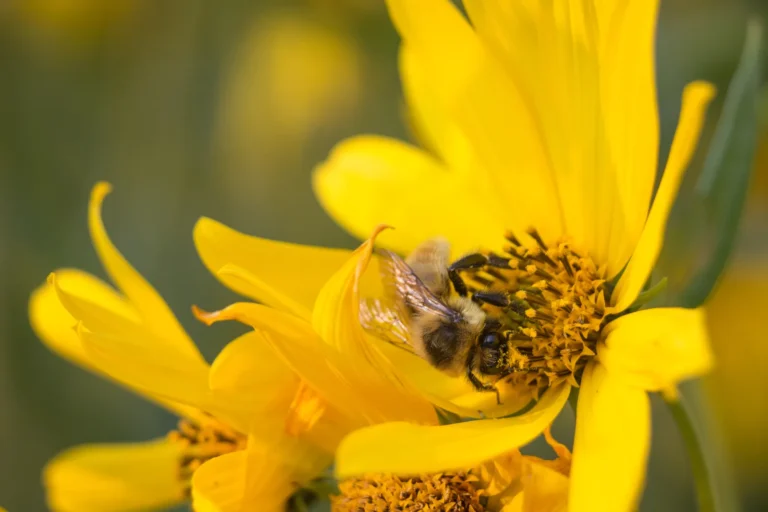
What a 46-park National Park Service bee survey actually found, and a practical guide to spotting wild native bees — a very different activity from honey-bee beekeeping.