How to Host a Honey Tasting Flight at Home (and What to Buy)
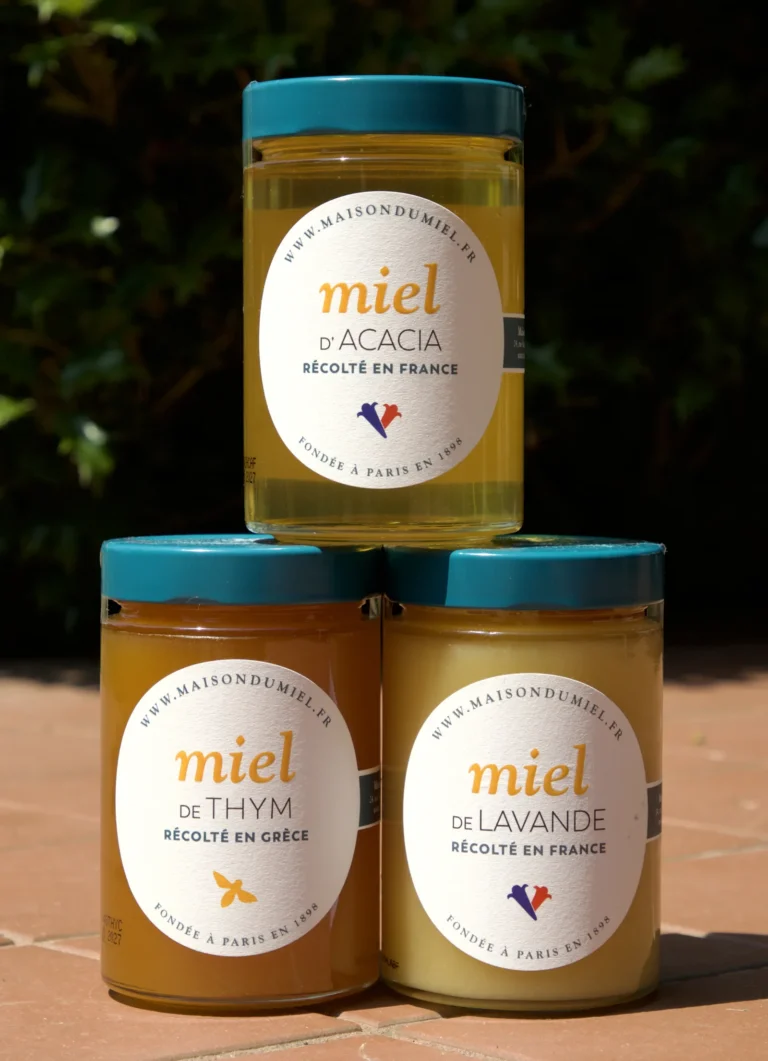
How to run a honey tasting flight at home like a wine tasting — light-to-dark order, real varietal sampler sets worth buying, and how to take notes worth keeping.


How to run a honey tasting flight at home like a wine tasting — light-to-dark order, real varietal sampler sets worth buying, and how to take notes worth keeping.
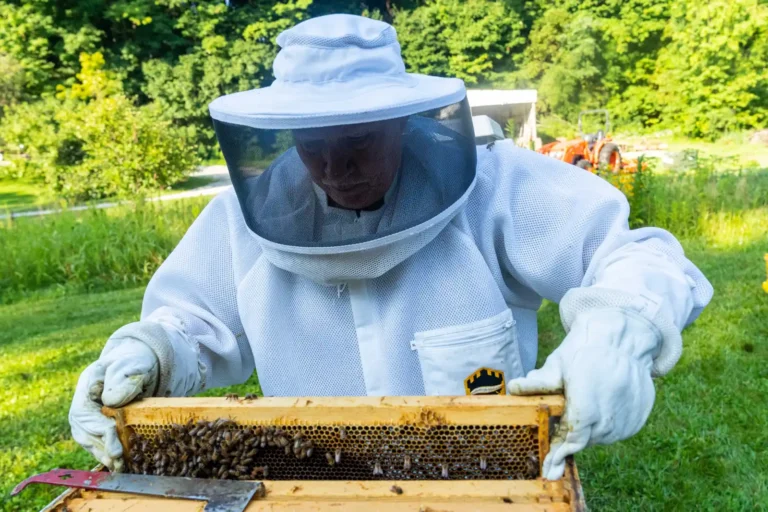
Where to actually find beekeeping suits sized for plus-size and tall beekeepers, with real height-based size charts compared across three suppliers.
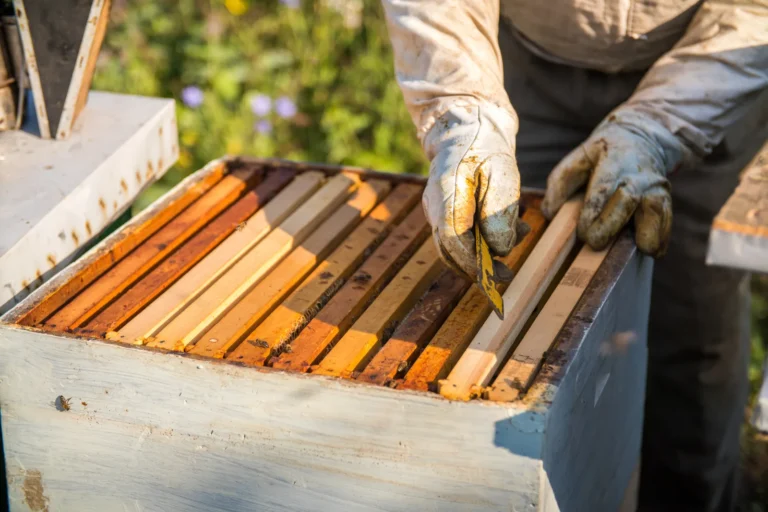
How beekeepers use general-purpose borescope cameras for low-disturbance winter cluster checks, cutout scouting, and swarm-trap peeks — and where they fall short of a real inspection.
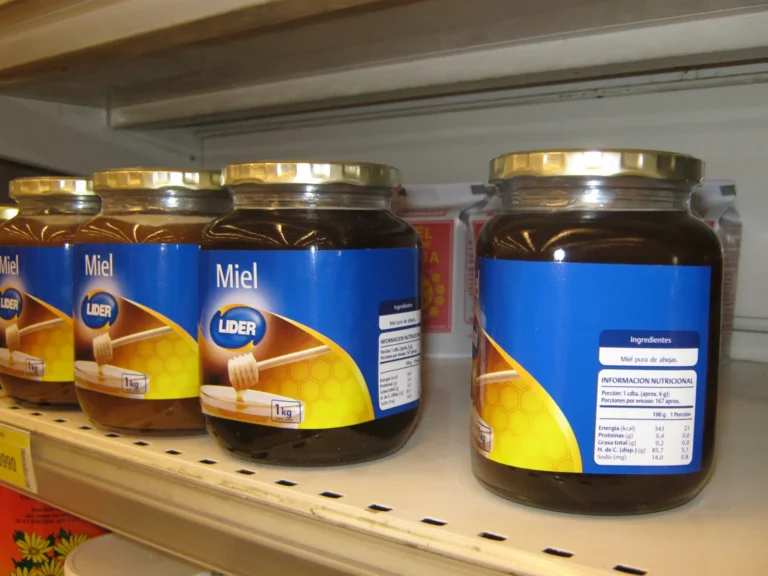
A practical comparison of glass and plastic honey containers for small producers — real sizes, bulk pricing tiers, and which to use for markets versus mail-order shipping.
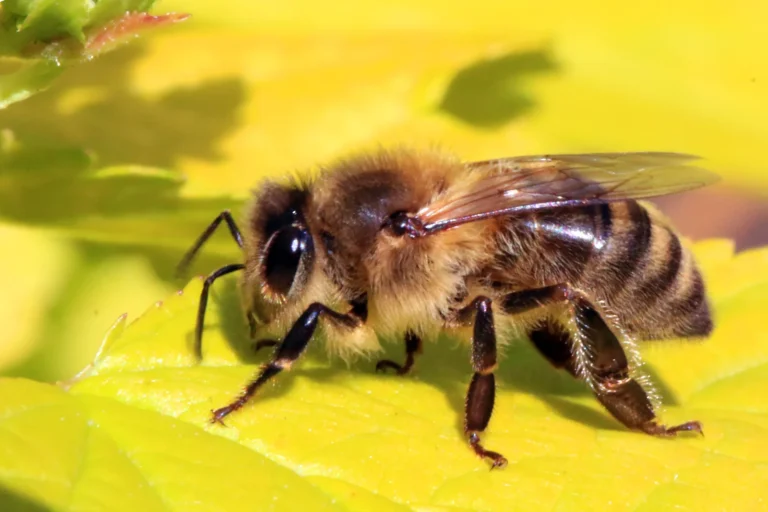
A real buying-decision comparison of Italian, Carniolan, Buckfast, Saskatraz, and Russian honey bees — climate fit, swarming tendency, and Varroa tolerance, not just breed trivia.
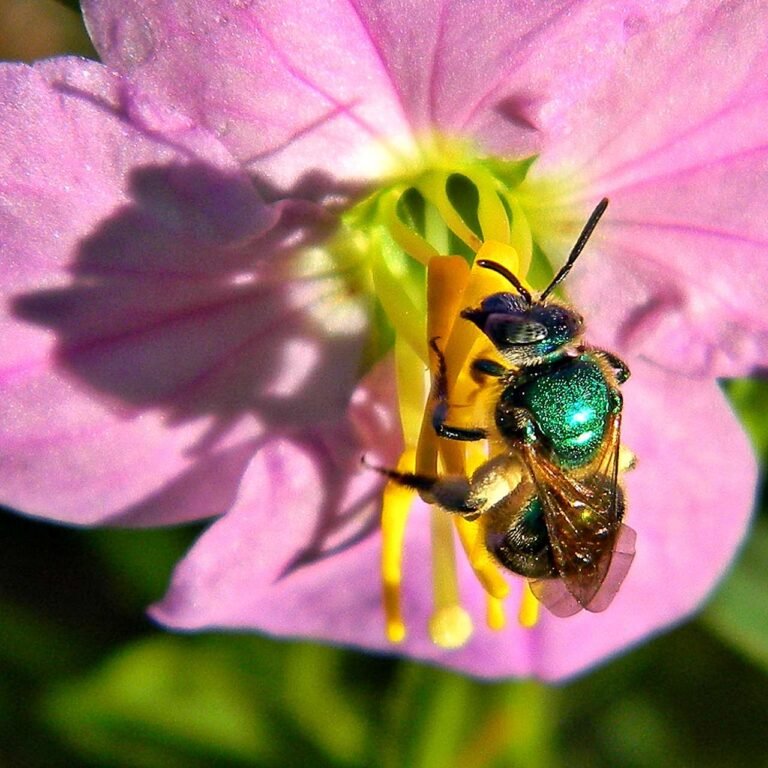
Bumblebees can vibrate flowers to release pollen honeybees can't reach, a technique called buzz pollination. Here's how it works and why tomato greenhouses depend on it.
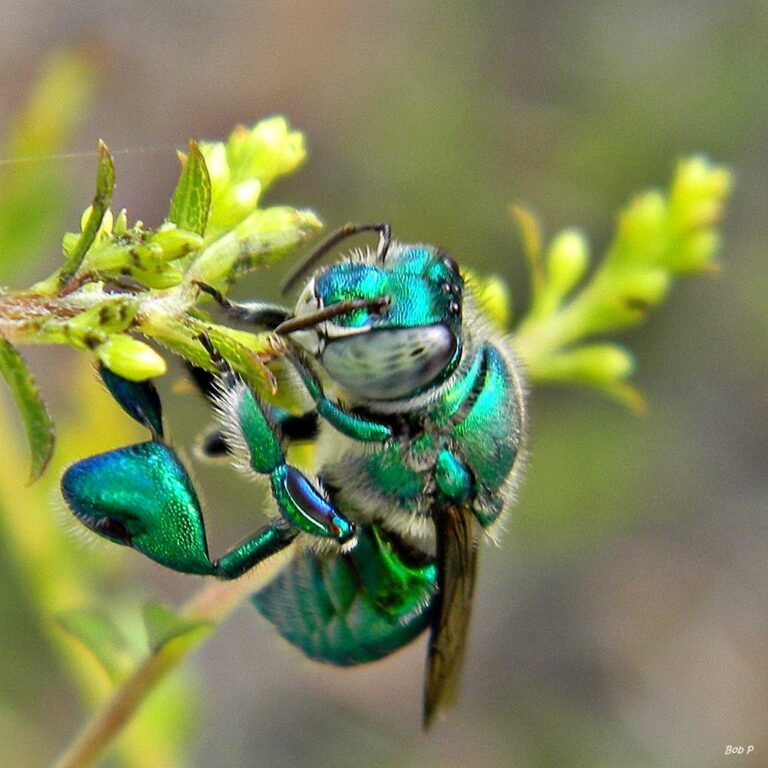
Male orchid bees collect floral fragrance compounds instead of pollen, storing them to use in courtship displays. Here's how this unusual behavior pollinates some of the rarest orchids on Earth.
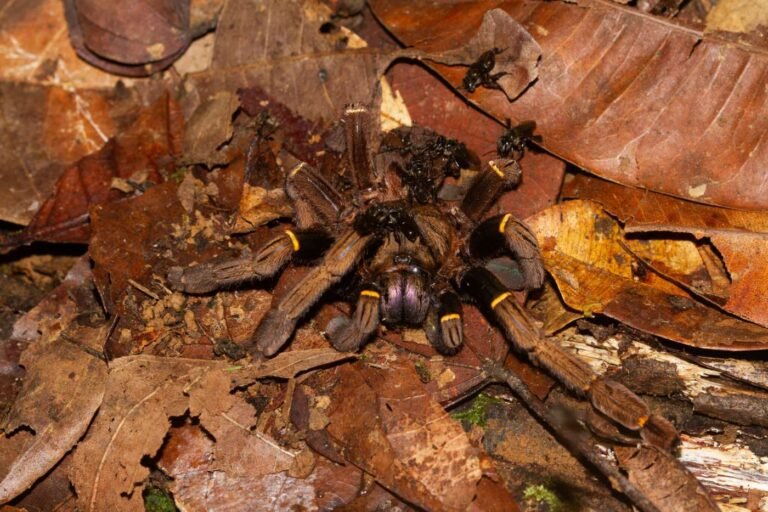
Three species of stingless Trigona bee feed exclusively on rotting meat instead of pollen. Here's how vulture bees find carrion, digest it safely, and turn it into a honey-like food.
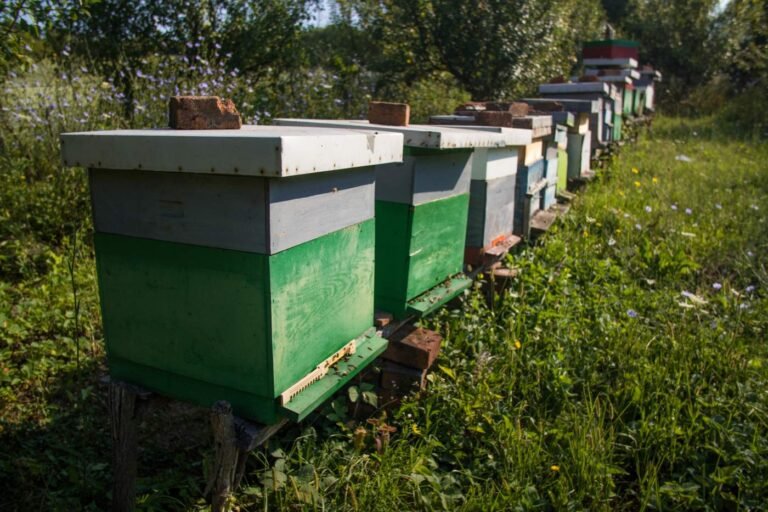
FAO-sourced data puts the global number of managed honey bee colonies at roughly 101.7 million in 2024. Here's the real regional breakdown and why this doesn't contradict pollinator decline.