South Korea’s Sacbrood Crisis: How a Virus Devastated the Native Honeybee
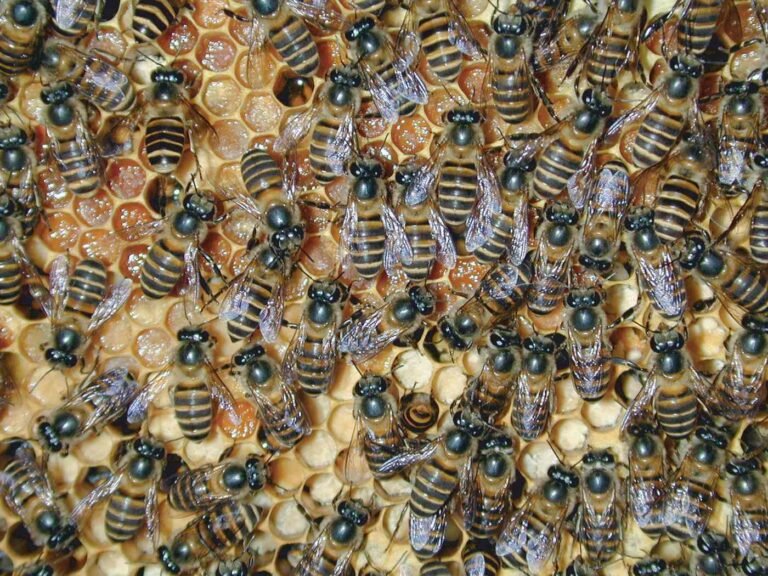
A virulent sacbrood virus strain has caused over 90% mortality in Korea's native Apis cerana since 2008, reshaping the country's beekeeping industry.


A virulent sacbrood virus strain has caused over 90% mortality in Korea's native Apis cerana since 2008, reshaping the country's beekeeping industry.
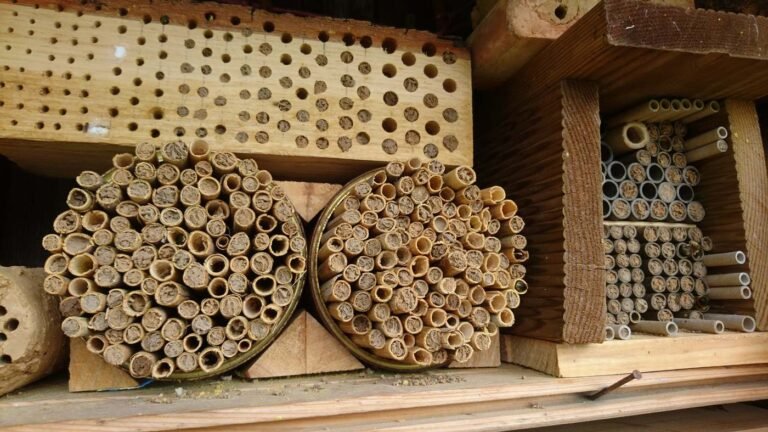
Brighton & Hove's planning policy has required bee bricks in new buildings since 2020, giving Britain's 250 solitary bee species nesting habitat modern construction removed.
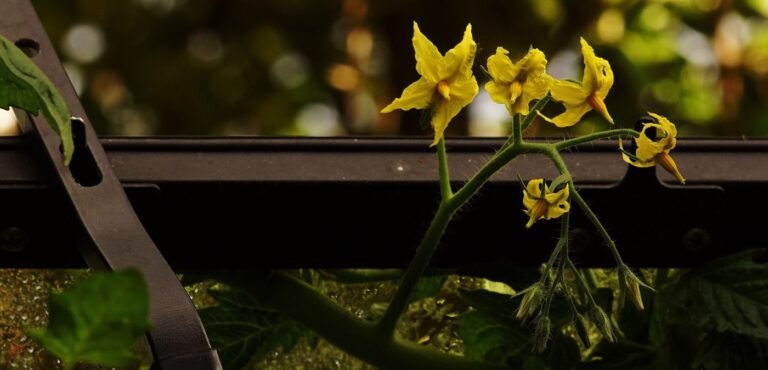
Robotic pollination already works commercially for greenhouse tomatoes, but it's nowhere near replacing what bees do across open-field crops at scale.
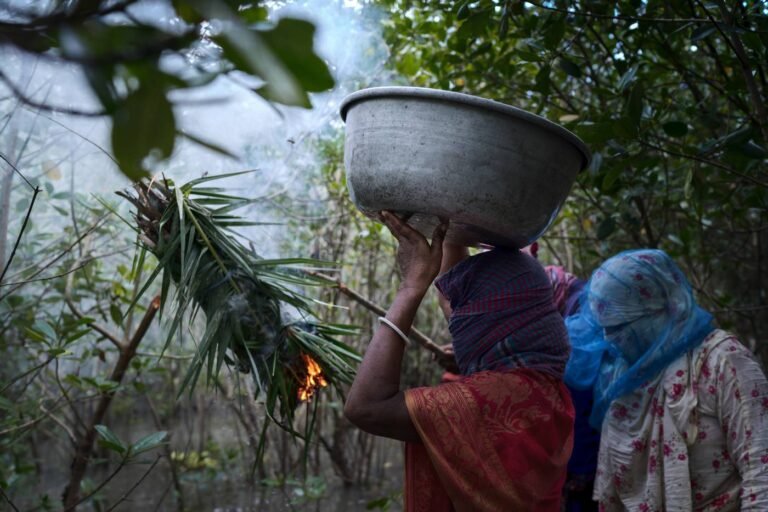
The Mawalis of the Sundarbans harvest wild honey from giant honey bee combs in mangrove forest shared with Bengal tigers — a documented, genuinely dangerous tradition.
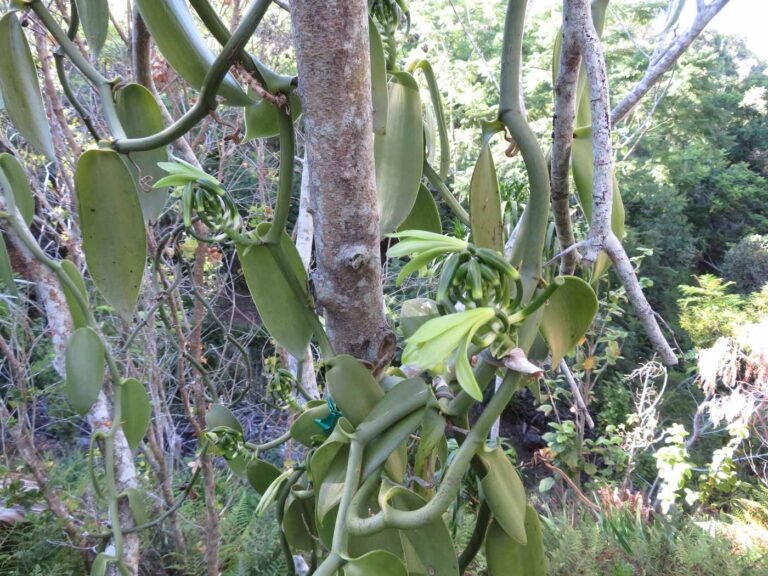
Vanilla orchids co-evolved with a specific Melipona stingless bee native to Mexico, which is why nearly every vanilla pod grown elsewhere is pollinated entirely by hand.
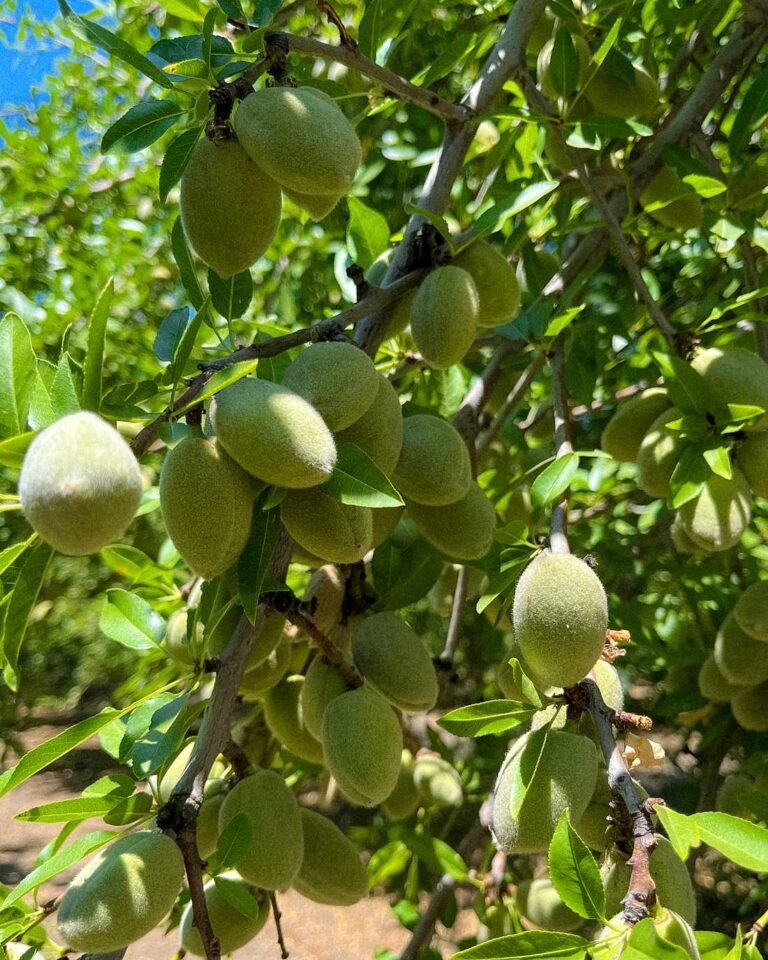
Project Apis m., founded in 2006 by beekeepers and almond growers, has invested over $13 million in practical bee research, including its Seeds for Bees forage program.
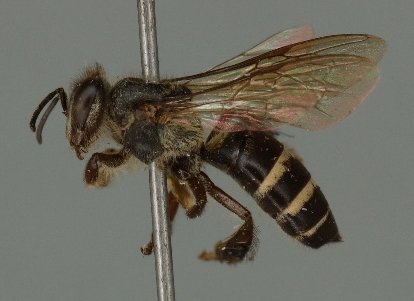
Apis andreniformis, the black dwarf honey bee, is one of the two smallest honey bee species alive, nesting as a single exposed comb rather than in a cavity.
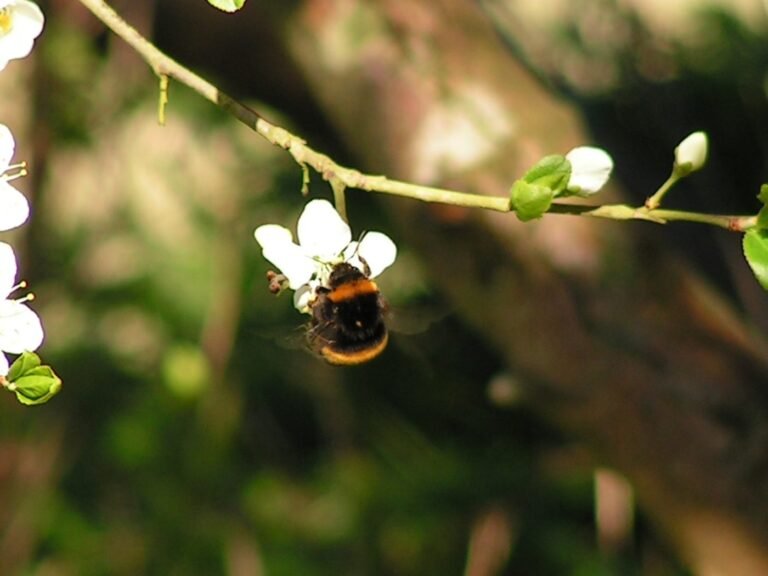
Most bumblebee nest boxes sold for gardens go unused — published studies found occupancy rates as low as 0-1.5% — but design and placement can meaningfully improve the odds.
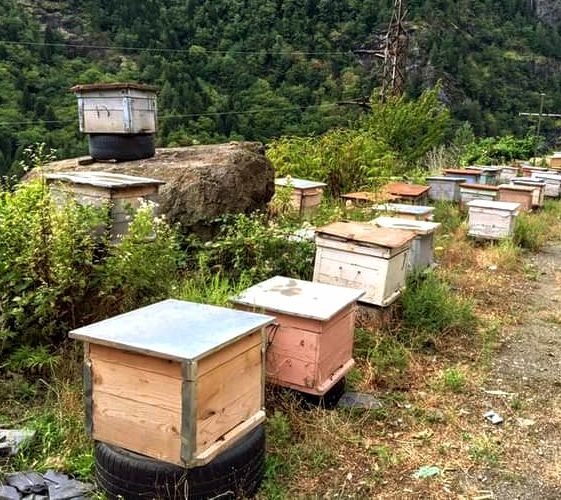
Mountain beekeeping works, but a shorter season, thinner air, and colder nights mean hive placement, winter feeding, and local genetics matter more than at lower elevations.