The Black Summer Bushfires and Australia’s Beekeeping Industry
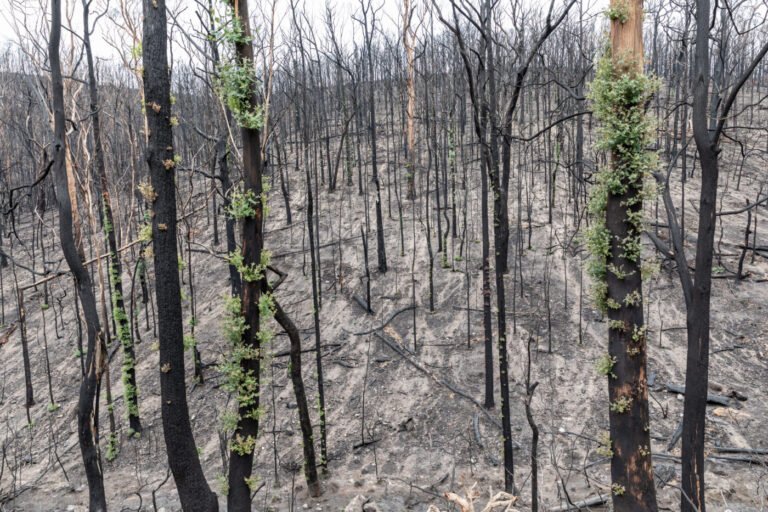
The 2019-2020 Black Summer bushfires destroyed thousands of hives in New South Wales, but the bigger disaster was the eucalypt forage that takes decades to recover.


The 2019-2020 Black Summer bushfires destroyed thousands of hives in New South Wales, but the bigger disaster was the eucalypt forage that takes decades to recover.
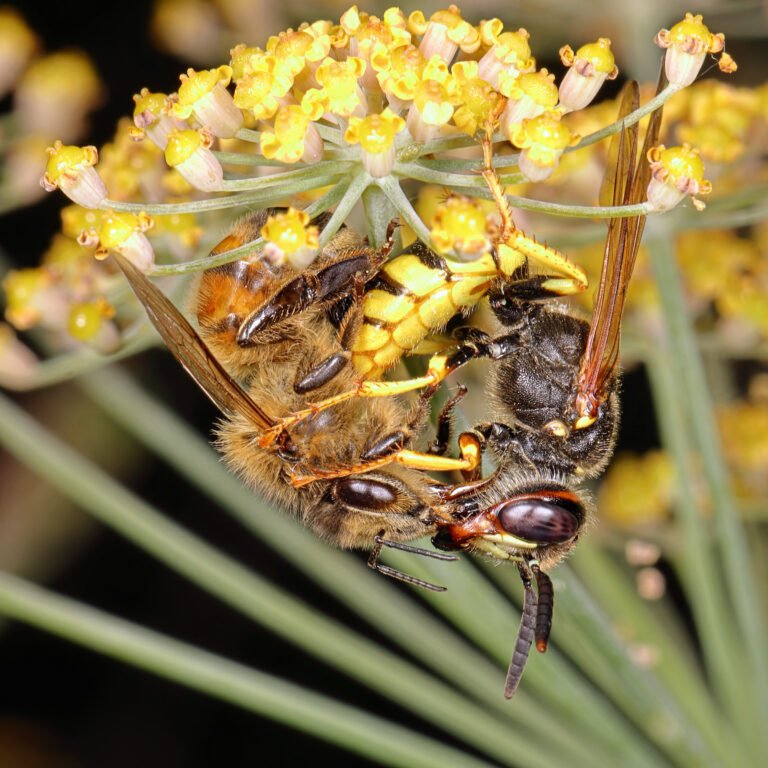
Female European beewolf wasps hunt honeybees to provision their nests, then protect their brood with bacteria they cultivate themselves.
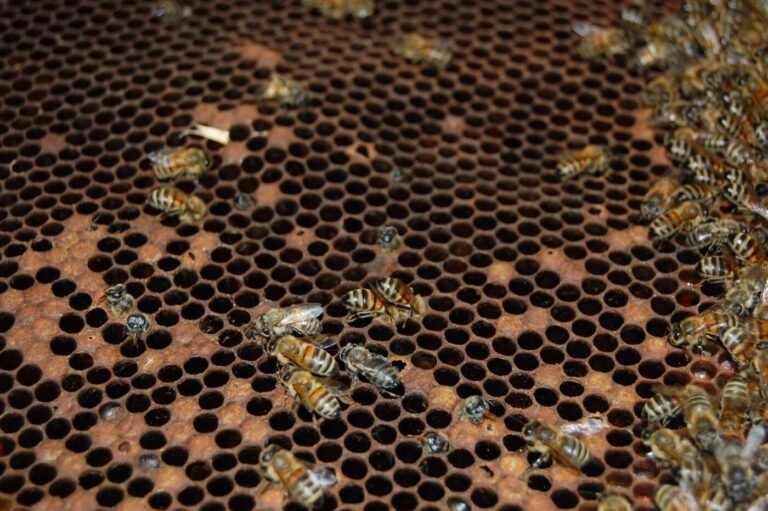
In January 2023 the USDA conditionally licensed the first-ever vaccine for any insect, aimed at American foulbrood. Here's how it actually works and where it stands now.
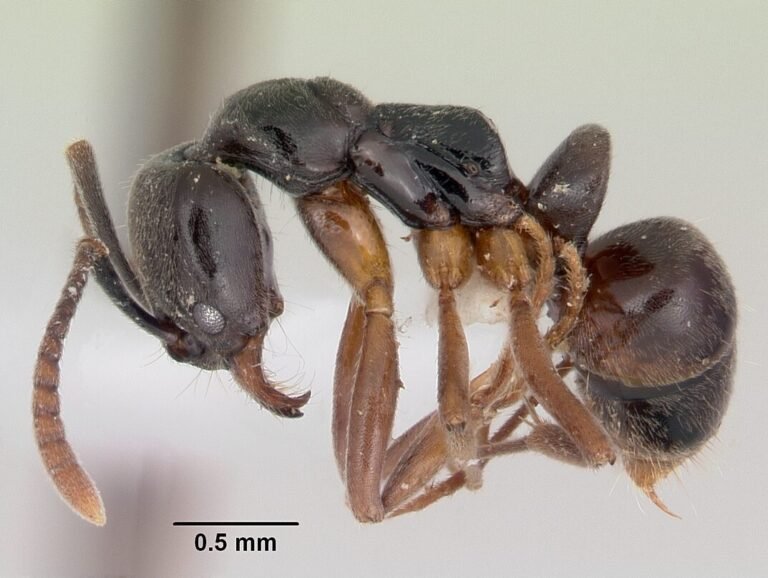
The Asian needle ant isn't a hive predator, but it's spreading through apiary landscapes in the southeastern U.S. and carries a real, if rare, anaphylaxis risk.
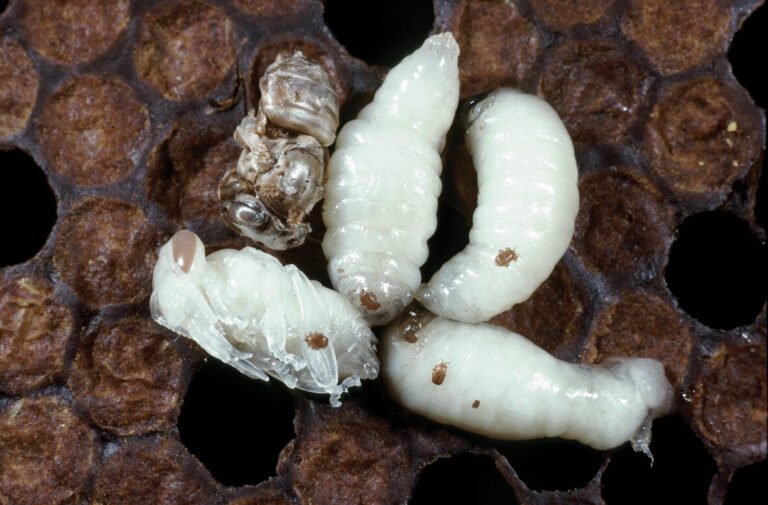
Tropilaelaps mites are spreading westward from Asia and researchers increasingly call them a bigger long-term threat than Varroa. Here's what's actually known so far.
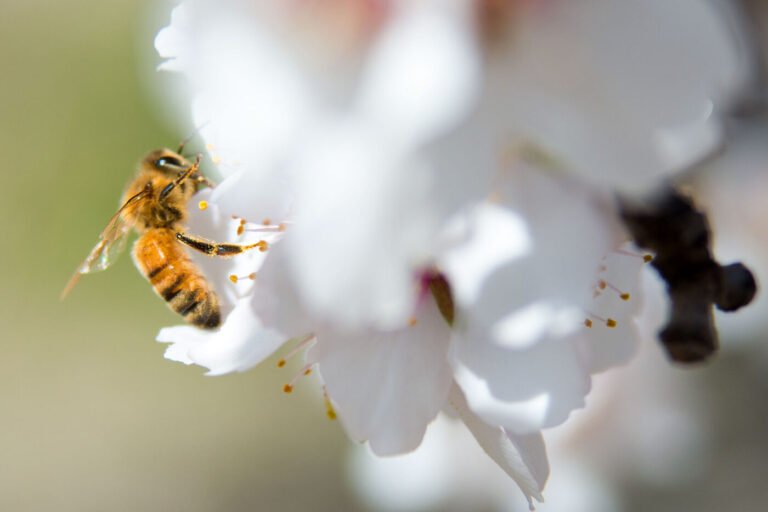
Not every product marketed as natural or organic is actually safe for foraging bees. Here's how to read a real pesticide label and pick lower-risk products correctly.
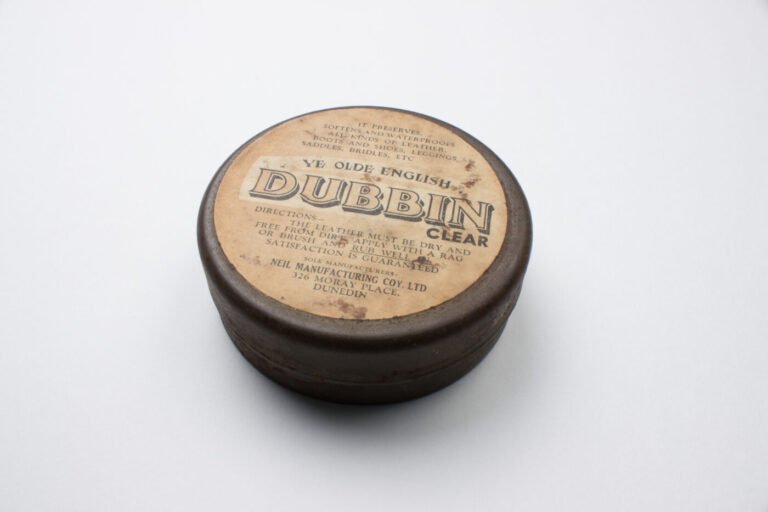
Beeswax-based leather waxes seal and waterproof; oil-based conditioners soften. Here's how Otter Wax, Sno-Seal, Obenauf's, and Bickmore actually compare.
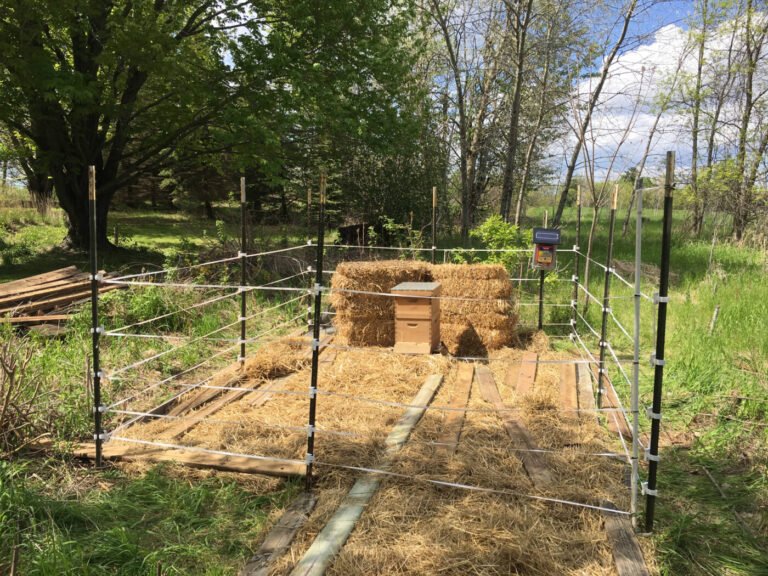
Hidden GPS trackers, motion-activated alarms, and RFID tags are how beekeepers are actually fighting a real rise in hive theft. Here's how the real products compare.
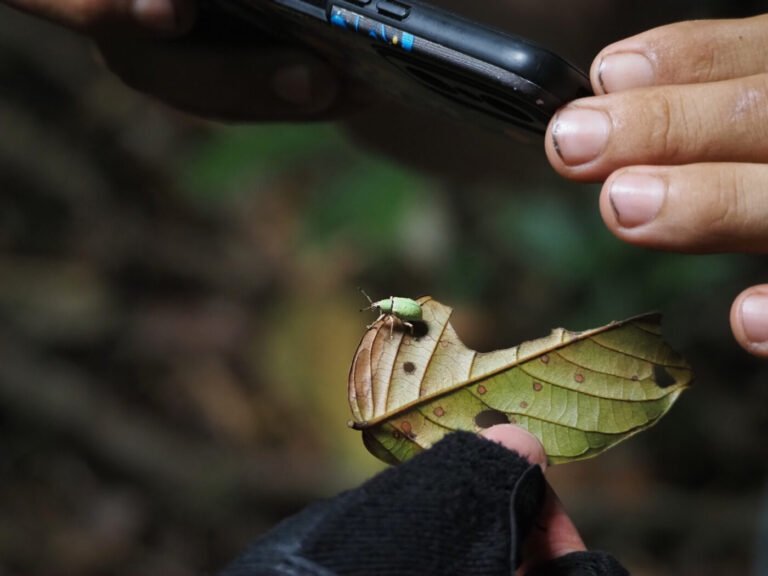
Seek, iNaturalist, BeeMachine, and Picture Insect all promise to identify a bee from a photo, but they work in genuinely different ways. Here's how the four actually compare.