The Xerces Society: Named After a Butterfly That No Longer Exists
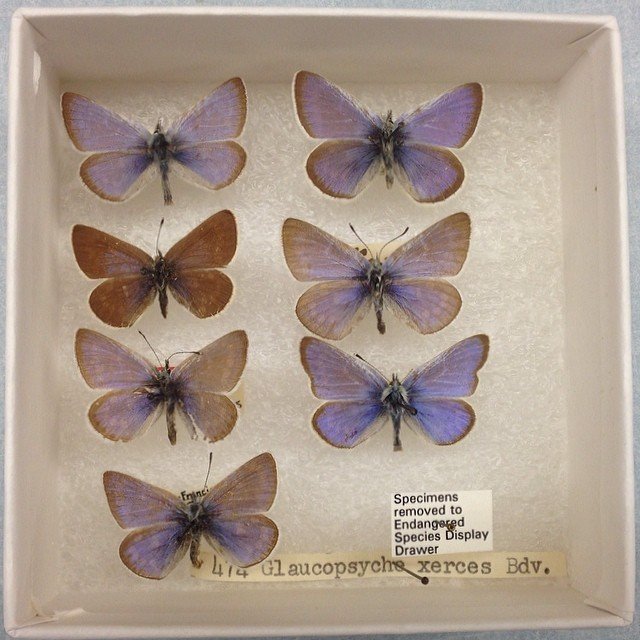
The Xerces Society is named after a real extinct butterfly. The story of its 1971 founding and why that name was chosen deliberately.


The Xerces Society is named after a real extinct butterfly. The story of its 1971 founding and why that name was chosen deliberately.

In 2006 scientists sequenced the honey bee genome and found a genuine surprise: fewer immune genes than expected, not more.
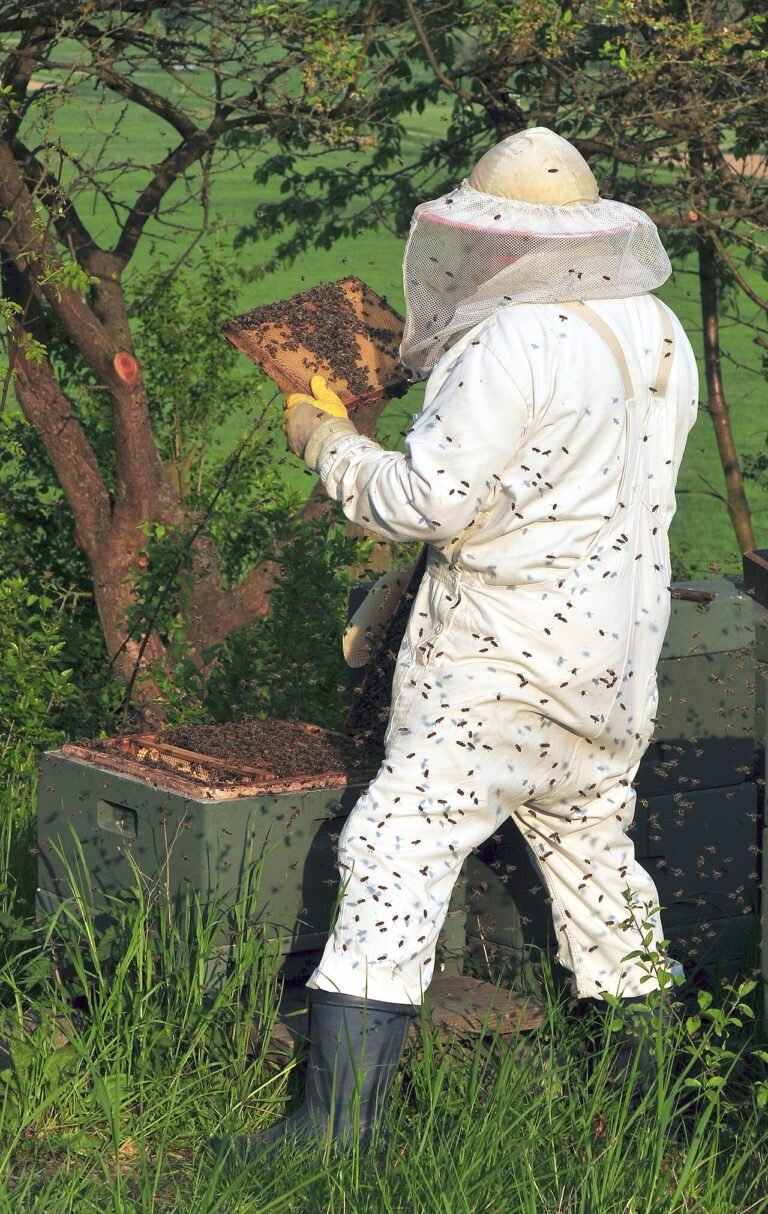
COVID-19 really did spark a surge in new beekeepers - but it also collapsed the package bee supply chain they needed to get started.

Five beekeepers founded the Sioux Honey Association cooperative in 1921. How it grew into the Sue Bee brand and the countrys largest honey co-op.

Archaeologists found the worlds oldest known managed apiary at Tel Rehov, Israel - and the bees inside came from Anatolia.

Franklins bumblebee has not been confirmed alive since 2006. What actually happened, and why a new study overturned the leading theory.
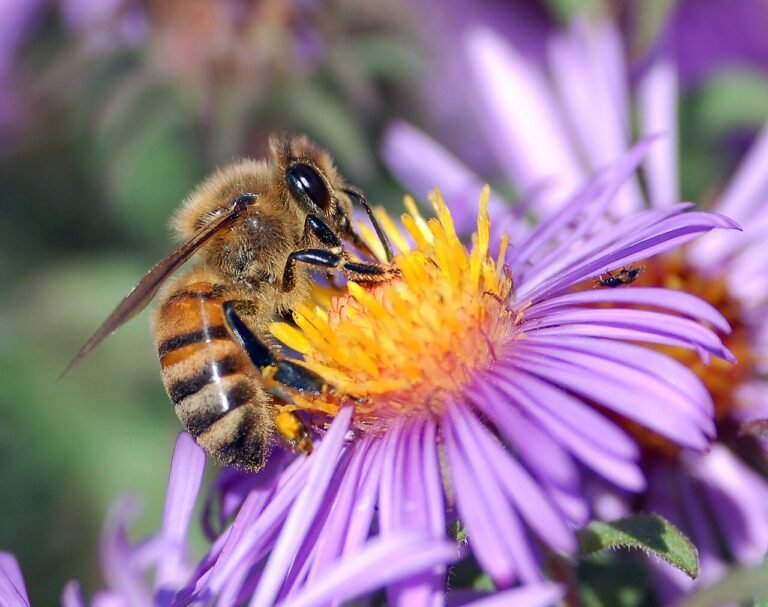
The history of the 2014 White House Pollinator Health Task Force, its 180-day deadline for a national strategy, and the $15 billion case behind it.

How World War II turned beekeeping into classified war-essential work, driven by 350 military uses for beeswax and wartime sugar rationing.
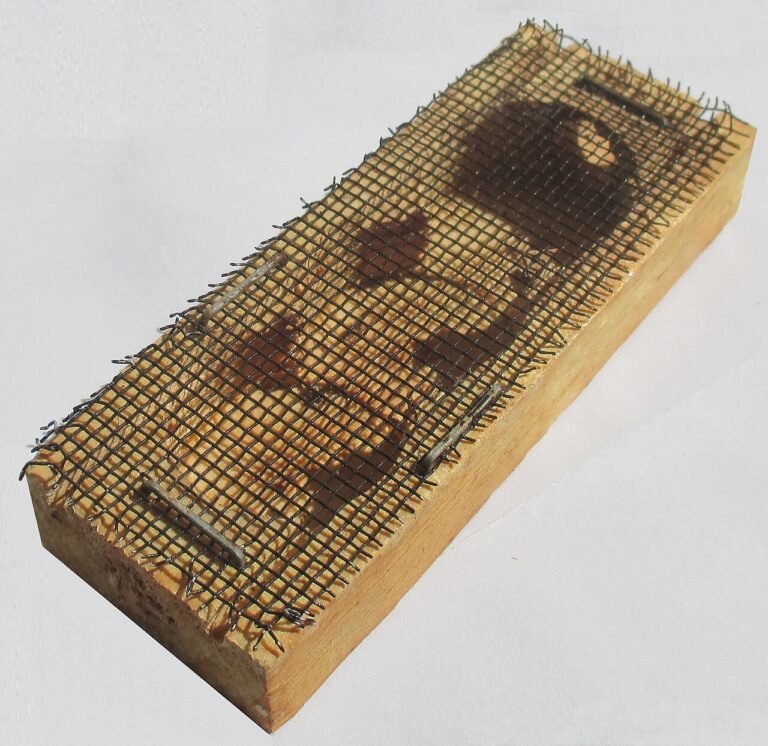
The real history of Frank Benton, the USDA bee explorer who verified Cyprian and Caucasian bee imports abroad and invented the modern queen mailing cage.