Isle of Wight Disease: The Epidemic That Nearly Ended British Beekeeping
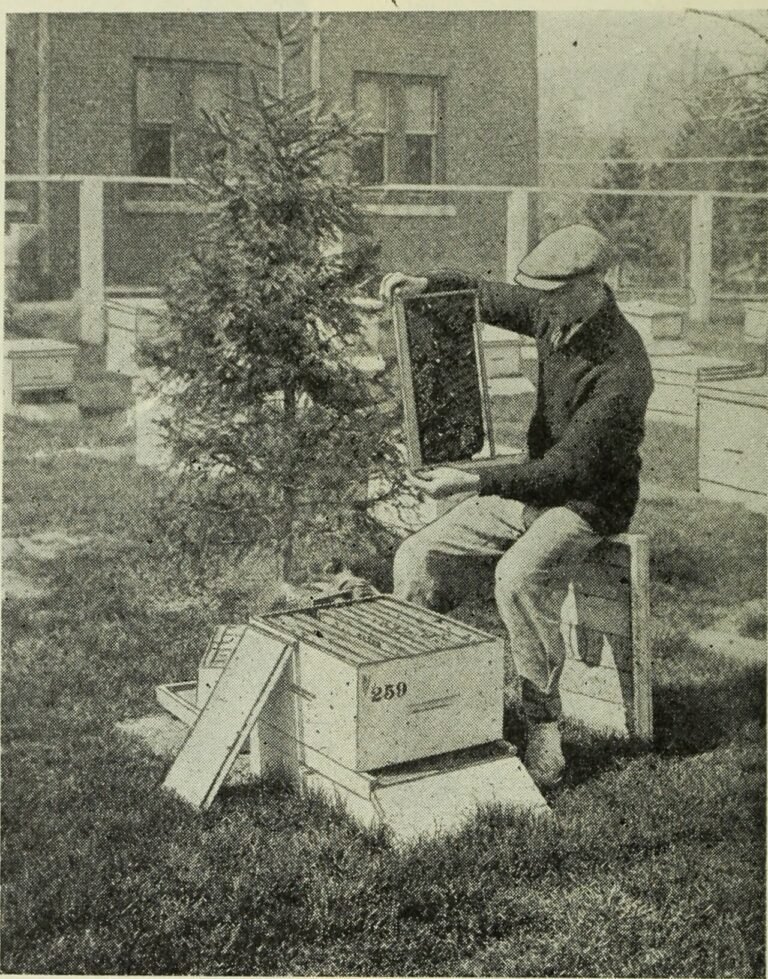
The history of Isle of Wight disease, the early-1900s epidemic that killed 90% of British and Irish bee colonies and still divides scientists on its cause.


The history of Isle of Wight disease, the early-1900s epidemic that killed 90% of British and Irish bee colonies and still divides scientists on its cause.
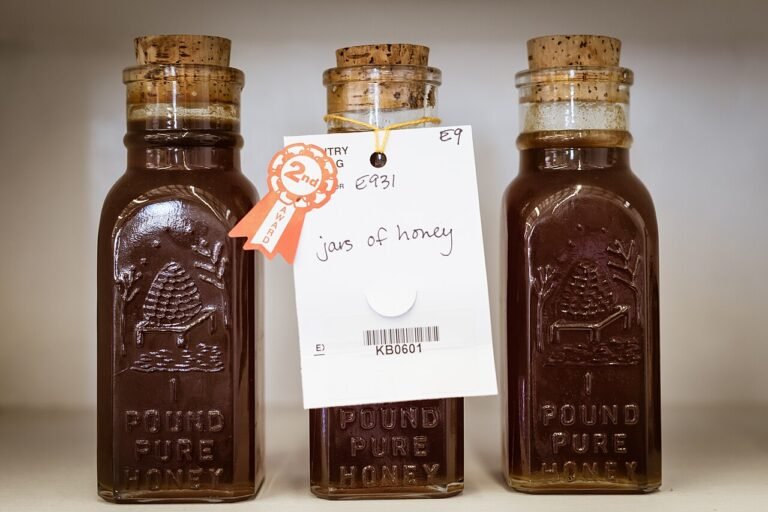
The real history of the National Honey Board's checkoff program, from its 1986 founding to the 2008 shift from producers to packers and importers.
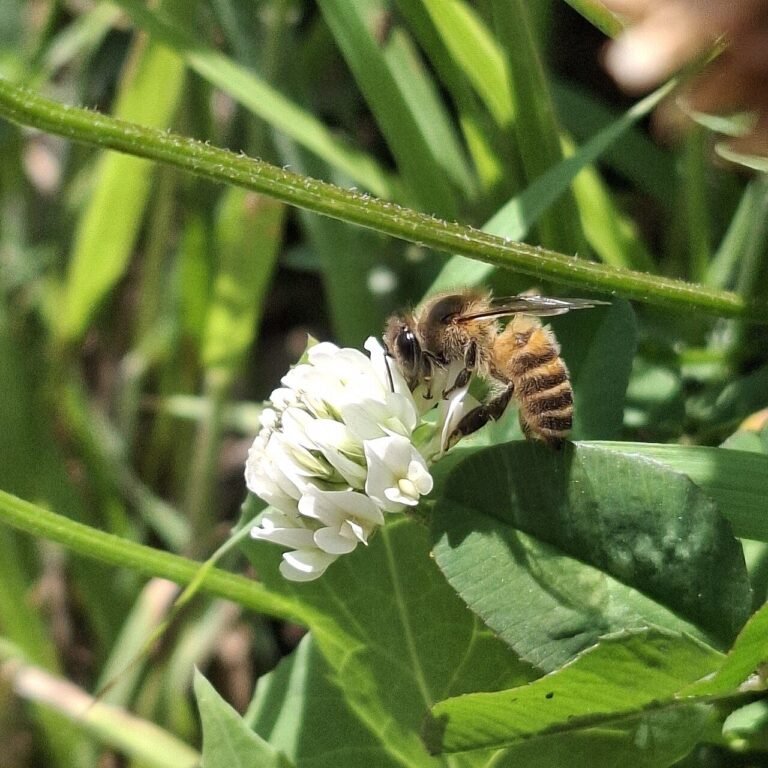
How a 1943 wartime conference in Chicago became the American Beekeeping Federation, and what the organization actually does for beekeepers today.
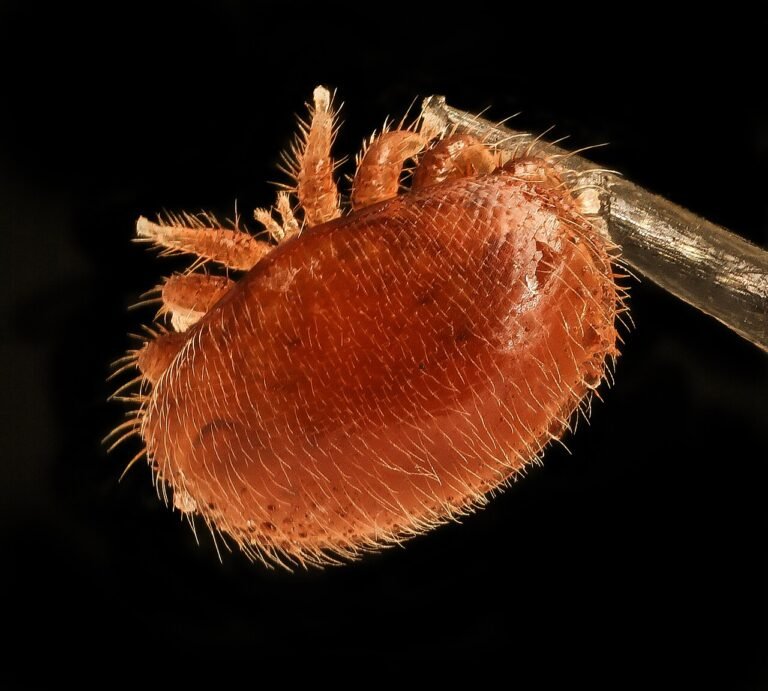
How Varroa mites, first confirmed in the U.S. in September 1987, spread nationwide within eight years and forced a permanent shift in beekeeping practice.

The documented history of bees and hornets used in warfare, from 1935 Ethiopian tank defense to medieval siege legends and Vietnam War booby traps.
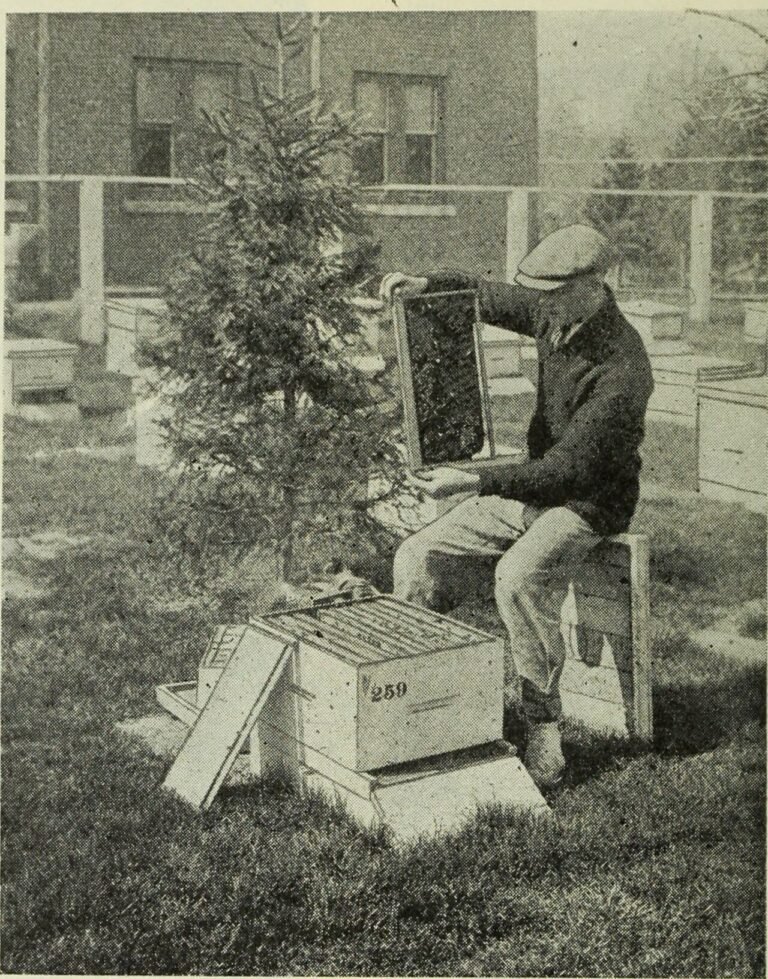
Why Congress banned live honey bee imports in 1922, how the law changed over four later amendments, and why it still shapes American bee genetics today.
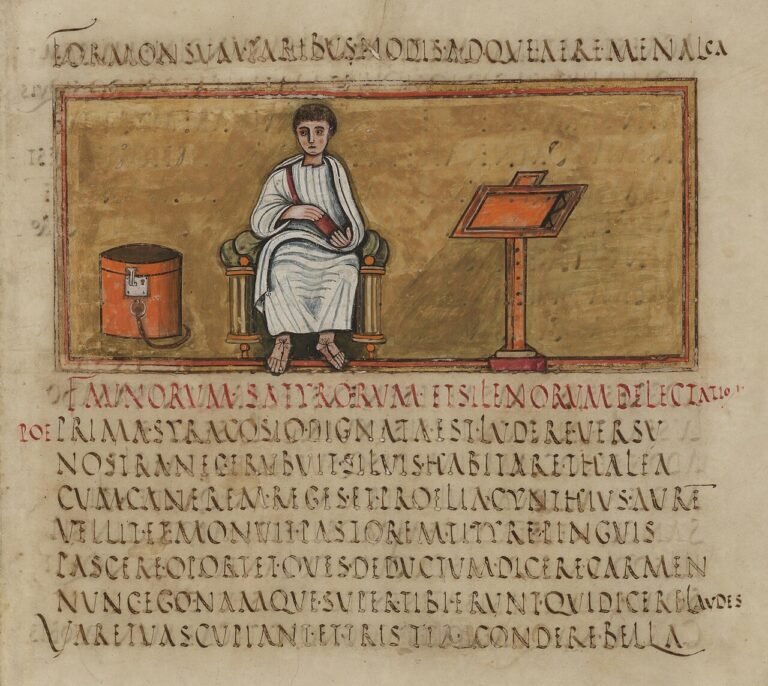
What Virgil's Georgics, Columella, and Varro actually reveal about how Romans kept bees, priced honey, and inherited a 1,700-year-old mistake about the hive's ruler.
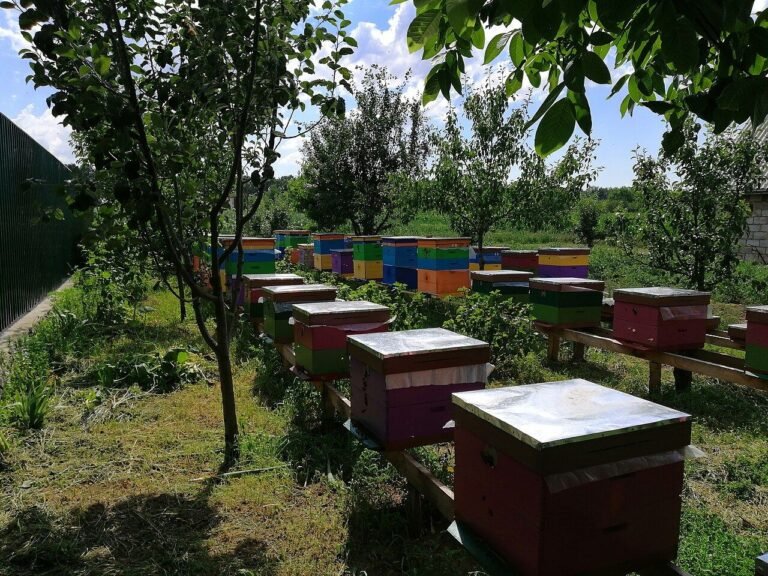
How the war has cut Ukraines honey production and colony numbers, and why the impact reaches European honey buyers too.
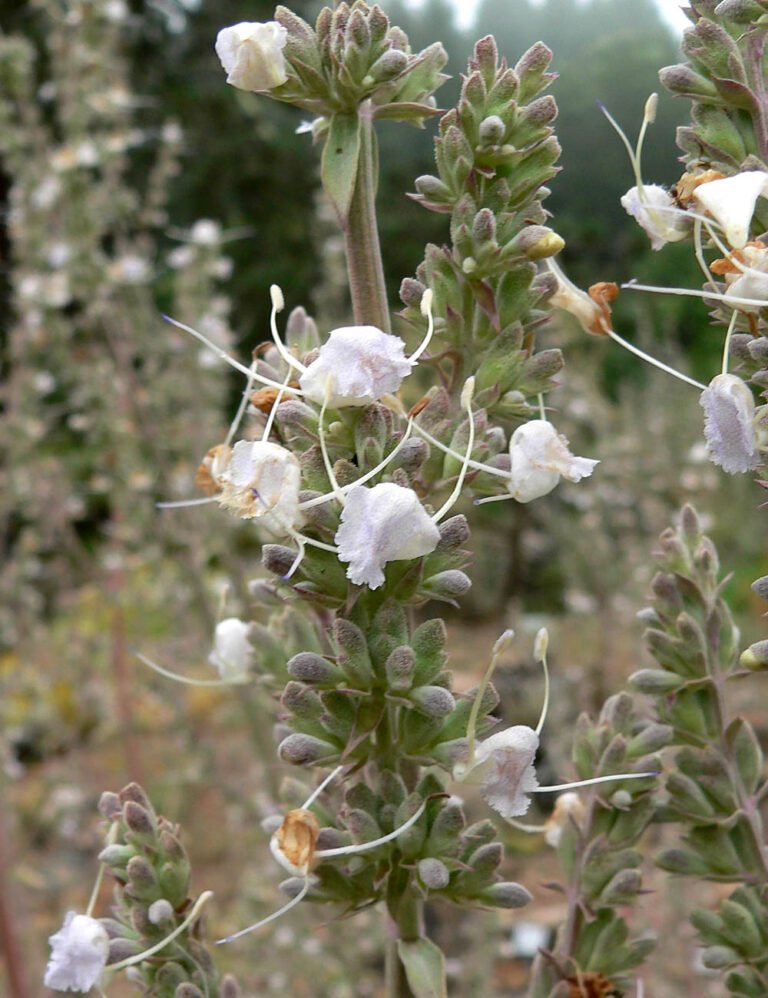
Sage honey stays liquid for 12-18 months thanks to an unusually high fructose ratio. Which California Salvia species produce it, and why chefs specifically prefer its mild flavor.