Flood-proofing an apiary starts long before any storm is in the forecast — it starts with where you choose to put your hives in the first place. Unlike hurricane wind and wildfire, which both have real “advance warning” preparation windows, flood risk is often a function of your specific site’s elevation and drainage, meaning the most important flood-proofing decisions are ones you make once, when setting up an apiary, rather than actions you take each time bad weather approaches.
This guide covers how to actually check a site’s flood risk before placing hives there, elevation and stand design that genuinely reduces flood exposure, floating hive systems for chronically flood-prone locations, drainage factors that matter even outside a full flood event, and what to do both before flooding is forecast and after a colony has already taken on water. Flooding is often treated as a regional concern specific to hurricane zones or riverside apiaries, but heavy rain events capable of temporarily waterlogging a poorly sited hive can happen almost anywhere, making at least a basic flood-risk assessment worthwhile even for beekeepers who don’t consider themselves to be in a traditionally flood-prone area.
Key Takeaways
- Site selection matters more than any single flood-mitigation tactic — avoiding riverbanks and low-lying depressions when first siting an apiary prevents most flood problems before they start.
- Standard elevated hive stands (roughly 12-18 inches, using concrete blocks and lumber) offer real flood protection as a byproduct of the ventilation and pest-control benefits they’re normally built for.
- For chronically flood-prone sites, dedicated floating hive systems exist that rise and fall with water level on a fixed anchor, keeping the colony above the waterline automatically.
- Checking a specific site’s actual flood zone designation, through FEMA’s Flood Map Service Center, before committing to it as an apiary location is a genuinely underused, low-effort prevention step.
- When flooding is specifically forecast for an existing site, moving hives to higher ground temporarily follows the same basic logic as hurricane relocation — do it early, not at the last minute.
Table of Contents
- Checking a Site’s Actual Flood Risk Before You Commit
- Elevated Stands: Your First Line of Defense
- Platform Systems for Multiple Hives
- Floating Hive Systems for Chronic Flood Risk
- What to Do When Flooding Is Forecast for an Existing Site
- Drainage Considerations Beyond Elevation
- After the Flood: Assessing and Recovering Flooded Colonies
- Frequently Asked Questions
Checking a Site’s Actual Flood Risk Before You Commit
Per the Mid-Atlantic Apiculture Research and Extension Consortium’s guidance on apiary location, avoiding sites near a riverbank or other spot with real flood potential is the foundational recommendation before any hive is ever placed. Beyond visual judgment, FEMA’s Flood Map Service Center is the official, free government tool for checking a specific address’s actual flood zone designation — entering a property address shows whether it falls in a low-risk zone or a designated floodplain, information genuinely worth checking before committing a permanent apiary location to a spot that looks fine in dry weather but sits in a documented flood zone. This single research step, done once before hives are ever placed, prevents more flood problems than any stand design or mitigation tactic applied after the fact. It’s also worth checking a prospective site’s history informally, by asking neighbors or a local landowner whether the specific spot has flooded in recent memory, since flood zone maps are based on modeled data and don’t always capture every local drainage quirk a longtime resident would already know about.
Elevated Stands: Your First Line of Defense
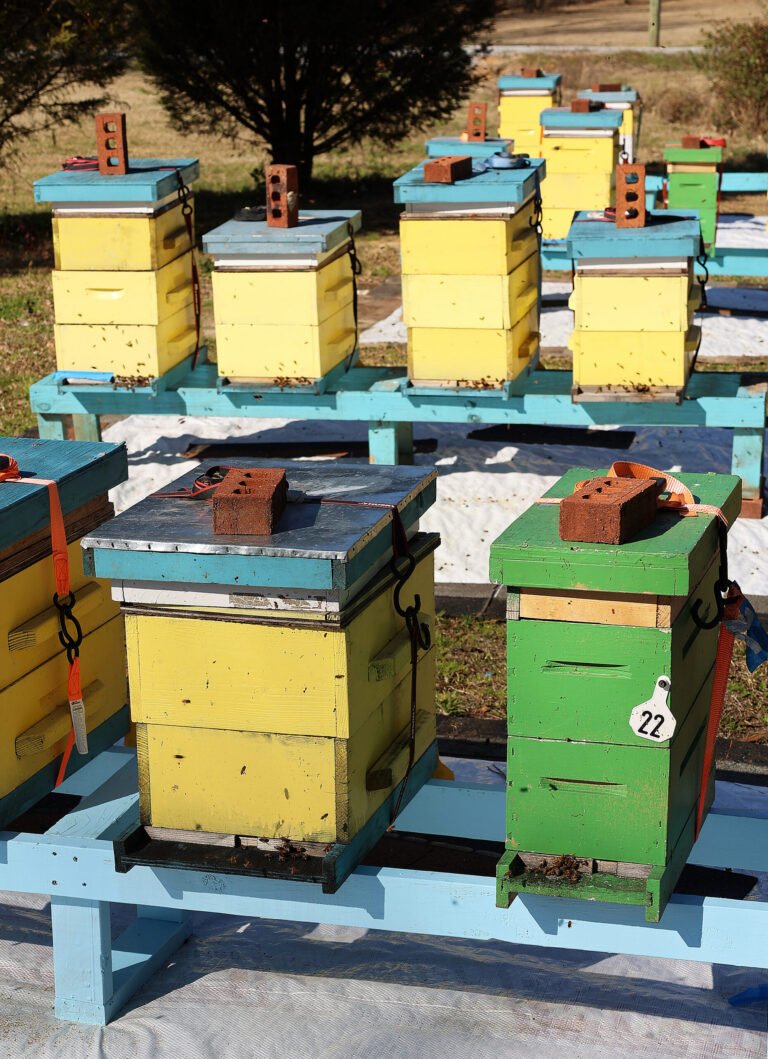
Standard elevated hive stands — commonly built from concrete blocks and 4×4 lumber, raising hives roughly 12 to 18 inches off the ground — are normally recommended for ventilation and pest control, but they offer real, genuine flood protection as a direct byproduct of that height. In northern climates specifically, a minimum of about 6 inches of elevation is commonly recommended even where flooding isn’t the primary concern, meaning most well-built hive stands already provide some baseline flood resistance even when that wasn’t the original design intent. This is a case where good general hive-siting practice and flood-proofing specifically point toward the same solution, making elevated stands close to a “do this anyway” recommendation regardless of your specific flood risk level.
Platform Systems for Multiple Hives
For beekeepers managing several hives together, a platform-based approach — a cinder block base supporting a framework of 2×6 lumber topped with a solid surface — works well for organizing a row of six to eight hives at a consistent, elevated height rather than building individual stands for each colony separately. This approach combines the flood-resistance benefit of elevation with genuine practical convenience for apiary management, since a shared platform is generally easier to inspect, maintain, and expand than a scattered collection of individually elevated single-hive stands.
Floating Hive Systems for Chronic Flood Risk
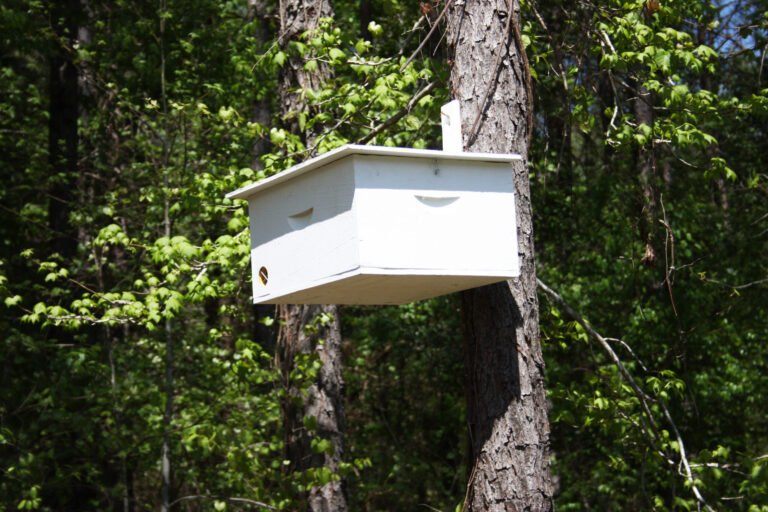
For genuinely flood-prone locations where even a well-elevated stand periodically floods, dedicated floating systems exist specifically to solve this problem. Simple DIY versions use a raft-style platform built on sealed 55-gallon plastic drums, floating like a small dock. More sophisticated purpose-built systems, like the Beekon hive platform, use a buoyant ring that slides freely up and down a fixed central mast anchored into the ground — rising water lifts the colony automatically, keeping it above the waterline, and the platform settles back to its original resting position once water recedes, without requiring the beekeeper to intervene during the flood event itself. For a site where flooding is a recurring, expected seasonal pattern rather than a rare emergency, this kind of dedicated floating infrastructure is worth the upfront investment compared to repeatedly losing colonies to water damage.
What to Do When Flooding Is Forecast for an Existing Site
When heavy rain or flooding is specifically forecast for an apiary that isn’t built on flood-resistant infrastructure, the same core principle from hurricane preparedness applies: act on the early forecast, not the last-minute warning. Moving hives temporarily to higher ground, or to an alternate yard entirely if you maintain one, is far more achievable with a day or two of lead time than once water is already rising around an existing hive location. Beekeepers who regularly manage sites with any real flood exposure benefit from simply watching regional weather forecasts during rainy seasons as a standing habit, the same way a hurricane-prone beekeeper tracks storm forecasts through hurricane season, rather than treating flood risk as something that only becomes relevant once water is visibly approaching. Keeping a simple, written evacuation plan for the apiary specifically, noting where hives would be moved and what equipment is needed to move them quickly, removes decision-making pressure from the moment itself, the same benefit a written plan provides for hurricane preparedness more broadly.
Drainage Considerations Beyond Elevation
Elevation alone doesn’t solve every water problem an apiary can face. A hive stand that sits at the correct height but is placed in a spot where water pools and takes days to drain after normal rain still leaves the ground beneath the hives saturated, which can promote mold and chilling of the colony even if the boxes themselves never actually flood. Choosing a site with a slight natural grade, rather than a flat depression, lets rainwater move away from the apiary instead of collecting under it. Where the only available site is genuinely flat, a shallow gravel bed under and around the hive stands improves drainage meaningfully by giving water somewhere to percolate through rather than sitting on bare soil. Clearing vegetation that blocks natural runoff paths, and avoiding compacted soil directly beneath hive stands, are both simple additions to a flood-proofing plan that cost nothing beyond the labor to do them, and they reduce moisture problems even in a year with no flood event at all.
After the Flood: Assessing and Recovering Flooded Colonies
When a colony does take on water despite preventive measures, the recovery approach matters as much as the prevention did. Opening a flooded hive as soon as it’s safe to do so, rather than waiting for everything to dry out on its own, lets you assess how much of the colony survived and remove any frames that are waterlogged beyond saving. Comb that has been submerged and is visibly moldy or structurally compromised should generally be replaced rather than reused, since mold introduced into stored comb can persist and affect brood health well after the flood itself has passed. A colony that survived a flood but lost significant population may need to be consolidated onto fewer frames temporarily, similar to the approach used after any population-reducing event, so the remaining bees can properly cover and defend the smaller cluster while they rebuild. Checking on the queen’s status specifically is also worth prioritizing, since a colony that survived a flood physically but lost its queen in the process needs a very different recovery plan than one that simply lost some worker population.
Frequently Asked Questions
How do I know if my apiary site is at real flood risk?
Check the specific address using FEMA’s Flood Map Service Center, the official government tool for flood zone designations, before assuming a site is safe based on how it looks in normal weather.
How high should a hive stand be to help with flood protection?
Roughly 12 to 18 inches is standard for ventilation and pest control, with a minimum of about 6 inches commonly recommended even in lower-risk climates — this height also provides real flood resistance as a byproduct.
What is a floating hive system?
A platform, either a simple DIY raft on sealed drums or a purpose-built system like Beekon, that rises and falls with water level, keeping the colony above the waterline automatically during a flood.
Should I move my hives if flooding is forecast?
Yes, if the site isn’t already flood-resistant — move to higher ground or an alternate yard as early as possible once flooding is forecast, following the same early-action principle as hurricane preparation.
Is site selection or stand height more important for flood protection?
Site selection matters more — avoiding riverbanks and low-lying depressions when first choosing an apiary location prevents more flood problems than any stand design applied afterward.
FAQ
How do I know if my apiary site is at real flood risk?
Check the address using FEMA’s Flood Map Service Center, the official flood zone tool.
How high should a hive stand be to help with flood protection?
Roughly 12-18 inches is standard, with a minimum of about 6 inches even in lower-risk areas.
What is a floating hive system?
A platform that rises and falls with water level, keeping the colony above the waterline.
Should I move my hives if flooding is forecast?
Yes, move to higher ground as early as possible once flooding is forecast.
Is site selection or stand height more important for flood protection?
Site selection matters more than any stand design applied after the fact.