Published September 1, 2026
If you grow pumpkins, zucchini, or any other squash, there’s a good chance a specialist native bee is doing most of the pollination work in your garden before you’ve even had coffee. Squash bees are active and largely finished foraging by mid-morning, often well before honeybees or bumblebees have started their day, and unlike almost every other bee discussed on this site, they eat nothing but squash and pumpkin pollen their entire lives. This guide covers what squash bees are, why their foraging schedule is so unusual, their ground-nesting biology, and how to recognize and support them in a home vegetable garden.
Table of Contents
- What Squash Bees Actually Are
- Why They Forage Before Sunrise
- Ground-Nesting Biology
- A Genuinely Odd Habit: Males Sleeping Inside Flowers
- How to Tell a Squash Bee From a Honeybee at a Glance
- What This Means for Home Vegetable Gardeners
- Why Squash Flowers Need So Many Pollinator Visits
- Squash Bees vs. Honeybees and Bumblebees on the Same Flowers
- Common Mistakes
- A Pollinator That Followed Its Crop Out of Mexico
- Frequently Asked Questions
What Squash Bees Actually Are
Squash bees belong to two closely related genera, Peponapis and Xenoglossa, with roughly 11 species found across North America north of Mexico. They’re solitary, medium-sized bees, roughly honeybee-sized or slightly larger, generally brownish and less conspicuously furry or brightly colored than bumblebees. What makes them genuinely unusual isn’t their appearance but their diet: squash bees are pollen specialists (technically called oligoleges) that collect pollen exclusively from plants in the genus Cucurbita, meaning squash, pumpkins, zucchini, and gourds, and essentially nothing else. A honeybee or bumblebee will happily move between dozens of unrelated flower species in a single foraging trip; a squash bee, by contrast, has evolved to specialize on one plant family and largely ignores everything else in the garden.
Why They Forage Before Sunrise
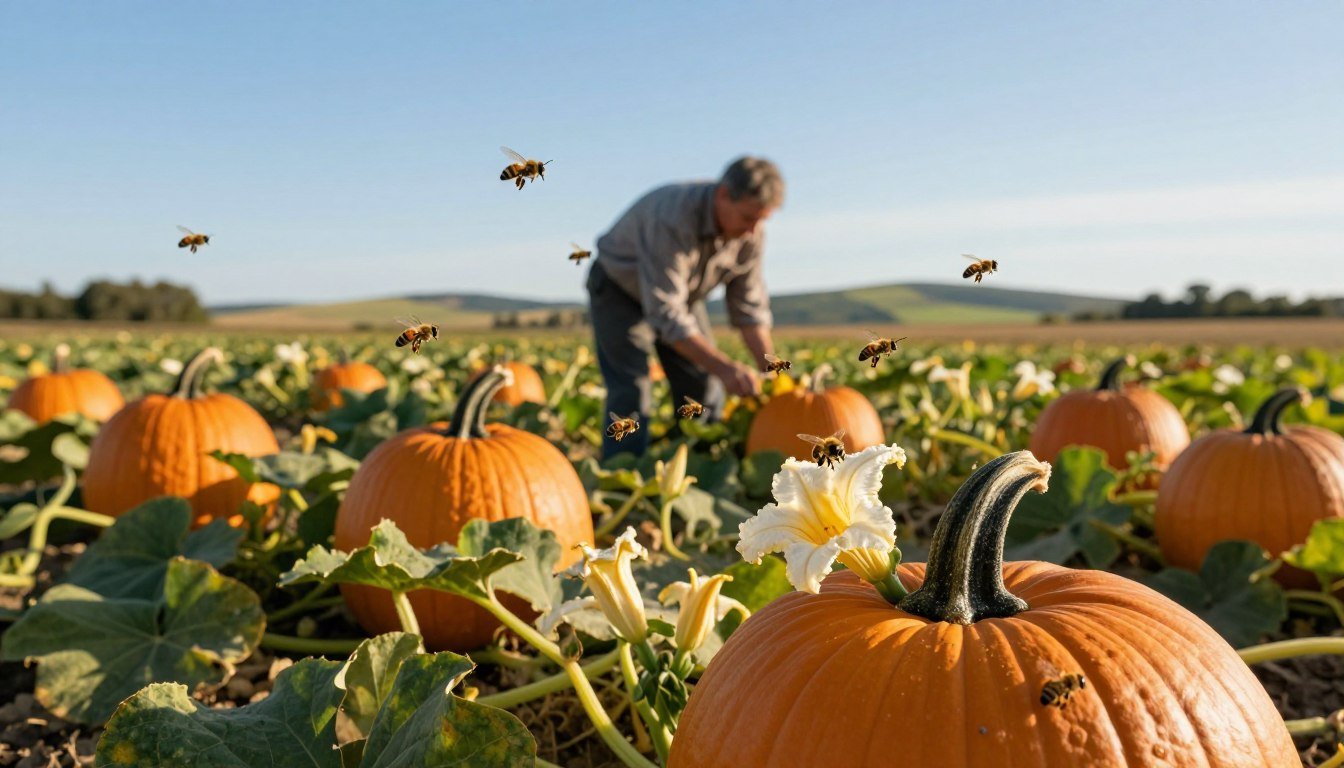
Squash bee activity is tightly synchronized to the flowers they specialize on, not the other way around. Cucurbit flowers open very early, often before or right around sunrise, and typically wilt and close again by early-to-mid afternoon on the very same day, giving pollinators a narrow window measured in hours rather than the multi-day bloom window many other garden flowers offer. Squash bees are genuinely early risers among bees, frequently active and foraging in the low light just before dawn, well ahead of honeybees, which generally wait for warmer, brighter conditions before leaving the hive. This isn’t a coincidence; it’s a precise evolutionary match between a specialist pollinator and the short-lived flower it depends on, and it’s the direct reason a squash or pumpkin patch can be efficiently pollinated even before most other garden pollinators have started their day.
Ground-Nesting Biology
Unlike mason and leafcutter bees, which nest in hollow cavities above ground, squash bees are ground-nesters. A female digs a narrow vertical tunnel directly into bare or lightly vegetated soil, frequently right in a garden bed or agricultural field, often within a few feet of or directly beneath the cucurbit plants she forages on. Each female maintains and provisions her own individual tunnel and brood cells, working alone with no worker caste or shared colony structure, though it’s common to find many squash bee females nesting in loose aggregations within the same patch of suitable soil, sometimes numbering in the dozens or more within a small area without any actual social cooperation, shared brood care, or defense between the individual nesting females. Because of this, a thriving pumpkin patch with visibly bare soil nearby is often, without the gardener realizing it, also a small squash bee nesting ground.
A Genuinely Odd Habit: Males Sleeping Inside Flowers
One of the more memorable and frequently observed behaviors associated with squash bees involves the males rather than the nesting females. Because squash flowers close up around midday, male squash bees that are still inside a flower when it closes, or that deliberately enter a wilting flower late in the day, often end up spending the night sealed inside, sometimes in small clusters of several males in the same closed blossom. Gardeners who check squash flowers in the early morning before they’ve reopened occasionally find groggy, slow-moving male bees waiting inside, a genuinely distinctive and easy-to-observe piece of natural history that most people never realize is happening in their own vegetable garden.
Why do male squash bees sleep inside flowers instead of going home?
Because males are solitary and don’t maintain or return to any nest of their own the way females do; a closed flower simply offers convenient, sheltered overnight protection for a male with nowhere else in particular to be until morning.
How to Tell a Squash Bee From a Honeybee at a Glance
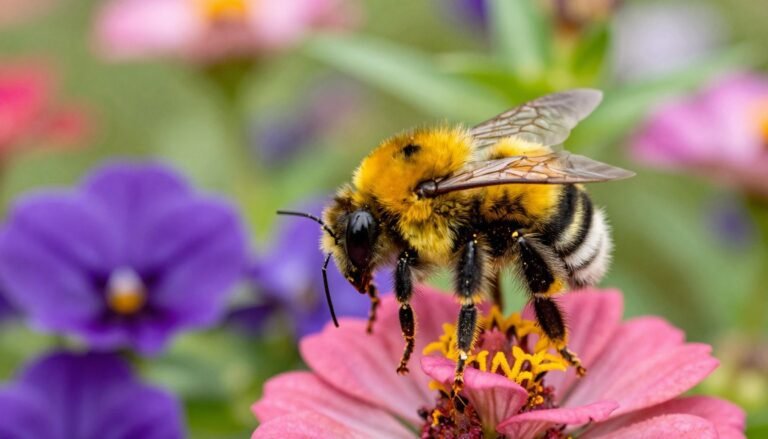
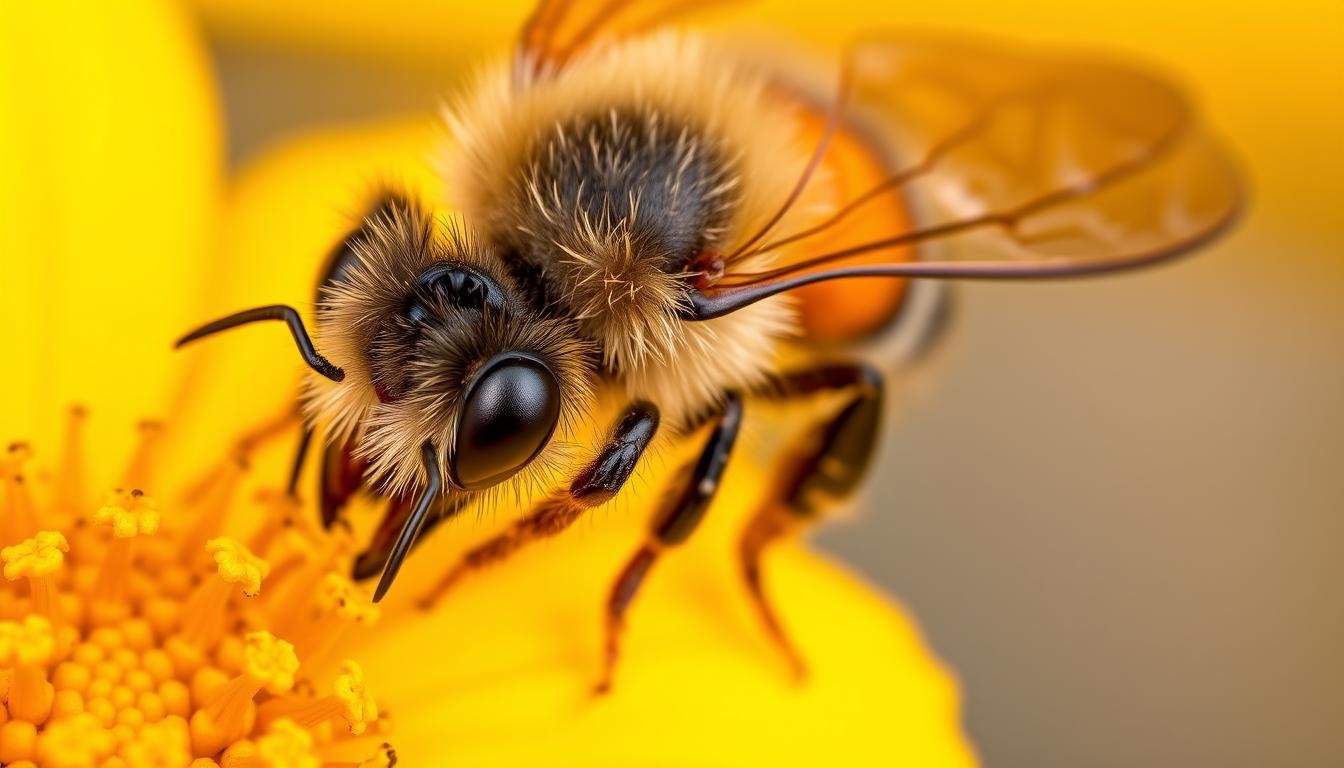
Since both species will visit the same cucurbit flowers, sometimes within minutes of each other, a few quick visual cues help separate them. Squash bees are generally somewhat larger and stockier-bodied than honeybees, with noticeably large, dark eyes that stand out against a duller, less golden coloring overall. Female squash bees carry pollen dry on dense hairs on their hind legs, similar in concept to a honeybee’s pollen basket but visibly bushier and less neatly packed. Timing is often the simplest clue of all: a bee working a cucurbit flower at first light, before honeybees are typically active, is almost certainly a squash bee rather than a honeybee, regardless of subtler physical differences.
What This Means for Home Vegetable Gardeners
For anyone growing squash, pumpkins, or zucchini, the practical value of squash bees is significant, and their presence is one of the more reassuring signs a vegetable garden’s soil and surrounding habitat is in reasonably good shape. Because they nest in bare or sparsely vegetated ground, heavy tilling, thick landscape fabric, or deep mulch spread directly over potential nesting soil can disrupt or destroy active nests, so gardeners hoping to support squash bees generally do best leaving some undisturbed bare soil patches near cucurbit plantings rather than mulching every available inch. Avoiding insecticide application during the brief morning window when cucurbit flowers are open and squash bees are actively foraging matters more here than with many other pollinators, given how concentrated and predictable that foraging window is.
Why Squash Flowers Need So Many Pollinator Visits
Cucurbit flowers have an unusually demanding pollination requirement compared to many other garden vegetables: a single female squash or pumpkin flower typically needs pollen delivered from something like a dozen or more separate visits, carrying hundreds of individual pollen grains, to fully fertilize all the ovules inside and produce a well-formed, symmetrical fruit. Partial pollination is a common, frustrating experience for home gardeners, showing up as small fruit that starts to develop and then yellows and shrivels partway through, or as oddly lopsided, underdeveloped squash and pumpkins. This unusually high pollination threshold is a major reason a strong squash bee population, foraging intensively and repeatedly during the flower’s brief morning opening window, matters so much for consistent, well-formed fruit, since achieving that many visits purely by chance from occasional passing pollinators is far less reliable.
Squash Bees vs. Honeybees and Bumblebees on the Same Flowers
All three groups visit cucurbit flowers, but they do it differently and at different times. Squash bees arrive earliest, often before sunrise, move quickly and efficiently between flowers because they’re specialists who know exactly what they’re looking for, and are largely finished for the day by mid-morning as flowers begin closing. Honeybees and bumblebees tend to arrive somewhat later in the morning once temperatures rise, and while they’re capable pollinators of cucurbit flowers too, they’re generalists dividing their attention across many other flower species in the area rather than specializing on squash alone. In practice, a garden with a healthy squash bee population, supplemented by honeybees and bumblebees later in the morning, tends to achieve the most consistent full pollination and best fruit set, another example, much like the mason-bee-and-honeybee research on orchard fruit, of different pollinator species complementing rather than simply duplicating each other’s work.
Do squash bees pollinate anything besides squash and pumpkins?
Essentially no, as far as their pollen collection for offspring is concerned; while adult squash bees may occasionally sip nectar from other flowers for their own energy needs, they collect pollen almost exclusively from Cucurbita species, which is exactly what makes them oligoleges (pollen specialists) rather than generalist foragers like honeybees or bumblebees.
Will tilling my garden every year eliminate my squash bees?
It can, particularly if tilling happens during the nesting season and disturbs the specific patches of soil where females have already dug tunnels; gardeners hoping to keep a squash bee population intact from year to year generally do better minimizing tillage in at least some bare-soil areas near where cucurbits are grown, rather than tilling the entire bed every season.
Common Mistakes
A common mistake is assuming poor squash or pumpkin fruit set is always a soil fertility or watering problem, when insufficient pollination, often from a lack of squash bees or other pollinators during the brief morning flower-opening window, is a frequent and easily overlooked cause, particularly in gardens with heavy pesticide use or minimal bare ground nearby. Another mistake is over-mulching or tilling every square foot of a vegetable garden, which can eliminate the exact bare-soil nesting conditions squash bees need without the gardener ever realizing a beneficial specialist pollinator was using that space. People also sometimes confuse squash bees with honeybees seen later in the day on the same flowers; honeybees will visit already-open cucurbit flowers throughout the morning, but squash bees are typically the first and most specialized visitors, active earliest and most tightly tied to that plant alone.
A Pollinator That Followed Its Crop Out of Mexico
Squash bees have a genuinely interesting origin story tied directly to agricultural history. Cucurbita species were domesticated in Mexico and Central America thousands of years ago, and as indigenous farmers spread squash and pumpkin cultivation northward across North America, squash bees appear to have expanded their own range right alongside their host plant, a specialist pollinator effectively following its crop across an entire continent over thousands of years of continuous agricultural history rather than through any single, recent introduction event. Today, squash bee species are found virtually anywhere cucurbits are grown across the continental United States and southern Canada, which makes them one of relatively few native bee species whose range was measurably shaped by human agriculture rather than existing independently of it. For a broader view of how specialist species like this fit alongside more generalist native pollinators, see this site’s overview of native bee species found across the United States.
Frequently Asked Questions
How can I tell if low fruit set in my garden is a pollination problem rather than something else?
A useful early clue is watching what happens to small fruit shortly after the flower fades: fruit that starts developing normally and then yellows, softens, and shrivels within the first several days is a classic sign of incomplete pollination, whereas fruit that never begins developing at all more often points to a different issue, such as an all-male flower flush early in the season or unrelated plant stress.
Do squash bees sting?
They can, but like most solitary bees they’re non-aggressive with no hive or honey stores to defend, and stings from squash bees are rare and generally only occur if a bee is directly handled.
Can I attract squash bees if I don’t already have them?
To some extent, yes; leaving bare, undisturbed soil near cucurbit plantings and avoiding pesticide use during the morning flowering window gives any nearby wild squash bee population the best chance of establishing nests in your garden, though unlike mason bees they can’t easily be purchased or introduced from a commercial source.
Do I still need honeybees if I have squash bees in my garden?
For squash and pumpkins specifically, a healthy, well-established squash bee population can often provide the large majority of the pollination a home garden actually needs entirely on its own; honeybees and bumblebees still contribute meaningfully to cucurbit pollination later in the flower’s short opening window and remain essential for every other flowering plant in the garden.