Published August 31, 2026
Table of Contents
- An Important Clarification First
- What Bee City USA Actually Certifies
- Bee City USA’s Real Application Requirements
- What a Bee City USA Resolution Typically Includes
- Bee Campus USA: The University Version
- What Bee Better Certified Actually Certifies
- Bee Better Certified’s Real Application Process
- How an Individual Beekeeper Can Actually Get Involved
- Bee City USA vs. Bee Better Certified
- Who Should Pursue These Programs
- The Xerces Society’s Role Behind Both Programs
- How to Actually Start a Bee City USA Committee
- Maintaining Certified Status Over Time
- A Focus Broader Than Honey Bees Specifically
- How a Local Beekeeping Club Can Support an Application
- A Realistic Timeline for Bee City USA Certification
- Bee Better Certified Eligibility Details
- Marketing Value for Certified Farms
- Related Programs Worth Knowing About
- Documenting Your Advocacy or Certification Progress
- Common Mistakes
An Important Clarification First
Neither Bee City USA nor Bee Better Certified is a certification an individual hobbyist beekeeper can personally obtain — Bee City USA certifies municipalities and counties, while Bee Better Certified is a farm-level agricultural certification for open-field growers, both administered through the Xerces Society and its partners. This distinction matters genuinely: understanding what each program actually certifies helps beekeepers engage with these programs the right way, whether that’s advocating locally or, for beekeepers who also farm, pursuing farm-level certification directly.
What Bee City USA Actually Certifies

Bee City USA certifies incorporated municipalities and counties that formally commit to pollinator conservation through a city council or county resolution, establishing an ongoing community-level program rather than certifying any single individual, business, or property. Affiliate communities pay an initial application fee and annual renewal fee scaled to population size, and as of recent counts the program has certified over 100 affiliate communities across the country.
Bee City USA’s Real Application Requirements
Applying communities must form a standing committee including both volunteers and city staff, designate a specific local government department as program sponsor, and have their community’s highest elected body formally vote to adopt a binding resolution — a genuinely substantial civic commitment, not a simple sign-up form. Certified affiliates commit to creating and sharing native-plant species lists, developing an integrated pest management plan reducing pesticide use, and running ongoing community awareness events and habitat-enhancement activities.
Bee Campus USA: The University Version
A parallel program, Bee Campus USA, applies the same basic certification model specifically to college and university campuses rather than municipalities, with annual fees scaled to student enrollment instead of city population, but following essentially the same committee-formation, resolution, and ongoing-commitment structure as the municipal program. Beekeepers affiliated with or advocating to a local college may find this the more directly relevant version of the program to pursue.
What Bee Better Certified Actually Certifies
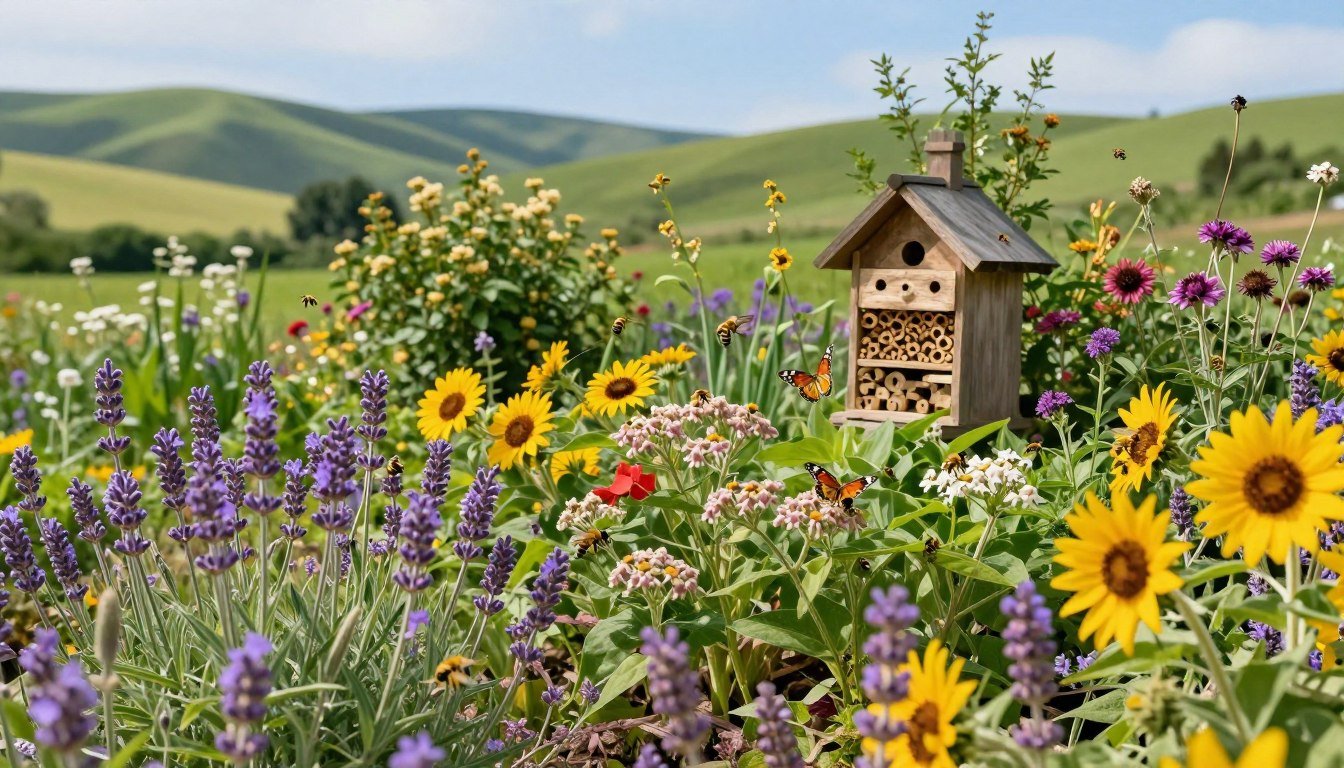
Bee Better Certified is a farm-level agricultural certification, administered by SCS Global Services in partnership with the Xerces Society, open to any open-field farm operation in North America able to establish both permanent, year-round pollinator habitat and temporary or annual habitat elements as part of their working land. This is a genuine, audited agricultural certification comparable in structure to organic certification, not a marketing label a farm can simply claim without verification.
Bee Better Certified’s Real Application Process
Farms pursuing certification first complete a Farm Management Assessment Guide to determine basic eligibility, then submit a formal Application and a detailed Bee Better Certified Plan outlining specific habitat commitments, followed by an annual on-site audit that includes physical site inspection, records review, and personnel interviews — a genuinely rigorous verification process, not a self-attestation.
How an Individual Beekeeper Can Actually Get Involved
Beekeepers without their own farm operation or municipal authority can still meaningfully engage with these programs by advocating for their local city or county to apply for Bee City USA certification, volunteering for an already-certified community’s standing committee, or connecting with a Bee Campus USA-eligible local college about pursuing that certification. Beekeepers who do operate open-field farms as part of their broader agricultural work should evaluate Bee Better Certified directly as a genuine certification opportunity for their own operation.
Bee City USA vs. Bee Better Certified
| Factor | Bee City USA | Bee Better Certified |
|---|---|---|
| Who can apply | Municipalities, counties (Bee Campus for universities) | Open-field farm operations |
| Commitment type | Formal government resolution | Audited habitat and management plan |
| Verification | Ongoing commitments, less formalized audit | Annual on-site audit |
| Individual beekeeper role | Advocacy, committee involvement | Direct certification if operating a qualifying farm |
These genuinely different program structures reflect their different target applicants — one civic and community-focused, the other agricultural and operationally rigorous.
Who Should Pursue These Programs
Beekeepers active in local government, civic organizations, or municipal sustainability committees are well-positioned to champion a Bee City USA application in their community. Beekeepers who also operate open-field farm land, whether for crop production or other agricultural purposes, are the genuine direct fit for Bee Better Certified specifically. A purely backyard hobbyist beekeeper without either civic influence or farm operations has limited direct application to either program, though supporting an already-certified local Bee City affiliate remains a worthwhile, accessible way to contribute.
The Xerces Society’s Role Behind Both Programs
Both Bee City USA and Bee Better Certified trace back to the Xerces Society for Invertebrate Conservation, a well-established nonprofit specifically focused on invertebrate and pollinator conservation science and advocacy, giving both programs genuine scientific credibility behind their specific requirements rather than being loosely defined marketing initiatives. Understanding this shared organizational backing helps explain why both programs share a similarly rigorous, substantive approach to their respective certification requirements despite targeting very different applicant types.
How to Actually Start a Bee City USA Committee
Beekeepers interested in initiating a local Bee City USA application typically start by reaching out to their city or county sustainability, parks, or planning department to gauge interest, then building a small founding group of interested residents, local beekeeping club members, and any sympathetic city staff before formally approaching elected officials with the proposal. Having concrete local examples of nearby certified affiliate communities to point to during this early outreach phase often helps build the case more persuasively than an abstract pitch alone.
Maintaining Certified Status Over Time
Both programs require ongoing commitment renewal rather than a one-time certification that lasts indefinitely — Bee City USA affiliates pay annual renewal fees and are expected to maintain active committee programming, while Bee Better Certified farms undergo repeated annual audits to confirm continued compliance with their certification plan. This ongoing-commitment structure is a meaningful difference from a simple one-time badge, and it’s worth beekeepers involved in either program understanding upfront that genuine sustained effort, not just initial application work, is required to maintain status.
A Focus Broader Than Honey Bees Specifically
Both programs are framed around pollinator conservation broadly, including native bee species, butterflies, and other pollinating insects, rather than specifically or exclusively promoting managed honey bee colonies — beekeepers engaging with either program should understand the conservation framing centers on native pollinator habitat and biodiversity generally, with honey bees representing one part of that broader picture rather than the primary focus. This distinction matters for setting accurate expectations about what kind of advocacy or on-the-ground work these programs actually emphasize.
How a Local Beekeeping Club Can Support an Application
A local beekeeping club can play a genuinely valuable supporting role in a Bee City USA application, contributing hands-on expertise to the required native-plant lists and integrated pest management planning, volunteering for ongoing committee work once certified, and lending organizational credibility to the initial pitch to elected officials. Clubs interested in this kind of civic engagement should consider it a genuine extension of their existing community-education mission rather than an entirely separate undertaking.
A Realistic Timeline for Bee City USA Certification
Given the committee-formation, planning, and formal government-resolution steps involved, a Bee City USA application realistically takes several months to a year or more from initial interest to final certification, depending heavily on how quickly local government processes move and how much groundwork the founding committee has already done before formally approaching officials. Beekeepers or advocates starting this process should plan for genuine sustained effort over this realistic timeframe rather than expecting a quick turnaround.
Bee Better Certified Eligibility Details
Beyond the general open-field requirement, farms considering Bee Better Certified should review the specific Farm Management Assessment Guide directly rather than assuming eligibility based on general farm type alone, since specific crop types, operation scale, and existing land management practices all factor into whether a given operation genuinely qualifies before investing time in the full application and audit process. This upfront eligibility check is a sensible first step before committing to the more substantial application and planning work that follows.
Marketing Value for Certified Farms
Beyond the genuine conservation benefit, Bee Better Certified status gives participating farms a documented, third-party-verified label they can reference in marketing to consumers specifically interested in supporting pollinator-friendly agriculture, similar in market positioning to organic or other recognized agricultural certifications. For a beekeeper who also operates a qualifying farm, this marketing dimension is a genuine additional business consideration worth weighing alongside the conservation motivation for pursuing certification.
Related Programs Worth Knowing About
Beyond Bee City USA and Bee Better Certified specifically, several related pollinator-focused certification and recognition programs exist at state and regional levels, along with broader wildlife habitat certification programs that include pollinator-relevant criteria — beekeepers deeply interested in this civic and agricultural advocacy space may find it worthwhile to research what additional regional programs exist specifically in their own state beyond these two nationally recognized options.
Documenting Your Advocacy or Certification Progress
Whether supporting a Bee City USA application or pursuing Bee Better Certified for your own farm, keeping organized records of meetings, correspondence, and progress milestones genuinely helps maintain momentum through what’s typically a months-long process, and gives you a useful reference if questions arise later about what commitments were actually made or what stage the effort had reached.
Common Mistakes
Assuming either program certifies individual beekeepers or backyard properties directly misunderstands what these programs actually verify — municipalities and farm operations respectively, not individual hobbyist beekeeping setups. Treating a Bee City USA application as a simple sign-up rather than the genuine civic commitment (committee formation, formal resolution, ongoing programming) it actually requires underestimates the real effort involved. Assuming Bee Better Certified is a self-declared marketing label rather than an audited certification overlooks the genuine annual on-site verification process behind it.
What a Bee City USA Resolution Typically Includes
A typical adoption resolution formally names the community’s commitment to the program’s core principles, designates the sponsoring department, and establishes the standing committee’s authority to carry out the required activities, with the exact language reviewed and approved through the member portal before the vote — giving the certifying organization a chance to confirm the resolution genuinely reflects the program’s actual requirements before a community’s elected body formally adopts it.
Sources
Program requirements and application processes reflect published documentation from Bee City USA, Bee Campus USA, the Xerces Society, and SCS Global Services’ Bee Better Certified program materials.
FAQ
Can an individual beekeeper get Bee City USA certified?
No — Bee City USA certifies municipalities and counties (or campuses through the related Bee Campus USA program), not individuals; a beekeeper can advocate for their local government to apply, but can’t personally hold the certification.
Is Bee Better Certified relevant to backyard beekeepers?
Generally only if the beekeeper also operates an open-field farm — it’s an agricultural certification for farm operations, not a designation for backyard hives or small residential apiaries.
How much does Bee City USA certification cost?
Affiliates pay an initial application fee plus an annual renewal fee scaled to the community’s population size (or student enrollment for Bee Campus USA affiliates).
Does Bee Better Certified require an actual audit?
Yes — SCS Global Services conducts an annual on-site audit including physical inspection, records review, and personnel interviews, making it a genuinely verified certification rather than a self-claimed label.
Does Bee City USA certification require pesticide bans?
Affiliates commit to developing and following an integrated pest management plan aimed at reducing pesticide use on city-managed land, though the specific requirements are locally tailored rather than a single universal blanket ban applied identically everywhere.
Can a small town apply to Bee City USA, or only large cities?
Both large cities and small towns can apply — the fee structure scales with population size specifically so smaller communities aren’t priced out relative to their size, and the program has certified affiliates ranging widely in community size.