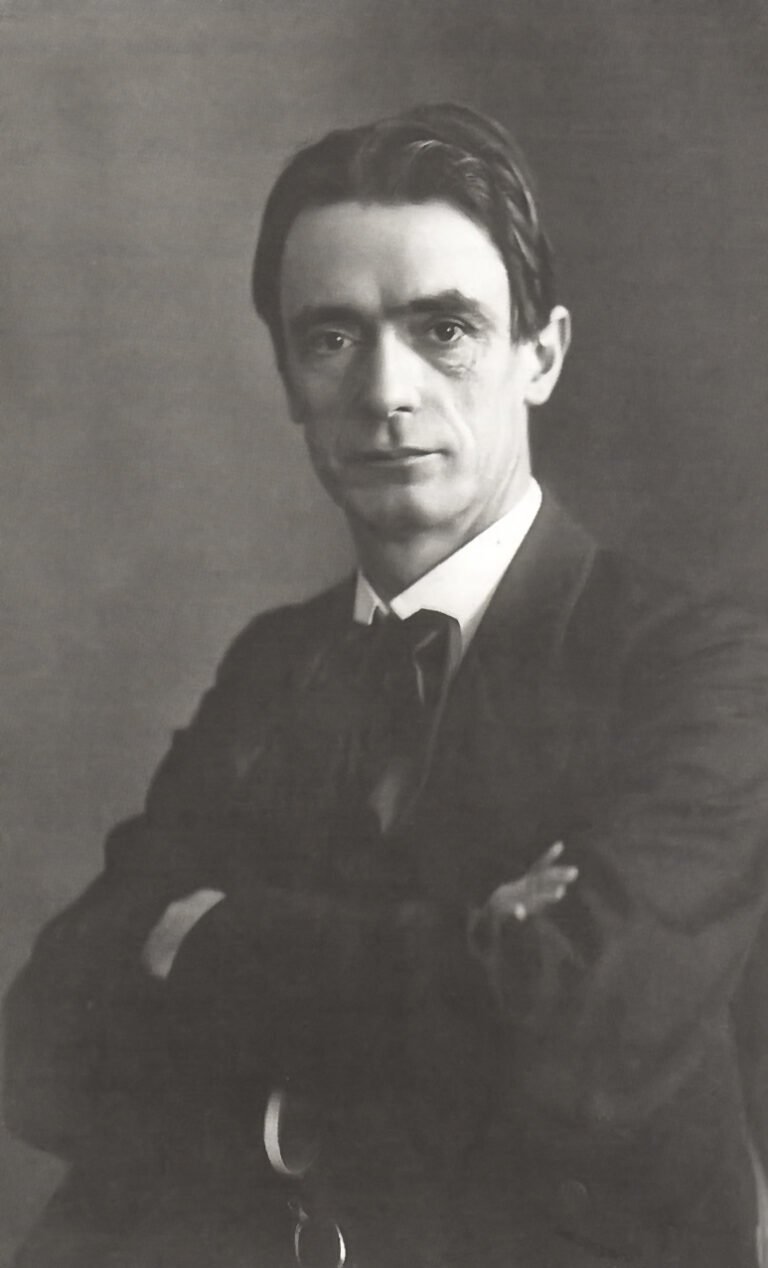
Rudolf Steiner’s 1923 Bee Lectures and the Biodynamic Beekeeping Movement
Rudolf Steiner's nine 1923 lectures on bees became the founding text of biodynamic beekeeping, still shaping Demeter certification and hives like the Sun Hive.

Rudolf Steiner's nine 1923 lectures on bees became the founding text of biodynamic beekeeping, still shaping Demeter certification and hives like the Sun Hive.
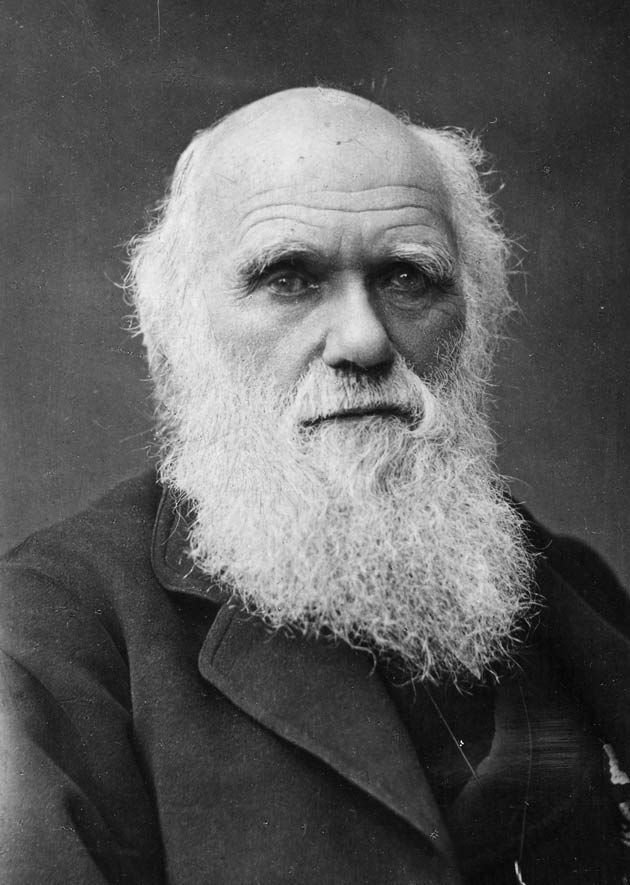
Charles Darwin ran his own hive experiments to prove bees build hexagonal comb through blind instinct, not design, turning it into key evidence for natural selection.
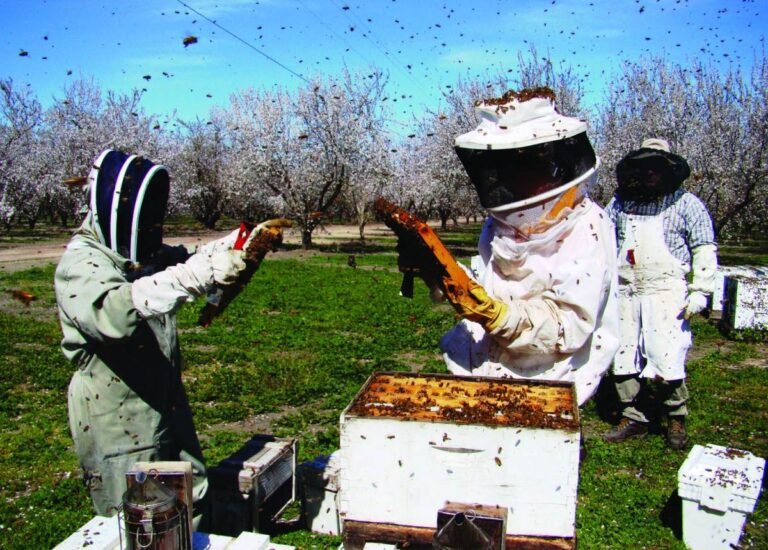
Randy Oliver runs a real commercial almond-pollination operation while publishing some of the most cited independent Varroa management research online.
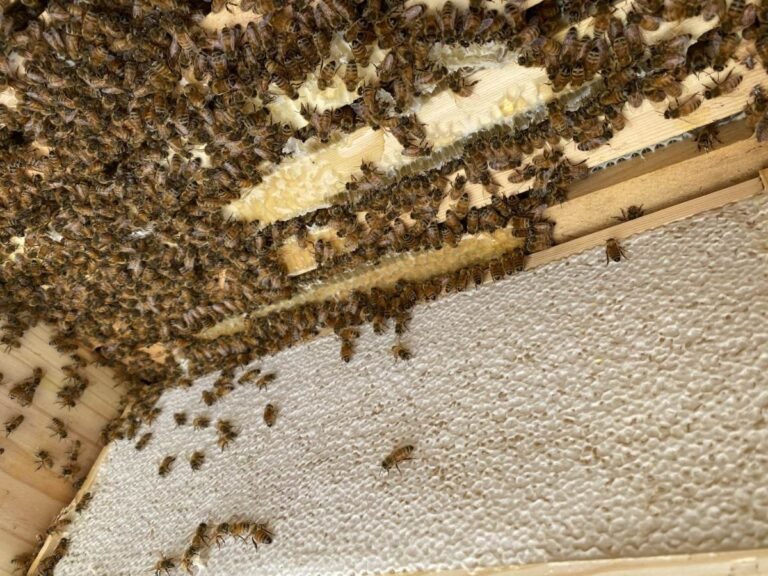
Marla Spivak's decades of hygienic-behavior research produced the Minnesota Hygienic bee line and earned her a 2010 MacArthur Foundation genius grant.
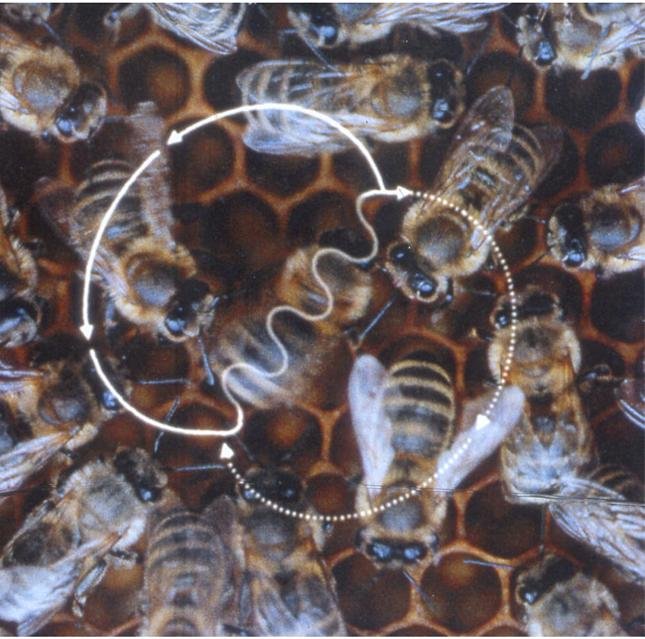
Nobel laureate Karl von Frisch said the waggle dance conveys real information. Adrian Wenner spent years arguing bees actually navigate by odor alone.

Iceland has no native honeybees. Every colony there today descends from bees deliberately imported since 1998, in a small apiary culture unusually free of Varroa.
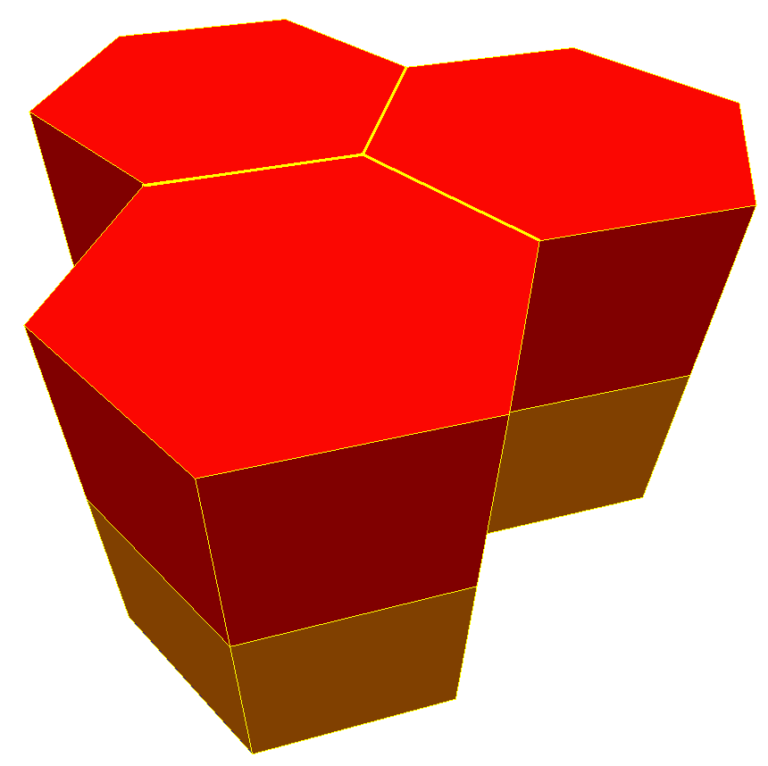
In 1712 Maraldi measured the honeycomb's precise cell angle, then a real 30-year mathematical dispute among Réaumur, König, and Maclaurin followed to explain it.

Bechbretha is a real 7th-century Old Irish legal tract that set detailed rules for swarm ownership, hive theft, and a neighbor's share of honey.
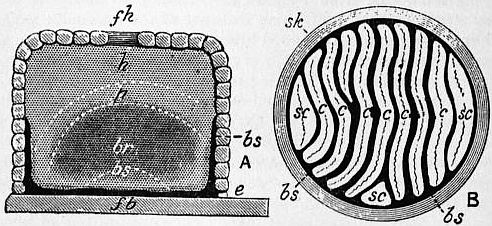
Thomas Wildman's 1768 beekeeping treatise broke real ground on hive design, while his nephew Daniel turned swarm-clustering into a paid London stage act.
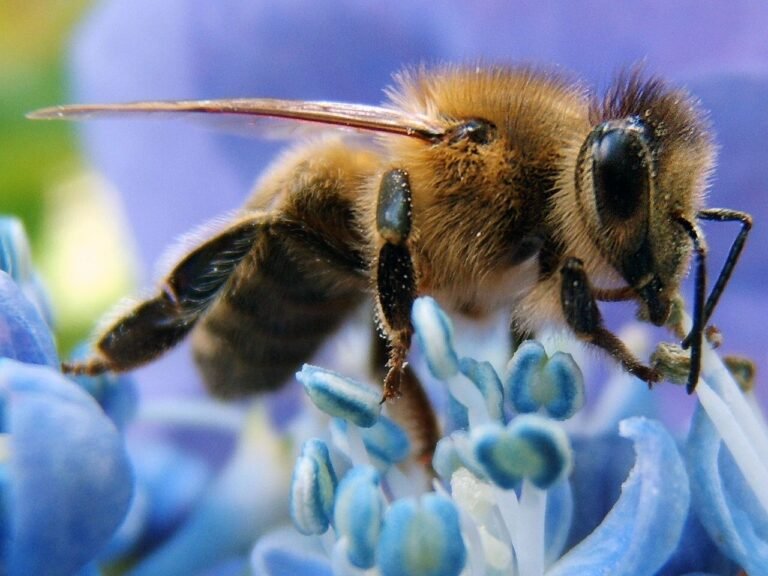
Sue Hubbell left a Brown University library career to run 300 hives alone in the Missouri Ozarks, turning the experience into the celebrated memoir A Book of Bees.
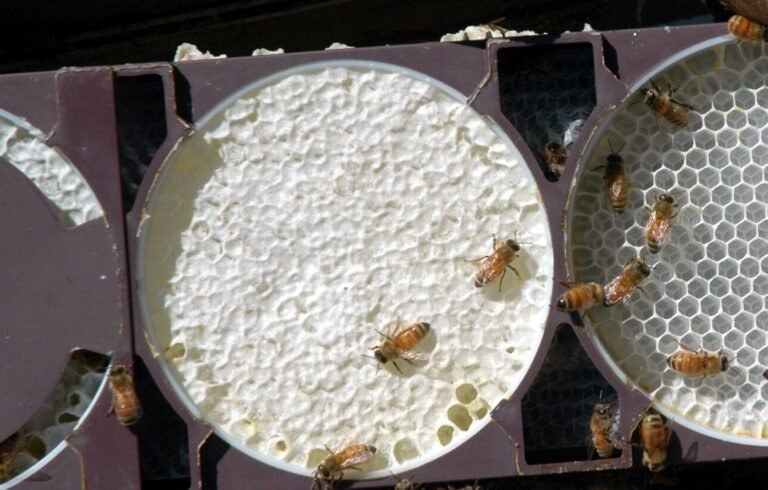
Richard Taylor was a Brown-trained metaphysics professor who also ran up to 300 hives and wrote The Joys of Beekeeping, one of America's most-loved beekeeping books.
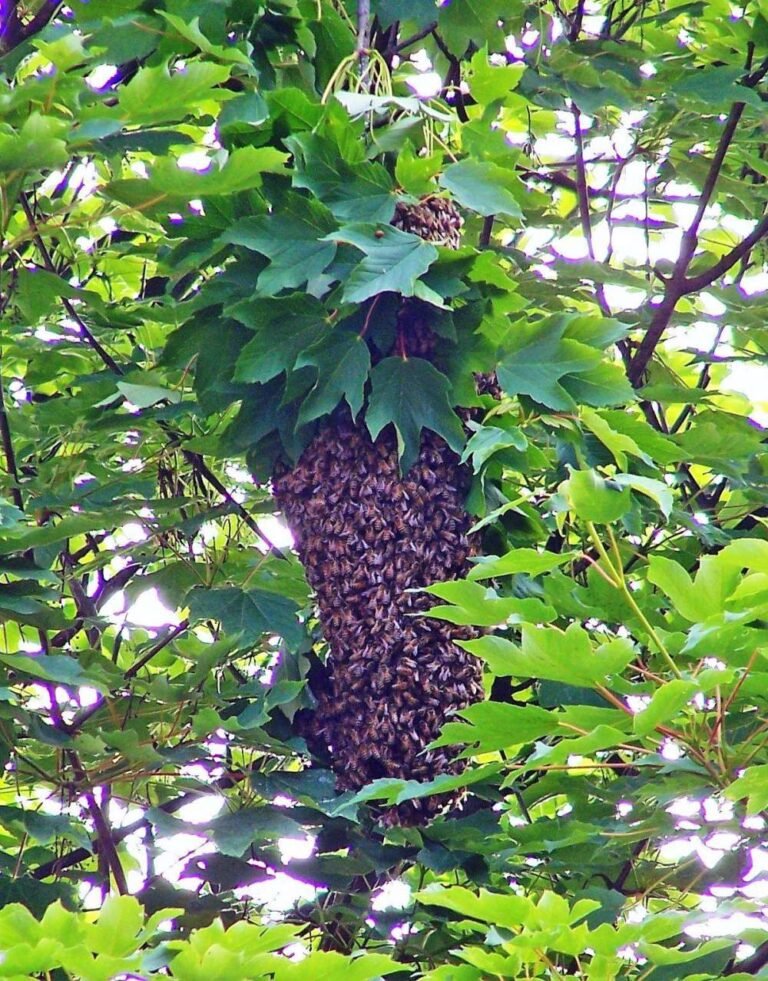
Cornell biologist Thomas Seeley spent decades proving that honeybee swarms choose a new nest site through a genuine collective, democratic process run entirely by scout bees.
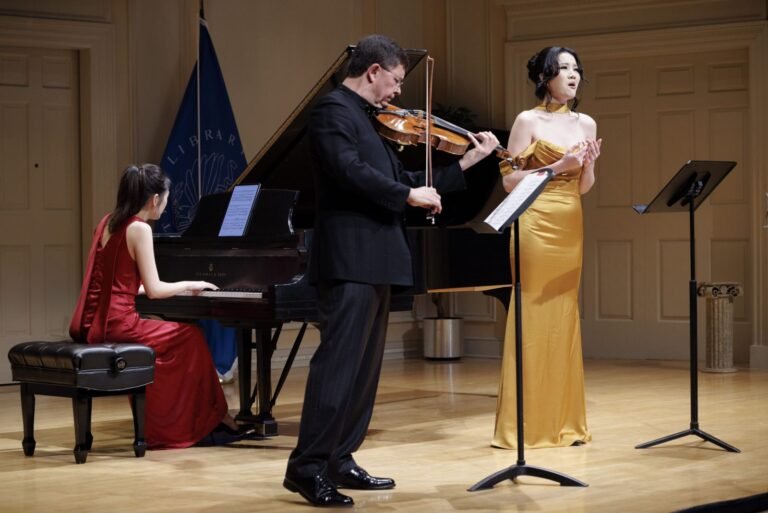
Violin enthusiasts have repeated the propolis-varnish claim for decades. Here's what real chemical analysis of Stradivari's own violins found.
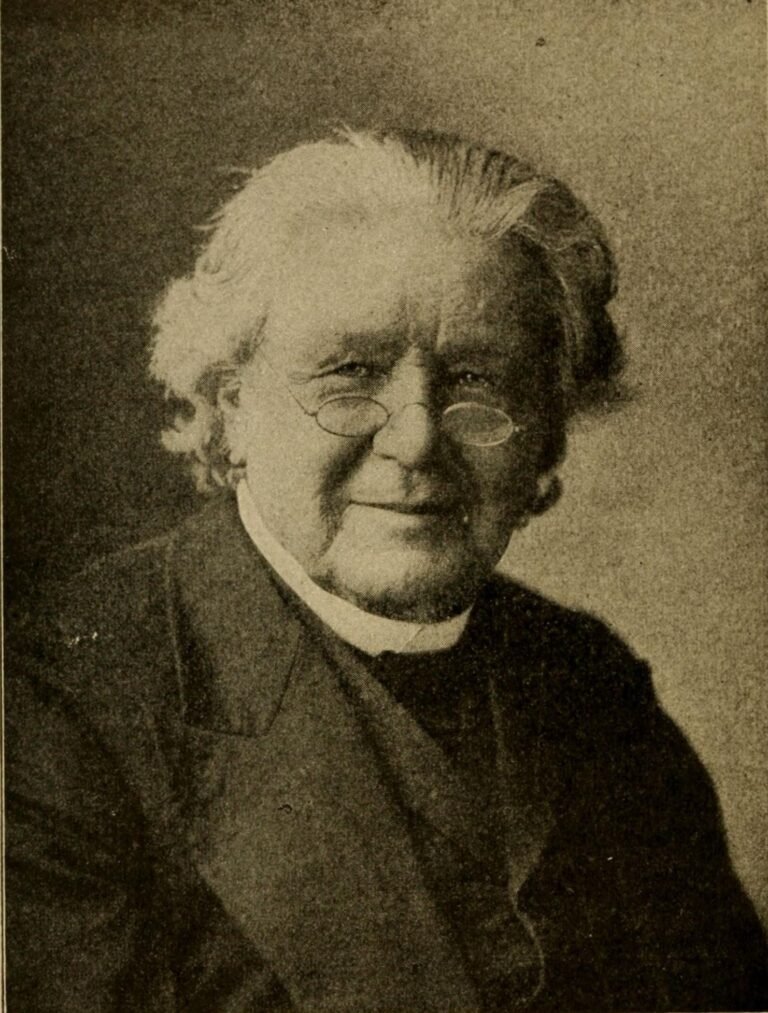
The minister behind the modern beehive spent his life fighting severe depression, and found more relief in his bees than in his own profession.
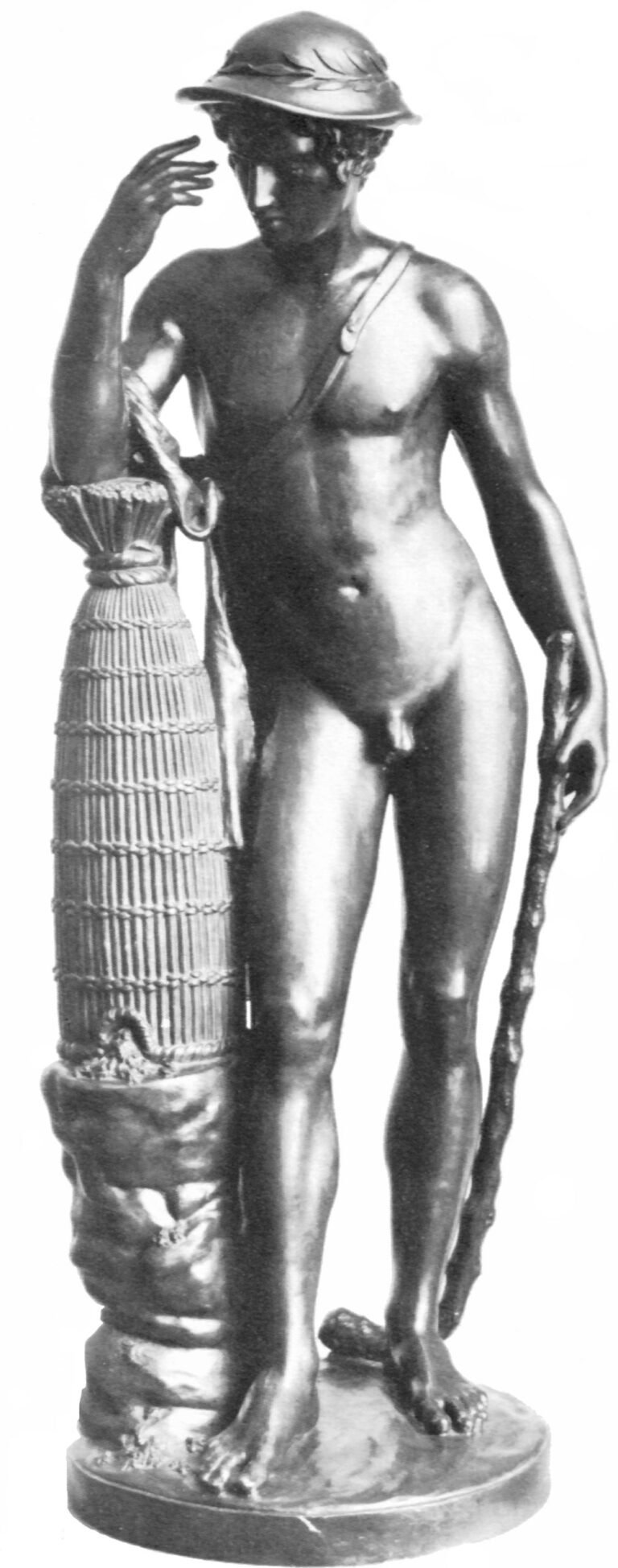
The Greek god credited with founding beekeeping has a myth that's really about losing every bee he owned overnight — and how he got them back.
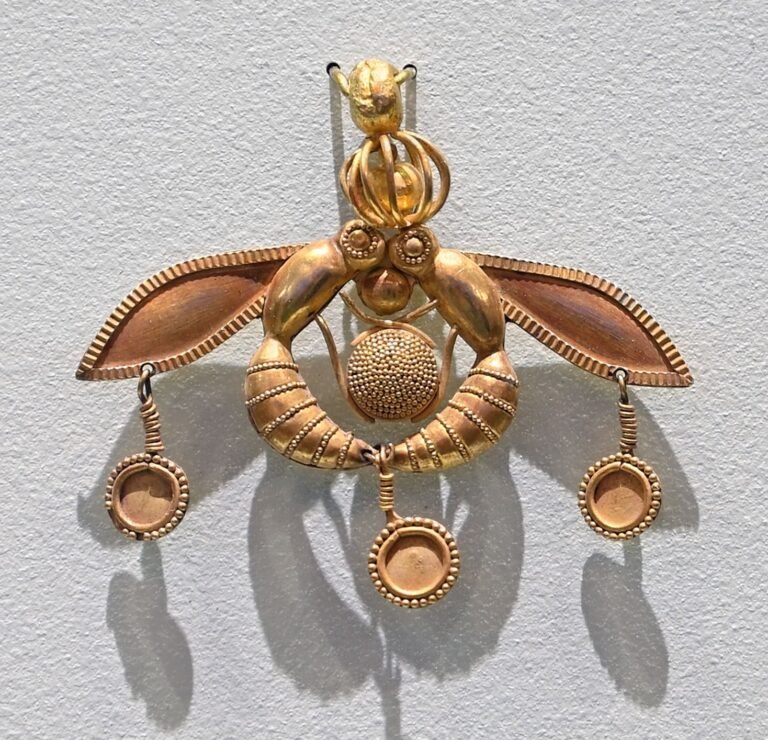
A tiny gold pendant found in a Bronze Age Cretan tomb in 1930 remains the most famous piece of Minoan jewelry ever discovered.
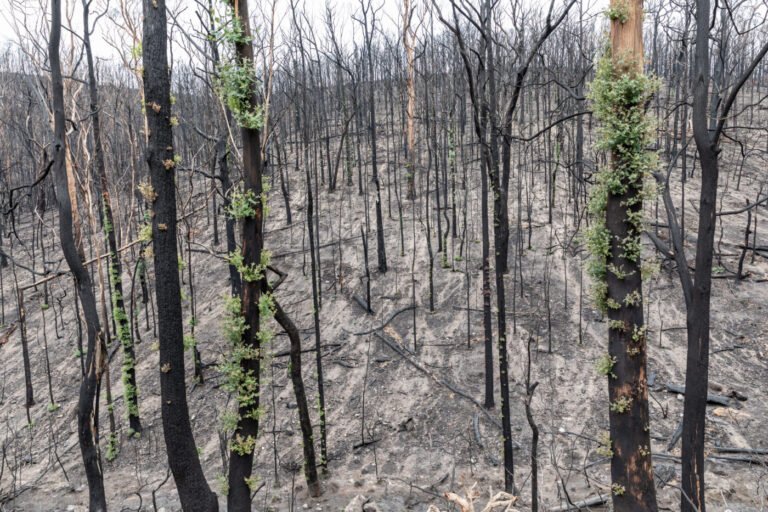
The 2019-2020 Black Summer bushfires destroyed thousands of hives in New South Wales, but the bigger disaster was the eucalypt forage that takes decades to recover.
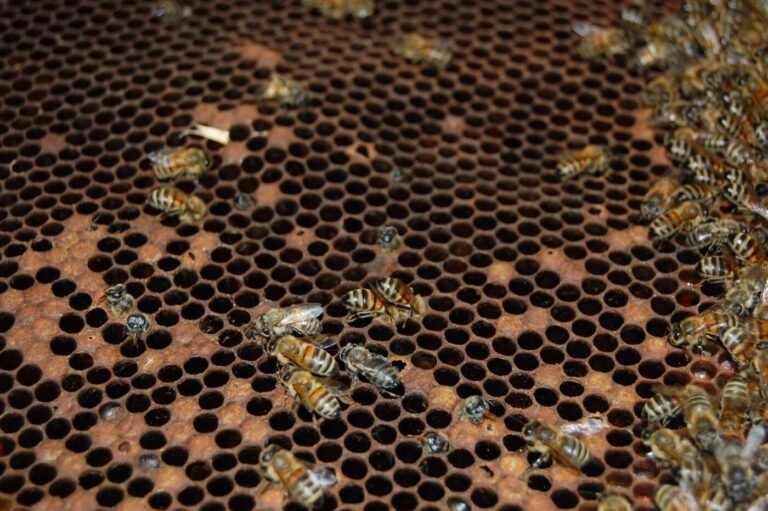
In January 2023 the USDA conditionally licensed the first-ever vaccine for any insect, aimed at American foulbrood. Here's how it actually works and where it stands now.
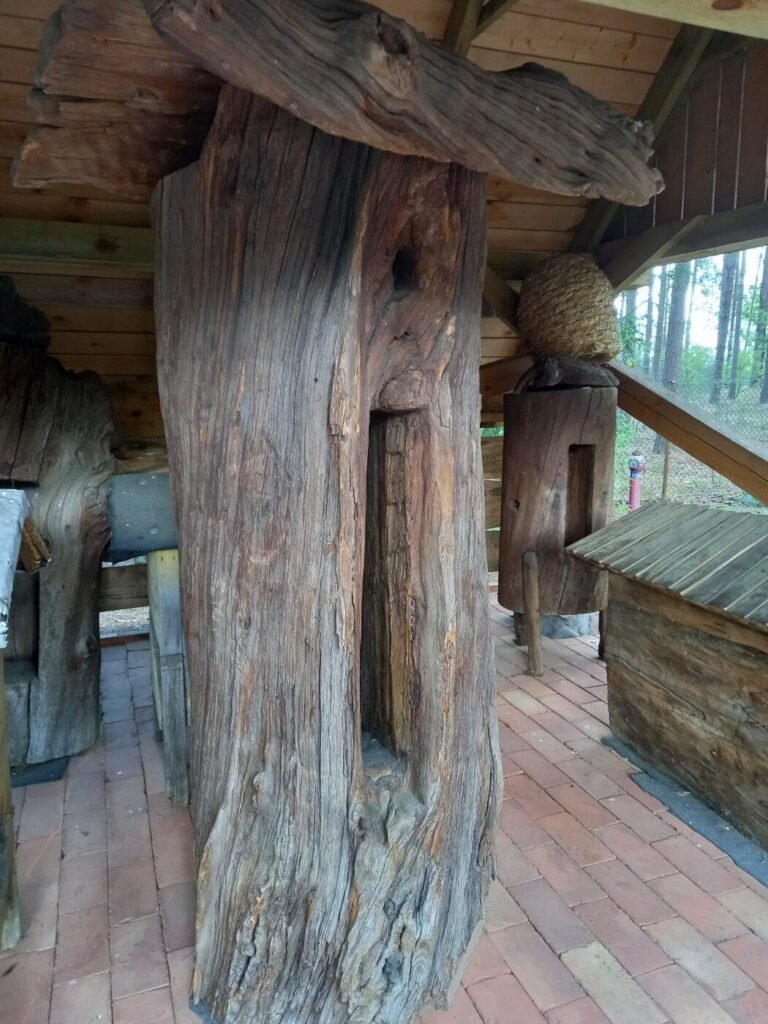
Before modern hives, Appalachian beekeepers housed colonies in hollowed-out black gum tree trunks. Here's how bee gums were built, populated, and harvested — and why the practice eventually faded.
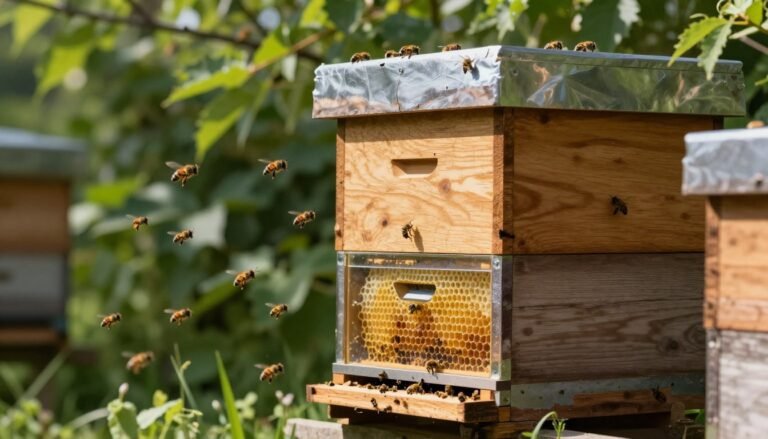
E.W. Alexander, the commercial beekeeper behind the free-ranging two-queen colony system and modern brood box reversal: the real 1907 Gleanings in Bee Culture publication that introduced it, why it worked for him, and how modern beekeepers safely adapt the idea today.
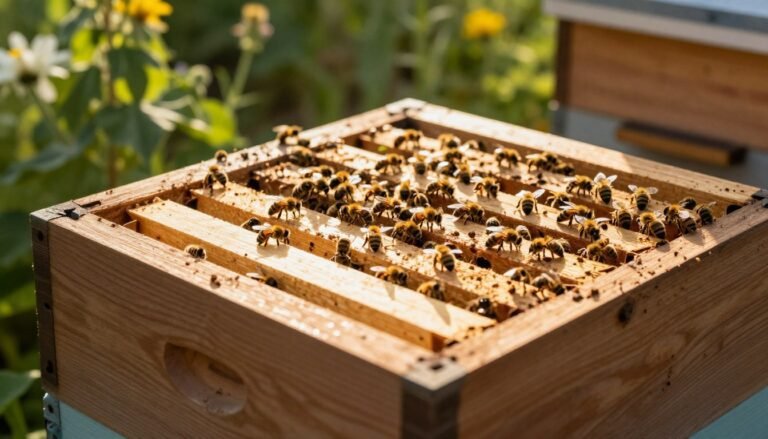
The real, collaborative history of the Kenyan Top Bar Hive: a 1964 conversation at the National Honey Show, the University of Guelph CIDA project that formalized it, and why it remains a textbook example of appropriate technology in beekeeping-for-development work.
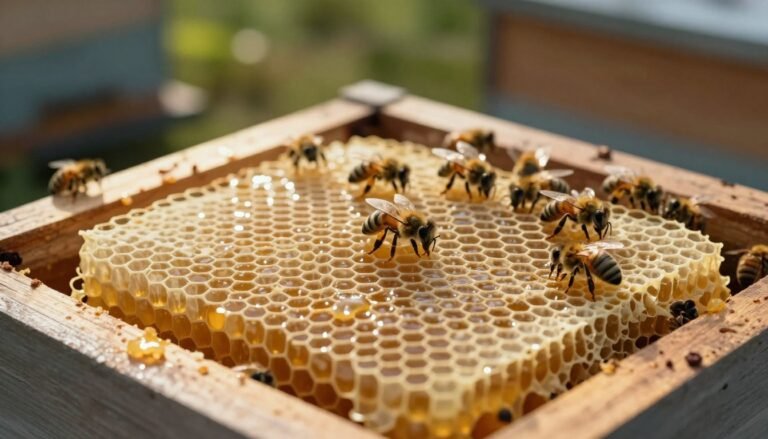
The real history of the Warre hive: how French priest Emile Warre tested 350 hives across a dozen designs over 15+ years to create an accessible, minimal-intervention alternative to Langstroths commercial-efficiency approach, and why the design still has a real following today.