SKU CMPS-6898 is a practical beekeeping product built to help your hive stay stable during hot summer weather. This telescoping, plastic-reinforced design fits standard frames and slips into place to promote steady airflow without drastic changes to colony temperature.
Lappe’s Bee Supply backs the item and provides clear details and a full product description. Customer reviews praise durability and ease of use. The unit helps keep brood conditions steady while reducing stress on workers in high heat.
Buyers can earn store credit on future purchases when they add this item to their bee supply. For more on how hive airflow works and why small changes matter, see a practical guide to hive air management at ventilation techniques.
Key Takeaways
- SKU CMPS-6898 is designed to manage airflow in hot summer weather.
- The plastic-reinforced, telescoping frame fits common hive setups.
- Positive reviews highlight durability and clear product description.
- Using this component can protect brood and maintain hive health.
- Purchasing may earn store credit at Lappe’s Bee Supply.
Why Hive Temperature Control Matters
Keeping hive temperatures steady during hot spells protects brood and preserves colony strength. Small shifts in internal heat can stress bees, lower brood survival, and reduce honey production.
During peak summer, excessive heat can kill larvae and weaken adult workers. When the colony spends energy cooling the nest, foraging drops and overall productivity falls.
Signs of overheating
- Hives bearding on the exterior as workers try to cool the nest.
- Softening wax or sagging comb after prolonged high temperatures.
- Increased agitation and reduced brood rearing during the hottest months.
Early detection lets beekeepers act before losses occur. Simple steps—shading, adjusted lids, and measured airflow—help colonies cope with hot weather and protect hive health through the summer months.
Introducing the Screened Inner Cover for Summer Ventilation
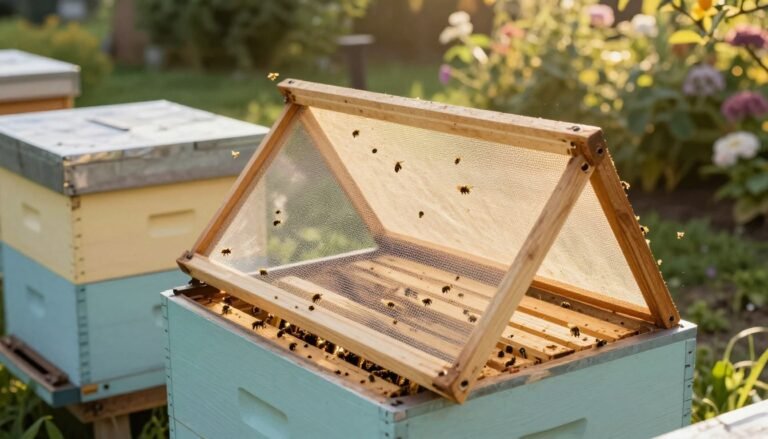
A purpose-built top item from Lappe’s Bee Supply helps steady hive airflow while keeping bees safe. This screened inner covers product fits between the hive body and the telescoping lid to encourage steady movement of air.
The design acts as a bridge so beekeepers can promote internal circulation without lifting the outer lid. That means less disturbance and a more stable brood environment.
Consistent air movement is the key. This inner cover supports gentle exchange of warm and cool air, which helps developing larvae stay healthy and workers conserve energy.
Practical benefits:
- Maintains steady climate with minimal handling.
- Simple placement under a telescoping top for quick setup.
- Durable construction backed by Lappe’s bee supply support.

“A lightweight, reliable top cover can reduce colony stress during high temperature spells.”
| Feature | Benefit | Use |
|---|---|---|
| Raised mesh panel | Improves passive airflow | Place under telescoping lid |
| Plastic reinforcement | Adds durability | Long-term apiary use |
| Standard fit | Works with common hives | Quick retrofit |
How the Raised Frame Design Improves Airflow
Raising the hive’s top frame by just 3/8″ makes a surprisingly big difference in airflow. That small gap changes how warm air moves and how workers manage the nest climate.
Mechanics of Air Circulation
The raised frame uses two thicker sides to create a 3/8″ channel under the telescoping cover. Air rises from the brood area, reaches this gap, and exits along the path created by the frame’s clearance.
This flow prevents pockets of stagnant air and helps vent trapped heat during hot weather. The design keeps a steady exchange at the top while avoiding major disruption to the brood.
Durability matters: the sturdy frame supports the weight of the top cover and the telescoping lid while keeping the gap intact through routine handling and varied weather.
Practical result: elevating the top lets bees regulate temperature with less effort. For more on managing hive airflow, see a practical guide to beehive air management.
Compatibility with Telescoping and Flat Lids
Whether your apiary uses a flat top or a classic telescoping lid, the screened inner cover adapts without fuss. Its profile matches common hive dimensions so you can fit the piece quickly and keep routine handling simple.
The design supports both modern flat lids and traditional telescoping setups. A properly seated telescoping cover still locks down securely while the screen area does its job.
Beekeepers appreciate flexibility: you can switch lid styles without changing the top assembly. That saves time and avoids extra purchases.
- The unit holds shape when used under a telescoping cover and under flat lids.
- Installation is straightforward and keeps weather protection intact.
- It fits standard frames and aligns with common apiary gear.
Choose a screened inner cover that matches your hive measurements to ensure a snug fit and long-term reliability.
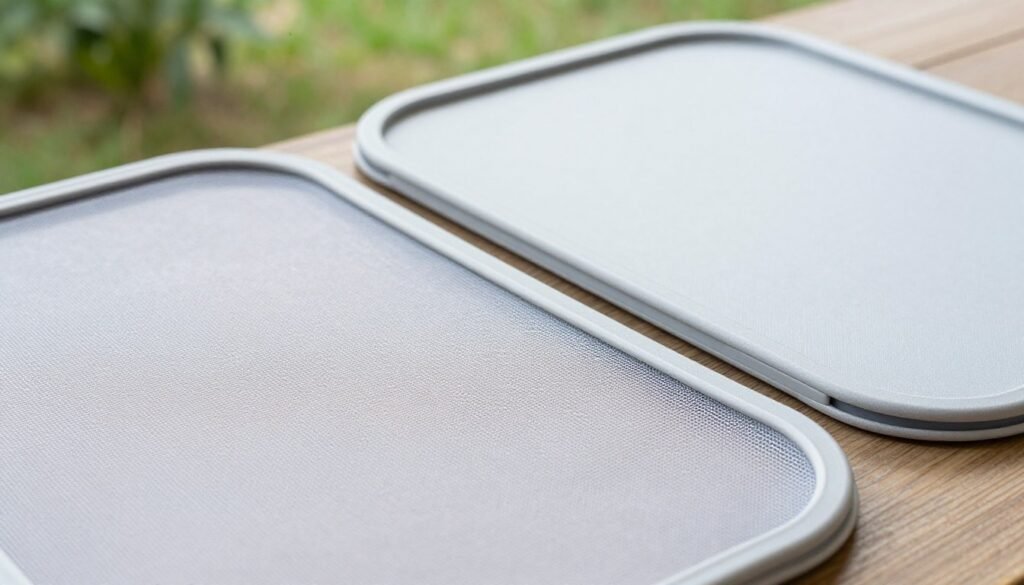
Selecting the Right Size for Your Hive
Choosing the right top piece helps keep bees secure and the brood area stable. Measure the outer dimensions of your box and count the frames before ordering. A good fit prevents gaps, reduces handling, and supports consistent internal climate.
Five Frame Configurations
The 5-frame model fits nuc setups. It offers the same airflow benefits as larger pieces while matching compact colonies.
Eight Frame Setups
Eight-frame units suit smaller full-size hives and specialty boxes. They bridge productivity and ease of management with a snug fit.
Ten Frame Options
Standard 10-frame versions fit most backyard hives. These units provide full coverage and pair well with a telescoping lid.
- Measure first: confirm frame count and box width before purchase.
- Each frame size is precision-cut to fit your hive and prevent escapes.
- For nuc managers, the 5-frame option delivers the same protection as larger choices.
Comparing Screened Covers to Standard Inner Covers
Choosing the right top changes how a hive handles heat and drafts. A standard inner cover focuses on insulation and acts as a solid barrier. That helps in cooler months and during transport.
The mesh-centered model shifts the priority to active airflow. Its central opening replaces solid wood and lets warm air escape more readily. This reduces stress on workers during the hottest spells.
Both types fit common lids and work with a telescoping cover or flat lids without major modification. Pick the style that matches your seasonal goals and local climate.
- Insulation vs. exchange: the standard inner keeps heat in; the mesh-centered allows air out.
- Seasonal choice: many beekeepers use the mesh option to limit heat buildup and keep a standard inner for cold months.
- Compatibility: each model pairs with popular lids and telescoping setups.
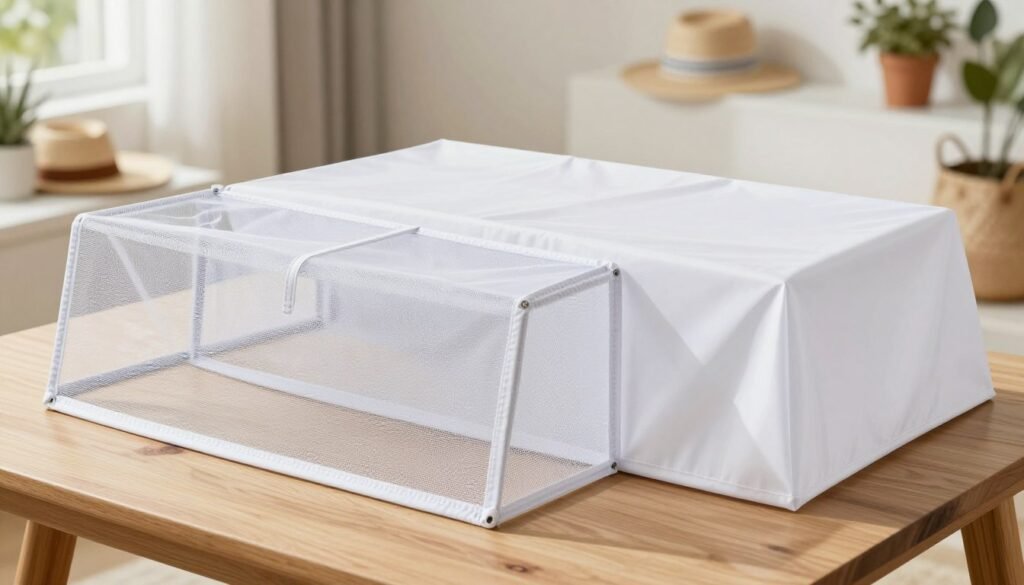
| Feature | Standard Inner | Mesh-Centered Model |
|---|---|---|
| Main function | Insulation and solid barrier | Passive air exchange at the top |
| Best season | Cool months | Hot periods |
| Compatibility | Flat lids and telescoping | Flat lids and telescoping |
Benefits for Apiary Management During Hot Weather
Small changes at the hive crown often yield big savings in colony energy during hot spells.
Installing a screened inner cover helps bees spend less energy cooling the nest. That means more workers can forage and tend brood instead of fanning nonstop.
Consistent airflow across the top supports steady conditions. Beekeeping best practices show that steady exchange lowers bearding and reduces stress during hot summer weather.
Practical results: better brood survival, higher foraging rates, and fewer heat-related losses across the hottest months.
- Energy savings: colonies use less effort to maintain brood temperature.
- Stable environment: steady internal conditions help maintain productivity through hot weather.
- Simple tool: this addition fits under a telescoping lid and requires minimal handling.
| Feature | Impact | Beekeeper Action |
|---|---|---|
| Raised mesh opening | Improves warm-air escape | Place under telescoping lid |
| Plastic-reinforced rim | Holds shape during handling | Inspect yearly for wear |
| Standard fit | Works with common hives | Measure box before purchase |
For protective gear guidance while working hives in high temperatures, see the best bee suit for hot weather.
Essential Tips for Proper Installation
Place the top assembly carefully and check that the raised frame seats evenly around the box before closing the lid.
Start by setting the inner cover square to the hive rim. Ensure the frame sits flush and the edges align with the box. This reduces gaps that invite robbing or drafts.
Verify the telescoping cover fits smoothly over the raised frame. Lower the top cover slowly and listen for a uniform seal. Misalignment is a common beekeeping mistake that causes stress and air loss.
When fitting the unit on a nuc or full-sized hive, clear the screen of debris so airflow is not blocked. Keep the mesh clean during inspections to maintain proper ventilation.
Avoiding Common Installation Mistakes
- Seat the frame evenly on the hive box and check all sides.
- Confirm telescoping cover engagement before walking away.
- Inspect the screen on nuc units and larger hives for obstructions.
- Align lids and top cover to prevent gaps that invite pests.
“A well-seated top piece is simple to install and saves time in hive management.”

| Step | Check | Outcome |
|---|---|---|
| Seat frame | Edges flush with box | Prevents gaps and robbing |
| Fit lids | Telescoping cover locks true | Secure top and steady airflow |
| Clean screen | No debris on mesh | Unobstructed ventilation |
For a deeper look at airflow planning, see our beehive ventilation guide.
Understanding Material Quality and Durability
A well-built frame and resilient mesh make this piece a dependable addition to any hive toolkit.
The product pairs quality wood with a plastic-coated screen to resist rot and weather. It weighs about 1.80 LBS, giving a solid, sturdy feel during routine handling.
Measured at 2.10 x 17.90 x 21.50 inches, the unit offers enough insulation to protect brood without adding bulk. The reinforced frame keeps the sides true and prevents warping over time.
At Lappe’s Bee Supply, this screened inner cover is made to fit both nuc and 10-frame box setups. That means one item works across common hive sizes and reduces the need for multiple parts.
“Durable materials and thoughtful reinforcement extend service life and reduce replacement cycles.”
- Wood frame: offers structural support and insulation.
- Plastic-coated mesh: resists corrosion and holds shape.
- Reinforced sides: prevent distortion from handling.
| Attribute | Specification | Benefit |
|---|---|---|
| Weight | 1.80 LBS | Stable feel during inspections |
| Dimensions | 2.10 x 17.90 x 21.50 inches | Fits nuc and full-size boxes |
| Materials | Wood frame + plastic-coated mesh | Durable, weather-resistant |
| Frame reinforcement | Yes | Prevents sides from warping |
Enhancing Hive Health Through Better Ventilation
Good top airflow cuts the energy bees spend cooling the nest, so more workers can forage.
Allowing warm air to exit near the top keeps the brood area more stable. A screened inner cover installed under the telescoping cover creates that escape path without major handling.
This cooler internal climate helps colonies prioritize honey production instead of constant cooling. That shift often leads to stronger stores and steadier brood rearing.
Whether you manage a nuc or a full-size box, proper placement matters. The raised frame aligns with the top cover and prevents trapped heat in both small and large setups.
- Reduces heat stress so workers spend less time fanning.
- Limits moisture buildup that can harm brood and promote mold.
- Works with common telescoping lids and standard frames to fit most hives.
“A small modification at the hive crown can yield big gains in colony resilience during hot weather.”
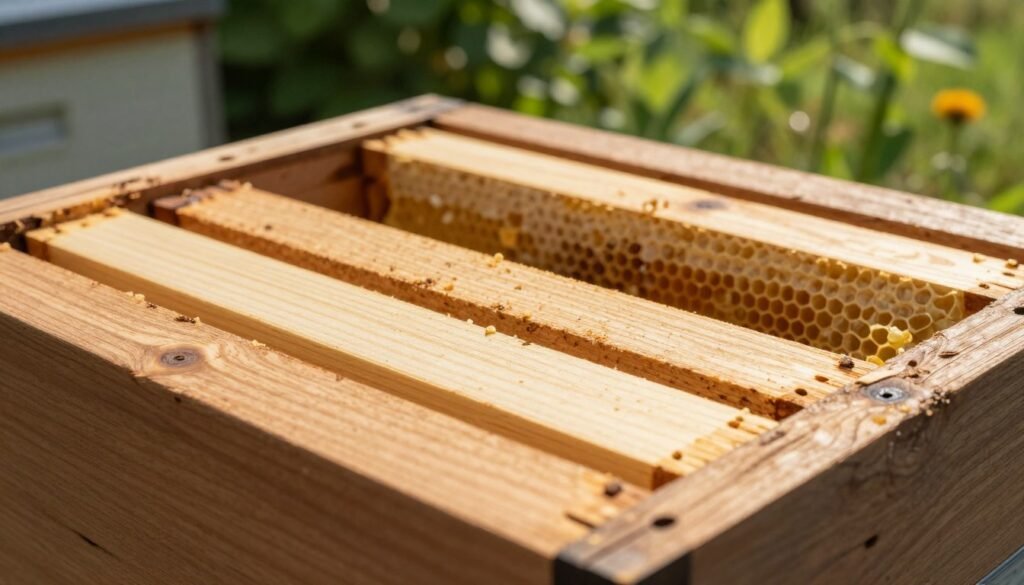
| Benefit | Result | Action |
|---|---|---|
| Top airflow | Lower internal heat | Install screened inner cover under top cover |
| Reduced moisture | Healthier brood | Keep frame and mesh clear of debris |
| Energy savings | More foragers | Verify telescoping cover seats evenly |
For more on proper hive ventilation and planning, see guidance on proper hive ventilation.
Customer Reviews and Real World Performance
Customer feedback shows practical benefits when this product is added to common hive setups. Many reviewers note improved colony comfort and steadier brood conditions after installation.
Reviewers call out build quality and details, mentioning the wood frame and the plastic-coated mesh as positives. Several users praise the fit in both nuc and 10-frame box arrangements.
Buyers often reference the product description and clear options available at Lappe’s Bee Supply when choosing the right size. That helps reduce returns and speeds installation under a telescoping cover or flat lids.
- Durability: many note the plastic-coated mesh holds up through routine handling.
- Fit: reviewers report snug seating across several hives and lids.
- Value: customers often use store credit to add more covers to other hives.
“A small upgrade that made a big difference in colony calm during hot weeks.”
Share your experience so other beekeepers can judge real-world performance across varied apiary setups.
Conclusion
A well-made top piece balances airflow and insulation to reduce stress on bees in warm weather. This product helps you manage heat with minimal handling and works with a telescoping lid or flat top.
Choose the correct size and seat it carefully to maximize benefits. The screened inner cover combines durable plastic mesh and a reinforced frame to outperform a standard inner cover in hot conditions.
We value your reviews and loyalty; use store credit when you add one of these products to your apiary kit. For planning details on airflow options and moisture control see a practical guide to hive ventilation configuration, and to prepare boxes for cooler months read our notes on winterizing beehives.
FAQ
What is the main purpose of a screened inner cover for summer ventilation?
The main purpose is to reduce heat stress in a hive by improving airflow beneath the top lid. This design helps bees cool the brood chamber, lowers humidity, and prevents wax melting during hot weather without removing protection from pests.
How does temperature affect colony health?
High temperatures can weaken brood development, disrupt pollen storage, and force bees to expend energy on cooling. Maintaining stable conditions preserves brood viability and supports foraging and honey production.
What signs show a hive is overheating?
Look for increased fanning at the entrance, clusters near the top of the box, distressed behavior, melted comb, or excessive moisture inside the lid. These indicate the colony needs better air exchange or shade.
Will this product work with telescoping and flat lids?
Yes. The raised frame and low-profile design fit under most telescoping and standard flat lids, providing clearance for screens and allowing lids to sit securely while enabling airflow.
Can I use it on nucs and other small hives?
Many models include options compatible with nucs and smaller setups. Check the product specifications for size and frame configuration to ensure a proper fit before purchasing.
What frame configurations are available?
Manufacturers commonly offer versions for five-, eight-, and ten-frame boxes. Choose the model matching your hive type to maintain correct alignment and ventilation paths.
How does the raised frame design improve airflow?
The raised profile creates a gap between the brood box and the top lid. This gap allows warm air to travel upward and escape, while cooler air is drawn in, enhancing natural circulation without disturbing bees.
Are screened alternatives better than standard solid inner options?
Screened alternatives excel at heat and moisture management during hot months. Solid inner designs retain heat and provide insulation in cold weather, so the best choice depends on seasonal needs and regional climate.
What materials offer the best durability?
Durable options use food-grade plastic, marine plywood, or treated hardwood with corrosion-resistant mesh. These materials resist warping and rot while withstanding hive acids and outdoor exposure.
How do I install the unit correctly?
Place the unit directly on top of the uppermost brood box, aligning with the box edges, then add the outer lid. Ensure the mesh faces upward and clearances match your lid type to prevent gaps that allow pests in.
What common installation mistakes should I avoid?
Avoid leaving side gaps, inverting the unit, or stacking incompatible lids that crush the mesh. Also, don’t rely on the unit alone for predator control—use proper entrance management and regular inspections.
Can the product reduce humidity as well as heat?
Yes. Improved airflow lowers internal humidity by promoting evaporation and exchange with outside air, which reduces mold risk and helps preserve stored pollen and honey quality.
Will using this affect honey production?
Proper ventilation can support healthier colonies that forage more effectively, potentially improving honey yields. However, results depend on forage availability, hive strength, and overall management.
Do customers report real-world benefits?
Many beekeepers note reduced heat stress, fewer signs of moisture buildup, and easier seasonal management. Read product reviews on established bee supply sites like Mann Lake or Brushy Mountain for model-specific feedback.
Is there a maintenance routine required?
Inspect the mesh and frame each season for damage, clean accumulated debris, and replace worn parts. Regular checks help ensure continued airflow and prevent pest entry.
Are there warranty or store credit options if the item arrives damaged?
Policies vary by vendor. Reputable suppliers often offer replacements, store credit, or limited warranties. Confirm return and warranty terms at point of purchase before ordering.
Can I use this year-round or only in hot months?
While designed for warm-weather relief, some beekeepers switch back to a solid inner during winter for insulation. Consider regional climate and hive needs when deciding year-round use.