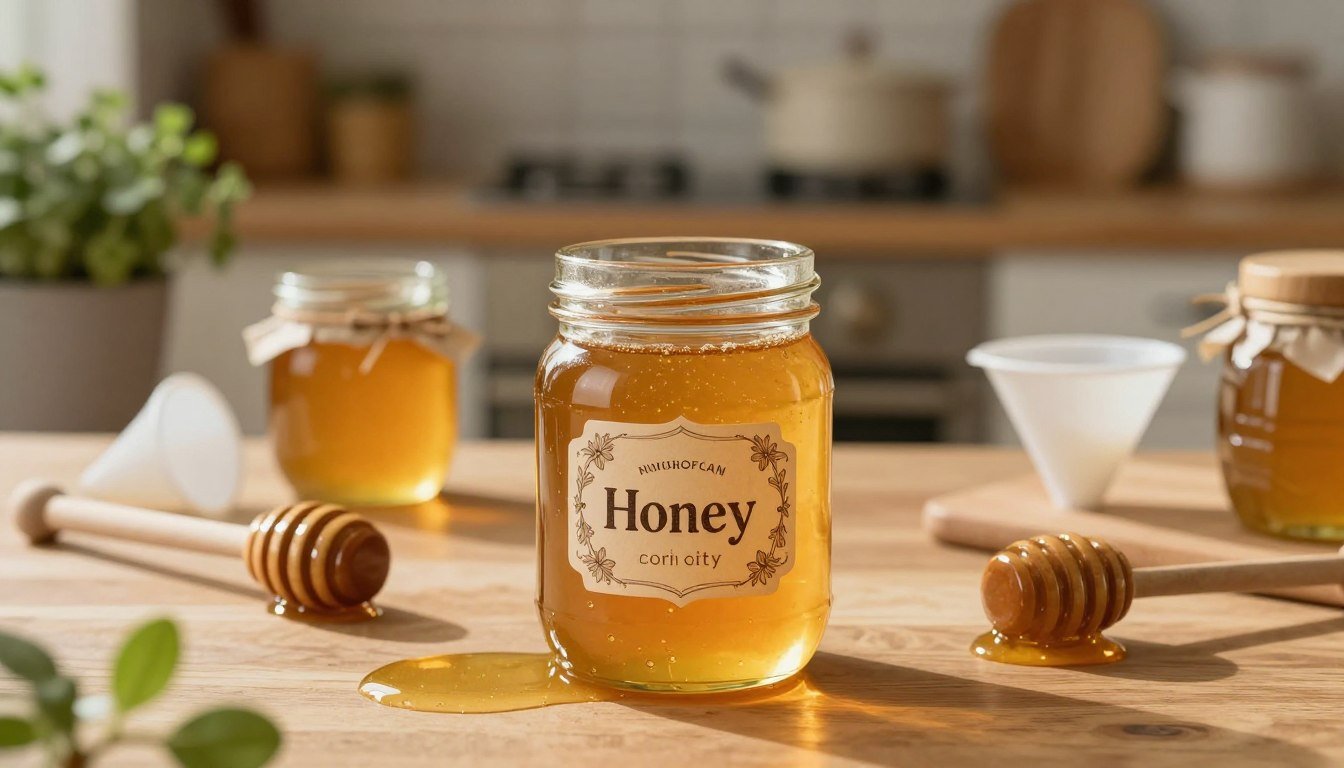
Professional beekeeping hinges on clear, clean jars that reflect careful extraction and processing. A cloudy finish often traces back to extractor settings, frame handling, and post-extraction practices that let air mix into the product.
Control of temperature and viscosity plays a major role in final quality. Keep warm, steady heat and use jacketed hoppers or gentle warming to help trapped bubbles rise and escape. Calibrated filling equipment and correct gate control on a gated bucket reduce turbulence and preserve clarity.
Every machine on the line, from the extractor to the filling device, must be set for consistent flow and minimal entrainment. Practical tips on nozzle design and degassing can improve fill accuracy and prevent under-filled jars. For production-level strategies, consult a technical guide on eliminating foam and drip, and a practical resource on packaging and labeling for sale.
Key Takeaways
- Extraction control affects clarity; adjust extractor and frames for less entrained air.
- Temperature management keeps viscosity steady for cleaner fills.
- Equipment setup—nozzle and gate choices limit turbulence and foam.
- Post-processing steps like degassing and settling improve visual quality.
- Traceability and proper containers help maintain premium packaging standards.
eliminating drip and foam in high-speed and packaging and labeling best practices offer deeper, practical guidance for producers.
Understanding Why Air Bubbles Form in Honey
Small pockets of trapped gas often start during extraction and can cloud a jar long after processing. In beekeeping, the extractor’s centrifugal force can whip gas into the flow, creating persistent micro-bubbles that resist quick settling.
The Impact of Extraction
The extractor spins honey from frames and may introduce tiny pockets at the top and bottom of a bucket. Foam on the surface often signals trapped material from the hive or a bit of wax that disrupts settling time.
Temperature and viscosity control matter: cooler content slows bubble rise. Even honey near 16% water content can look cloudy because micro-bubbles remain suspended.
Identifying Micro-bubbles
Micro-bubbles are visible as a fine haze or tiny spheres under light. Early crystallization can mimic this haze and may clog strainers during filling.
“If your honey remains cloudy at the bottom after settling, check temperature and plastic equipment for static effects.”
- Watch the top layer: foam suggests trapped gas.
- Inspect the bottom: lingering cloudiness points to slow escape of pockets.
- Manage materials: wax and plastic surfaces can hold gas longer.
How to Avoid Air Bubbles When Bottling Honey
Set up a steady filling line and keep movement slow. A calibrated filling machine delivers consistent flow and cuts entrainment. Gentle starts and stops help jars fill without trapped pockets.
Keep equipment clean and serviced. Worn seals, loose fittings, or static on plastic parts will hold tiny pockets. Regular maintenance preserves production quality and reduces the need for rework.
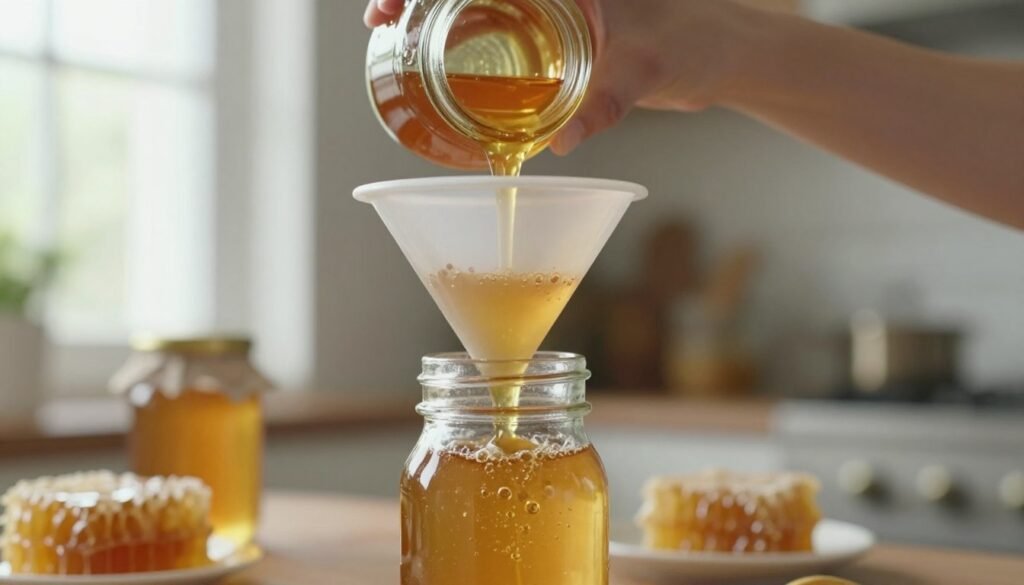
Prepare containers before filling. Wash and dry jars to remove contaminants that trap gas. Match container size to your fill method; larger necks settle faster and make it easier to remove air.
- Handle frames with care; rough treatment during extraction forces more pockets into the batch.
- Check water content and keep temperature steady for ideal viscosity during filling.
- Use a standardized machine and train staff on slow, controlled fills.
“Good maintenance and calm, consistent filling are the quickest ways to remove air and protect product clarity.”
For extraction heat guidance, see overheating during extraction.
The Role of Temperature and Viscosity
A stable warming regime transforms sticky batches into a smooth, pumpable product. Proper warmth thins viscous jars so tiny trapped air can rise and escape before final fills.
Warming Methods for Better Flow
Gentle, controlled heat is best. Producers often hold product near 125°F for about 12 hours to decrystallize and lower viscosity. This practice speeds settling and readies material for clean filling runs.
Some small-scale operators used improvised setups—a chest freezer combined with a space heater—to keep steady warmth. A dedicated warming cabinet or a tank with jacketed heating gives safer, repeatable results for professional beekeeping.
- 125°F for 12 hours: reduces crystals and improves flow through your machine.
- Consistent temperature: helps filling equipment perform with fewer interruptions.
- Room prep: bring product to room temperature before processing to stabilize viscosity.
“Consistent temperature management is the secret to professional-grade production that minimizes trapped pockets.”
For small producers evaluating tanks and cabinets, see a recommended option for a best bottling tank for small producers. Proper warming and the right equipment make extraction and filling far easier and more reliable.
Proper Settling Techniques for Clear Honey
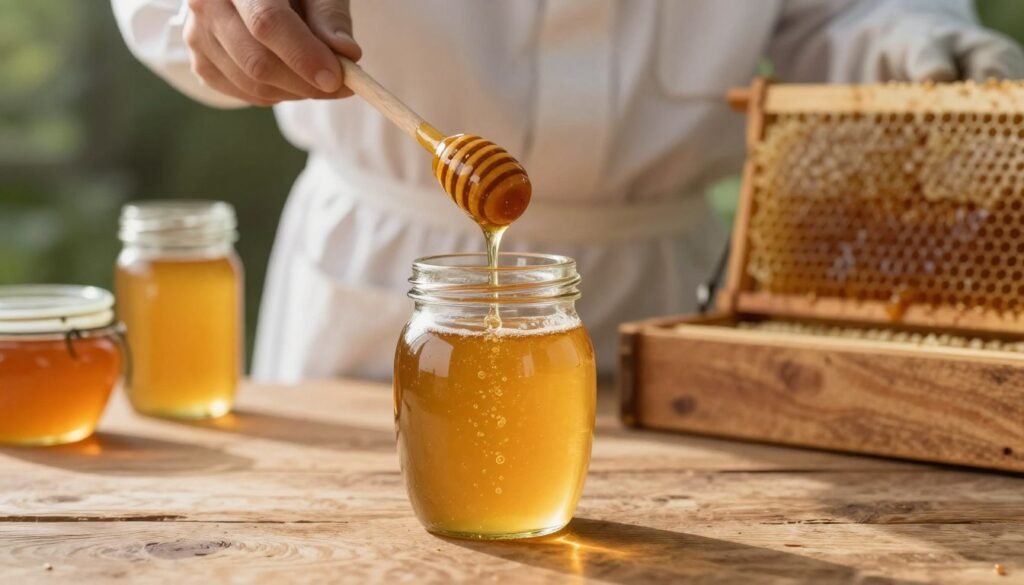
Settling is the quiet step that gives trapped pockets time to rise and separate from the batch. Short, controlled pauses after extraction yield clearer jars and fewer rejects in production.
Allowing Time for Air to Rise
Let product sit in a settling tank for several hours. Small producers can use a 10L bucket but must allow more time for pockets to surface.
Monitor temperature so viscosity allows trapped gas to escape. Stable warmth speeds the process without harming quality.
Using Baffles and Strainers
A baffle forces flow from the bottom and keeps the top foam in place. Draw off from the low point for clearer fills.
Fit a fine strainer at filling. Good strainers catch wax and debris and keep jars pristine for market.
Managing Foam Layers
- Let foam collect at the top and remove it carefully before final filling.
- Use food-grade plastic tanks or stainless steel for settling; cleanliness preserves quality.
- Control water content and warming so the product remains stable during the pause.
| Container Size | Typical Settling Time | Best Practice |
|---|---|---|
| 10L bucket | 8–24 hours | Use bottom draw and inspect surface |
| 50–200L tank | 6–12 hours | Install baffle and gentle warming |
| Small jar batches | 4–8 hours | Filter at fill and skim foam |
“Consistent settling practices are essential for clear, market-ready product.”
For extraction and storage details, consult a full settling and extraction guide or practical notes on extract and store raw honey.
Equipment Maintenance and Handling
Routine inspections and timely repairs keep your line running smoothly and your product clear.
Clean equipment after every extraction. Warm water removes wax and debris that can trap air and cloud jars. Dry parts fully before use, especially plastic containers and buckets.
Inspect seals, valves, and fittings on your extractor and filling machine regularly. Replace worn parts to prevent pockets and uneven filling during production.
- Check bucket rims and container threads for nicks that hold gas.
- Keep the bottom of tanks free from crystallized content.
- Handle frames gently post-extraction to limit entrained pockets.
Maintain pumps and nozzles for steady flow during filling. A well-tuned machine reduces turbulence and lowers the chance of bubbles in final packaging.
“Consistent maintenance of tools is the best way to keep product clear and market-ready.”
| Equipment | Frequency | Action |
|---|---|---|
| Extractor | After each use | Flush, warm wash, inspect seals |
| Filling machine | Daily | Check nozzles, calibrate flow |
| Buckets / containers | Before each batch | Dry, inspect for damage |
| Settling tank bottom | Weekly | Clean crystallized residue |
Refining Your Bottling Workflow
A checklist-driven workflow helped teams catch surface faults before seals were applied.
Refining the line means combining steady filling, careful handling, and timely checks. Use a high-precision filling machine and set flow rates so jars fill with minimal entrainment.
Control room temperature so viscosity stays steady and filling runs remain smooth. Short pauses after extraction let trapped gas rise and ease final draws.
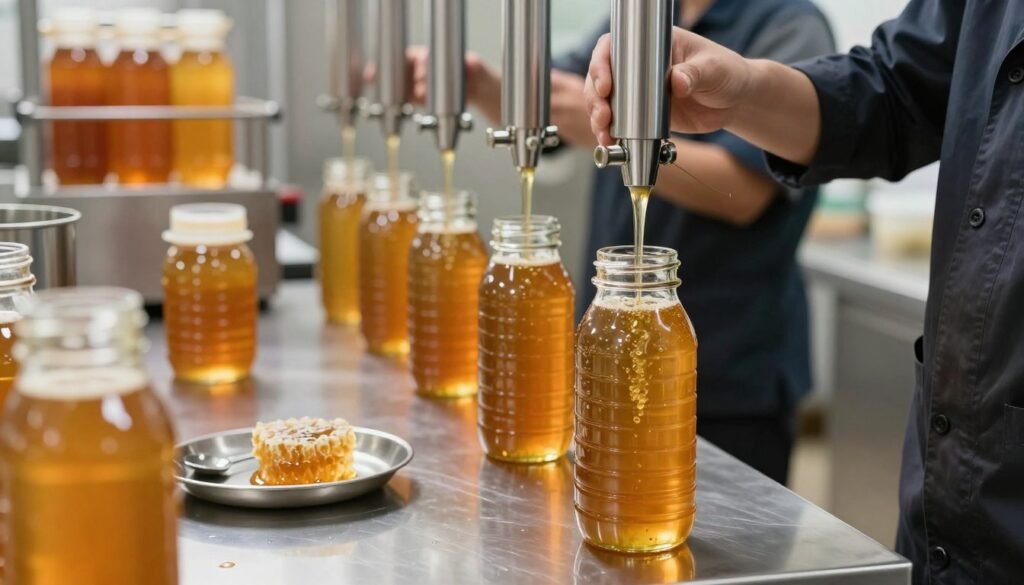
- Use professional equipment: HONESTBEE gear streamlines packaging and keeps quality consistent. See their note on professional filtration systems.
- Minimize exposure: Design post-processing so product spends less time near open air.
- Inspect the surface: Check jars and containers for any remaining bubble or foam before sealing.
“Consistent workflow refinements are the fastest way to protect clarity and customer trust.”
| Step | Focus | Expected Result |
|---|---|---|
| Pre-fill check | Nozzle height, flow | Even fills, fewer surface faults |
| Temperature control | Room and tank | Stable viscosity, smooth flow |
| Final inspection | Surface skim, jar seal | Clear jars, consistent packaging |
For storage practices and long-term quality after packaging, consult guidance on long-term storage.
Conclusion
A clean, calm finish at packing marks the difference between a market-ready jar and one that needs rework.
Eliminating trapped air and tiny bubbles preserves clarity and protects your brand. Follow steady warming and settling routines so fills from your machine stay clear and consistent.
Keep equipment in top condition and inspect seals, valves, and nozzles before every filling run. The best results come from care that begins at the hive and carries through every handling step.
Use the right jars and containers and review practical packaging notes in this packaging guide. For moisture and curing control, see guidance on humidity effects on curing.
Consistent practices in beekeeping yield clearer jars, stronger sales, and long‑term success.