Published October 12, 2023 · Last Updated September 4, 2026
Honeybees play a crucial role in our ecosystem, and understanding the roles of worker bees is essential to appreciate their contribution. Worker bees, which are all female, have a variety of tasks that they perform throughout their lives, moving through a fairly predictable sequence of jobs as their bodies and glands mature. Honeybee Worker Roles are vital for the survival and success of the hive.
Table of Contents
- Key Takeaways
- The Importance of Worker Bees
- Roles of Worker Bees
- Worker Bee Anatomy
- Worker Bee’s Contribution to the Hive
- The Intricacies of Honeybee Worker Roles
- How Do Worker Bees Transition Between Roles?
- Do Worker Bees Ever Reproduce?
- How Do Worker Bees Communicate?
- What Determines a Worker Bee’s Job?
- How Long Does a Worker Bee Live?
- Are All Worker Bees Female?
Key Takeaways
- Worker bees are all female and perform various roles in the hive.
- Their roles change as they age, moving through housekeeping, nursing, guarding, and finally foraging.
- Worker bees are, in short, essential for the day-to-day survival of the hive.
The Importance of Worker Bees

Worker bees are, in every practical sense, the backbone of the hive. They ensure the hive’s smooth functioning, from feeding the larvae to foraging for nectar. Their tireless work ensures the survival of the colony and the production of honey, and because a single colony can hold tens of thousands of workers at its summer peak, the coordinated output of that many individuals is what makes tasks like defending a hive or drawing out a full box of comb possible in a matter of days.
The Role of the Worker Bee – PerfectBee
Roles of Worker Bees
Nurse Bees
Nurse bees are young worker bees responsible for feeding and closely tending to the larvae throughout each stage of development. They produce a special food called royal jelly, which they feed to the young larvae, and it is this same substance, fed exclusively and in far greater quantity, that triggers a larva to develop into a queen rather than another worker.
Foragers
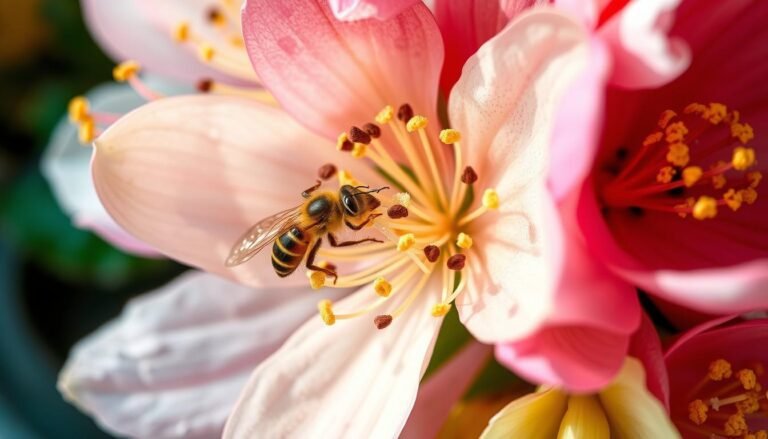
As worker bees continue to age, they eventually become foragers. Their primary role is to search for nectar and pollen, which they bring back to the hive. These resources are essential for the production of honey and feeding the colony, and a single forager may visit dozens of flowers on each trip before returning to unload her cargo to a receiving bee inside the hive.
Guard Bees
Guard bees stand watch and protect the entrance of the hive around the clock. They ensure that no intruders, such as wasps or other bees, enter the hive. They use their antennae to detect any threats and will defend the hive if necessary, recognizing nestmates by a shared colony scent and turning away or attacking bees that carry an unfamiliar one. Guard duty typically overlaps with the transition into foraging, which is covered in more detail in the site’s guide to honeybee foraging behavior.
Undertakers
These bees take on the grim but necessary task of removing dead bees from the hive. It’s essential to keep the hive clean and free from disease, since decomposing bodies left inside the colony can attract pathogens and pests that put the entire hive at risk.
Worker Bee Anatomy
Worker bees have a highly specialized anatomy that equips them for each of their various roles. They have a head, thorax, and abdomen. Their two antennae help them sense their surrounding environment, while their wings allow them to fly considerable distances in search of nectar. Worker bees also have pollen baskets, called corbiculae, on their hind legs, which they use to collect and transport pollen back to the hive. A deeper look at these features is available in the site’s honeybee anatomy guide, which covers the compound eyes, stinger, and wax glands that support the roles described here.
Honey Bee Anatomy: Characteristics, Graphics & Descriptions
Worker Bee’s Contribution to the Hive
The honeybee worker roles are multifaceted and evolve as the bee ages. From nursing the young to foraging for food, the worker bee’s responsibilities are vast and crucial for the hive’s survival.
Housekeeping Duties
One of the first roles a young worker bee assumes is that of housekeeping. They clean and prepare the cells for the queen to lay eggs. This ensures that the hive remains hygienic and free from potential diseases, giving the queen a properly prepared, polished cell in which to lay each egg.
The Ultimate Guide To Worker Bees – Bee Professor
Water Carriers
Water is essential for the hive year-round, but especially during hot days. Worker bees, between the ages of 12 to 18 days, often assume the role of water carriers. They fetch water from nearby sources and distribute it within the hive, ensuring that the hive remains cool and that there’s enough water to process food. On especially hot days, groups of bees will also spread thin films of water across the comb and fan their wings over it, using evaporative cooling to keep the brood nest at a stable temperature.
The Role of Communication
Worker bees are excellent communicators. They use the famous ‘waggle dance’ to communicate the location of food sources to other bees. This dance, combined with pheromones, ensures that the hive operates as a cohesive unit. The site’s guide to honeybee communication methods covers the waggle dance and pheromone signaling in much greater depth.
Reproductive Roles
While worker bees are typically non-reproductive under normal, healthy hive conditions, under certain circumstances they can develop ovaries and lay eggs of their own. However, these eggs are unfertilized and develop into drones. This phenomenon is rare and usually occurs in the absence of a queen, when the pheromones that normally suppress ovary development in worker bees fade and a small number of workers begin laying anyway. Because these “laying workers” can never mate, every egg they produce is unfertilized and grows into a drone, which over time leaves the colony without the female workers it needs to survive.
Defense and Protection
Worker bees also play a vital, active role in defending the hive from potential threats. They use their barbed stingers to fend off intruders, ensuring the safety of the queen and the brood, though stinging is a last resort since the barb tears loose from the bee’s body afterward, a fatal injury for the worker herself.
The Importance of Foraging
Foraging is perhaps the most recognized role of the worker bee. They venture out, sometimes traveling great distances, to collect nectar, pollen, and other essential resources. Their efficiency and hard work ensure that the hive has enough food to sustain itself, particularly heading into winter when foraging stops almost entirely and the colony survives on stores built up over the warmer months. The plants a colony has access to make a real difference here, which is part of why choosing bee-friendly plants matters for anyone hoping to support local hives.
The Impact of Environment on Worker Bees
The surrounding environment plays a significant role in shaping the behavior and roles of worker bees. Factors such as temperature, availability of food, and the presence of threats can influence the tasks a worker bee undertakes. A colony facing a poor nectar flow, for example, may shift more workers into foraging earlier than usual, while a sudden cold snap can pull foragers back inside to help cluster and conserve heat.
The Intricacies of Honeybee Worker Roles

The world of honeybee worker roles is vast and intricate, touching nearly every function a colony needs to stay alive from one season to the next. As these bees navigate through their short yet impactful lives, they take on various responsibilities that are crucial for the hive’s survival and prosperity. Let’s delve deeper into some of the nuances and frequently asked questions about these roles.
How Do Worker Bees Transition Between Roles?
Worker bees transition between roles primarily based on their age. For instance, when a bee is newly emerged, she starts with housekeeping duties, cleaning cells. As she ages, she moves on to nursing, then to guarding the hive, and finally to foraging. This progression ensures that the bee is always undertaking tasks suitable for her age and physical condition, since younger bees have less-developed flight muscles and stinger venom but fully functional glands for producing royal jelly and wax, making early in-hive work a natural fit before their bodies are ready for the rigors of flight.
Do Worker Bees Ever Reproduce?
Typically, worker bees are functionally sterile and do not reproduce under normal colony conditions. However, in the absence of a queen, some worker bees can develop ovaries and lay eggs. These eggs are unfertilized and give rise to drones (male bees). This phenomenon is not ideal for the hive, as worker-laid eggs can lead to an imbalanced bee population that skews increasingly toward drones and away from the workers needed to keep the colony functioning, often signaling a hive in serious trouble.
How Do Worker Bees Communicate?
Worker bees employ a unique method of communication known as the ‘waggle dance.’ Through this dance, foraging bees can convey the location of rich food sources to their fellow bees. This dance, combined with pheromones, ensures efficient resource collection, letting the whole colony redirect its foraging effort toward the richest patch of blooms within minutes of a single scout returning with the news.
What Determines a Worker Bee’s Job?
A worker bee’s job is determined by a combination of factors, including her age, the hive’s needs, and environmental conditions outside the colony. For instance, if the hive requires more food, older bees might start foraging earlier. Similarly, if there’s a threat to the hive, more bees might assume guarding duties, and colonies can shift workers between tasks far more flexibly than a strict age schedule alone would suggest.
How Long Does a Worker Bee Live?
The lifespan of a worker bee varies quite a bit depending on the time of year she is born. In the summer, when bees are most active and flying long foraging trips daily, a worker bee might live for only about six weeks. However, bees born in the late fall, which stay inside the hive during the winter, can live for several months, largely because they never wear out their wings on long foraging flights and spend most of that time clustered for warmth rather than working themselves to exhaustion.
Are All Worker Bees Female?
Yes, every worker bee in a colony is female. Male bees, known as drones, have a different role in the hive entirely, primarily revolving around mating with a queen bee from another colony rather than doing any of the domestic or defensive work described above.
Understanding the roles and responsibilities of honeybee workers provides a glimpse into the organized and efficient world of bees. Their dedication and hard work ensure the survival and success of the hive, making them indispensable members of the bee community, even though any individual worker’s life lasts only weeks and her contribution is just one small piece of a much larger, cooperative whole.
For a closer look at how bees within a colony coordinate their efforts, see this guide to how worker bees interact with each other.
FAQ
How do worker bees transition between different roles?
Worker bees shift roles largely based on age and colony need, moving from in-hive tasks like nursing and cleaning toward foraging as they mature.
Do worker bees ever reproduce?
Worker bees are anatomically female but normally do not reproduce. In a queenless colony some may begin laying unfertilized eggs, which only produce drones.
What is the role of undertaker bees?
Undertaker bees are worker bees that specialize in removing dead bees and debris from the hive, helping prevent disease from spreading inside the colony.