Published November 27, 2025 · Last Updated August 26, 2026
Working with bees requires proper protection, regardless of your experience level. The right beekeeping protective gear not only shields you from painful stings but also gives you the confidence to work calmly and efficiently around your hives. This comprehensive guide will walk you through all the essential protective equipment you need, how to choose quality gear, and best practices for staying safe while tending to your buzzing friends.
A properly equipped beekeeper can work confidently and safely around active hives
Why Proper Protection Matters for All Beekeepers
Even the most docile honeybees will defend their colony when they feel threatened. A single sting is uncomfortable, but multiple stings can be dangerous and even life-threatening for those with allergies. Proper protective gear creates a barrier between you and your bees, allowing you to work confidently without causing unnecessary stress to the colony.
“Wearing appropriate protective clothing is not about fear—it’s about respect for the bees and creating an environment where both you and your colony can thrive.”
Many experienced beekeepers may reduce their protective gear over time as they become more comfortable with their bees. However, even seasoned beekeepers keep full protection on hand for challenging situations like:
- Hive inspections during poor weather conditions
- Working with aggressive or defensive colonies
- Performing major hive manipulations
- Harvesting honey or removing frames
- Treating for pests or diseases
Remember that protective gear isn’t just about preventing stings—it also helps you stay calm and focused. When you’re not worried about getting stung, you can perform hive tasks more efficiently and with greater care.
Essential Beekeeping Protective Gear Components
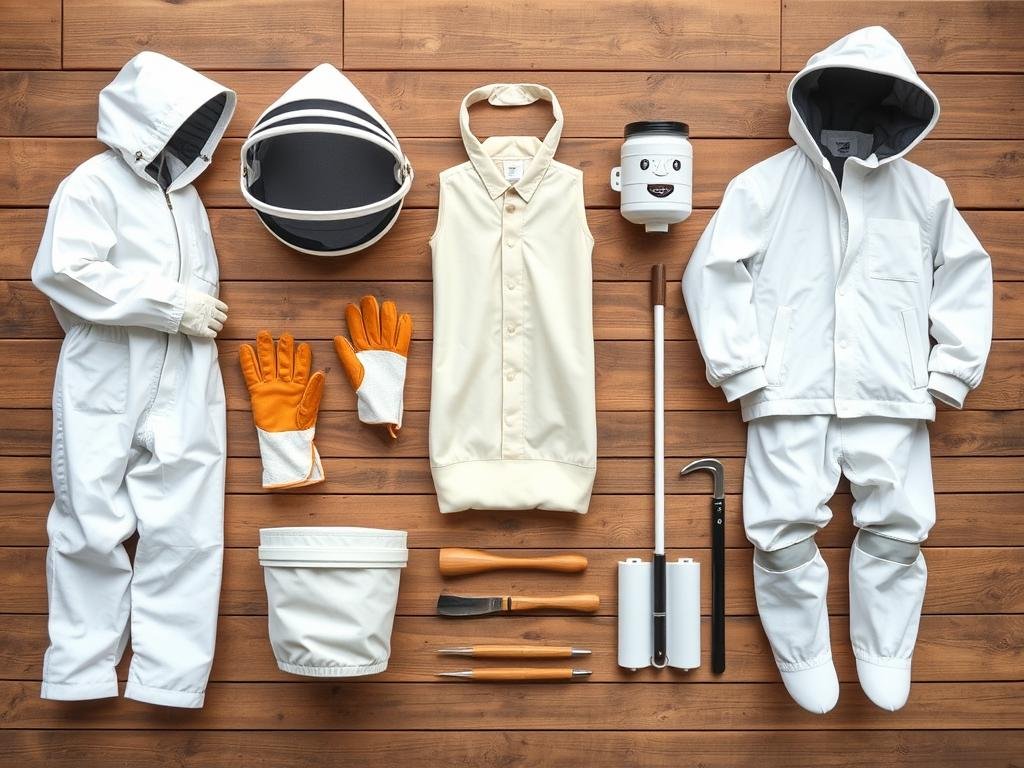
A complete set of beekeeping protective gear essentials provides comprehensive protection
Your beekeeping protective gear should form a complete system that prevents bees from accessing any part of your body. Let’s examine each essential component in detail.
Bee Suits and Jackets: Your Primary Defense
The bee suit or jacket forms the foundation of your protective system. You have several options to choose from based on your needs and comfort level:
Full Bee Suits
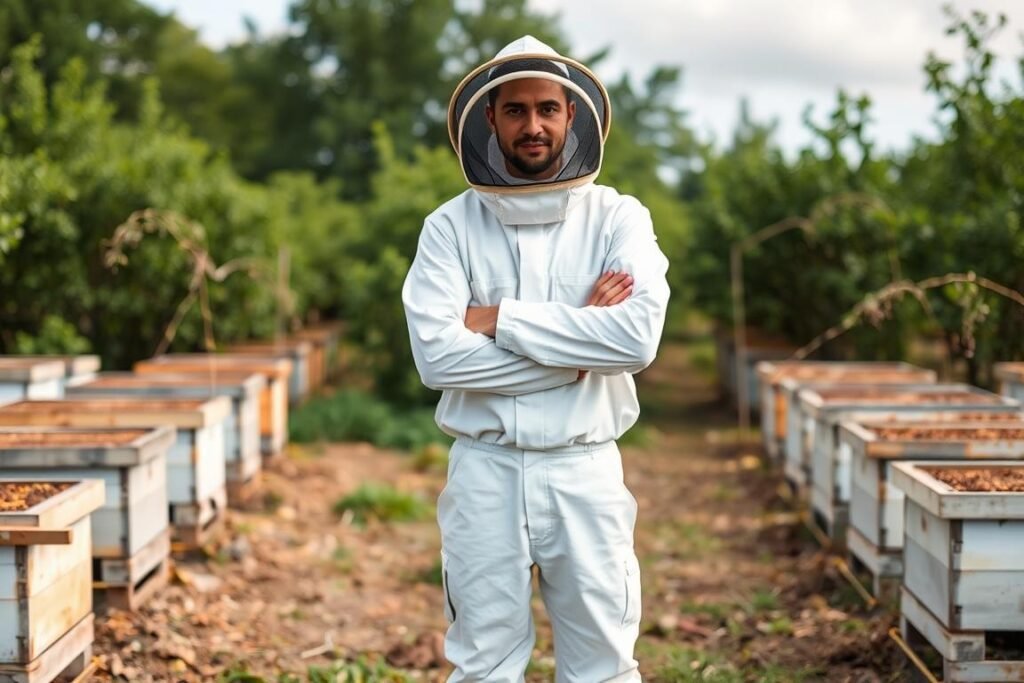
A full bee suit covers your entire body from neck to ankles. These one-piece garments typically feature:
- Elastic or velcro closures at wrists and ankles
- Multiple pockets for tools and accessories
- Durable, thick fabric that resists penetration
- Options for attached or detachable veils
- Ventilated versions for hot weather
Full suits provide maximum protection and are ideal for beginners or when working with more defensive colonies.
Beekeeping Jackets
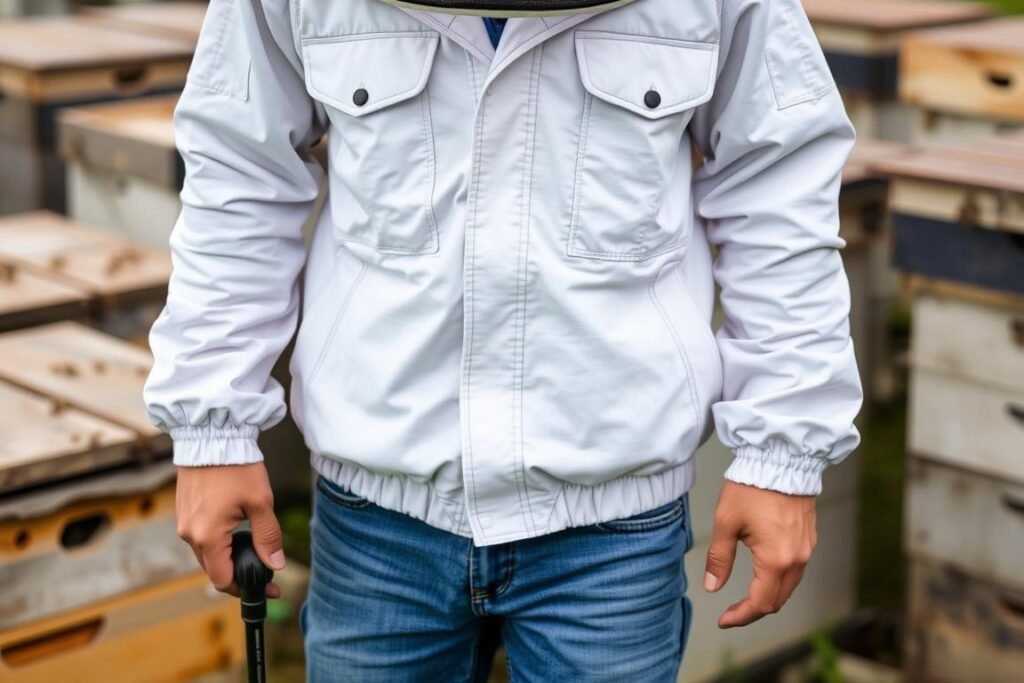
Beekeeping jackets cover your upper body and are worn with separate pants. They offer:
- Greater mobility and comfort in warm weather
- Easier to put on and take off
- Thumb loops or elastic cuffs to prevent bees from entering sleeves
- Attached or detachable veils
- Storage pockets for essential tools
Jackets are popular with more experienced beekeepers and for quick hive checks during favorable conditions.
Material Matters: Look for suits and jackets made from 100% cotton or polycotton blends (65% polyester/35% cotton). These materials offer the best combination of sting resistance, durability, and breathability. Ventilated suits with mesh panels provide better airflow in hot weather but may offer slightly less protection.
Veils and Head Protection: Guarding Your Most Vulnerable Areas
Your face, head, and neck are particularly sensitive to stings and must be well-protected. Bee veils come in several styles, each with advantages:
Round Veils
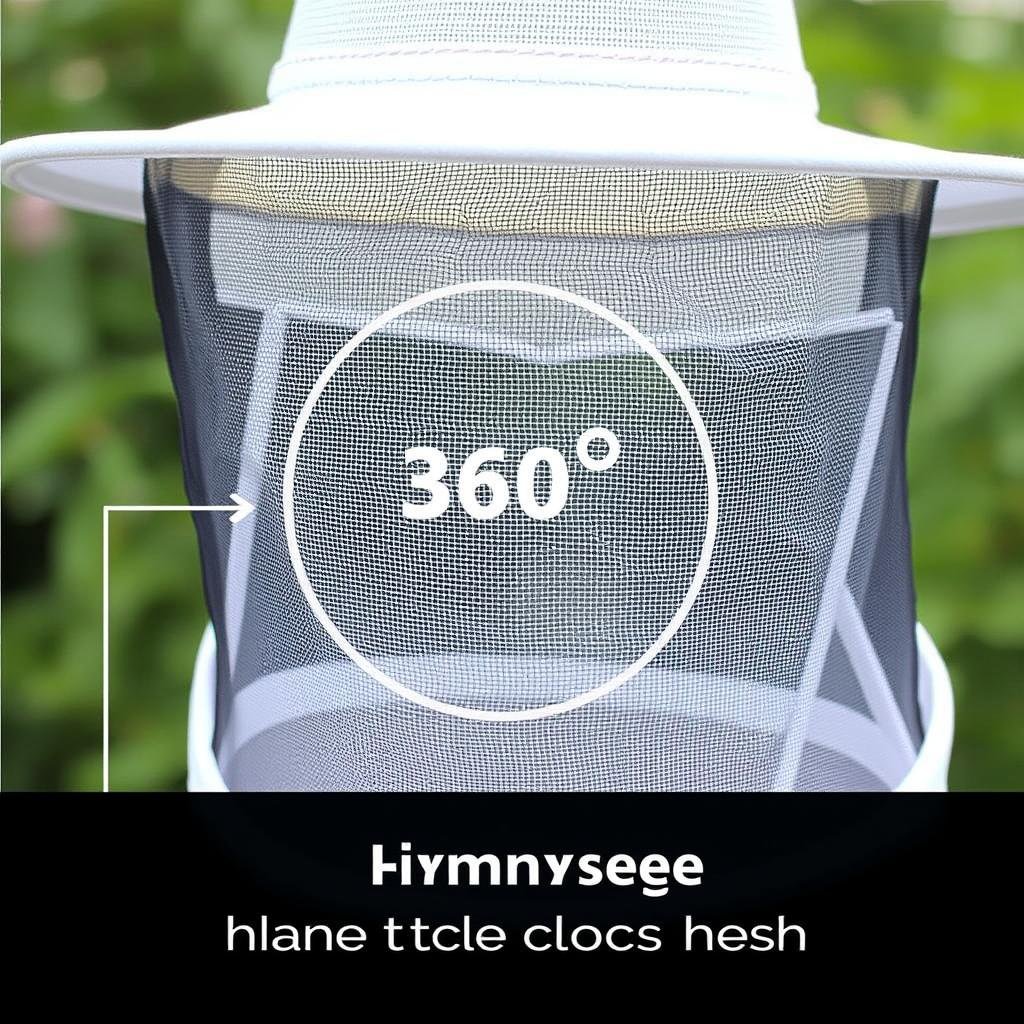
Round veils provide excellent visibility and keep mesh away from your face. They attach to a hardhat or helmet and create good clearance around your head.
Fencing Veils
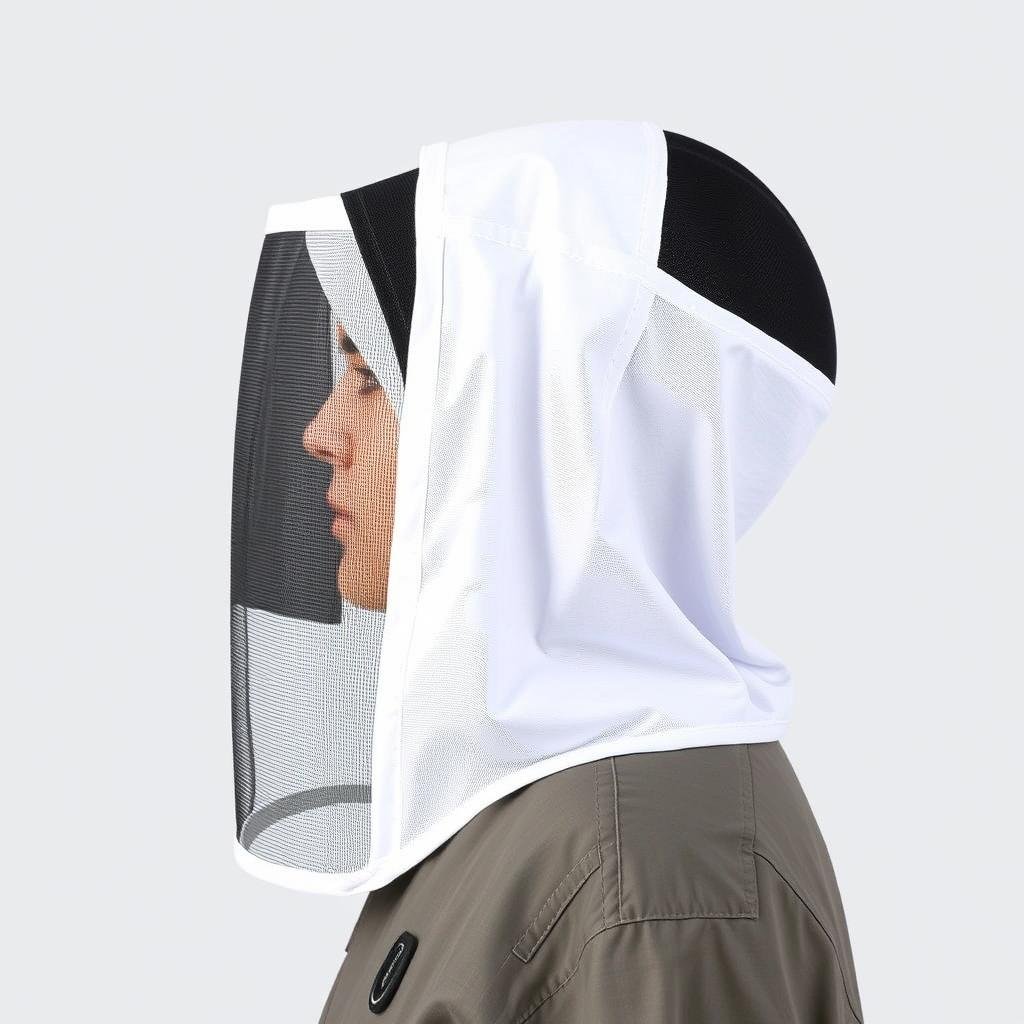
Fencing veils have a square mesh front that provides excellent forward visibility. They’re lightweight and fold flat for storage.
Hood Veils
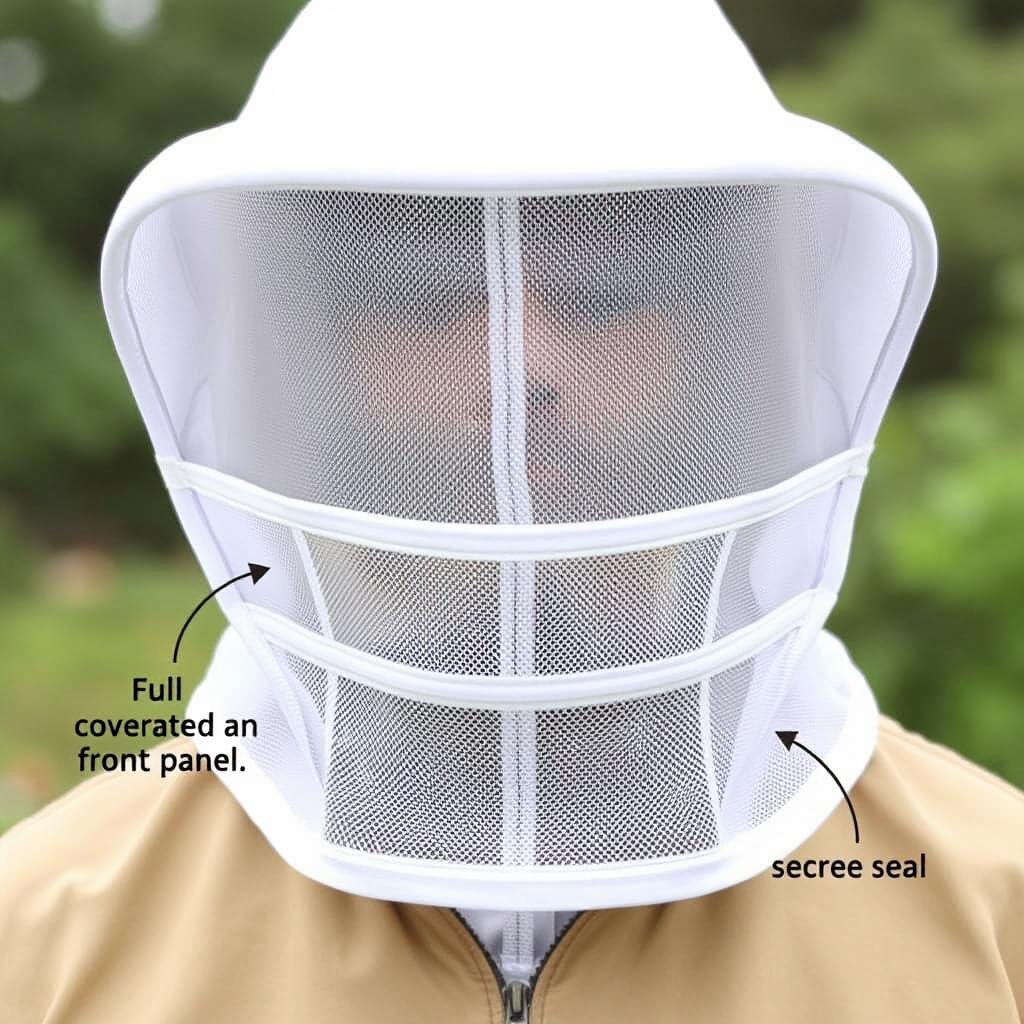
Hood veils integrate with jackets or suits via zippers, creating a secure seal. They’re convenient but may offer less ventilation.
Regardless of style, your veil should provide clear visibility, keep mesh away from your face, and create a secure seal with your suit or jacket. Many beginners prefer veils attached to their suits for maximum protection and convenience.
Gloves: Balancing Protection and Dexterity
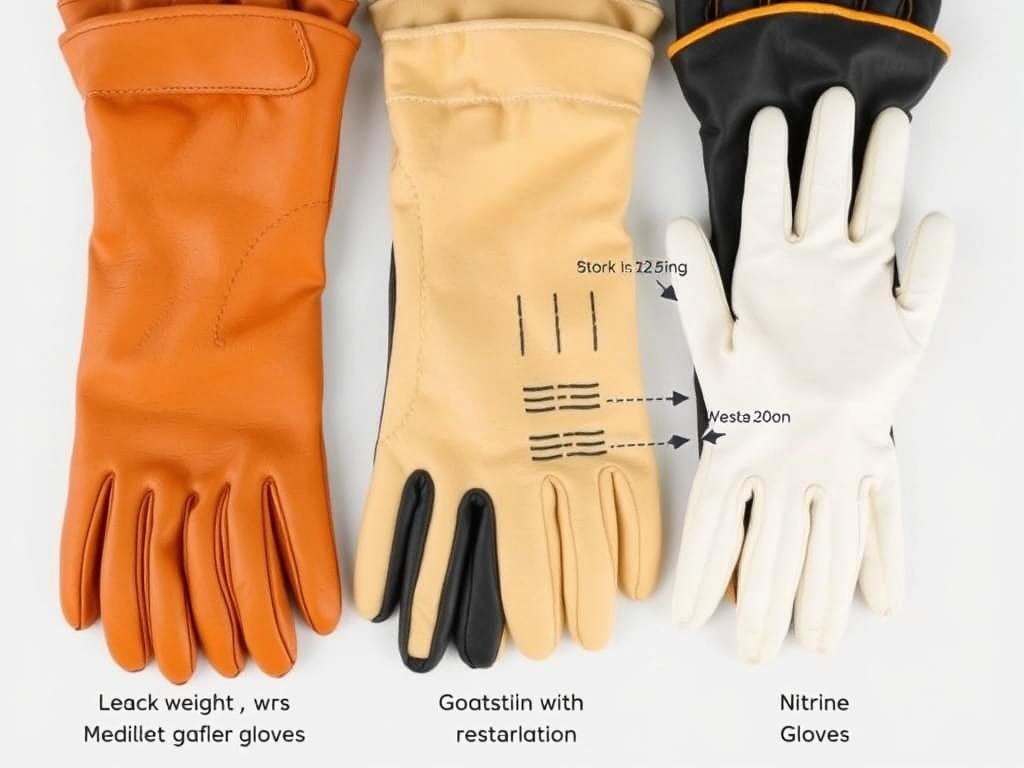
Different glove types offer varying levels of protection and dexterity
Beekeeping gloves protect your hands while allowing you to manipulate frames and equipment. The right gloves balance protection with the dexterity needed for delicate tasks.
Leather Beekeeping Gloves
Traditional beekeeping gloves are made from thick leather with long canvas gauntlets that protect your wrists and forearms. These offer maximum protection but reduce dexterity and tactile sensation.
Goatskin Gloves
Goatskin gloves provide a good balance of protection and flexibility. The thinner leather allows for better dexterity while still preventing most stings.
Nitrile or Latex Gloves
Some experienced beekeepers prefer disposable nitrile or latex gloves. These offer minimal protection but maximum dexterity and tactile feedback. They’re also easy to replace and keep clean.
Ventilated Gloves
Ventilated beekeeping gloves incorporate mesh panels for airflow while maintaining protection. These are ideal for hot weather conditions.
Beginner Tip: Start with thicker leather gloves until you gain confidence, then gradually transition to thinner gloves as your skills improve. Always keep a pair of heavy-duty gloves on hand for challenging situations.
Footwear and Ankle Protection: Don’t Forget Your Lower Half
Proper footwear and ankle protection complete your beekeeping outfit. Bees can crawl up pant legs, so securing this area is essential.
- Beekeeping Boots: Tall rubber or leather boots that extend above the ankle provide good protection.
- Boot Bands/Straps: These elastic or velcro bands secure pant legs to boots, preventing bees from crawling inside.
- Beekeeping Gaiters: Canvas or leather coverings that protect the lower leg and ankle area.
- Tucked Pants: At minimum, tuck pant legs into socks or boots and secure with bands.
For complete protection, wear closed-toe shoes or boots with pants tucked in and secured. Avoid sandals, shorts, or loose clothing that could allow bees access to your skin.
Key Features of Quality Beekeeping Protective Gear
Not all beekeeping protective gear is created equal. Quality construction and thoughtful design features make a significant difference in both protection and comfort.
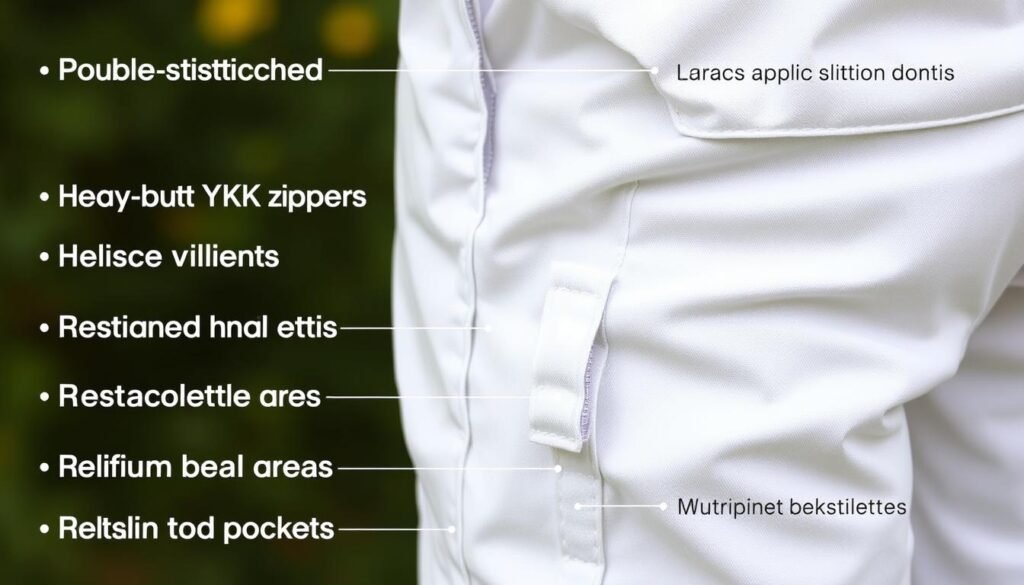
Quality protective gear features reinforced seams, secure closures, and durable materials
| Feature | Why It Matters | What to Look For |
| Seam Construction | Prevents bees from entering through stitching | Double or triple-stitched seams, flat-felled seams |
| Zippers | Creates secure closure points | Heavy-duty YKK zippers with protective flaps |
| Elastic Closures | Prevents bees from entering at wrists and ankles | Durable elastic that maintains tension over time |
| Ventilation | Prevents overheating during hot weather | Mesh panels in strategic locations, breathable fabric |
| Pockets | Convenient storage for tools and accessories | Multiple secure pockets with closures |
| Reinforcement | Extends gear lifespan in high-wear areas | Reinforced knees, elbows, and seat areas |
| Veil Attachment | Creates secure seal around neck and face | Secure zipper or velcro attachment without gaps |
When evaluating beekeeping protective gear, examine these features carefully. Higher-quality gear may cost more initially but will provide better protection and last significantly longer than budget options.
Finding the Right Fit for Maximum Protection
Proper fit is crucial for beekeeping protective gear. Clothing that’s too tight can allow stings to penetrate through stretched fabric, while overly loose gear can make movement difficult and create gaps where bees might enter.
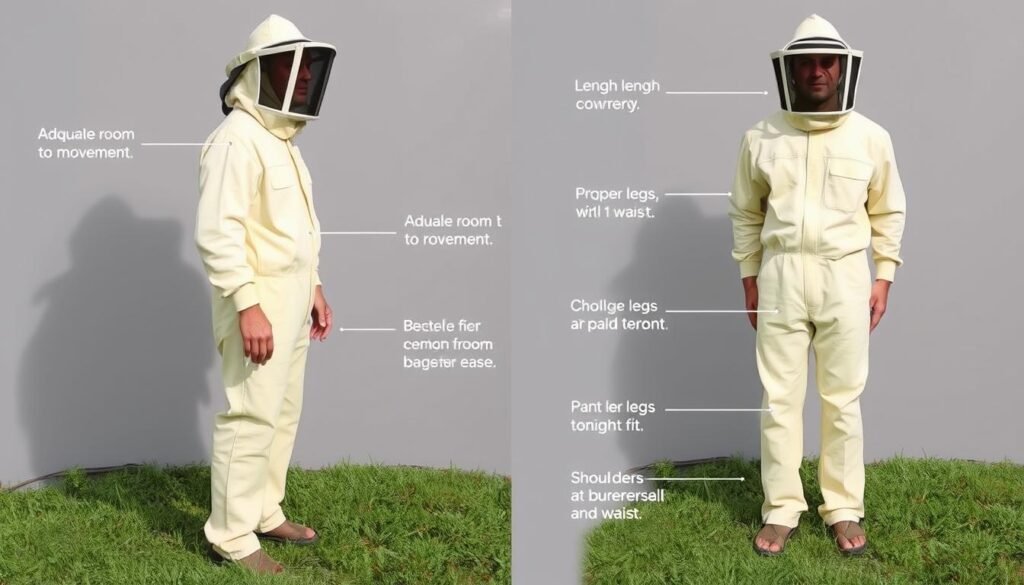
Proper fit allows comfortable movement while maintaining protection
Sizing Guidelines for Beekeeping Protective Gear
Suits and Jackets
- Choose one size larger than your normal clothing size
- Ensure sleeves extend fully to your wrists
- Verify you can comfortably raise your arms above your head
- Check that you can bend and squat without restriction
- Make sure elastic cuffs are snug but not tight
Veils and Hoods
- Mesh should remain at least 1-2 inches from your face
- Ensure 360-degree visibility without blind spots
- Verify secure attachment to suit or jacket
- Check that neck closure is snug without choking
- Hat should fit comfortably without slipping
Gloves
- Fingers should extend to the end of glove fingertips
- Gauntlets should cover wrists and lower forearms
- You should be able to grip small objects
- No pinching or restriction when making a fist
- Secure closure at wrist prevents bee entry
Overall Fit Considerations
- Wear your normal beekeeping clothes underneath when trying on gear
- Move through typical beekeeping motions to test mobility
- Check for gaps at connection points (veil to suit, gloves to sleeves)
- Consider seasonal needs (room for layers in cooler weather)
- Ensure all closures (zippers, velcro) function properly
Important: Never wear scented products (perfume, cologne, scented deodorant, etc.) when working with bees. Strong scents can trigger defensive behavior. Similarly, dark clothing can agitate bees, which is why most beekeeping gear is white or light-colored.
Supplementary Protective Equipment for Complete Safety
Beyond the essential components, several additional items can enhance your safety and efficiency when working with bees.
Bee Smoker
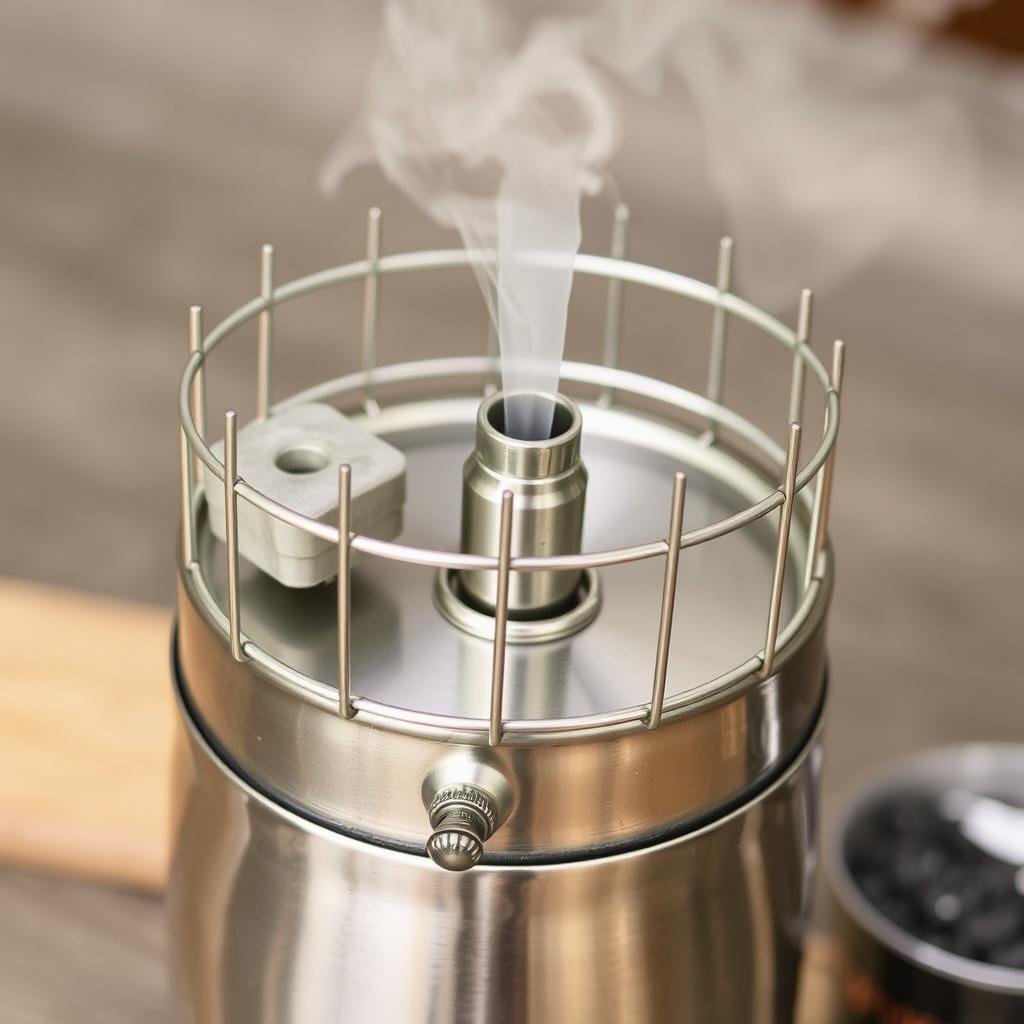
While not worn, a smoker is essential protective equipment that calms bees during hive inspections. Look for:
- Stainless steel construction
- Heat shield to prevent burns
- Comfortable bellows
- Proper size for your apiary
Hive Tools
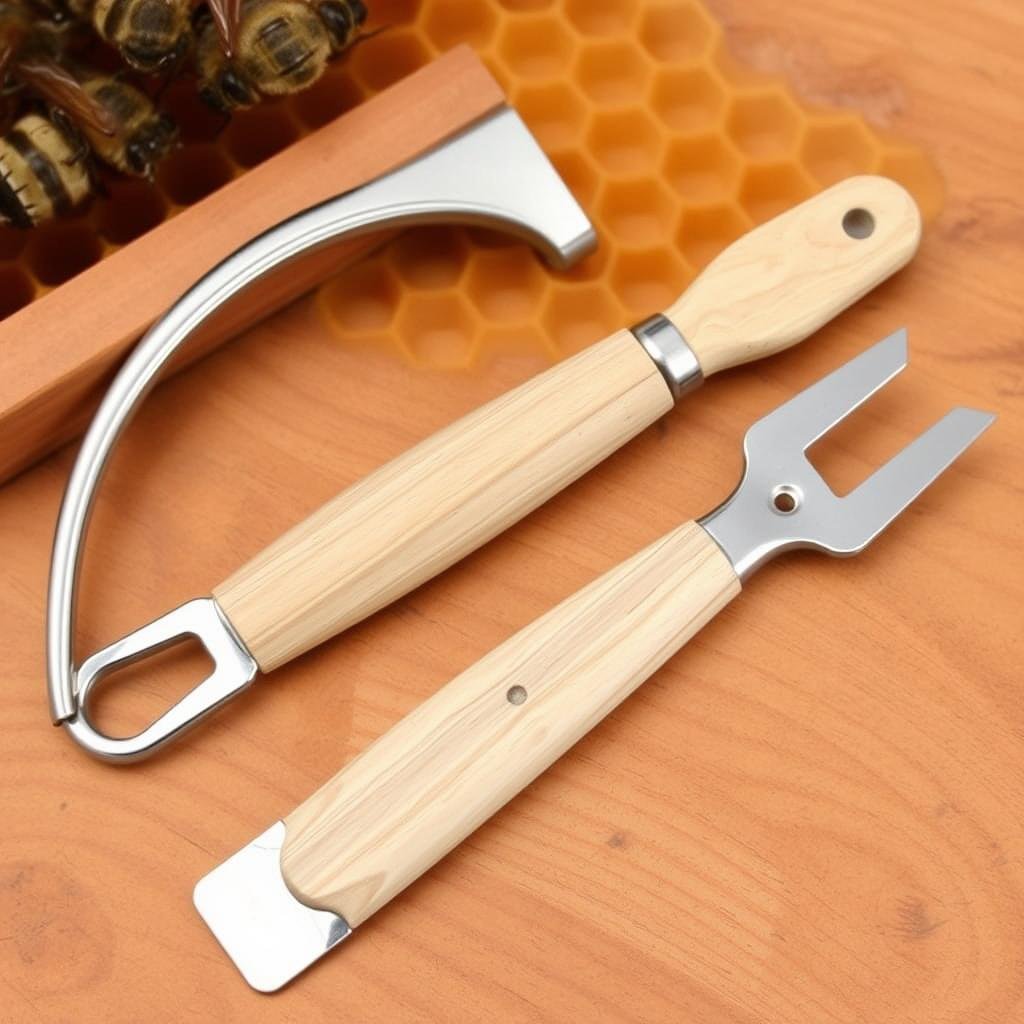
Proper tools help you work efficiently, reducing the time hives are open:
- Standard hive tool for prying
- Frame grips for easy removal
- Bee brush for gentle removal
- Tool belt for convenient access
Specialized Accessories
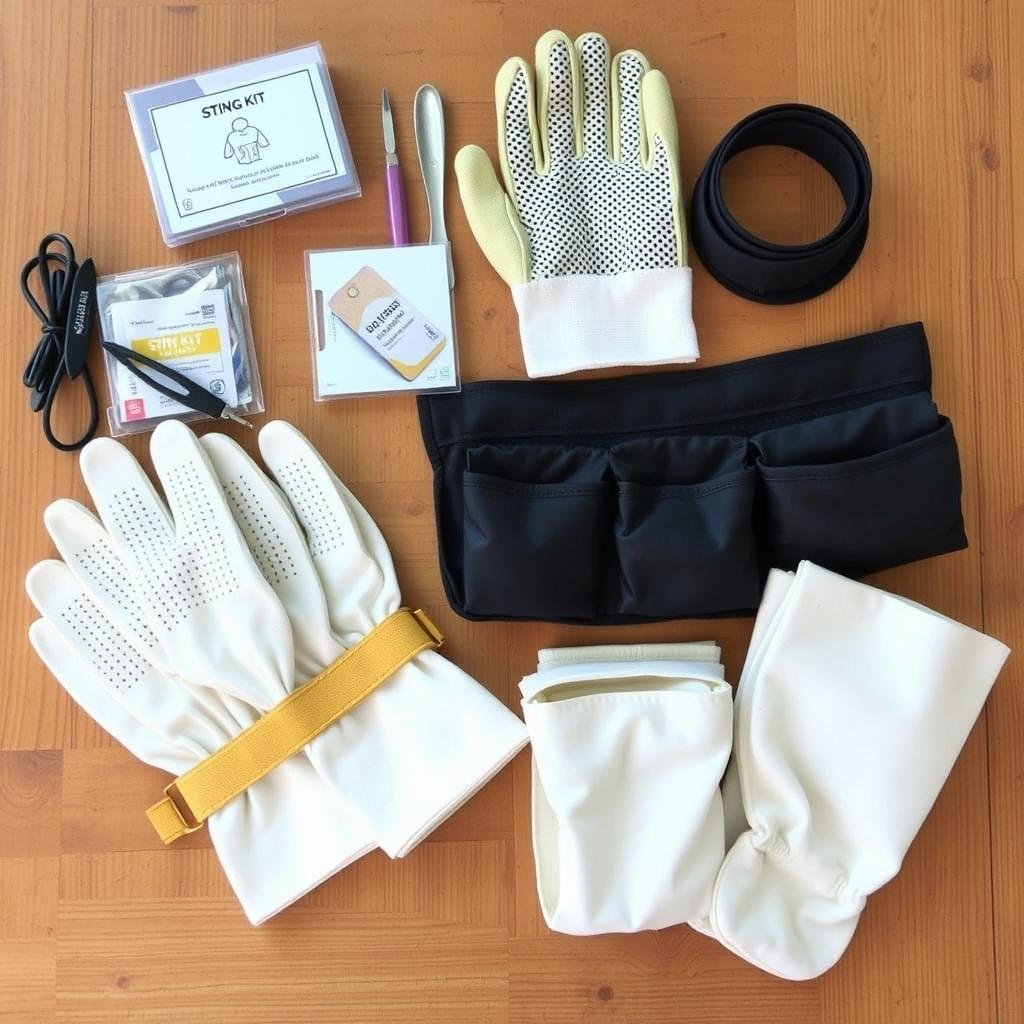
These items provide additional protection and convenience:
- Sting relief medication
- Ventilated gloves for hot days
- Dedicated beekeeping toolbelt
- First aid supplies
Having these supplementary items readily available ensures you’re prepared for any situation that might arise during hive inspections or maintenance.
Maintaining Your Beekeeping Protective Gear
Proper maintenance extends the life of your protective gear and ensures it continues to provide effective protection. Regular cleaning and inspection are essential parts of responsible beekeeping.
Cleaning Guidelines
- Suits and Jackets: Machine wash on gentle cycle with mild detergent. Avoid bleach or harsh chemicals that can degrade the fabric. Air dry or use low heat.
- Veils: Hand wash mesh with mild soap and water. Reshape and air dry to prevent distortion.
- Leather Gloves: Wipe with damp cloth and use leather conditioner occasionally. Never machine wash leather.
- Nitrile/Latex Gloves: Dispose after use or wash with soap and water if reusing.
- Boots: Clean with damp cloth and mild soap. Allow to dry completely before storage.
Storage Recommendations
- Store gear in a cool, dry place away from direct sunlight
- Hang suits and jackets to prevent creasing and maintain shape
- Store veils where they won’t get crushed or distorted
- Keep leather gloves flat or on glove forms
- Ensure all items are completely dry before storage
- Check periodically for pests or mildew
- Keep smoker fuel separate to prevent odor transfer
Regular Inspection Routine: Before each use, check your gear for tears, worn elastic, broken zippers, or other damage. Pay special attention to seams and closure points where bees might enter. Repair minor damage immediately and replace items that can no longer provide adequate protection.
Recommendations for Different Beekeeping Scenarios
The ideal protective gear setup varies depending on your experience level, local climate, and specific beekeeping activities. Here are recommendations for common scenarios:
For Beginners
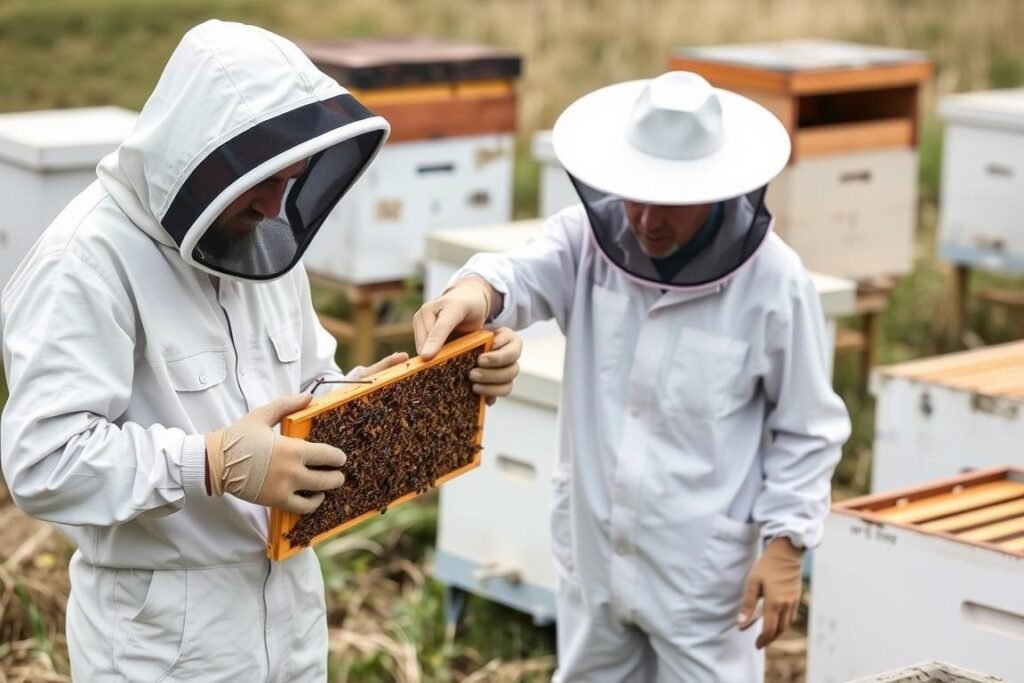
- Full bee suit with attached veil
- Thick leather gloves with gauntlets
- Ankle straps or high boots
- Quality smoker and basic tools
- Spare veil for observers
Prioritize maximum protection while you build confidence and learn bee behavior.
For Hot Climates
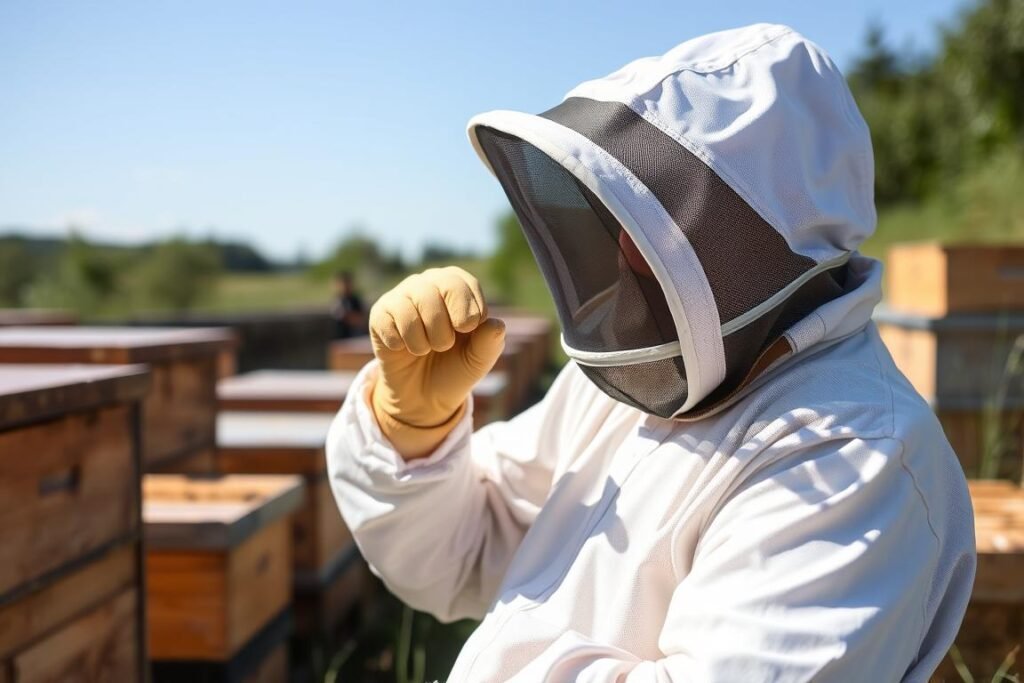
- Ultra-ventilated suit or jacket
- Lightweight, breathable veil
- Goatskin or nitrile gloves
- Light-colored, breathable clothing underneath
- Wide-brimmed hat for sun protection
Balance protection with ventilation to prevent overheating while working.
For Commercial Operations
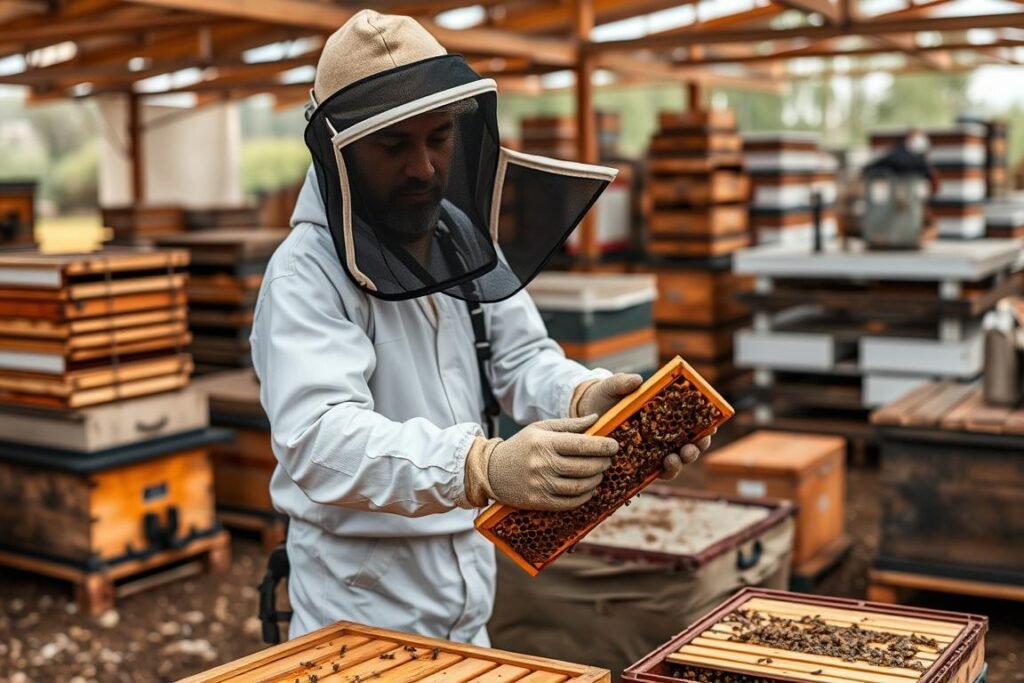
- Heavy-duty, reinforced suit or jacket
- Professional-grade veil with maximum visibility
- Multiple glove options for different tasks
- Durable boots with ankle protection
- Professional-grade tools and smoker
Invest in durability and efficiency for frequent, extended use.
Do I really need a full suit as a beginner?
While not absolutely required, a full suit provides maximum protection and confidence when you’re first learning. This allows you to focus on developing your beekeeping skills without the distraction of potential stings. As you gain experience and comfort working with bees, you can transition to more minimal protection if desired.
Can I get stung through my protective gear?
Yes, it’s possible to receive stings through protective gear, especially if the fabric is pulled tight against your skin or if the material is very thin. Quality gear significantly reduces this risk, but no protection is 100% sting-proof. Proper fit (not too tight) and multiple layers provide the best protection.
Why is most beekeeping gear white?
Bees are naturally defensive toward dark colors, which may resemble predators like bears. White and light colors are less threatening to bees and help keep them calmer during hive inspections. Light colors also reflect heat, keeping you cooler while working in the sun.
Investing in Quality Beekeeping Protective Gear
Proper protective gear is an investment in both your safety and your beekeeping success. Quality equipment allows you to work confidently and calmly, which benefits both you and your bees. Remember that even experienced beekeepers maintain appropriate protection—it’s not about fear but about respect for the bees and creating an environment where both keeper and colony can thrive.
As you gain experience, you’ll develop preferences for specific types of gear based on your comfort level and the temperament of your bees. Start with comprehensive protection and adjust as needed, always keeping safety as your priority.
Ready to Get Started with Quality Beekeeping Protective Gear?
Explore our selection of premium beekeeping protective equipment designed for beekeepers of all experience levels. From beginner-friendly full suits to specialized gear for experienced apiarists, we offer quality protection that lasts.
With the right protective gear and proper knowledge, you’ll be well-equipped to enjoy the fascinating and rewarding world of beekeeping for years to come.
FAQ
Why is protective gear necessary even with generally docile honeybees?
Even the most docile honeybees will defend their colony when they feel threatened, and multiple stings can be dangerous, especially for those with allergies.
What core pieces of protective gear should every beekeeper own?
A veil, suit or jacket, and gloves form the core protective gear every beekeeper should own, creating a reliable barrier between the beekeeper and the bees.
How does quality protective gear improve a beekeeper’s confidence and safety?
Quality gear lets beekeepers work calmly and efficiently around active hives, since confidence in their protection reduces hesitant movements that can actually agitate bees further.