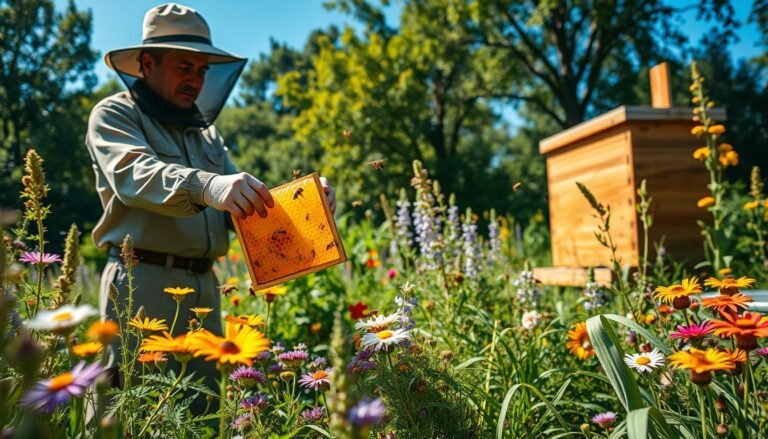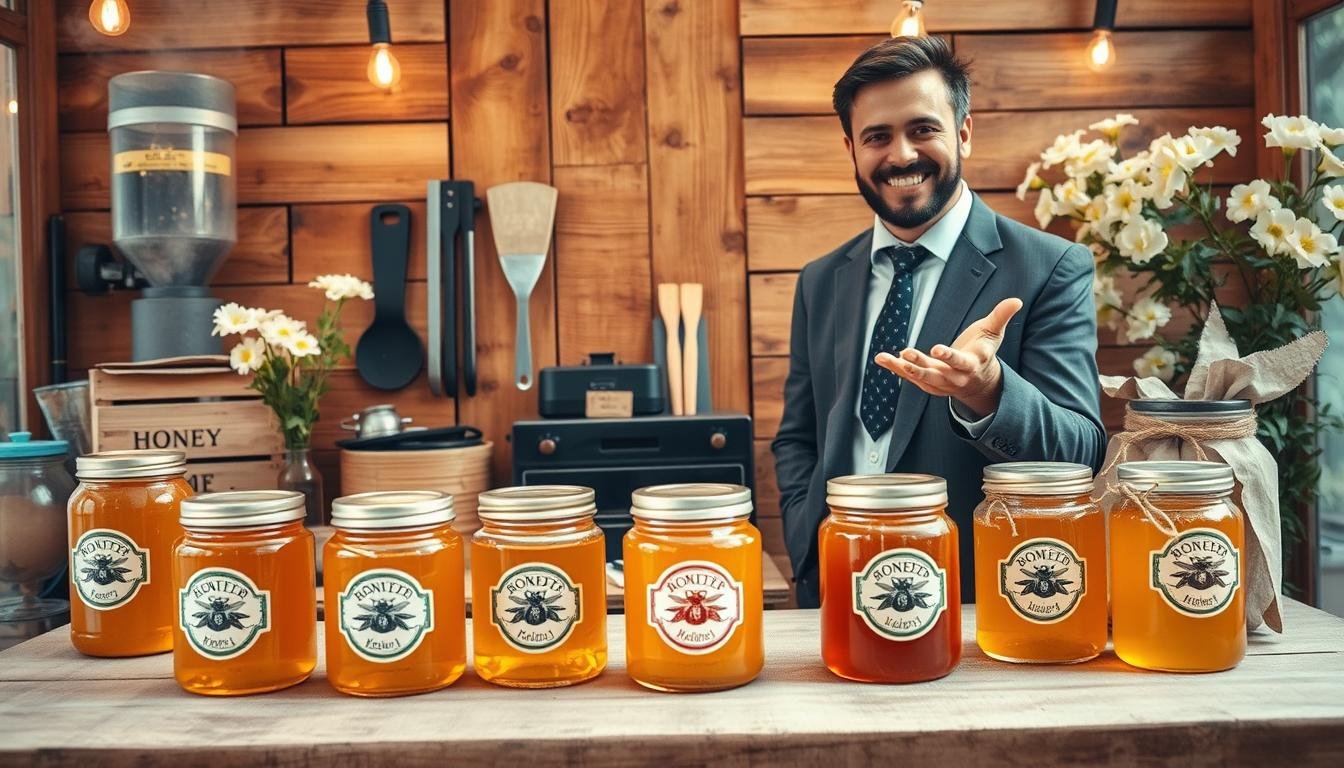
This post lays out a clear, practical path for first-time producers who want to turn backyard beekeeping into a proper small business.
Expect step-by-step notes on kitchen setup, licensing, labels, and packaging. Rules change by state, so contacting your Department of Agriculture or local extension is a smart first move.
We explain the big picture: compliance protects customers and your brand. You will learn why basic sanitation, moisture targets, and tamper-evident packaging cut risk and keep product quality high.
Next, we cover sales channels—from in-person markets to online platforms—and note added steps like FDA facility registration for interstate shipments. You’ll also see which marketing claims need proof, what documents markets request, and why insurance and SOPs matter.
Use this guide as a blueprint for registering your business, preparing labels, ordering supplies, and launching with confidence.
Key Takeaways
- Regulations vary by state; confirm local requirements before bottling.
- Minimum label elements include product name, net weight, and contact info.
- Food safety, packaging, and insurance reduce liability and open retail doors.
- Online sales may require FDA registration and careful shipping plans.
- Keep records, SOPs, and batch logs to protect customers and the brand.
What this guide covers to help you sell honey the right way
This guide lays out a clear roadmap from hive to market. It explains rules by state, the difference between cottage food and commercial production, and the key steps you must take before your first sale.
Operational guidance includes harvest timing, keeping moisture under 18.6%, and sanitary extraction and storage practices. You’ll get practical information on required labels—product name, net weight in ounces and grams, contact details, and ingredient lists when needed.
- Packaging choices: glass or BPA-free plastic, tamper-evident seals, and jar sizes that affect pricing and margins.
- Business setup: DBA or LLC, EIN, state/local licenses, and sales tax responsibilities.
- Sales channels: farmers markets and roadside stands versus e-commerce, plus FDA facility registration for interstate shipping.
- Insurance, vendor expectations, and growth options like flavored products and beeswax lines.
| Area | Key items | Why it matters |
|---|---|---|
| Production category | Cottage vs commercial, facility rules | Defines allowable volume and inspections |
| Labeling & claims | Name, weight, contact, ingredients | Avoids reprints and regulatory fines |
| Packaging & sales | Jar type, tamper seals, markets, shipping | Protects quality and meets vendor rules |
Use the compliance checklist and labeling worksheet in this guide to save time and avoid common mistakes when entering local markets.
Know your state and local laws before your first jar
Before you bottle a single jar, confirm what your state requires for small food businesses. Rules vary by jurisdiction. Some allow direct market sales with minimal permits. Others demand kitchen inspections, food handler certificates, or sales caps.
Key questions to ask your Department of Agriculture and extension office
Call your state Department of Agriculture and local cooperative extension. Ask whether cottage food laws cover your product, what permits you need, and whether an inspection of your home kitchen is required.
Cottage food versus commercial production: pick your path early
Cottage food rules often let producers sell direct from a home kitchen at local markets. Commercial production allows wholesale and online sales but carries stricter oversight, certified facilities, and producer licensing.
Limits on where, how much, and how you can sell
Some states cap annual revenue or limit venues for cottage operators. Farmers markets may add vendor rules. Keep written guidance, receipts, and inspection reports. Expect variable timelines for approvals when planning labels, claims, and events.
| Topic | Typical requirement | Why it matters |
|---|---|---|
| Cottage vs Commercial | Home kitchen allowed vs certified facility | Affects sales channels and inspections |
| Permits & Inspections | Food handler, kitchen checks, producer license | Ensures safety and vendor acceptance |
| Label enforcement | Net weight, contact, font rules | Prevents fines and reprints |
| Sales limits | Revenue caps, venue restrictions | Impacts growth planning |
For deeper technical guidance on grading and quality, see honey grading standards.
How to start selling honey legally
Get paperwork in order early: entity choice, an EIN, and local permits shape every next step. This reduces surprises and helps you operate like a professional small business.

- Choose an entity: weigh a DBA for simplicity versus an LLC for liability protection.
- Get your EIN: required for business bank accounts and federal tax filings.
- License locally: apply for state and municipal business and any food-specific permits.
- Register for sales tax: determine nexus and set up collection and remittance systems.
Separate finances from day one. Open a business account, track costs, and keep receipts. Maintain a paper trail of approvals, inspections, and insurance for markets and buyers.
Sequence tasks: secure legal approvals before ordering labels or booking events to avoid wasted money. If you want to sell honey beyond local markets, review commercial standards early and consult your local small business office.
For a practical checklist and next steps, see this sell honey guide.
Food safety, kitchen requirements, and safe harvesting basics
Safe harvests begin with clear targets for moisture and capping that protect product quality. Following simple rules in the field and the kitchen keeps food-safe jars on the shelf and reduces waste.
When to harvest: capped comb and moisture targets
Harvest frames when most cells are at least 80% capped. Use a refractometer to verify moisture under 18.6%.
That moisture threshold helps prevent fermentation and protects shelf life. Log readings with each lot number and yard location.
Essential tools and sanitary processing from hive to bucket
Sanitation matters at every step. Use food-grade buckets and sterile tools. Keep water away from open containers.
- Personal safety: bee suits, gloves, and a smoker to calm colonies during frame removal.
- Extraction tools: uncapping knife or fork, manual or electric extractor, and double sieves/strainers.
- Finishing: settling buckets for 24–48 hours, skimming foam, and removing particulates before bottling.
Designate zones in your home kitchen for uncapping, extraction, and packaging. Cover equipment between steps and avoid pets or cross-traffic.
| Step | Key action | Reason |
|---|---|---|
| Harvest timing | 80% capping; moisture < 18.6% | Prevents fermentation; ensures stable jars |
| Sanitation | Food-grade containers; sterilized tools | Protects food safety and consumer health |
| Extraction & settling | Extract, double-strain, settle 24–48 hrs | Improves clarity and removes bubbles/debris |
Validate uncapping tools and extractor balance before each run. Keep batch logs with harvest dates and moisture readings so you’ll have traceability if an issue arises.
For practical beekeeping setup notes and a beginner guide, see this beginner beekeeper resource.
Honey labeling requirements that keep you compliant
Clear, compliant labels protect your brand and calm vendor concerns at markets and stores.
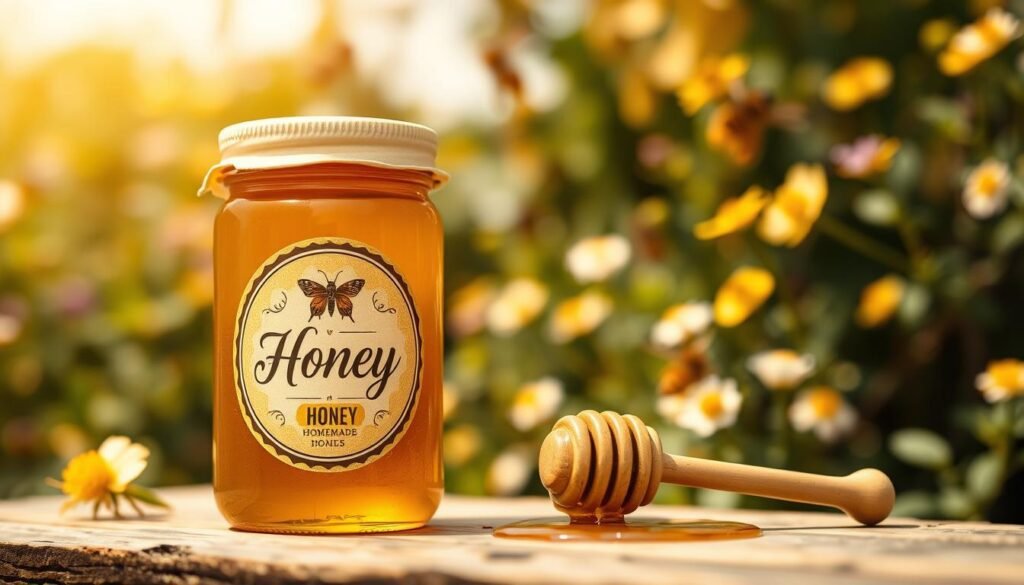
What must appear on a label
Every jar needs three minimum elements: the product name (“Honey”), net weight in ounces and grams, and contact details (name and address).
Keep digital proofs and a physical sample for inspections and vendor checks.
Ingredients and infused items
Pure honey requires no ingredients list. If you add cinnamon, fruit, or other flavors, list ingredients in descending weight order.
Claims and descriptors
Avoid unapproved health claims such as “cures allergies” or “boosts immunity.” Use truthful descriptors like raw, unfiltered, or floral source names. Use “organic” or “organic honey” only with USDA certification and chain-of-custody records.
- State the must-haves: product name, net weight (oz & g), and contact info.
- Readability: pick clear fonts and contrast; make net weight prominent.
- Variants: create compliant SKUs for floral source, raw vs. filtered, and seasonal runs.
| Descriptor | When allowed | Notes |
|---|---|---|
| Raw / Unfiltered | When processing matches claim | Document your steps |
| Local / Wildflower | When accurate and verifiable | Keep harvest location records |
| Organic | With USDA certification | Requires audited supply chain |
For a detailed labeling checklist and templates, see this labeling guide.
Packaging choices that protect quality and build trust
Smart containers and seals reduce returns and show customers you value food safety. Use food-safe jars and lids — glass or BPA-free plastic — and fit each with tamper-evident seals.
Sanitation and sizing matter as much as style. Sanitize jars, lids, and tools before filling and stage them on covered racks. Avoid reusing commercial containers; that can create compliance and safety issues.
Material, seals, and sizing choices
- Compare materials: glass gives premium clarity; BPA-free plastic lowers breakage risk for shipping.
- Prioritize closures: tamper bands, shrink seals, or induction liners signal integrity and cut returns.
- Right-size your lineup: start with one or two popular sizes and expand once demand is clear.
- Standardize fills: use calibrated fillers or ladles so net weight is accurate and consistent.
“Clear glass highlights color and clarity, helping people compare floral sources at a glance.”
| Choice | Benefit | Consideration |
|---|---|---|
| Glass jars | Premium look; shows color | Higher breakage and shipping cost |
| BPA-free plastic | Durable; lighter for shipping | Less premium perception |
| Tamper seals | Signals safety; reduces returns | Adds per-unit cost |
| Right-size options | Matches buyer demand; simplifies inventory | May need SKUs for label alignment |
Final note: calculate landed cost per unit (container, lid, seal, label) so your business stays profitable while presenting products that make customers trust your bees‑to‑jar care.
Selling in person versus online across state lines
Direct sales at markets focus on vendor relations; e-commerce adds regulatory and fulfillment layers.
In-person venues like a farmers market or roadside stand often qualify under cottage food allowances, but rules vary by state. Many events require vendor permits, a sales certificate, and liability insurance. Bring business paperwork and be ready for on-site checks.
- Research vendor applications, deadlines, fees, and on-site food handling rules before booking dates.
- Bring business licenses, sales tax certificate, and proof of insurance for manager review.
- Use clear signage with prices, flavor notes, and net weights; offer samples only when allowed and sanitary.
Online and interstate sales trigger additional steps. Shipping beyond your state can require FDA facility registration and stricter packaging and labeling standards. E-commerce platforms also set policy on shelf-stable food listings and fulfillment timelines.
- Optimize packaging for transit: leak-proof seals, protective inserts, and temperature-aware carriers in hot months.
- Configure sales tax collection where you have nexus and keep records of out-of-state shipments.
- Include customer information inserts with ingredients, storage advice, and reorder contact details.
Scale thoughtfully: master local sales and vendor expectations before pursuing wholesale or large online retailers. Clear service standards and insurance make it easier to grow without surprises.
Marketing honey and expanding your product line
Effective marketing turns a simple jar into a story that customers remember. Branding, clean labels, and clear messaging make your product easier to find and trust.
Brand, labels, and storytelling that resonate
Define a short positioning line and a visual look for your jars. Keep label copy concise and compliant, for example: “Raw. Local. Wildflower.”
Use your label to tell origin, bloom season, and handling. This connects the consumer with your apiary and builds repeat buyers.
Value-added products and simple expansions
Think small first: add cinnamon or lavender infusions, comb honey, or beeswax candles and lip balms.
These items increase average order value and create seasonal bundle options for festivals and gift sales.
Pricing, sizing strategy, and testing
Successful sellers start with one jar size and one or two SKUs. This keeps labels, inventory, and pricing simple while you test demand.
- Price for margin: include packaging, labor, fees, and market costs.
- Test at local markets, collect feedback, then expand channels.
- Use QR codes for harvest notes and reorder links to drive retention.
| Focus | Benefit | Action |
|---|---|---|
| Single jar size | Simpler labels | Reduce SKUs |
| Value items | Higher cart value | Bundle for holidays |
| Local tests | Real feedback | Refine pricing |
Conclusion
Finish strong by locking in compliance, safety, and simple systems that protect your brand. Understand your state framework, pick the correct production category, and complete registrations before you bottle a jar. Keep labels accurate and avoid unsupported claims that can trigger reprints or fines.
Prioritize food safety: harvest at proper moisture, maintain kitchen SOPs, and use food‑safe jars with tamper seals. Keep batch logs and liability insurance ready for markets and retailers.
Grow deliberately: validate demand at a farmers market, then expand online with compliant packaging and shipping plans. For practical operational tips for first-time commercial beekeepers, consult extension resources and peers.
With clear records, solid labels, and repeatable processes, you can sell honey profitably and build a trusted small business that people return to again and again.
FAQ
What permits or registrations will I likely need before selling jars of honey?
Check with your state Department of Agriculture and local health department. Common requirements include a business registration (DBA or LLC), an EIN for taxes, and local vendor permits. Some states require facility or food processor registration if you exceed cottage food limits or process at a commercial kitchen. Contact your county extension office for specific forms and thresholds.
Can I sell honey made at home under cottage food rules?
Many states allow small-scale food sales under cottage food laws, but honey rules vary. Cottage food typically covers non-perishable items; some jurisdictions exempt beekeepers from commercial licensing while others require inspections or limits on annual gross sales. Verify your state’s cottage food statutes and any labeling mandates before selling.
What basic label information must appear on each jar?
Labels should list the product name, net weight in ounces and grams, and contact information (business name and address). If you add ingredients or flavorings, include a clear ingredient list. Claims like “raw,” “local,” or “organic” must meet legal definitions and third-party certification where required.
When is honey considered “raw” or “unfiltered,” and are those claims safe to use?
“Raw” generally means minimal heating and no filtration beyond removing large debris. Definitions vary by state and buyer. Avoid misleading claims; if you use “organic,” obtain USDA Organic certification. Keep documentation of your processing methods to support any label statements.
What packaging choices protect quality and meet regulations?
Food-grade glass and BPA-free plastic jars are common. Use tamper-evident seals and lids that prevent leaks. Choose jar sizes that match labeling net weight. Proper packaging preserves flavor, prevents contamination, and builds buyer trust.
Are there moisture or processing targets I should follow during harvesting?
Harvest when comb is well-capped and moisture content is low (typically under 18%). Use clean, food-grade equipment and sanitary procedures from hive to bottling. Keep records of harvest dates and processing steps to demonstrate good practices if questioned.
Do I need to register with the FDA or follow any federal rules to sell online or ship out of state?
Shipping across state lines can trigger federal requirements. If you operate a commercial facility, FDA food facility registration and current Good Manufacturing Practices may apply. E-commerce platforms often require disclosure of business and shipping policies. Review FDA guidance and carrier rules before fulfilling interstate orders.
What should I ask my county extension or agricultural office when preparing to sell?
Ask about state honey statutes, labeling rules, cottage food exemptions, required inspections, allowable sales channels, and recommended processing resources. Request contacts for county health inspectors and local farmers market managers to understand vendor rules.
How do I price jars and test demand without big risk?
Start with small batches and a few jar sizes. Cost your honey by factoring hive yields, extraction labor, packaging, labeling, and market fees. Research local market prices, then price slightly above cost to allow margins. Use farmers markets or local shops to test demand before scaling up.
Can I sell infused or flavored honey, and what extra rules apply?
Yes, but flavored products require ingredient listings and may change shelf-life or safety considerations. Avoid making health claims. If adding dairy, nuts, or other allergens, include clear allergen labeling and follow local food-safety rules for handling.
What records should I keep for compliance and traceability?
Maintain hive and harvest logs, processing dates, batch codes, supplier invoices, sales receipts, and label versions. Good recordkeeping helps with recalls, buyer inquiries, and inspections.
What marketing steps help a small beekeeping brand stand out?
Build a clear brand story around origin, floral source, and sustainable practices. Use professional labels, local market sampling, social media, and partnerships with chefs or retailers. Value-added items like comb honey, beeswax salves, and gift sets expand appeal.
Are there restrictions on where I can sell honey locally, like farmers markets or retail shops?
Yes. Farmers markets and stores often require vendor permits, proof of insurance, and adherence to market rules. Some retailers ask for liability insurance, product liability labeling, and consistent packaging. Confirm vendor requirements before enrolling.
What liability or insurance should a small honey seller consider?
General liability and product liability insurance protect against customer injury claims. Vendors markets and retailers may require proof of coverage. Consider umbrella policies as you scale and consult an insurance agent familiar with food businesses.
How strict are organic claims and is certification necessary?
“Organic” is strictly regulated. Use the USDA Organic seal only after certification. For bees and honey, certification involves hive locations, forage sources, and management practices. If you can’t certify, prefer accurate descriptors like “from local hives” without using the organic label.
What are sensible first steps for a beginner beekeeper wanting to sell small volumes?
Learn local rules, join a state beekeepers association, start with a single product line, secure basic packaging and labels, and test sales at a farmers market. Keep clear records and upgrade licenses only when demand grows. This lets you refine quality and compliance without heavy upfront risk.