Crystallization is a natural, spontaneous process in raw honey that often puzzles buyers. It does not change the product’s nutritional value. Many consumers mistake solidifying for spoilage.
Knowing the sugar makeup helps explain why some jars stay liquid while others turn opaque or waxy. Examining the glucose and fructose balance reveals why consistency varies between varieties. This insight helps you judge product quality before purchase.
Crystals in a jar signal purity and minimal processing. They show the product is raw and unadulterated. For deeper reading on grading and standards, consult this grading guide.
Key Takeaways
- Crystallization is normal and does not reduce nutritional value.
- Sugar balance determines whether a jar stays liquid or thickens.
- Visible crystals can indicate an authentic, unprocessed product.
- Moisture and handling are key factors that affect consistency.
- Understanding these signs helps you assess product value and quality.
Understanding the Chemistry of Honey
A close look at what bees collect reveals the molecules that give each jar its character. Most jars are about 80% carbohydrates, with two simple sugars making up the bulk. This simple profile hides a complex mix of minor compounds that shape flavor and shelf life.
Primary Sugars
Fructose and glucose together represent roughly four-fifths of the carbohydrate content. Their proportions influence how a sample behaves over time.
Minor Components
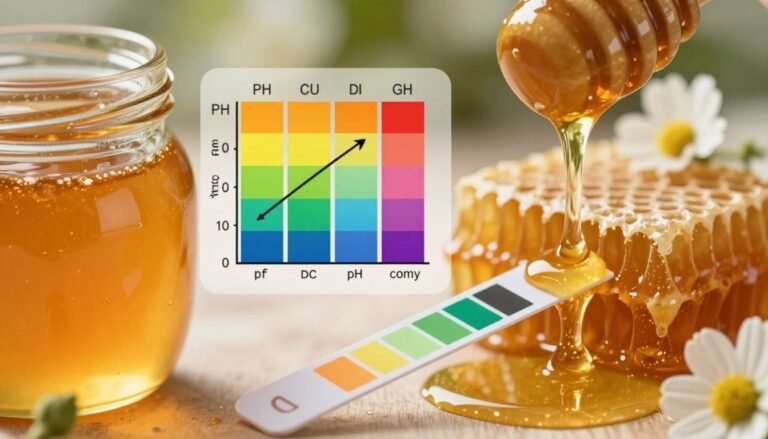
Trace elements such as enzymes (diastase, invertase), organic acids, and minerals add biological activity and subtle flavor notes. The average pH sits near 3.9 (range 3.4–6.1), which helps stability and antimicrobial action.
Researchers note antioxidant activity varies by floral source. For more on composition see this chemical composition of honey. Floral origin also affects pH; read how floral source affects pH.
| Variety | Main Sugars (%) | Average pH | Key Enzymes |
|---|---|---|---|
| Acacia | High fructose / moderate glucose | 3.6 | Diastase, Invertase |
| Clover | Balanced sugars | 3.8 | Diastase |
| Wildflower | Variable by sample | 4.0 | Invertase, Glucose oxidase |
The Role of Glucose Fructose Ratio and Honey Texture
The balance of the two main simple sugars determines a jar’s feel. When fructose levels are high relative to glucose, jars remain runny for months. When the opposite occurs, samples set quickly into a fine, waxy form.
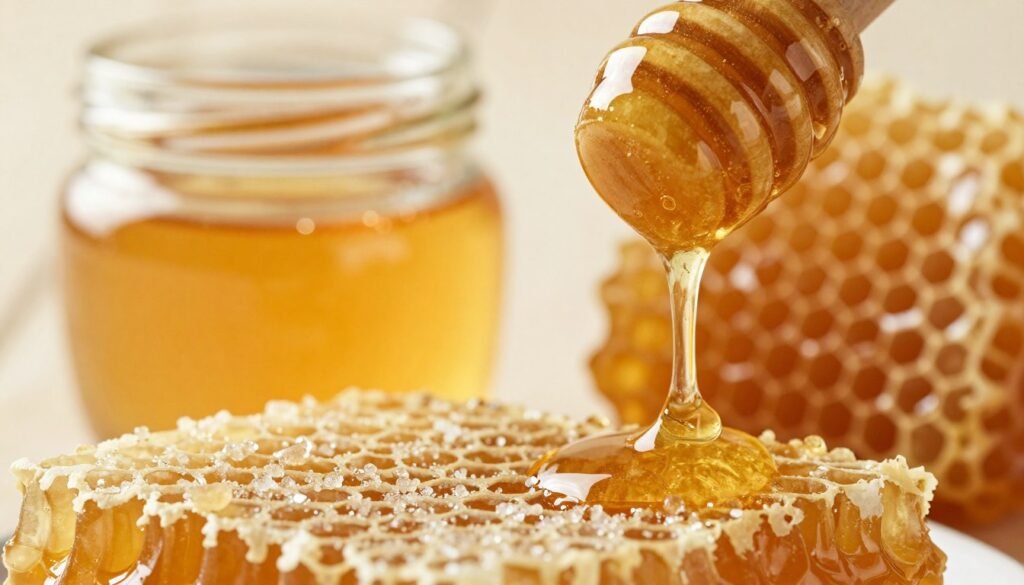
Scientific work shows clear thresholds: a fructose/glucose value above 1.58 prevents crystal formation, while a value below 1.11 speeds setting. This happens because fructose dissolves in water more readily than glucose.
- Primary driver: sugar balance; less soluble glucose tends to precipitate.
- Above 1.58 = long-lasting liquid, seen in some acacia varieties.
- Below 1.11 = fast crystallization; fine, uniform set within weeks.
“Sugar composition directly controls physical properties and shelf stability.”
Minor sugars like sucrose and floral compounds also affect how the jar interacts with water over time. For practical tips on handling and visual signs, see understanding crystallization and this detailed crystallization guide.
Why Honey Crystallizes Over Time
Many jars move from liquid to grainy because of a basic imbalance between dissolved solids and available water.
The Supersaturated Solution
Honey is a supersaturated solution — more than 70% sugars with under 20% water in most samples. This means the liquid holds more dissolved sweet compounds than water can normally keep stable.
With time, less-soluble molecules precipitate as the most stable solid form: glucose monohydrate crystals. Temperature plays a key role.
Storage between 10 and 15°C speeds crystal formation. Refrigeration often triggers visible grains because those temperatures favor precipitation.
“Crystallization is a physical inevitability for supersaturated food systems when conditions favor precipitation.”
- Primary driver: concentration of less-soluble sugars versus moisture.
- Temperature: 10–15°C raises the rate of crystal growth.
- Composition: acids, minor sugars, and enzymes influence nucleation and growth.
| Factor | Effect | Practical result |
|---|---|---|
| Water content <20% | Creates supersaturated solution | High tendency to crystallize |
| Storage 10–15°C | Promotes crystal nucleation | Faster visible grain formation |
| Sugar concentration and composition | Determines crystal type and speed | Samples set at different rates |
| Acids and enzymes | Alter nucleation sites | Changes crystal size and uniformity |
Environmental Factors Affecting Honey Consistency
Small shifts in the storage environment can change a jar’s feel within weeks. These external drivers alter physical properties without changing nutritional value.
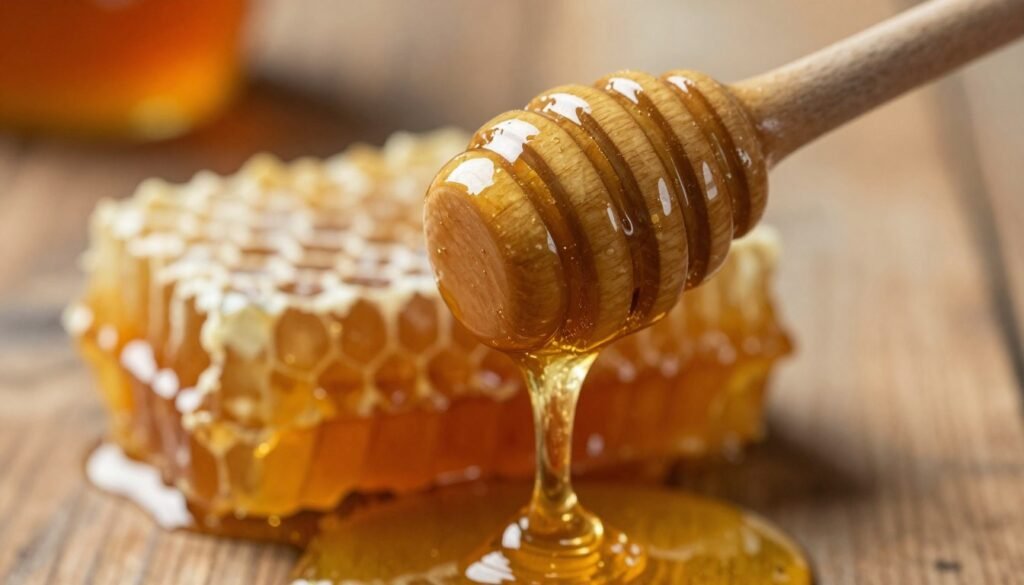
Temperature Fluctuations
Warm spells followed by cool nights speed crystal growth. Rapid swings create many nucleation sites and quick visible change.
Keeping jars at a steady room temperature slows the process and preserves a liquid state.
Pollen Content
Pollen flecks act as natural crystallization centers. Raw samples with high pollen content will form crystals faster than filtered varieties.
The absolute pollen count affects both crystal size and the rate of change over time.
Moisture Levels
Small increases in water shift sugar solubility and can trigger precipitation. The concentration of glucose in the product profile is highly sensitive to moisture content.
Tip: Monitor storage humidity to limit unwanted setting in jars.
“The chemical balance stays the same, but environmental activity controls when crystals appear.”
| Factor | Effect | Practical advice |
|---|---|---|
| Temperature levels | Alters nucleation and growth rate | Store at stable room temperature |
| Pollen content | Provides nucleation sites for crystals | Expect faster set in raw samples |
| Moisture concentration | Shifts solubility of sugars | Keep jars dry and sealed |
For lab benchmarks on glucose fructose values and environmental impact, see this glucose fructose values.
Comparing Raw and Processed Honey Characteristics
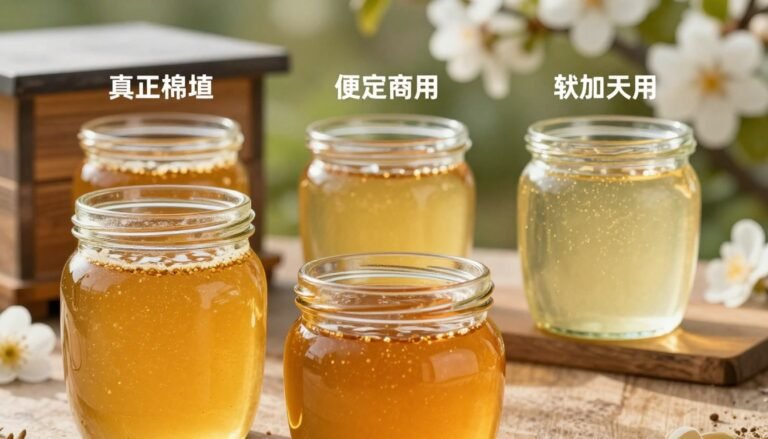
Commercial processing changes more than appearance; it alters the living compounds that define each jar. Raw samples keep natural enzymes, pollen, and the original sugar composition that signal floral source and quality.
Processed varieties undergo heat treatment (commonly between 140°F and 170°F, sometimes 170°F for short bursts) and filtration to remove pollen and microscopic crystals. These steps delay crystallization and produce a consistent, clear product with longer shelf life.
That clarity comes at a cost. High temperatures and ultrafiltration reduce biological activity and can lower beneficial compounds found in unpasteurized samples.
- Raw: retains enzymes, pollen, and native sugar profile; more likely to crystallize — a sign of minimal processing.
- Processed: heated and filtered to stay liquid; texture is consistent but some nutrients may decline.
- Advanced methods such as adding trehalose or precise ultrafiltration alter set behavior without relying solely on heat.
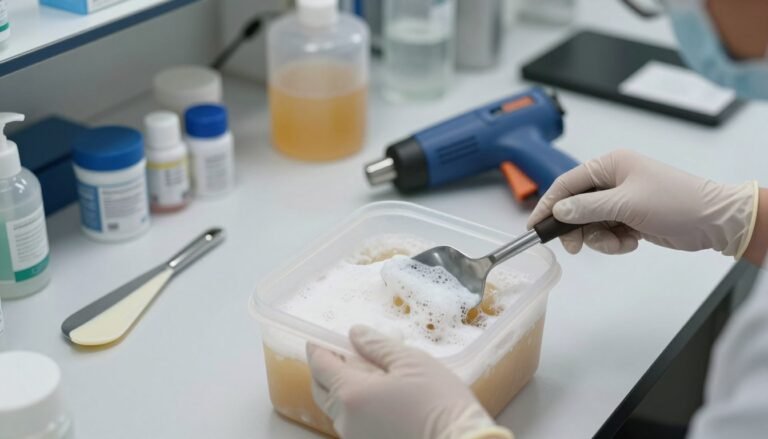
For practical testing and to check purity at home, see this test honey purity at home.
Nutritional Value and Quality Considerations
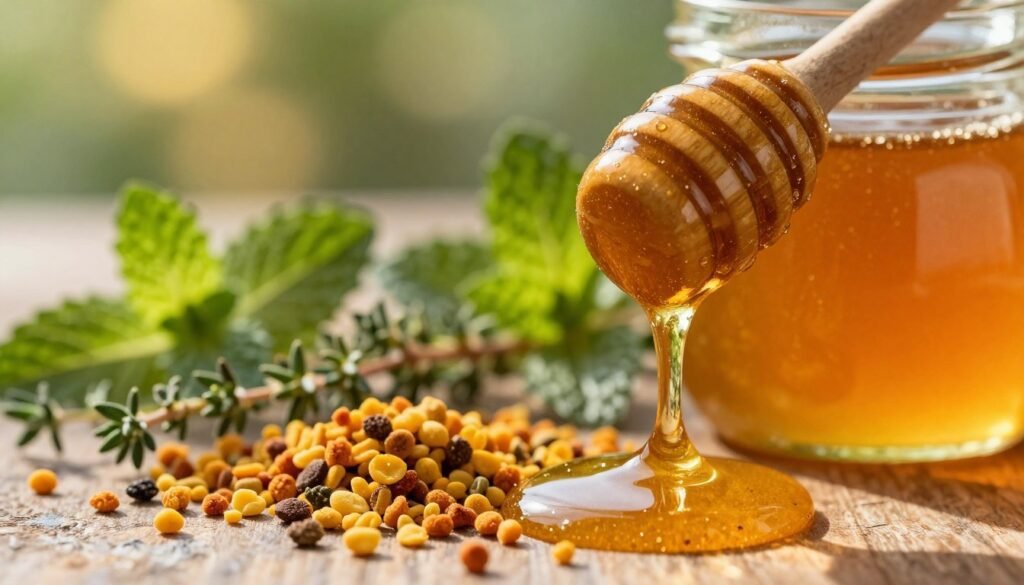
What a jar offers goes beyond sweetness. A tablespoon provides about 64 calories and small amounts of minerals such as potassium, calcium, and zinc. These trace nutrients contribute to its appeal as a natural food.
Antioxidants and Enzymes
Darker honeys often show higher antioxidant activity. Varieties like buckwheat typically register greater ORAC values in scientific samples than light acacia samples. That difference comes from phenolic compounds and organic acids tied to floral source.
Enzymes such as glucose oxidase occur naturally and support antimicrobial activity and shelf stability. Their presence signals minimal processing and can enhance functional properties in raw samples.
- Nutrient mix: carbohydrates, simple sugars, trace vitamins, minerals.
- Bioactivity: phenolics, acids, and enzymes drive antioxidant and antimicrobial results.
- Quality checks: measure moisture and sugar composition to confirm purity and safety.
Practical note: Regular, moderate use of raw jars can be a healthier alternative to refined sweeteners when quality is verified. Test results for moisture and composition are the best guide to true value.
Best Practices for Proper Honey Storage
Store jars where temperature stays steady to protect taste and natural compounds. Room temperature between 64–75°F (18–24°C) is ideal to keep product quality and extend shelf life.
Use sealed glass containers to block moisture and air. That prevents yeast growth and preserves natural properties over time. For long-term commercial storage, stainless steel drums shield samples from light, heat, and water exposure.
If crystallized, gently warm the sealed glass jar in a warm water bath. Avoid overheating so enzymes and sucrose-related compounds remain intact.
- Keep jars sealed: stops moisture absorption that leads to spoilage.
- Avoid refrigeration: cold speeds setting and changes product feel.
- Use steady temps: fluctuating warmth creates more nucleation points.
“Consistent storage preserves quality, safety, and useful properties for the longest practical life.”
For step-by-step handling and extraction methods consult the complete storage guide or learn how beekeepers manage bulk extract and store raw honey.
Conclusion
Crystallization is a natural hallmark that signals purity in raw jars. It does not reduce nutritional value and often shows minimal processing.
Accept set jars as a mark of authenticity rather than spoilage. Small shifts in composition, temperature, and storage influence when crystals appear.
Well-handled samples keep flavor and bioactive compounds intact. Choosing raw honeys preserves enzymes and antioxidants you expect from an unaltered product.
To learn more about the science behind this change, read this crystallisation science guide for practical tips and clear explanations.
FAQ
What effect does the glucose-to-fructose proportion have on honey consistency?
The balance between these two main simple sugars determines whether a jar stays pourable or tends to become grainy. A higher share of the sugar that crystallizes faster promotes solidification, while a higher share of the sugar that stays liquid favors a smooth, syrupy product. Varietal differences, such as clover versus acacia, change this balance and therefore the feel in the mouth.
Which sugars are most abundant in natural bee nectar products?
The dominant carbohydrates in most floral nectars are two monosaccharides, with sucrose present in smaller amounts. These compounds drive sweetness and influence shelf behavior. Minor components like oligosaccharides can also affect flavor and stability.
What minor constituents influence flavor and shelf life?
Trace elements such as organic acids, phenolic compounds, pollen, and enzymes like invertase shape aroma and nutritional value. These components also contribute to color and can help protect against microbial growth when levels of free water remain low.
Why does crystallization occur in some jars after time?
When a solution becomes supersaturated, the excess molecules begin forming solid crystals. Seed crystals from pollen or fine particulates accelerate the process. The inherent sugar balance and processing methods set how readily crystals form.
How do temperature swings alter consistency?
Warm conditions encourage a smooth, fluid state, while cool periods promote crystal growth. Repeated cycles of heating and cooling foster formation of larger crystals, which changes the mouthfeel and spreadability.
Can pollen load affect thickness or graininess?
Yes. Higher pollen content provides nucleation sites that speed solid formation, making the product crisper or more granular. Varieties with heavier pollen counts often solidify sooner than those with cleaner nectar.
What role does moisture content play in stability?
Water percentage is critical: too much raises fermentation risk, too little favors crystallization. Producers target a narrow moisture band to balance safety and desired consistency while maintaining quality metrics such as water activity.
How do artisanal, raw jars compare to commercial, strained versions?
Unprocessed options retain more particles, enzymes, and volatile aromatics, which often yield complex flavor and faster solid formation. Filtered, blended, or heated products tend to stay uniform longer but may lose some botanical character and beneficial enzymes.
Do antioxidants and natural enzymes affect nutritional quality?
Antioxidants and enzymes like glucose oxidase contribute modest functional benefits, including mild antimicrobial properties and potential health-supporting effects. Levels vary by floral source and handling; raw, minimally heated products typically preserve more of these compounds.
What are best storage practices to preserve desired consistency and quality?
Store sealed jars at stable, moderate room temperatures away from direct sunlight and humid areas. Avoid repeated heating and rapid cooling. If crystallization occurs, gentle warming in a water bath can restore fluidity without degrading beneficial compounds.
How can consumers identify varietal differences that influence mouthfeel?
Labels naming floral origin—such as acacia, clover, or manuka—offer clues. Acacia tends to remain liquid longer, while sources like rapeseed or sunflower crystallize sooner. Sensory cues like granularity, color, and aroma also indicate botanical origin.
Are there safe methods to reverse solidification without losing quality?
Yes. Place the sealed jar in warm (not boiling) water and stir gently until smooth. Avoid microwave heating or overheating, which can degrade heat-sensitive enzymes and alter flavor. Low-temperature methods best protect quality.
How do testing methods evaluate sugar composition and water levels?
Laboratories use chromatography to quantify individual sugars and refractometry or Karl Fischer titration to measure moisture. These analyses help classify product type, detect adulteration, and guide processing decisions.
Does the addition of sugars or syrups change behavior and labeling requirements?
Adding sweeteners alters composition, consistency, and regulatory classification. Blends must be declared on labels and can change crystallization tendency and water activity. Authenticity testing can detect such additions.
What factors influence shelf life beyond sugar content?
Packaging, storage temperature, moisture, and initial microbial load impact longevity. Proper sealing and low water activity preserve sensory and nutritional attributes for extended periods when stored correctly.