Upgrading the gate on a bottling bucket changes how you finish an extraction run. A sturdy nylon valve and a precise fitting protect product quality and speed up fill lines. Many members in the forum 1.6m share practical tips on matching a valve to a standard gallon bucket.
The March 26, 2026 industry update highlights that professional beekeepers favor durable parts to avoid leaks and waste. A reliable gate reduces foam and keeps jars clean during bottling. Home setups benefit when you choose equipment that fits food-grade buckets and seals well.
This short guide pulls experience from general beekeeping forums and equipment hardware threads to help you select the right bee supply. For practical bottling workflow tips and sealing advice, see our packaging notes at how to package and label honey.
Key Takeaways
- Choose a nylon valve sized for a 5-gallon or gallon bucket to prevent leaks.
- Durable gate parts cut waste and speed bottling in home and commercial setups.
- Check forum 1.6m members and general beekeeping forums for real-world reviews.
- Seal fittings with food-grade materials and test before full runs.
- Select equipment compatible with Mann Lake and common bee supply standards.
Understanding the Role of Honey Gates in Beekeeping
A properly fitted gate turns a messy pour into a quick, controlled transfer that protects flavor and yield.
What it does: The valve controls flow from an extractor or a 5-gallon bucket to jars or storage. That control prevents spills and cuts waste during the busy harvest season.
Mann Lake, the largest bee supply maker in the U.S., highlights that well-made valves and nylon fittings reduce leaks and keep product quality intact. Many hobby and commercial operators rely on these parts year after year.
Field reports from general beekeeping forums and forum 1.6m members note that a secure side-wall fit saves time and cleanup. You should make sure the valve mates with the bucket wall and seals tightly before a full run.
Quick comparison of common options is below, to help you view pros and cons at a glance.
| Type | Material | Pros | Cons |
|---|---|---|---|
| Standard valve | Food-grade nylon | Lightweight, non-corrosive, affordable | Can wear with heavy use |
| Metal valve | Stainless steel | Durable, long service life | Higher cost, heavier |
| Quick-release | Plastic/nylon blend | Fast operation, easy cleaning | More parts to maintain |
For a proper bucket fit and recommended sizes, see our guide to the 5-gallon bucket options.
Top Material Choices for the Best Honey Gate Replacement for Bottling Buckets
Choosing the right material affects flow control, wear, and long-term hygiene in your extraction setup.
Two clear material paths dominate the market: food-grade nylon and stainless steel. Each has trade-offs in weight, service life, and cost. Match the choice to your volume, cleaning routine, and extractor thread type.
Food-Grade Nylon Benefits
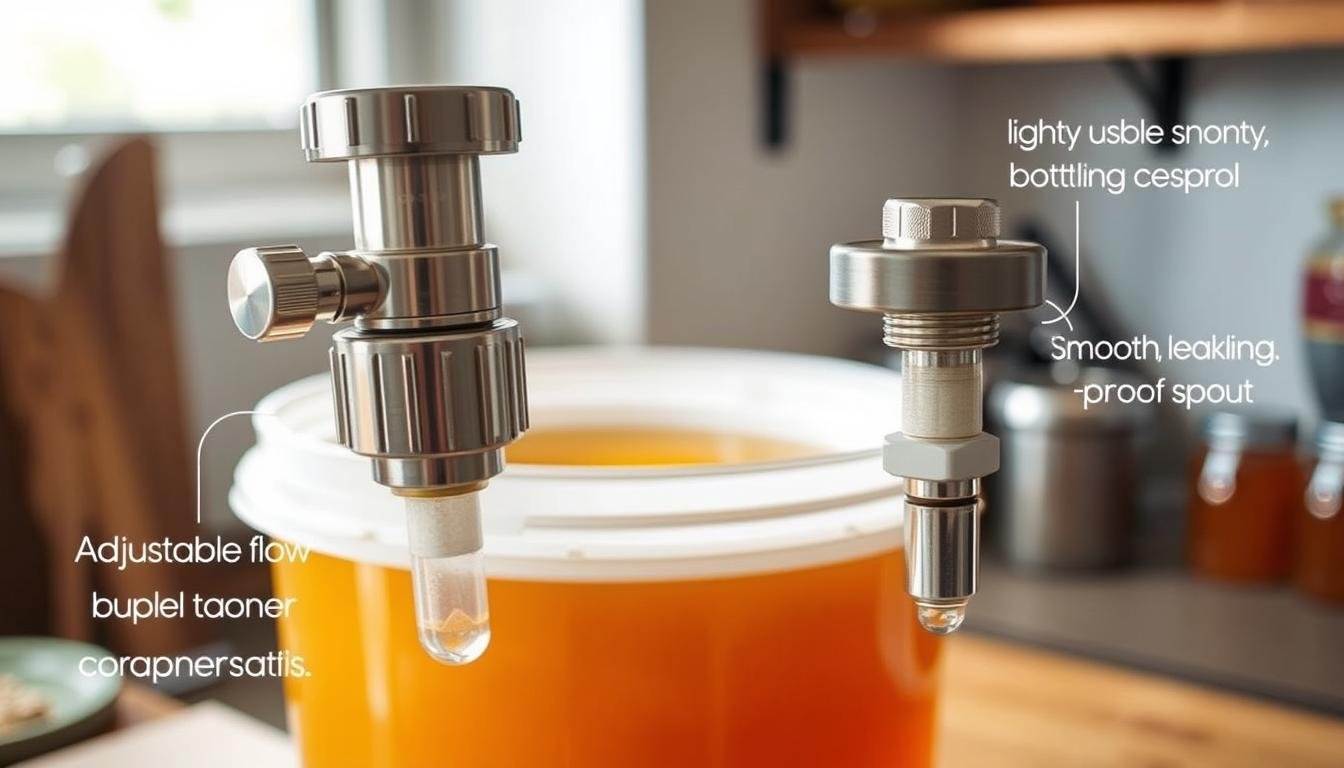
Nylon valves are lightweight and easy to handle. The BeeCastle valve weighs just 1.6 ounces, making it ideal for portable rigs and home use.
Advantages: low cost, corrosion resistance, and quick operation. When installing, use a washer and wing nut to keep the seal tight. Check thread compatibility on your extractor before you buy.
Stainless Steel Durability
Stainless steel parts cost more but last longer under heavy use. Professionals processing large volumes often choose steel for years of reliable service.
Steel resists wear and cleans well after runs. Inspect wing nuts periodically and replace any that show wear to keep seals leak-free.
| Material | Weight | Durability | Cleaning | Best use |
|---|---|---|---|---|
| Food-grade nylon | Light (≈1.6 oz) | Moderate; can wear | Easy; non-corrosive | Home, portable extraction |
| Plastic/nylon blend | Light | Moderate; budget option | Easy; avoid rough scrubbing | Occasional use |
| Stainless steel | Heavier | High; long service life | Excellent; high heat tolerant | Commercial, high-volume |
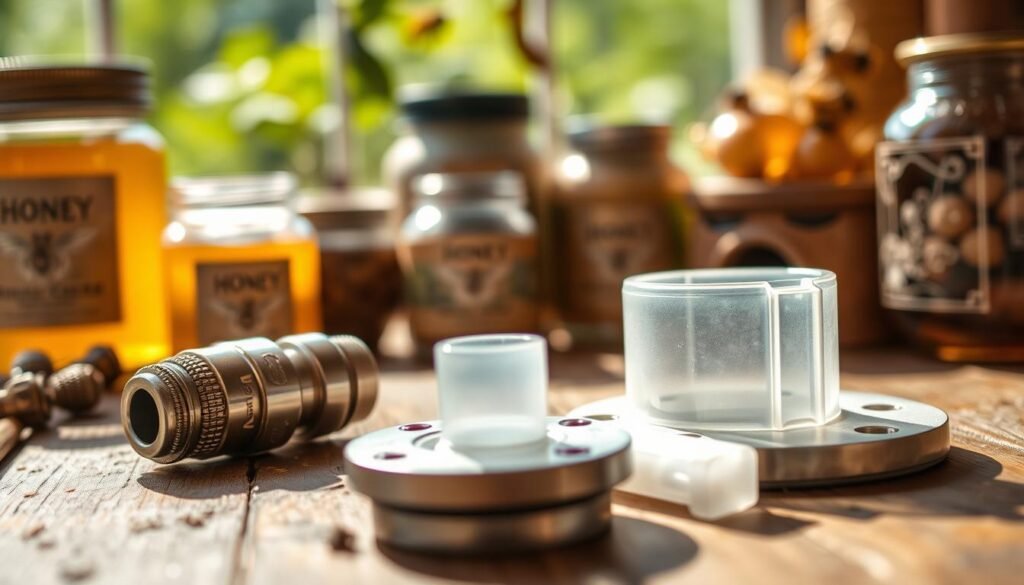
To compare specific models and sizes, see our honey gate guide and review storage and container advice at storage options.
Essential Design Features for Leak-Proof Extraction
A tight seal is the single most important feature that stops drips and protects quality during extraction. Focus on simple parts that make a big difference: the O-ring, the bolt system, and the way the assembly clamps to the bucket wall.
The Importance of O-Ring Seals
High-quality O-rings create the contact that keeps product from running down the side of your bucket. A soft, pliable seal beats a rigid one every time.
- Leak-proof design depends on O-rings that stay flexible and clean.
- The MayBee valve uses a flexible bolt that fits holes up to 43mm, adding useful versatility.
- Whether you choose plastic or stainless steel, check the internal gasket before each run.
- Using a wing nut to tighten the assembly locks the valve in place under extractor pressure.
- Many operators upgrade to silicone seals to improve performance during peak harvest time.
“A quick O-ring check before bottling saves hours of cleanup and preserves flavor.”
For model comparisons and sizing notes, see our honey gate guide and tips to reduce plastic use in apiaries.
Installation Best Practices for a Secure Fit
Start with a short checklist before you cut or fit parts. A planned approach saves time and prevents leaks during transfer.
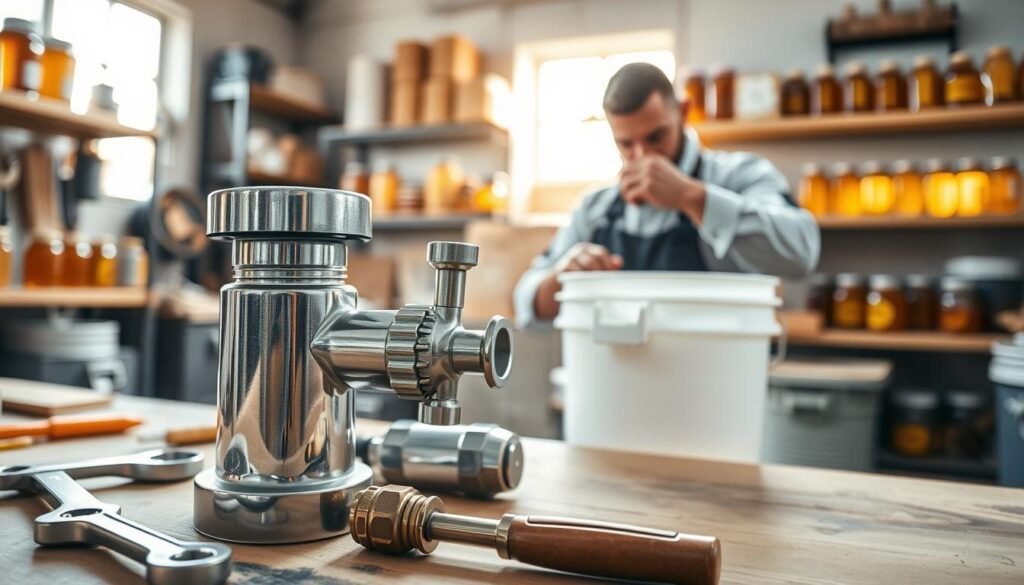
Preparing the Bucket
Mark the center point at the sidewall and use a 1-3/4 inch hole saw for the BeeCastle valve. This size gives a snug fit on a 5-gallon bucket.
Clean the cut edge and remove burrs so the O-ring seats properly.
Proper Alignment Techniques
Insert the valve from inside the bucket and align the O-rings before tightening. Make sure the valve sits flush to avoid drips when you pour honey.
Check the fit with a little water, then dry and test with a small amount of product.
Avoiding Over-Tightening
Tighten the wing nut until the seal holds, then stop. Over-tightening can warp plastic or damage stainless steel parts and ruin the gasket.
- Confirm internal alignment before final torque.
- Maintain wing nuts and gaskets between runs.
- Inspect threads on steel and nylon fittings periodically.
“A quick seal check before filling saves cleanup and keeps product quality intact.”
For sealing tips and community notes, see a forum thread on tap seals and a practical harvesting guide.
Maintenance Tips to Extend the Life of Your Equipment
Routine care keeps your extraction gear working smoothly through every harvest.
Clean the honey gate and valve after each use. Warm water and a soft brush remove sticky residue before it hardens. Dry parts completely to stop corrosion.
Stainless steel (often 304) resists rust and sanitizes well. Valves made of this steel work great for high-volume use and last many years.
Check wing nuts and internal seals regularly. Replace any worn seals or warped nuts to keep a leak-proof fit. A light food-grade lubricant eases stiffness in the valve.
| Task | Frequency | Why it matters |
|---|---|---|
| Full clean | After every run | Prevents build-up and bacterial growth |
| Inspect seals & wing nuts | Monthly or before harvest | Maintains leak-free operation |
| Store parts | Between seasons | Cool, dry storage protects plastic and nylon |
“A quick seal check before filling saves cleanup and keeps product quality intact.”
For step-by-step cleaning notes and storage tips, see our guide to maintain filtering equipment and how to store honey long-term.
Final Thoughts on Selecting Your Honey Gate
A durable valve makes the busiest harvests run cleaner and faster. Choose a design that seals well and fits your setup. A quality honey gate with simple installation saves time during the transfer and limits messy drips. Consider a nylon model if you need a light, easy-to-handle part.
Maintenance and careful fitting matter as much as the part itself. Tighten wing nuts just enough, check O-rings, and clean parts after each use. If you prefer a rugged option, compare a stainless steel valve with rubber seals that locks securely to common buckets. Follow these steps and your extraction gear will work great season after season.
FAQ
What materials should I look for when choosing a gate valve for bottling buckets?
Look for food-grade materials such as nylon or 304/316 stainless steel. Nylon resists corrosion and is lightweight, while stainless steel offers superior durability and is easy to sanitize. Both work well with plastic and steel buckets used in small-scale extraction and home setups.
How do O-ring seals improve leak resistance on a valve?
O-rings create a tight seal between the valve body and the bucket wall, preventing slow drips and sudden leaks. Choose silicone or EPDM O-rings rated for food contact. Replace O-rings regularly to maintain a leak-proof fit during bottling and storage.
Can I install a stainless steel valve into a plastic extractor bucket without tools?
Most valves require basic hand tools such as a wrench or pliers to secure the nut on the inside of the bucket. Wing nuts can simplify hand-tightening, but proper torque is needed to compress the gasket without cracking the plastic. Preparing the hole size according to the valve spec helps the process.
What size hole should I drill in my gallon bucket for a standard valve?
Follow the valve manufacturer’s recommended hole diameter—common sizes range from 7/8″ to 1-1/4″ depending on the valve thread. Use a step drill or hole saw for a clean edge to avoid stress points that can lead to cracks in plastic buckets.
How can I avoid over-tightening the nut when installing a valve?
Tighten until the gasket compresses and the valve holds firm without wobble. Stop once the valve seals and test with a small water fill. Over-tightening can strip threads or crack the bucket, especially on thinner plastic containers.
How often should I replace nylon valves or O-rings?
Inspect valves and seals after each season. Replace O-rings yearly or if you notice wear, hardening, or deformation. Nylon valves can last several seasons but swap them if they show signs of cracking, discoloration, or persistent leaks.
Are stainless steel valves compatible with extractor equipment and bottling setups from common suppliers?
Yes. Reputable beekeeping suppliers such as Mann Lake and Brushy Mountain offer stainless valves that fit standard extractor and bottling buckets. Confirm thread size and hole specs to ensure compatibility with your existing equipment.
What maintenance steps keep valves working well between extraction runs?
Disassemble and soak parts in warm, food-safe detergent after each use. Rinse thoroughly, inspect seals and threads, and dry completely to prevent corrosion. Lightly lubricate O-rings with a food-grade silicone if needed before reassembly.
Can I retrofit an existing plastic bucket with a better valve option like a wing-nut style or a stainless spigot?
Yes. Retrofit kits that include a stainless spigot, gasket, and retaining nut or wing nut are available. Measure the bucket wall thickness and hole size, then choose a kit designed for that thickness to ensure a secure, leak-free fit.
Where can I find community recommendations and user experiences on valve brands and installation tips?
Visit beekeeping forums and community groups such as Beemaster, HoneyBeeForum, or the beekeeping sections on Home forums and Reddit. Threads on equipment, maintenance, and gate options often include hands-on advice, pros and cons of nylon versus stainless, and vendor recommendations.