Cicada Killer Wasp: Big, Loud and Rarely Dangerous
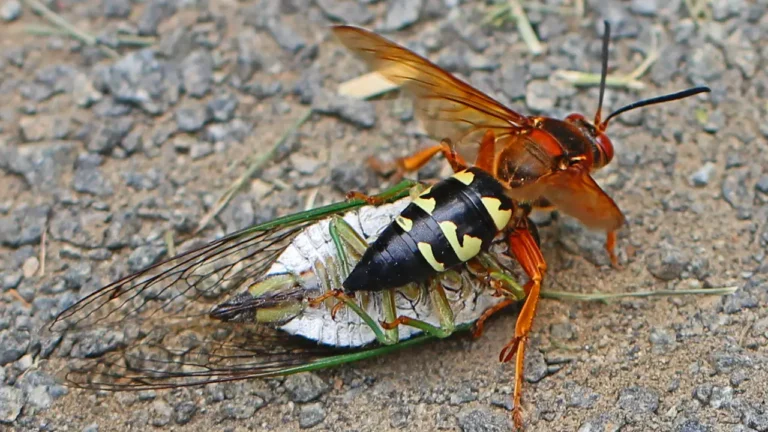
Cicada killer wasps look alarming, but males cannot sting and females rarely do. How to identify them, what their burrows mean and what works if you must act.


Cicada killer wasps look alarming, but males cannot sting and females rarely do. How to identify them, what their burrows mean and what works if you must act.

Tupelo honey is a light amber, buttery honey made mainly from white tupelo nectar in Florida and Georgia. This guide covers its lab-tested sugars, measured glycemic index, prices per pound and how real jars are verified.
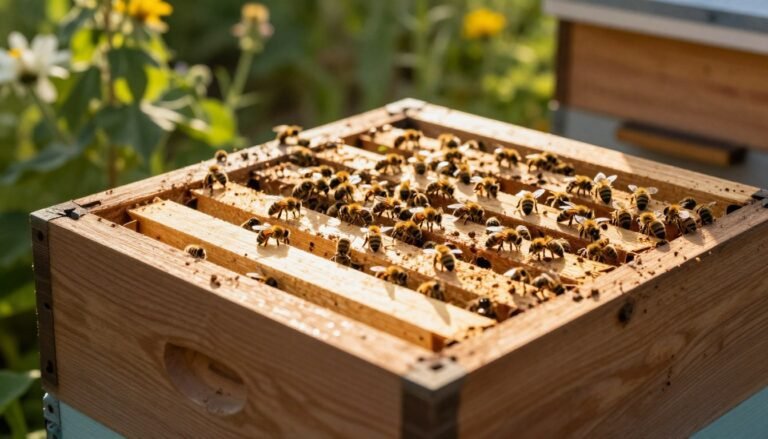
How the top bar hive developed from Greek baskets to the Kenyan and Tanzanian designs of the 1960s and 1970s, and where the sources disagree.
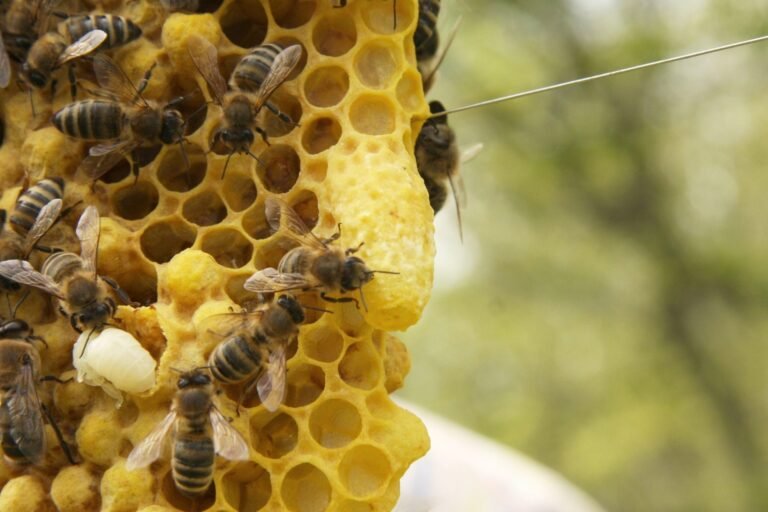
Curious if you can split a first-year nuc? Learn the essential steps and timing requirements to ensure your honey bee colony thrives after a spring division.
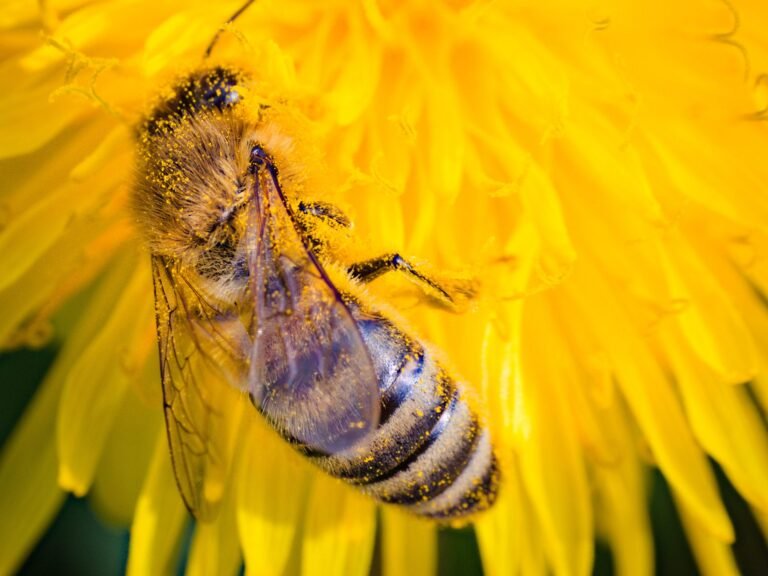
Give a new package or nuc pollen patties only when pollen is short: small pieces on the top bars over the cluster, checked weekly and stopped once pollen flows.
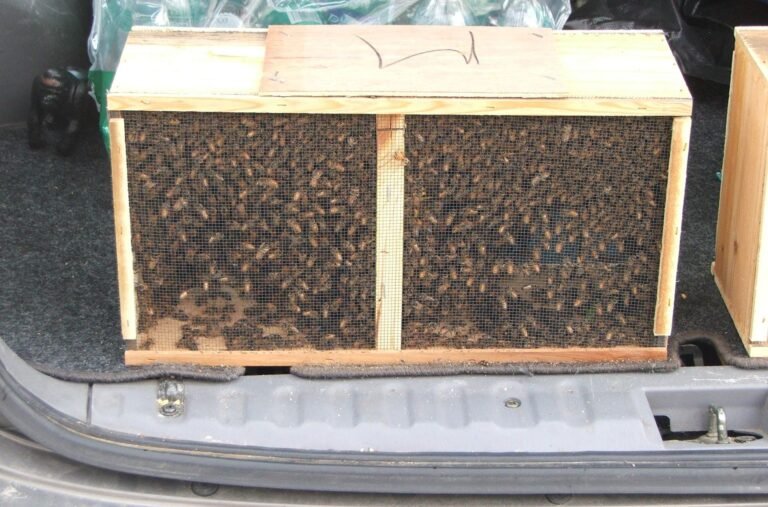
Hiving a package on foundationless frames? Level the hive, add comb guides and ladder frames, feed nonstop and fix crooked comb at the day-7 check. Full plan.
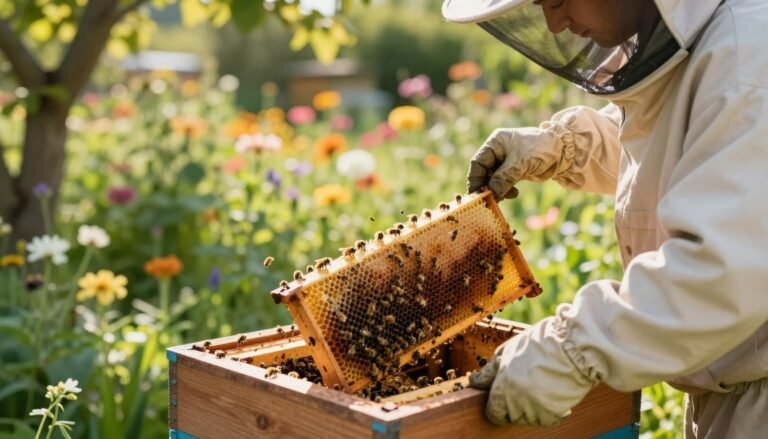
The first inspection after installing a nuc: when to open it, what eggs, brood and queen cells tell you, and the red flags to catch in the first week.
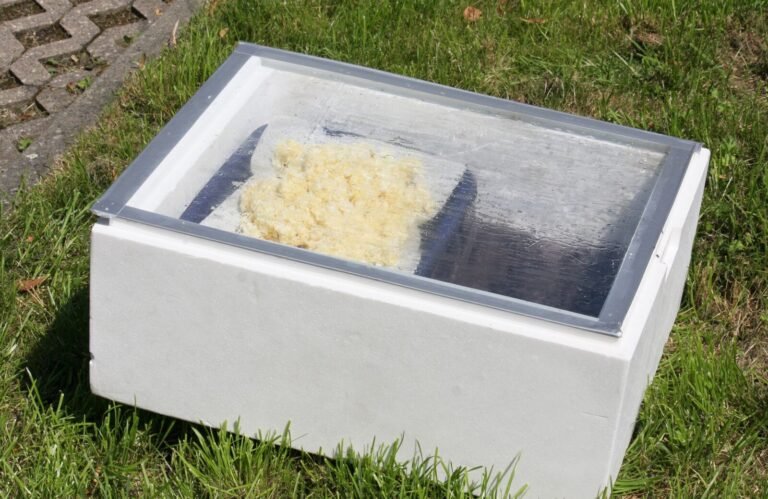
Sort burr comb and propolis scrapings in the bee yard, freeze them against wax moths, then melt in a solar melter or water bath. A simple wax-scrap workflow.
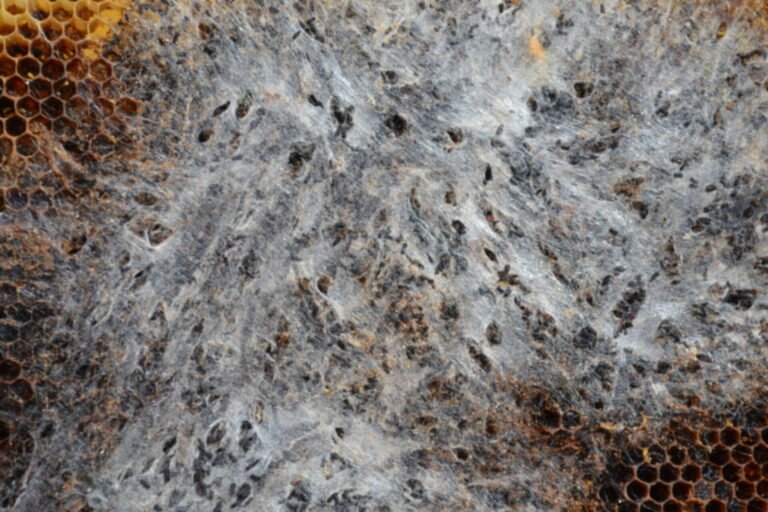
Learn the best practices for storing supers with drawn comb between flows to maintain beehive health and productivity during future nectar flows.