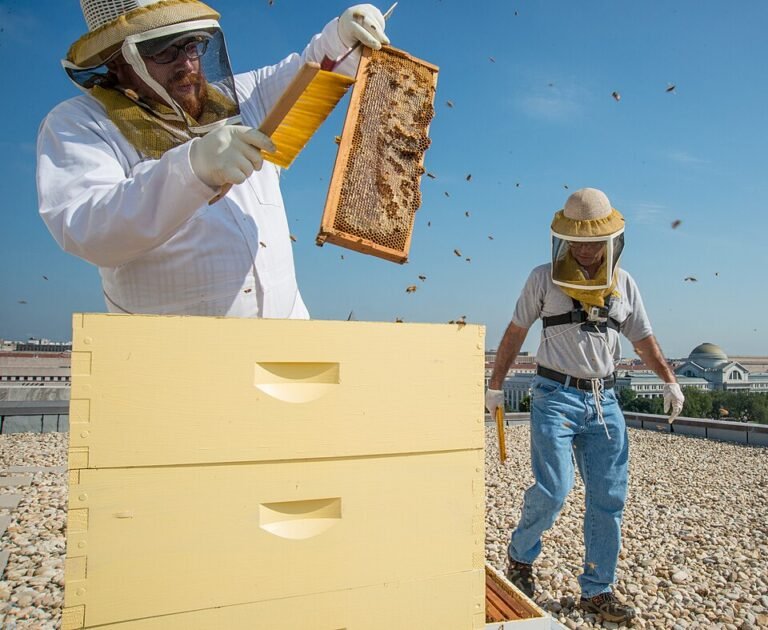
Indoor Overwintering: Why Some Beekeepers Move Colonies Into Buildings for Winter
Some commercial beekeepers move thousands of hives indoors each winter rather than leaving them outside — here's why, and where the practice began.

Some commercial beekeepers move thousands of hives indoors each winter rather than leaving them outside — here's why, and where the practice began.
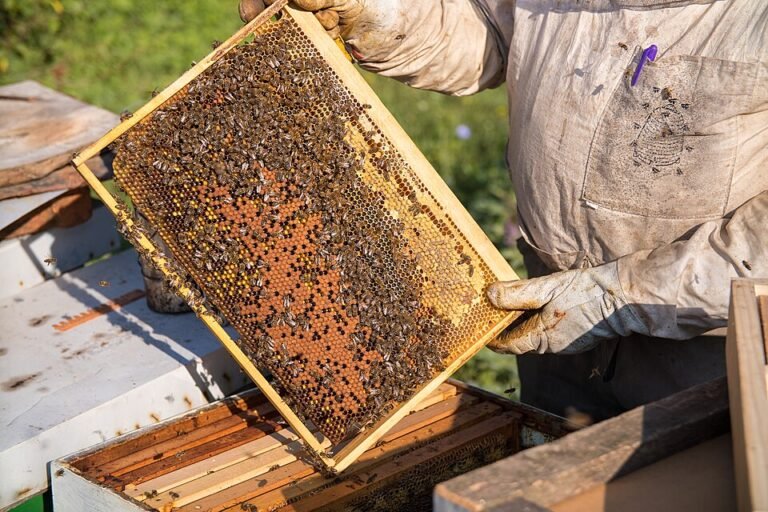
Selling honey from home is legal everywhere, but the rules depend on how your state classifies it — here's what actually governs it, state by state.
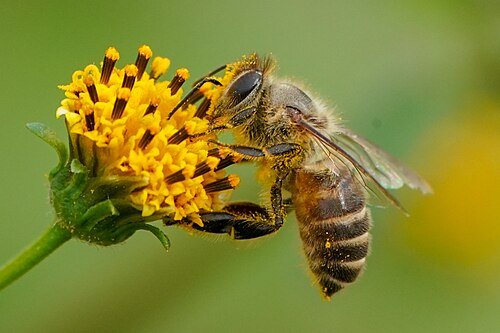
The separate, 3,000-year-old story of how China domesticated its native Apis cerana honeybee — centuries before the West's own beekeeping tradition.
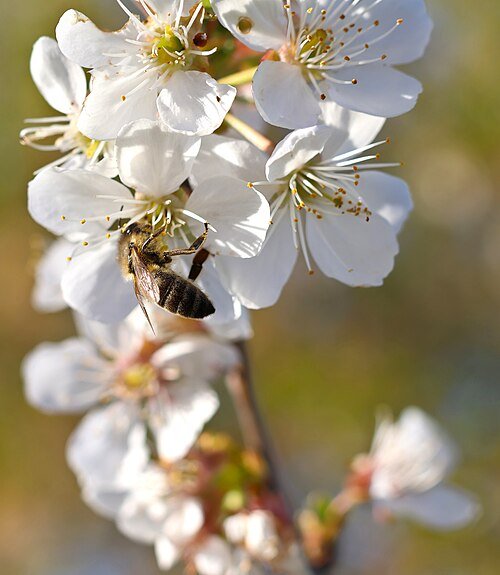
How ByBi's Pollinator Passage linked gardens, rooftops, and schoolyards across Oslo into one continuous bee corridor — and what makes the model work.
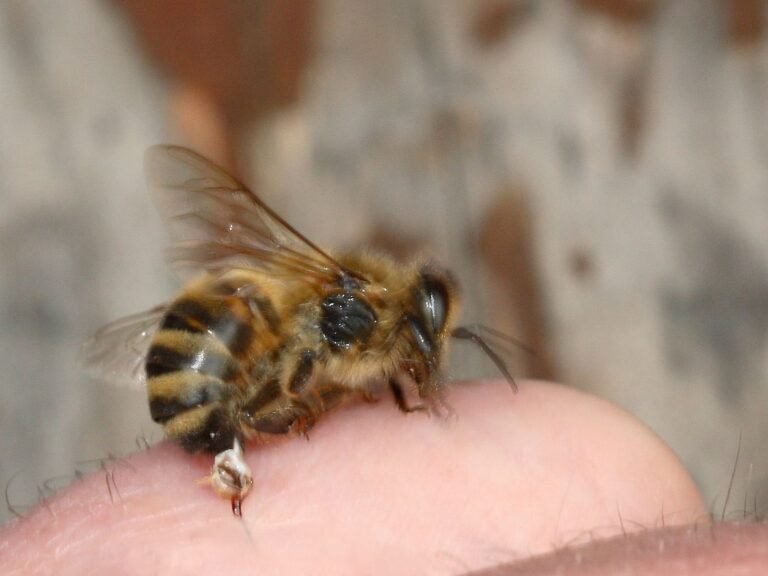
A honeybee sting rates a 2 out of 4 on entomologist Justin Schmidt's famous insect sting pain scale. Here's how the full ranking breaks down.
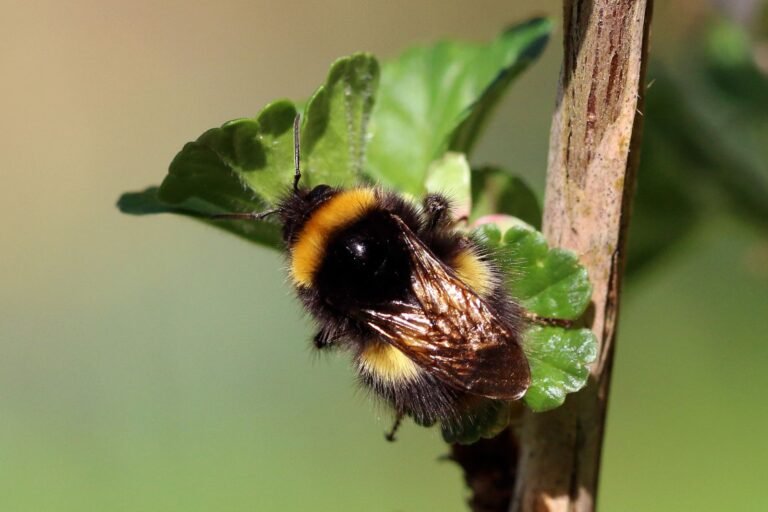
The bumblebee greenhouse growers rely on worldwide has also become an invasive species blamed for pushing a native bumblebee toward extinction.

Violin enthusiasts have repeated the propolis-varnish claim for decades. Here's what real chemical analysis of Stradivari's own violins found.
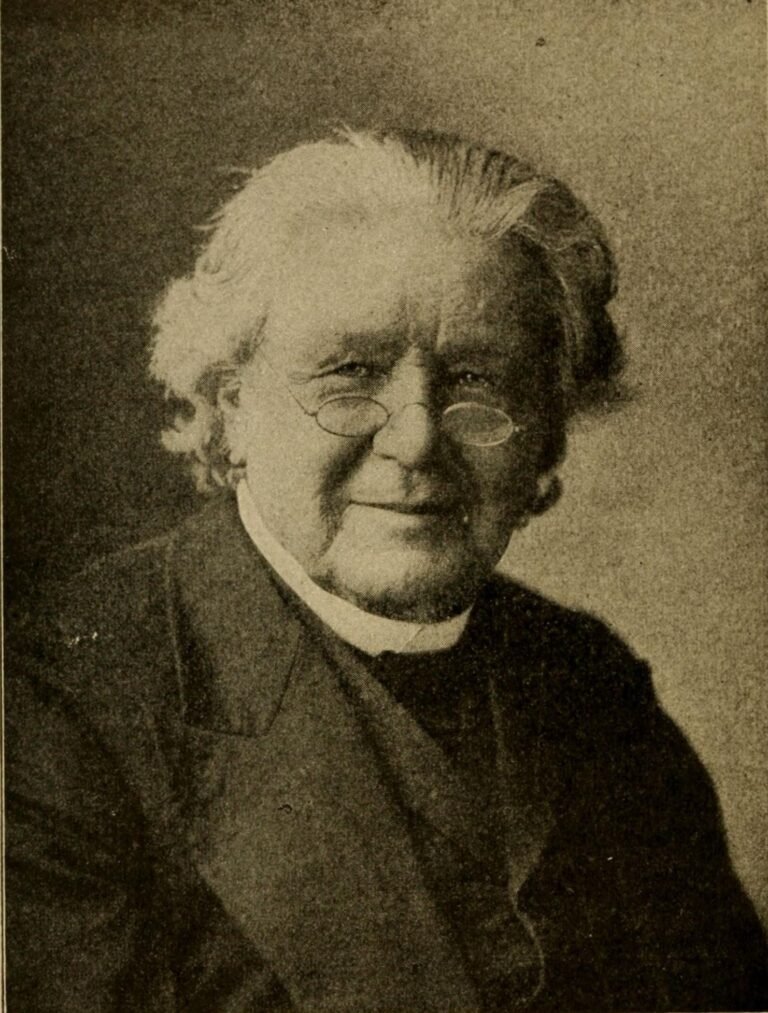
The minister behind the modern beehive spent his life fighting severe depression, and found more relief in his bees than in his own profession.

The Fairmont Royal York put the first known beehives on a hotel rooftop in 2008, and hotel rooftop beekeeping has been growing ever since.

The Greek god credited with founding beekeeping has a myth that's really about losing every bee he owned overnight — and how he got them back.
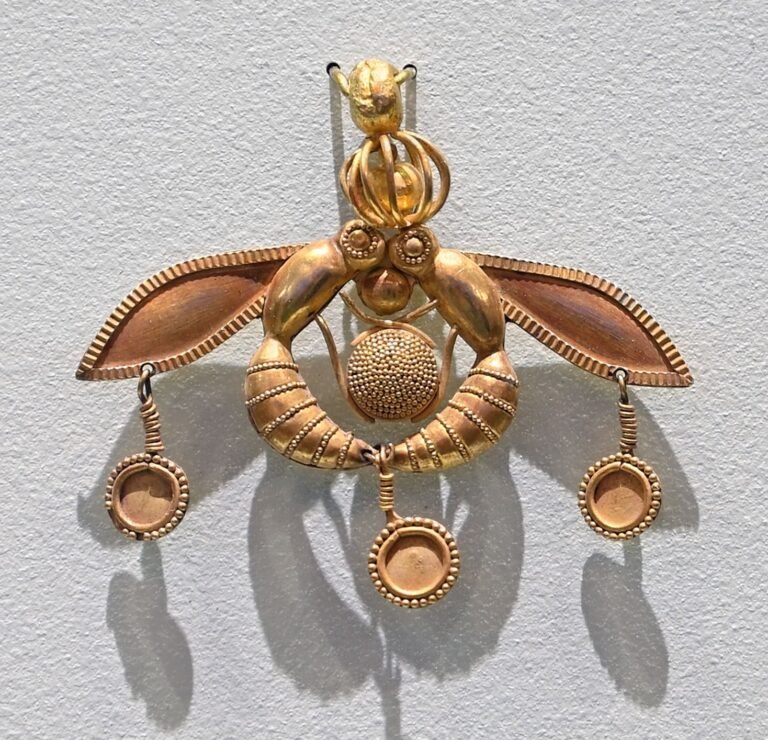
A gold Minoan pendant found at Chrysolakkos, Malia, in 1930 and now in the Heraklion Archaeological Museum. Scholars still argue over whether its two insects are bees or wasps.
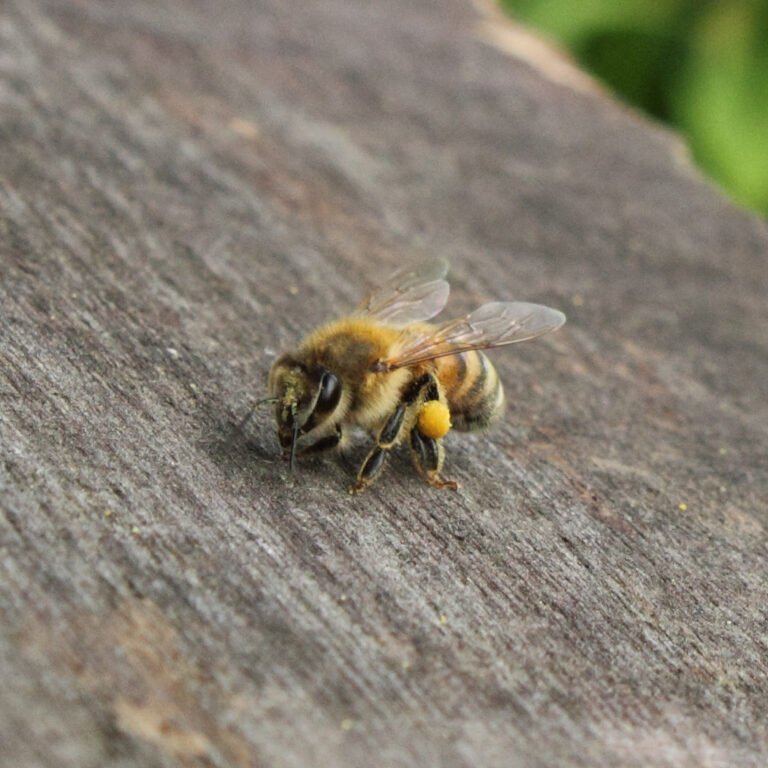
A small handful of islands have never recorded the Varroa mite — and in 2025, one of the oldest bee sanctuaries in the world came under real threat.
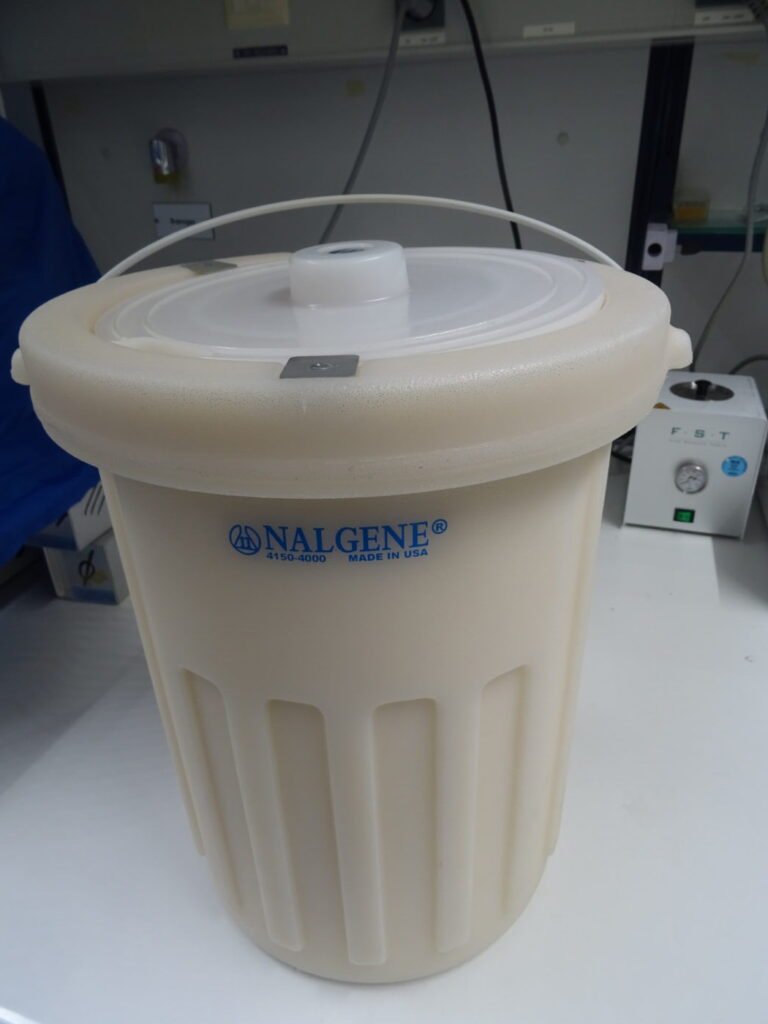
The USDA has stored frozen honeybee semen from subspecies around the world since 2016, preserving genetic diversity breeding programs need for traits like Varroa resistance.
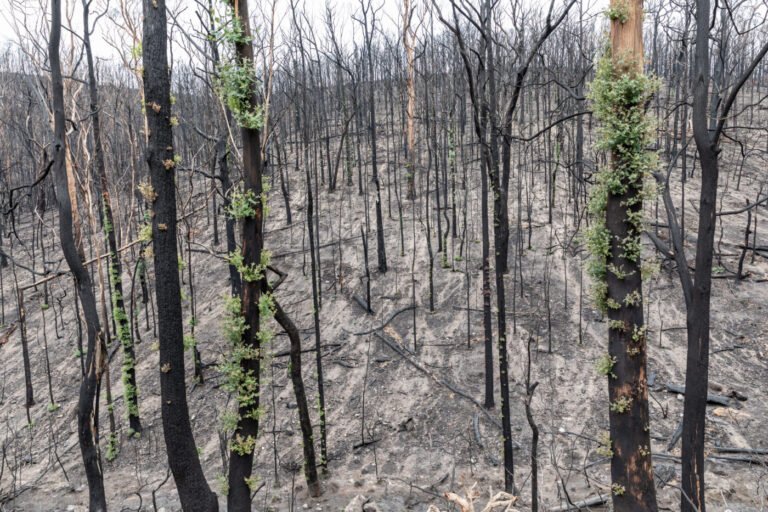
The 2019-2020 Black Summer bushfires destroyed thousands of hives in New South Wales, but the bigger disaster was the eucalypt forage that takes decades to recover.
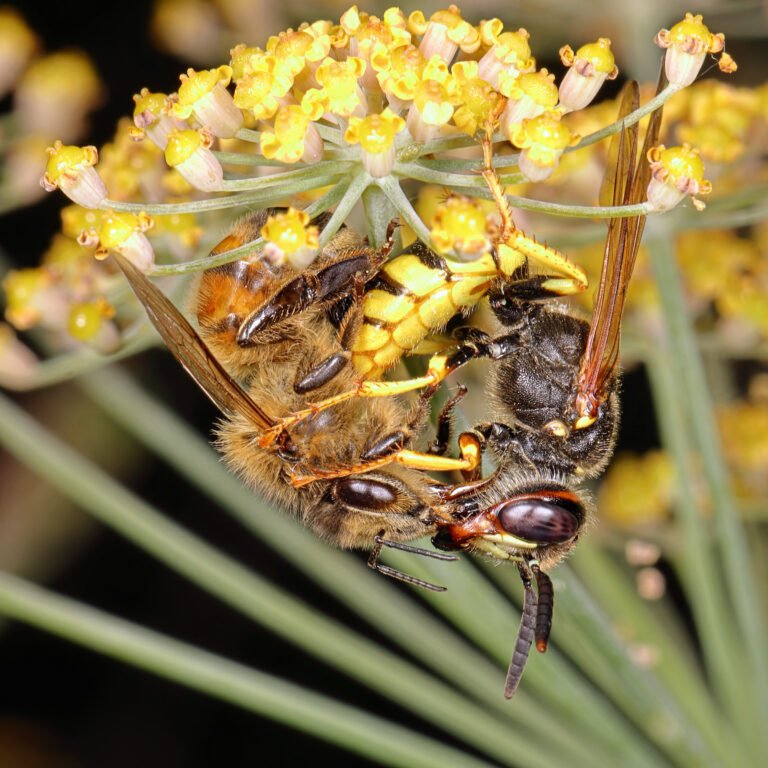
Female European beewolf wasps hunt honeybees to provision their nests, then protect their brood with bacteria they cultivate themselves.
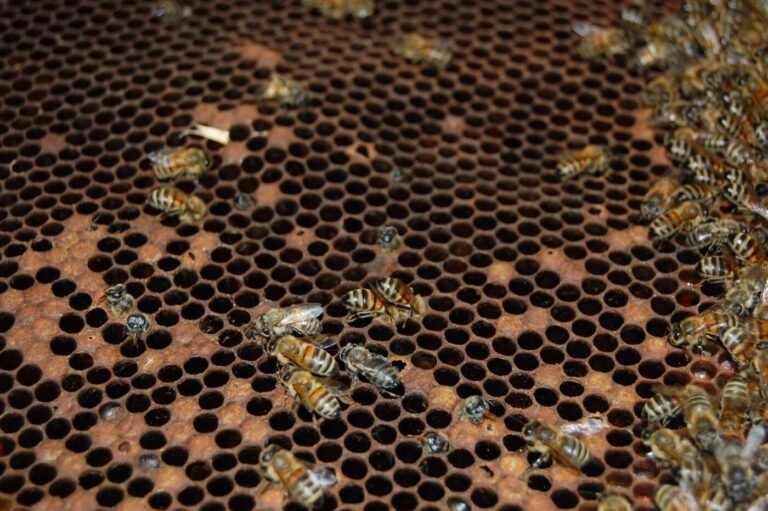
In January 2023 the USDA conditionally licensed the first-ever vaccine for any insect, aimed at American foulbrood. Here's how it actually works and where it stands now.
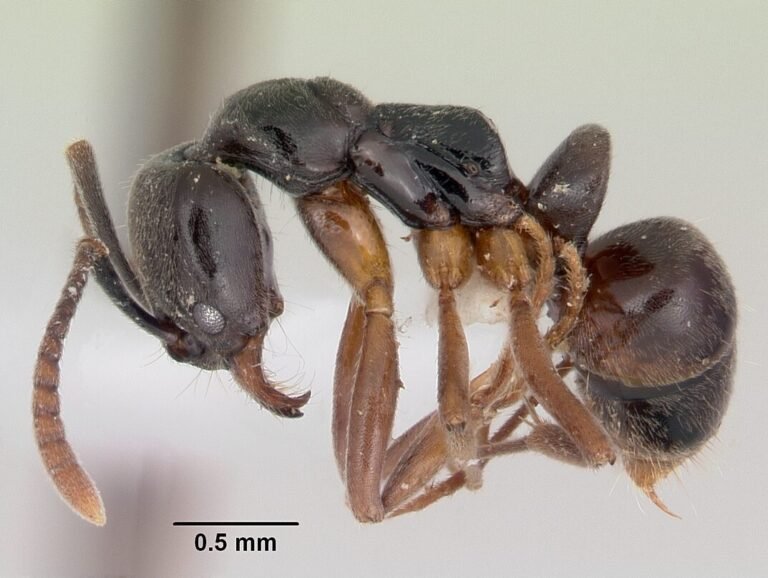
The Asian needle ant isn't a hive predator, but it's spreading through apiary landscapes in the southeastern U.S. and carries a real, if rare, anaphylaxis risk.
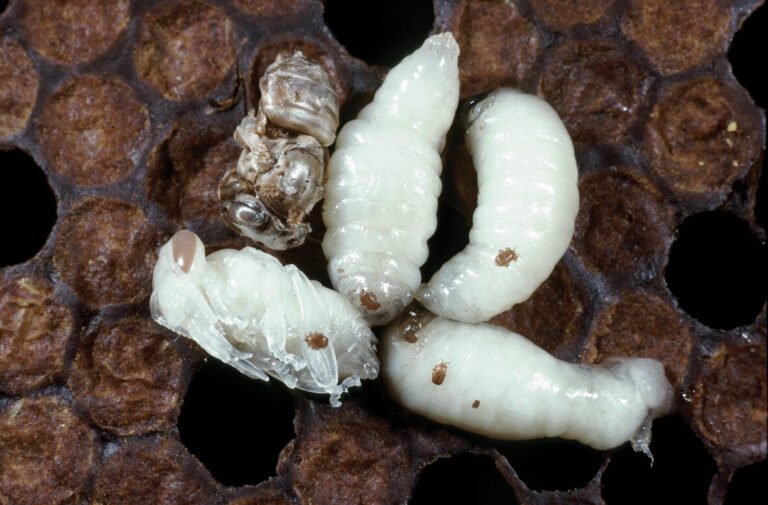
Tropilaelaps mites are spreading westward from Asia and researchers increasingly call them a bigger long-term threat than Varroa. Here's what's actually known so far.
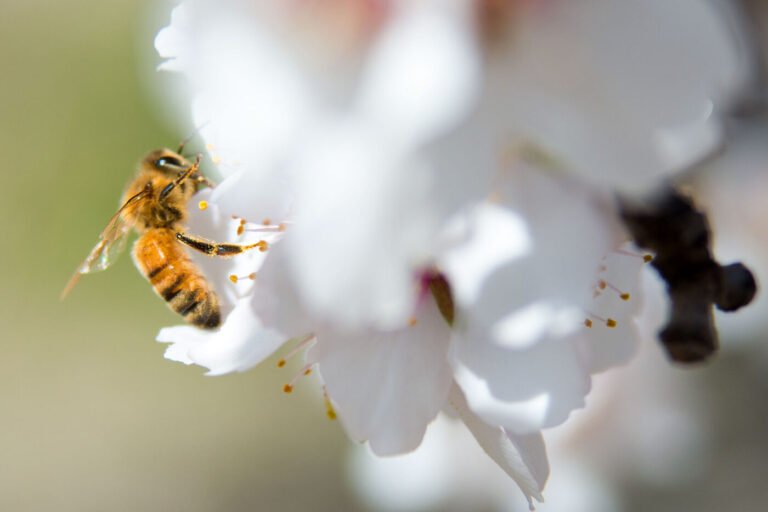
Not every product marketed as natural or organic is actually safe for foraging bees. Here's how to read a real pesticide label and pick lower-risk products correctly.
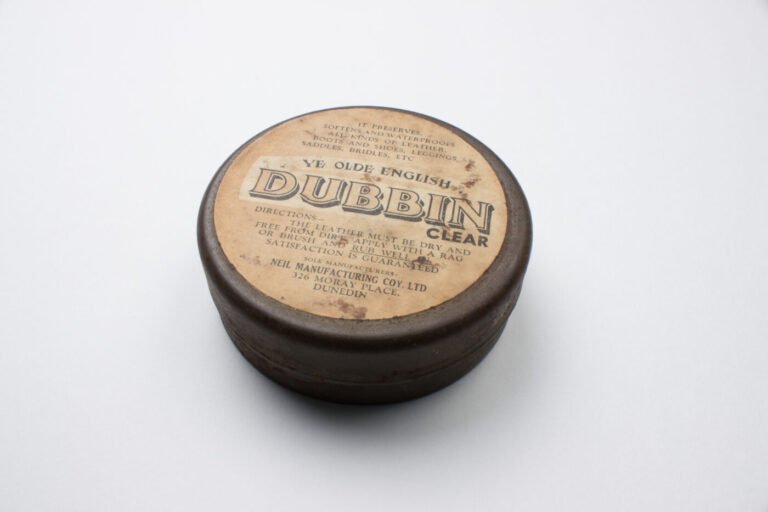
Beeswax-based leather waxes seal and waterproof; oil-based conditioners soften. Here's how Otter Wax, Sno-Seal, Obenauf's, and Bickmore actually compare.
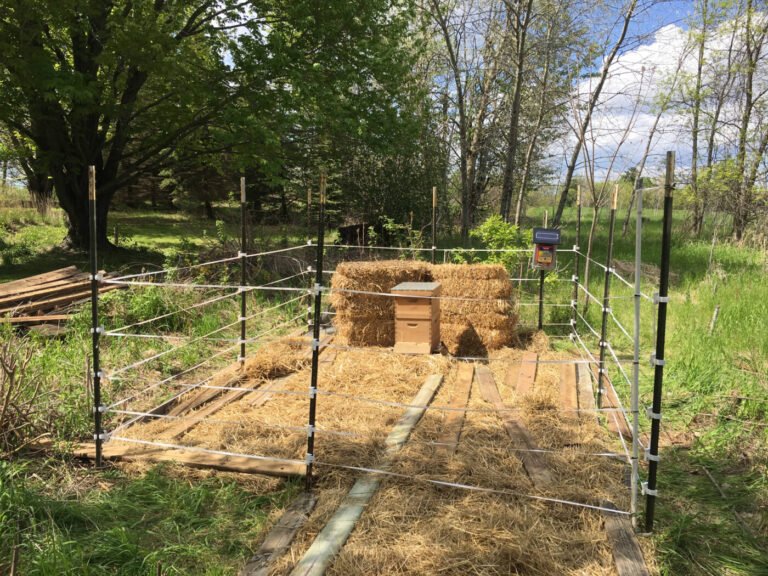
Hidden GPS trackers, motion-activated alarms, and RFID tags are how beekeepers are actually fighting a real rise in hive theft. Here's how the real products compare.
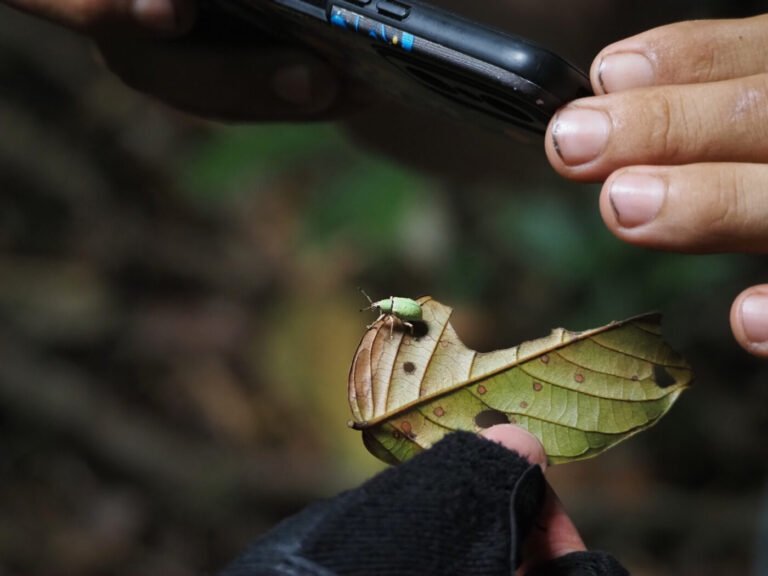
Seek, iNaturalist, BeeMachine, and Picture Insect all promise to identify a bee from a photo, but they work in genuinely different ways. Here's how the four actually compare.
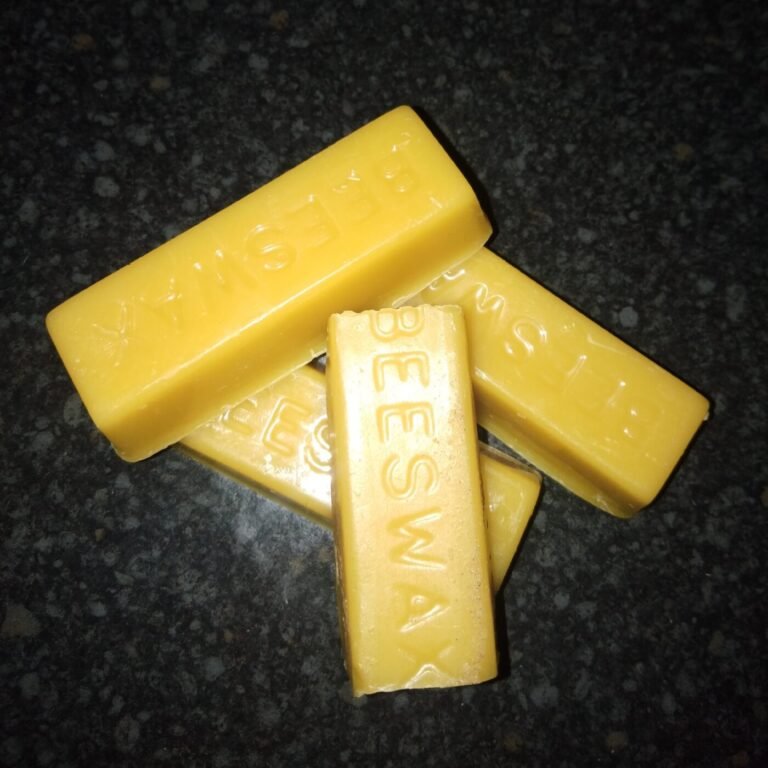
Mustache wax and beard balm both start with beeswax, but hold level and ingredient ratio vary a lot by brand. Here's how to read a label and pick the right one for your facial hair.
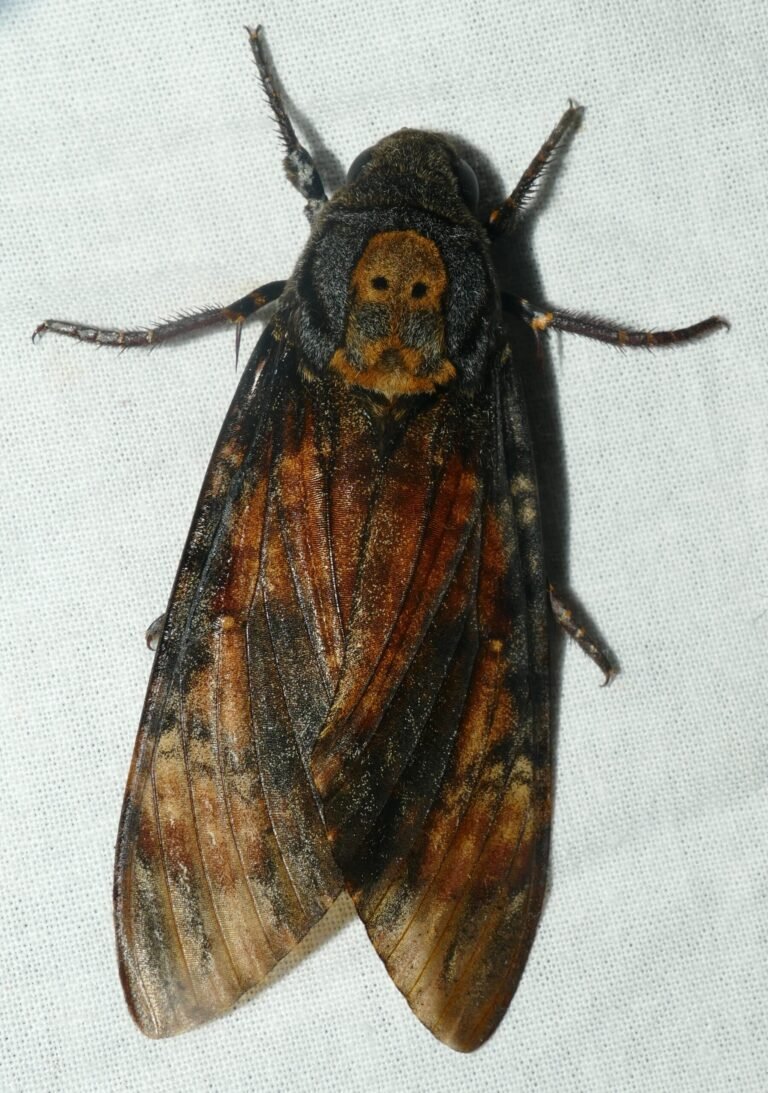
A skull-marked moth raids beehives at night by chemically disguising itself as a honeybee — and usually gets away with it.
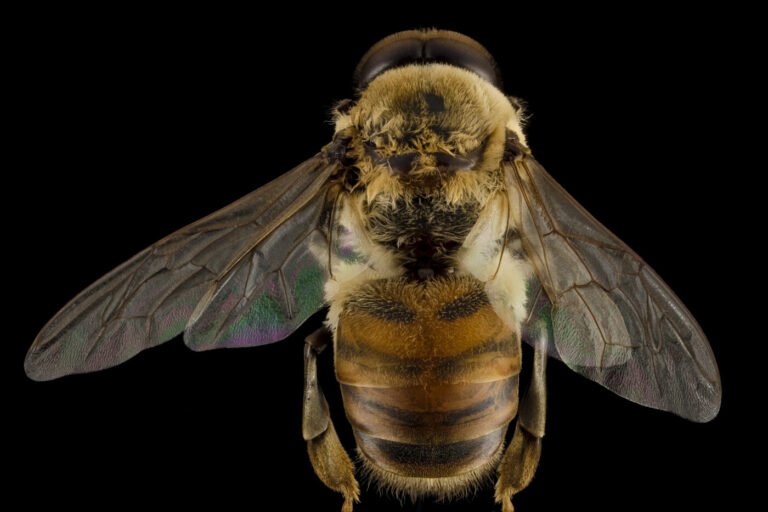
Drone brood removed for Varroa control is usually destroyed — but researchers are studying whether the same material could become a legitimate human food source, and the EU is reviewing it for novel food status.