Professional beekeepers often face fungal threats that can weaken colonies during spring brood expansion. This short guide helps a dedicated beekeeper spot early signs and adopt practical steps to keep colonies strong.
Good site choice, ventilation, and nutrition make a big difference. Simple actions — removing brood mummies, rotating old comb, and keeping equipment clean — cut risk and limit spore spread.
Learn how weather swings and colony stress affect brood health. Use clear inspection notes and consider stock with hygienic behavior to boost long-term resilience.
For practical feeding and seasonal guidance, see this note on local forage and feeding timing at colony nutrition and dearth timing. For prevention steps and ventilation tips, consult this prevention overview at prevention and management.
Key Takeaways
- Inspect regularly and act at the first sign of abnormal brood.
- Prioritize ventilation, sunny placement, and stable brood temperature.
- Maintain strong nutrition: spring syrup and pollen support nurse bees.
- Remove visible mummies and rotate old comb to reduce spore reservoirs.
- Choose hygienic stock and requeen when necessary to improve colony cleaning.
- Keep tools and equipment separate and sanitized between apiaries.
Understanding Chalkbrood in Your Apiary
A fungal infection can take hold when brood rearing ramps up and hive conditions turn cool and damp. During spring, colonies increase larval production, and that growth can expose weak nests to disease when moisture builds.
The disease is caused by ingestion of Ascosphaera apis spores. These spores infect larvae and produce the familiar mummy-like remains that signal a problem.
Note the resilience of the pathogen: research shows Ascosphaera apis spores remain viable at 27°C for up to four years. That longevity means spores can persist in comb and equipment long after visible signs fade.
- The fungus thrives in moist, poorly ventilated hive areas and in weakened colonies.
- Spring weather swings and colony stress raise the risk of infection.
- Understanding the biology of the disease is the first step in preventing spread among your bees and hives.
For a practical overview on managing this issue in small apiaries, see chalkbrood disease in honey bees.
Identifying Symptoms and Diagnostic Signs
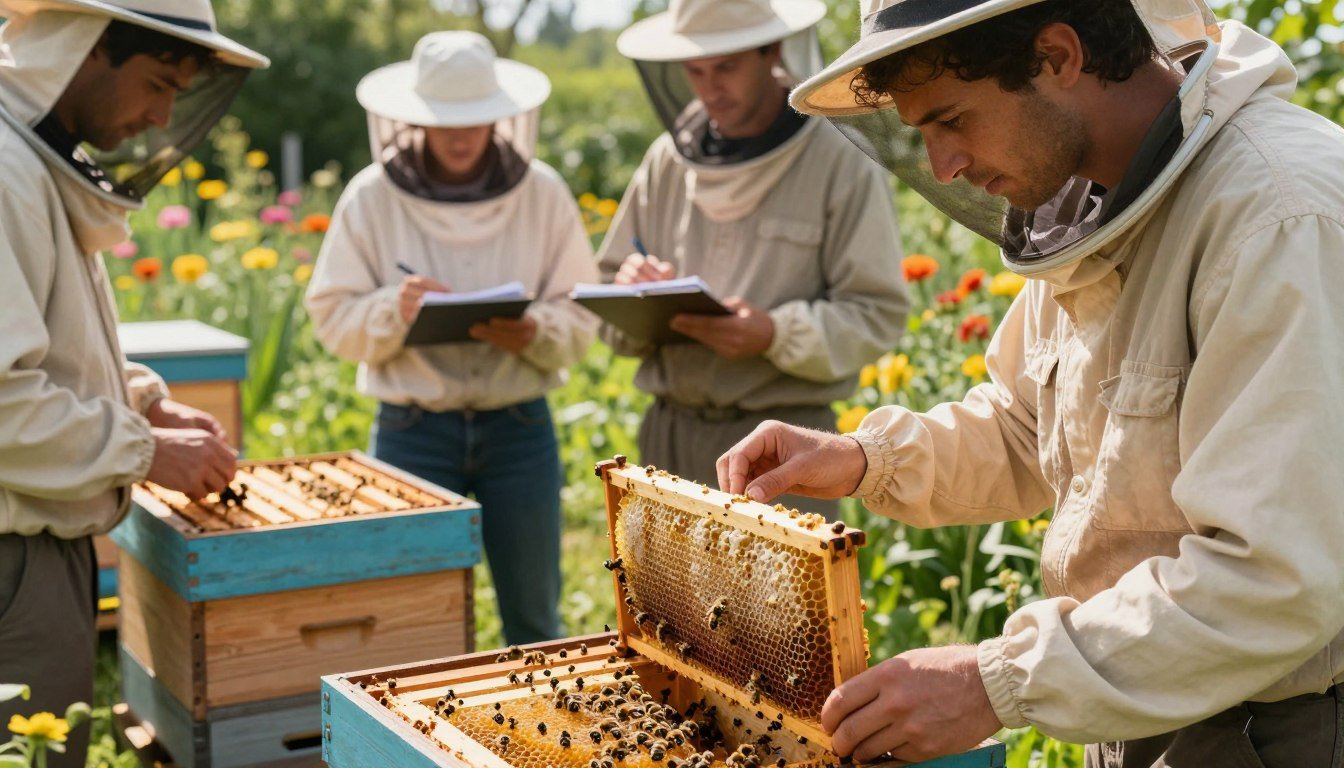
A careful frame-by-frame inspection reveals signs that separate fungal infection from other brood diseases.
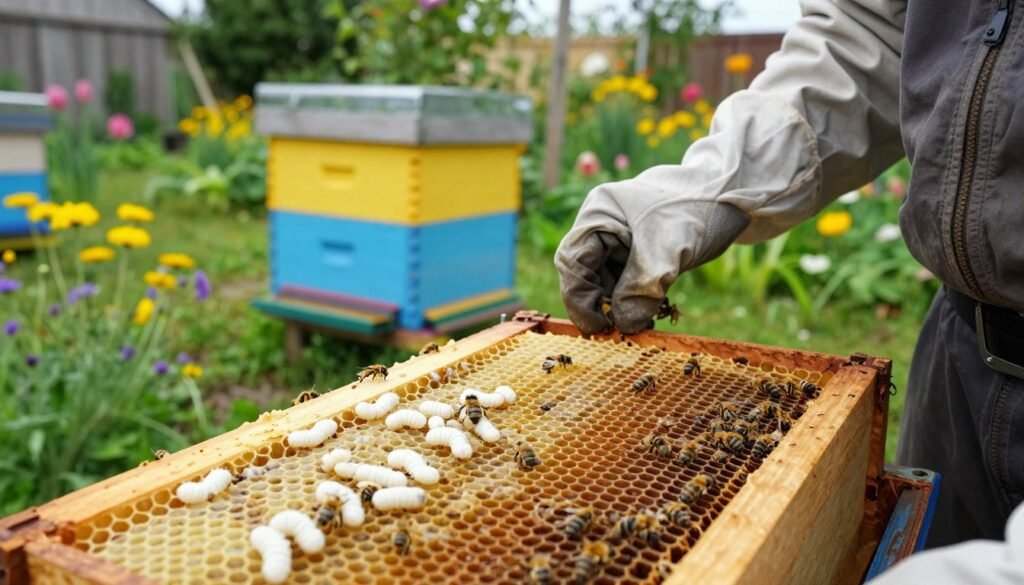
Visual Indicators of Infection
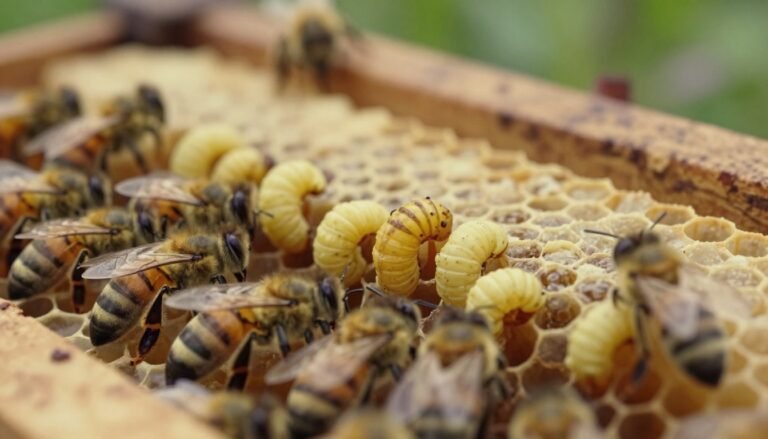
Infected larvae often show a change in color at the rear, first whitening then darkening as the fungus develops.
Those larvae harden into chalky mummies. You may find mummies on frames, the bottom board, or piled at the entrance as bees clean out cells.
“A seasoned beekeeper can hear a rattling when frames are shaken — a telltale sign of many mummified larvae.”
Distinguishing This Disease from Other Brood Diseases
Unlike bacterial brood problems, fungal mummies are dry and brittle. They do not produce the foul smell typical of some infections.
Infections spread when nurse bees feed contaminated pollen or food to larvae, letting spores germinate inside the gut of developing brood.
- Inspect frames and cells carefully; presence of mummies means the issue has existed for some time.
- Listen for rattling frames and check hive exits for mummies.
- Sanitize equipment and consider requeening if hygienic behavior is low — see this guide on managing spores: management and spores.
| Sign | How it appears | How to check |
|---|---|---|
| Mummified larvae | Hard, chalky pieces; white to dark gray | Inspect frames and bottom board |
| Rattling frames | Dry noise when shaken | Lift and gently shake older frames |
| Entrance debris | Mummies or bits near the hive mouth | Scan hive entrance and landing area |
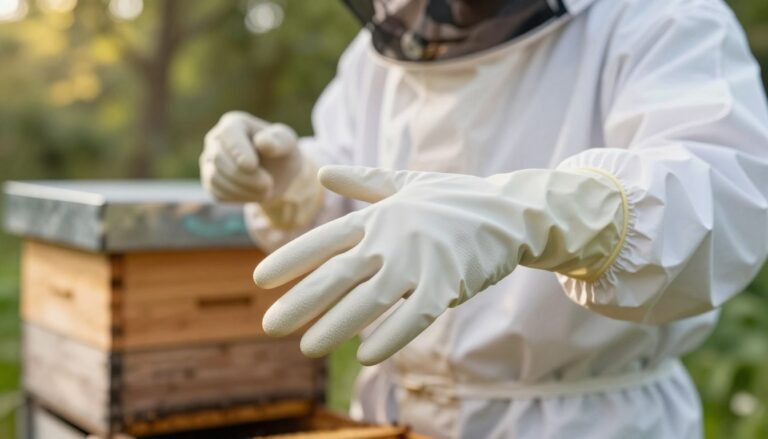
Keep tools clean. Sterilize frames and equipment between apiaries; a simple flame sterilization method is described here: sterilize hive tools.
Effective Chalkbrood Treatment for Backyard Hives
Act quickly and with a clear plan when you spot signs of fungal infection in brood. Inspect only when temperatures exceed 62°F (17°C) so you do not chill developing larvae. Timely action keeps spores from building up in comb and equipment.
Requeening for Hygienic Behavior
Replace the queen with stock known for hygienic cleaning. A good queen raises workers that remove mummies and uncapped cells more quickly.
Managing Hive Population Density
Maintain a strong worker population to reduce stress on nurses. Reduce the hive entrance to about 15 sq.cms to help bees control humidity and temperature.
Removing Infected Frames
If more than 10% of the brood on a frame is affected, remove that frame to lower the spore load. Store or dispose of contaminated comb away from healthy colonies.
- Inspect frames when it’s warm enough (above 62°F).
- Requeen if hygienic behavior is low.
- Remove heavily affected frames and tighten the entrance.
“Strong colonies and timely frame removal are often the most effective defenses against this disease.”
| Action | Threshold | Benefit |
|---|---|---|
| Frame removal | >10% affected brood | Reduces spores |
| Entrance reduction | ~15 sq.cms | Improves microclimate |
| Inspection timing | >62°F (17°C) | Prevents brood chilling |
For additional reading on disease notes and cleaning equipment, see this practical disease note and guidance on cleaning plastic foundation at cleaning foundation.
Environmental Management and Hive Health
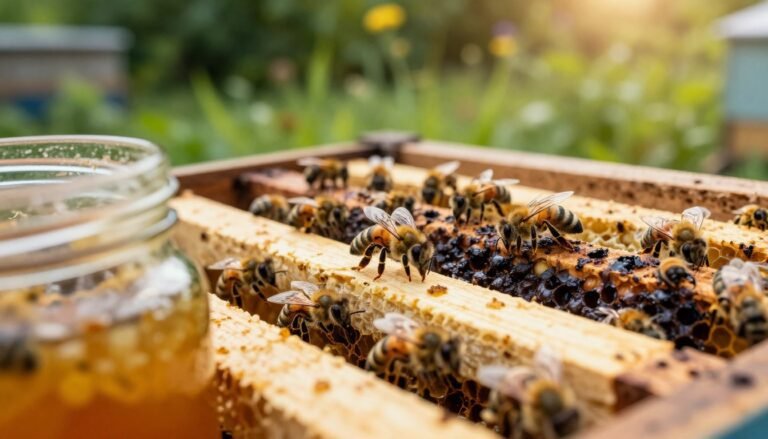
Good siting reduces humidity and gives bees a head start in keeping brood warm and dry. Place your apiary on well-drained ground with morning sun and afternoon airflow. Dry, bright locations cut the damp conditions that help spores survive.
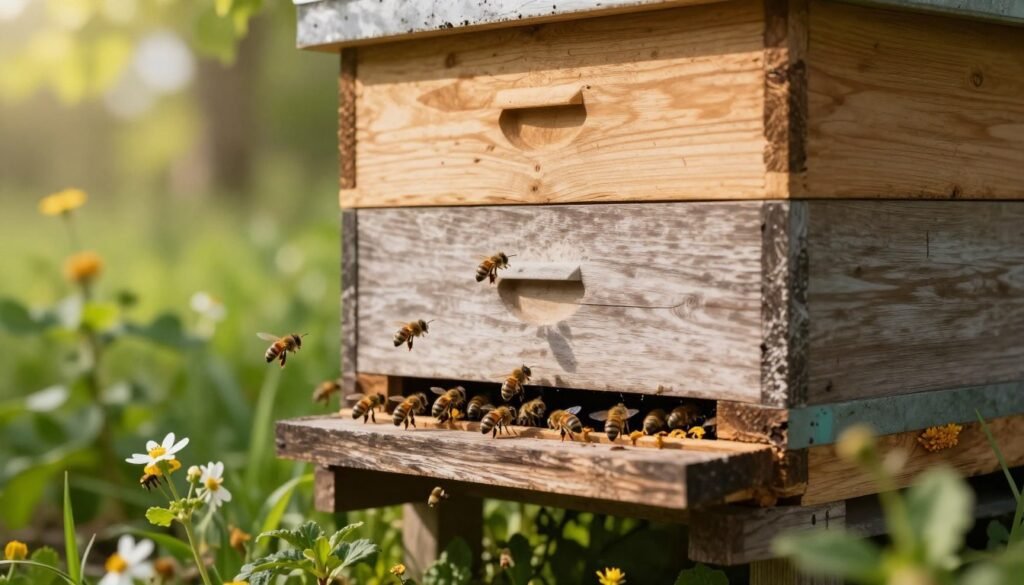
Optimizing Ventilation and Sun Exposure
Ventilation matters. On a warm afternoon, prop the lid slightly to let moist air escape. That small change lowers humidity and reduces fungal growth in cells and frames.
Keep food stores strong so the colony can heat brood properly. A robust population stabilizes nest temperature and helps nurses guard larvae against infection.
Sanitize equipment with a 100ml bleach to 2000ml water mix after removing contaminated comb. For deep decontamination, heating material to 93°C kills spores and protects future colonies.
Learn more about common pests and maintenance at hive pests and diseases, and review siting basics in this beehive installation guide.
Conclusion
Strong colonies, good ventilation, and timely checks are the pillars of lasting apiary health.
Regular inspections let beekeepers spot symptoms in brood and larvae early, so a small issue does not become a wide infection. Keep the colony well fed and use hygienic queen stock to boost worker cleaning and lower spore pressure.
Sanitize frames and equipment, maintain a dry entrance, and keep the nest warm and ventilated. These simple routines cut disease risk and protect honey production across seasons.
Learn more about protecting your setup and integrated strategies at protecting your beehive.
FAQ
What is the best way to spot early signs of ascosphaera apis in my colony?
Look for odd-shaped, brittle larval mummies that may appear white, gray, or chalky. Check capped brood cells for sunken or perforated cappings and inspect frames for scattered or clustered dead brood. Observe worker behavior—excessive cleaning or removal of brood can indicate infection. Combine visual checks with a brood comb lift to confirm; if multiple cells contain hard, powdered larvae, you likely have the fungus present.
How can requeening help reduce infection in weak colonies?
Introducing a queen from stock bred for hygienic behavior encourages workers to detect and remove infected brood more quickly. A vigorous, young queen boosts laying patterns and colony cohesion, which reduces brood stress and spore buildup. Choose queens from reputable suppliers like Betterbee or Mann Lake when possible and monitor acceptance and brood pattern over several weeks.
When should I remove and replace infected frames to limit spore spread?
Remove heavily infested frames as soon as you confirm persistent mummified larvae. Scrape out comb debris and either replace with clean foundation or freeze frames at -4°F (-20°C) for 48 hours to kill spores. Burn only when local regulations allow; otherwise sanitize equipment with hot water and a 10% bleach solution or an approved hive sterilizer. Rotate brood frames over seasons to reduce long-term contamination.
What environmental changes reduce fungal risks in spring and wet seasons?
Improve ventilation by adding screened bottom boards or upper entrances and position hives with morning sun to dry dew quickly. Avoid placing colonies in low, damp shade and provide a slight forward tilt to allow moisture runoff. Reduce excess insulation in warm, humid months and maintain adequate forage and water nearby to lower stress on workers.
How does colony population density affect disease progression?
Overcrowded brood patterns make it harder for workers to perform hygienic tasks, increasing spore contact and larval stress. Split strong colonies in spring to balance population, add supers before congestion occurs, and requeen weak units. Proper spacing and regular inspections keep brood frames accessible for cleaning and reduce infection pressure.
Can feeding or nutrition changes help colonies fight fungal infections?
Yes. Provide diverse pollen sources and supplemental protein patties or pollen substitute during dearths to strengthen larval immune response. Avoid heavy sugar syrup feeding late in the season when it can promote damp conditions inside the hive. Ensure clean water is available to support brood rearing and nurse bee health.
Are there chemical or biological controls approved for this disease in domestic apiaries?
No specific fungicides are registered for in-hive use against this brood pathogen in many regions. Management centers on cultural controls: requeening, sanitation, hive placement, and population management. Some beekeepers trial probiotics or essential-oil supplements, but results vary and you should follow local extension recommendations before using any product.
How long do spores remain infectious in equipment and soil around the apiary?
Spores are hardy and can persist months to years in comb, equipment, and shaded soil. Sunlight and dry conditions reduce viability, so rotate out old comb, expose salvaged frames to sunlight, and avoid reusing contaminated foundation without sterilization. Maintain strict equipment hygiene between colonies and apiaries to prevent cross-contamination.
What distinguishes this disease from American foulbrood or European foulbrood when inspecting brood?
Infected larvae tend to become dry, chalky mummies that crumble when touched, unlike the sticky, ropey remains of American foulbrood or the sour odor and flaccid larvae of European foulbrood. Cappings in this fungal infection are often sunken or easily breached. If unsure, send samples to a state apiary inspector or diagnostic lab for confirmation.
When is requeening or splitting not enough and a colony should be replaced?
Replace a colony when repeated requeening and splits fail to improve brood pattern, when hygienic behavior remains poor, or when spore loads persist across multiple seasons. Also consider replacement if the queen is failing, the worker population collapses, or secondary infections and pests appear. Prioritize using clean equipment and disease-free stock when re-establishing a unit.