Published March 31, 2026
Protecting native pollinators starts with a clear, practical approach to your land. The Xerces Society notes that over 85% of the world’s flowering plants rely on pollinators for reproduction. This guide explains how a pollinator management plan (PMP) works as a dynamic roadmap to keep soil, water, and plants healthy.
Small, steady actions can make a big difference. Planting native flowers and reducing pesticides and insecticides help bees and butterflies through spring, fall, and winter. Integrated pest management gives you tools to manage threats while supporting habitat and plant species diversity.
Get involved by using sustainable practices and sensible pest management across areas of lawn, garden, and acres of land. You can learn practical steps and resources in this short professional guide by following a trusted how-to resource: create a pollinator-friendly property.
Key Takeaways
- Over 85% of flowering plants depend on pollinators; protecting them protects nature.
- A PMP is a living roadmap to sustain pollinators and habitat on your land.
- Choose native plants, limit pesticides, and favor integrated pest management.
- Small garden changes help bees and butterflies through the year.
- Focus on soil, water, and plant health to build long-term resilience.
Understanding the Importance of Pollinator Health
Conserving pollinators secures both ecological balance and economic value for communities. Native pollinators support flowering plants, maintain biodiversity, and sustain food production. In the United States, researchers estimate native pollinators provide about $3 billion in annual economic value.
The Ann Arbor City Council’s April 2023 Resolution R-23-111 urges property owners to support pollinator habitat. Such local actions help native pollinators recover and thrive. Small changes in management and practices can transform areas of lawn and acres of land into functional habitat.
- About 75 percent of all plants rely on pollinators to reproduce.
- Many native plants outperform turfgrass when it comes to providing food and shelter.
- Targeted management practices let you support pollinators across different species and seasons.
“Support for pollinator habitat strengthens local ecosystems and delivers tangible benefits to our communities.”
For practical steps and resources, see this resource on biosecurity planning and a concise guide to creating a pollinator-friendly property at pollinator-friendly gardening.
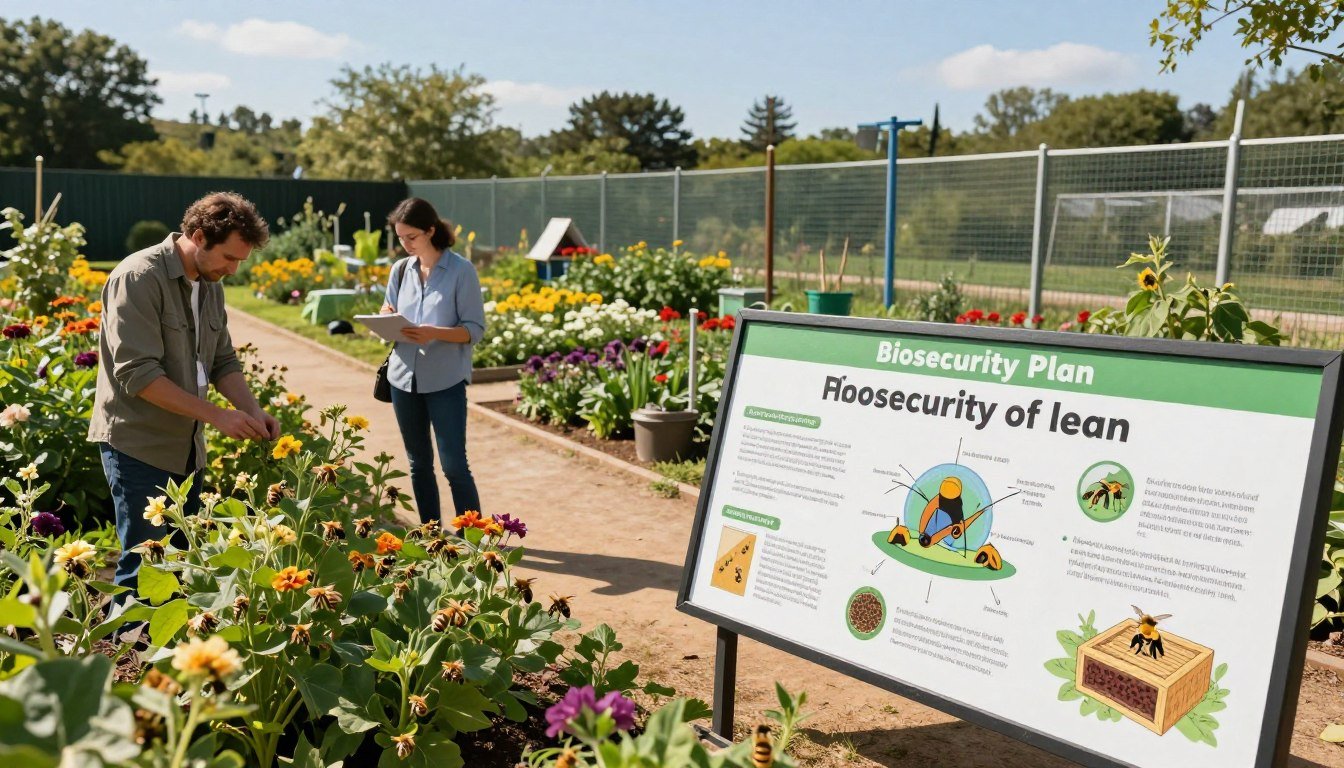
Developing Your Pollination Yard Biosecurity Plan
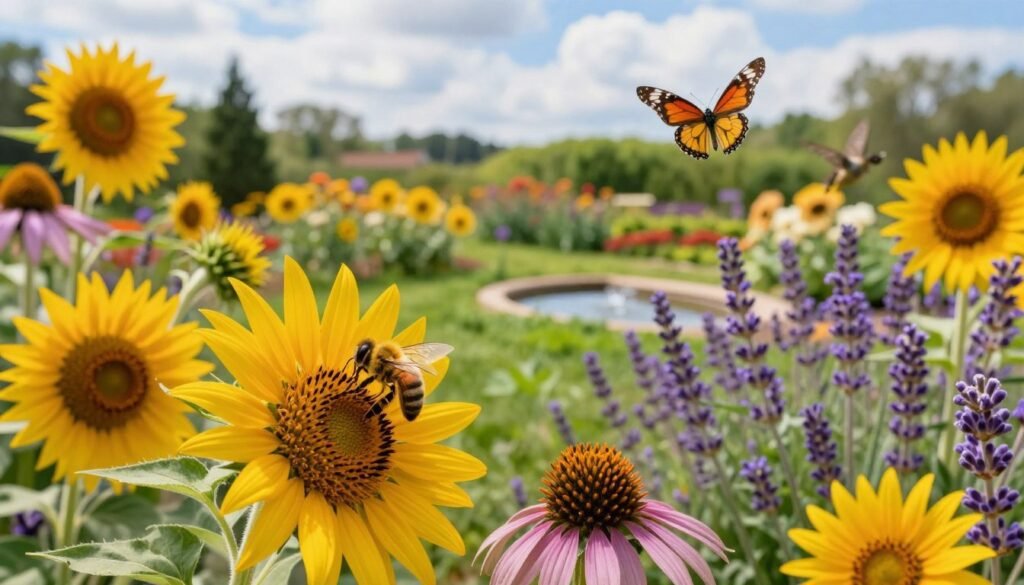
Start by picturing what a thriving habitat looks like on your property over the next decade. A clear vision guides choices about where to add habitat, how to schedule maintenance, and which species to encourage.
Defining Your Vision and Goals
Define short- and long-term goals for 1, 3, 5, and 10 years. Note which areas of lawn and garden you will convert, which species you want to attract, and what resources you can commit.
Make sure your goals allow flexibility. As cropping schedules, budgets, and time change, the document should adapt without starting over.
Establishing SMART Objectives
Use SMART criteria so objectives are specific, measurable, achievable, relevant, and time-bound. For example, set a target to increase flowering cover by 15% in two years or to reduce maintenance mowing to a seasonal schedule by next fall.
- Write a simple pest management section to guide long-term maintenance and habitat improvement.
- Consider how the garden and lawn can be adapted to local species and seasonal needs.
- Define resource goals so you can allocate time and money to keep habitat productive across acres or small areas.
For examples and further resources, consult a short guide to biosecurity in the bee yard and a list of best U.S. native plants for.
Inventorying Your Land and Natural Resources
Start with a visual survey from the house or an aerial image to spot habitat pockets. A clear map helps you see where soil, water, and existing plants already support pollinators.
Mapping Existing Habitat and Water Sources
Document hedgerows, forest edges, and homestead perimeters. Note streams, ponds, and other water resources that sustain native pollinators through the year.
Phillip Stowe used an aerial map to flag cropland, CRP areas, and water on his 55-acre property. Replicate that approach with photos and notes.
- Identify native plants and flowering perennials that attract butterflies and other insects.
- Record soil type and water access to plan new habitat in the fall.
- Document acres and land use to manage seeds and ensure continuous bloom across seasons.
“Creating a visual map of your property makes habitat improvement targeted and measurable.”
| Feature | Why It Matters | Immediate Next Step |
|---|---|---|
| Hedgerows | Provide nesting and shelter for native pollinators | Mark on map and note dominant plant species |
| Water resources | Support drinking and cooling for insects | Record location and seasonal levels |
| Soil types | Determine suitability for native perennials and seeds | Collect simple soil pH and texture notes |
For examples of mapping methods and meadow design, see this concise guide to building a meadow and an annual conference abstract collection for practical inventory ideas: how to build a pollinator meadow and conference abstracts.
Implementing Sustainable Habitat Management Practices
Good habitat management focuses on timing, plant choice, and low-impact upkeep. These three pillars keep soil and water functioning and sustain food and shelter for pollinator insects across the year.
Selecting Native Plant Species
Choose native plants and native perennials that bloom at different times so flowers are available from spring through fall. Evan Molin of Molin Meadows Farm installed 2.8 acres of native perennials and saw a measurable boost in biodiversity.
Managing Mowing and Cleanup Schedules
Reduce mowing frequency and leave stems and leaf litter through winter to protect overwintering pollinators. Delay spring cleanup until overnight temperatures stay near 50°F to avoid disturbing dormant insects.
Protecting Nocturnal Pollinators
Dark, calm areas matter. Cut light pollution and keep sections of your garden dim at night so moths and other night-active species can forage and mate safely.
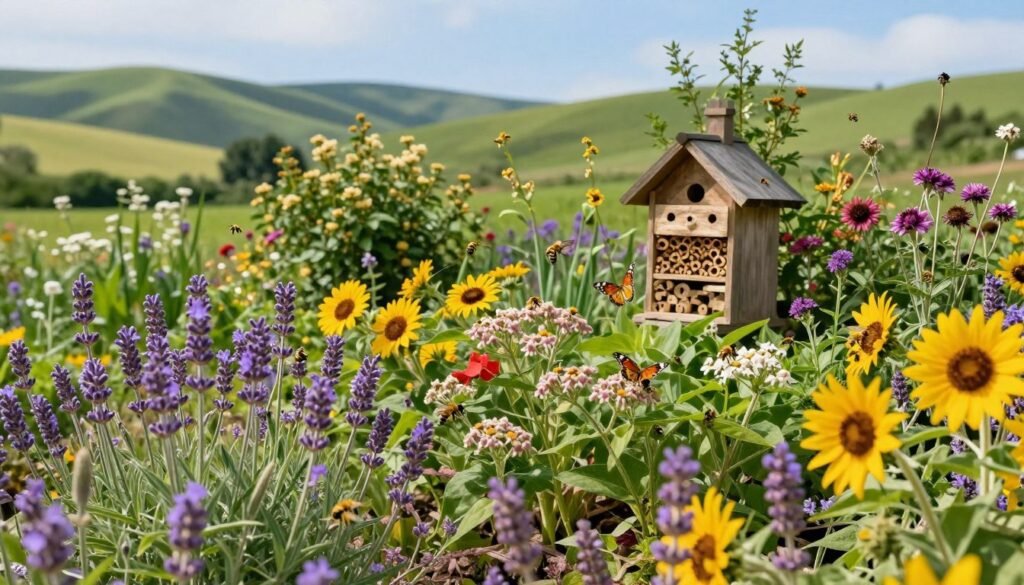
“Small shifts in maintenance timing and plant choice yield lasting benefits for pollinators.”
For practical BMPs and habitat guidance, review this resource on best management practices for pollinators.
Managing Pests and Diseases Without Harmful Chemicals
Effective pest control starts with nonchemical steps that keep soil and water healthy for pollinators. Use monitoring and simple cultural methods first. Early detection lets you act before outbreaks grow.
Avoid neonicotinoid insecticides such as imidacloprid, thiamethoxam, and clothianidin. These active ingredients harm native pollinators and bees, and they persist in soil and water resources.
Integrated pest management focuses on non-toxic options: habitat diversity, resistant native plants, mechanical removal, and beneficial insects. Many native plants resist local pests and cut chemical needs across the year.
- Scout regularly and record pest levels before treating.
- Encourage predators and parasitoids with floral strips and diverse plant species.
- Use targeted, least-toxic products only when thresholds are exceeded.
“Implementing integrated pest management lets you control pests without degrading your habitat or harming pollinators.”
For farm- and property-scale guidance on on-farm measures, review this resource on on-farm biosecurity planning. Following IPM practices helps protect butterflies, bees, and other pollinator species while managing acres and smaller areas effectively.
Budgeting for Long-Term Pollinator Success
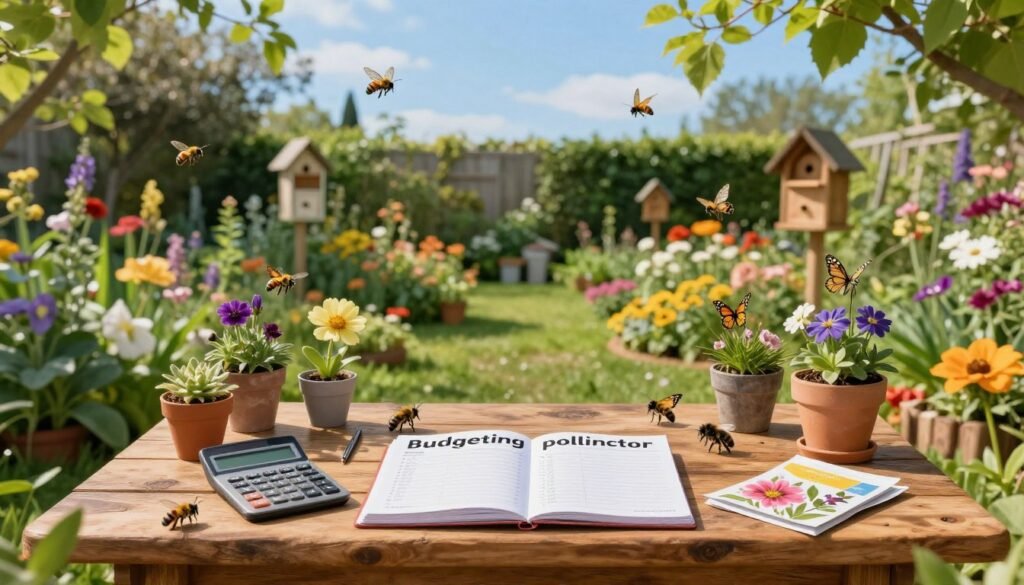
A realistic budget keeps habitat goals achievable and long-lasting. Start by listing one-time establishment costs and recurring annual items. This clarity helps you track progress and secure funding.
Calculating Net Annual Investment
Phillip Stowe estimated $12,866 for planting and first two years of new haskap bushes and perennials. Use that as a reference when you build numbers for labor, seeds, plants, and materials.
Net annual investment equals total project costs minus grants, cost-share programs, and any market premiums you expect. This shows the true yearly commitment for your yard or acres.
- Include labor, maintenance, seeds, and replacement plants.
- Research cost-share programs to offset start-up expenses.
- Budget time and routine maintenance so native plants thrive long term.
| Item | Estimated 2‑Year Cost | Annual Share |
|---|---|---|
| Establishment (seeds, plants) | $5,000 | $2,500 |
| Labor & equipment | $4,500 | $2,250 |
| Maintenance (perennials) | $3,366 | $1,683 |
| Grants / cost-share | −$2,000 | −$1,000 |
Track spending on seeds and materials and adjust each year. For practical resources on creating bee-friendly areas, see bee-friendly landscapes.
Conclusion
strong, Consistent stewardship turns patches of land into lasting refuges for beneficial species.
Creating a simple guide is an important part of protecting local nature. Keep in mind that small, steady actions yield real results for habitat and wildlife.
By following this guide, you take a meaningful step toward long-term resilience. For further reading on risk and readiness, review the Varroa mite preparedness report.
To learn how community spaces can help, see this short piece on community gardens support. Thank you for your commitment to sustaining healthy habitat and protecting nature.
FAQ
What is a biosecurity approach for protecting pollinators on my property?
A biosecurity approach focuses on preventing the spread of pests, diseases, and invasive plants that harm pollinators. It combines careful site management, sanitation, and monitoring with use of native plants, water management, and integrated pest management (IPM) techniques to maintain healthy habitat for bees, butterflies, moths, and other beneficial insects.
How do I prioritize native plant species to support local pollinators?
Start by choosing native perennials, shrubs, and trees that flower across the season to provide continuous nectar and pollen. Consult local extension services or native plant societies for species lists adapted to your soil and climate. Group plantings in sunny areas and avoid hybrids that offer little nectar or pollen to native pollinators.
How can I design a habitat that provides food, shelter, and water year-round?
Create diverse plantings that bloom from spring through fall, include nesting substrates (bare ground, bundles of hollow stems, or dead wood), and add shallow water features with landing stones. Maintain ground cover and leave some leaf litter and stems through winter for overwintering insects and larvae.
What mowing and cleanup schedule best supports pollinator species?
Reduce mowing frequency and adopt rotational mowing to preserve forage and nesting areas. Delay major cleanups until late winter or early spring to protect overwintering stages. Keep meadow areas in sections so some habitat remains undisturbed each year.
How do I protect nocturnal pollinators like moths and bats?
Minimize night lighting by using warm-colored, low-intensity fixtures and motion sensors. Maintain native night-blooming plants and preserve dark corridors and hedgerows that offer shelter. Avoid pesticides that disrupt nocturnal insect populations.
What pest-management practices minimize harm to beneficial insects?
Use integrated pest management: monitor pest levels, identify species, and use targeted cultural or biological controls first. Apply least-toxic products like insecticidal soaps or Bacillus thuringiensis only when necessary and treat in the evening to reduce exposure to active pollinators.
Are there safe alternatives to chemical insecticides and fungicides?
Yes. Encourage natural predators, apply physical barriers, practice crop rotation or planting diversity, and use mechanical removal for small infestations. When chemicals are needed, select products labeled as low risk for pollinators and follow timing and application guidelines strictly.
How should I monitor and map habitat and water resources on my land?
Conduct a simple inventory: map flower patches, nesting sites, ponds, and drainage areas. Record species present, bloom times, and water quality. Use photos and notes to track changes annually. This helps set management priorities and measure progress toward conservation goals.
What are SMART objectives for a successful pollinator habitat project?
SMART objectives are Specific, Measurable, Achievable, Relevant, and Time-bound. Example: “Establish three 200-square-foot native perennial beds that bloom from April to October within two growing seasons and increase local native bee visits by 25% in three years.” These objectives guide actions and budgeting.
How much should I budget annually to maintain pollinator habitat?
Budget needs vary by scale. Include plant purchases, soil amendments, mulches, water systems, tools, and occasional professional services. For small residential sites, expect modest annual costs for replacements and watering; larger properties require higher investment and may need to calculate net annual investment per acre to plan long-term.
How can I reduce disease and invasive plant risks in my restoration areas?
Use clean, certified seed and nursery plants known for local provenance. Quarantine new plant material briefly, remove invasive species promptly, and sanitize tools between sites. Regular monitoring and early intervention reduce spread of pathogens and weeds.
What water management practices support pollinators and conserve resources?
Collect and use rainwater, install drip irrigation for new plantings, and create shallow puddling areas for thirsty insects. Avoid overwatering to prevent fungal diseases. Place water sources near flowering patches to reduce pollinator travel stress.
Can small urban properties contribute to regional pollinator health?
Absolutely. Even small plots, balconies, and container gardens with native flowers provide valuable resources. Coordinated plantings across neighborhoods create habitat corridors. Engage neighbors, community gardens, and local conservation groups to scale impact.
How do I get involved with local conservation and native plant programs?
Contact your county extension office, local native plant society, or organizations such as the Xerces Society for Invertebrate Conservation. These groups offer workshops, plant lists, and volunteer opportunities to expand habitat and share best practices.
What maintenance tasks are essential each season to keep habitat healthy?
Spring: replace dead plants, begin mulch and weed control, and set irrigation. Summer: monitor for pests, deadhead spent blooms where needed, and maintain water access. Fall: collect seed for propagation if desired, cut back selectively, and leave some standing stems and leaf litter for winter cover.