Professional beekeepers must keep equipment clean to protect colony health and harvest quality. A tidy hive reduces the risk of pathogens that can harm honey, pollen, and the queen’s brood.
When you inspect frames, you will see bees sealing gaps with propolis; that behavior highlights why regular maintenance matters. Proper care of each propolis trap and pollen collection device helps ensure the final product stays safe for storage and sale.
This short guide walks beekeepers through practical steps to clean, sanitize, and manage trap components so each collection cycle stays sanitary and efficient. For detailed processing tips, see a full walk-through on propolis handling and options for hive gear at hive accessories.
Key Takeaways
- Keep gear clean: routine care protects colony health.
- Protect harvests: sanitation preserves honey and pollen quality.
- Watch the hive: the queen’s colony behavior shows where to focus maintenance.
- Use proven methods: simple washing and cooling prevent contaminants.
- Plan each season: consistent checks make collection cycles efficient.
The Importance of Maintaining Clean Hive Equipment
Neglecting hive gear invites pests, weakens woodenware, and stresses your bees. Routine care keeps colonies productive and preserves harvested honey and pollen quality.
Scientific research shows that propolis has strong antibacterial, antimicrobial, and antifungal properties. Bees use these natural compounds to seal cells where the queen lays eggs, helping to protect brood health.
As a keeper, you must remove debris and old honey from frames and hives to prevent mold and pest buildup. Managing a propolis hive is like harvesting a natural medicine produced by the honey bee colony.
“Keeping equipment clean reduces colony stress and lets bees focus on forage,” recent research notes.
- Protect harvests: clean gear keeps honey safe for storage.
- Support colonies: tidy hives lower disease pressure.
- Preserve wood: regular maintenance extends the life of frames.
| Issue | Cause | Action |
|---|---|---|
| Mold growth | Old honey and debris | Remove and dry frames |
| Pest attraction | Sticky residues | Clean entrances and boxes |
| Colony stress | Dirty environment | Schedule regular checks |
For detailed handling and research-backed methods, consult the beekeeper manual and a guide on boosting production: beekeeper research manual and how to increase propolis production.
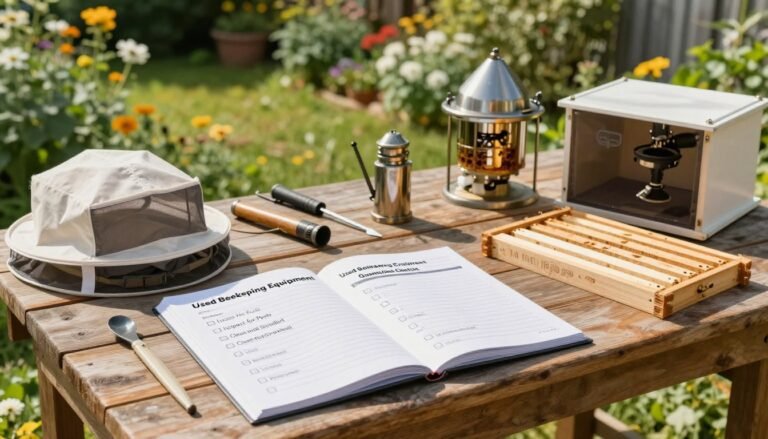
Essential Tools for Disinfecting Pollen Traps and Propolis Traps
Start with a simple kit of supplies to keep your collection equipment in peak condition. A small, reliable set of tools speeds cleaning and protects harvest quality.
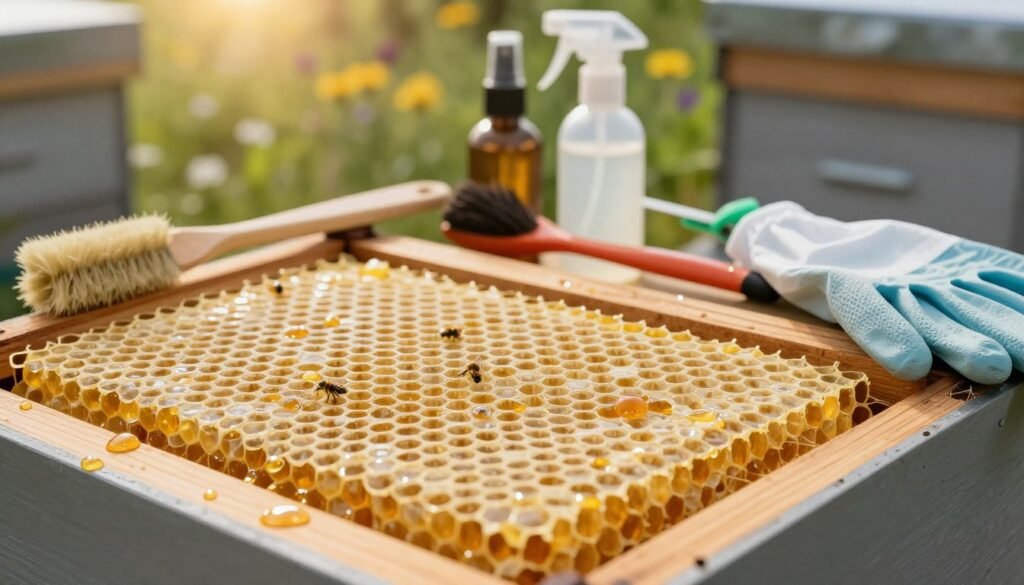
Cleaning Agents
Choose gentle, food-safe cleaners. Use warm water, a sturdy bucket, and a mild detergent to lift sticky residue from plastic or wood pieces.
For stubborn buildup, a little food-grade oil can loosen residue before washing. After harvest, place hardened material in the freezer to make separation easier.
- Buy quality propolis gear from Dadant, Betterbee, or Weller Bee Supply — most plastic propolis traps cost under $10.
- Make sure you have enough water and a solid bucket for rinsing parts.
Protective Gear
Protect yourself and your suit. Wear gloves, eye protection, and a work apron to avoid staining from sticky material.
Modify a queen excluder into a simple collection screen by adding a taped mesh with holes smaller than 3/8 inch. Keep all supplies in one place so you can work efficiently.
For tool ideas and accessories, see a concise beekeepers tool box and a practical bee removal guide.
Preparing Your Traps for the Sanitization Process
Place the trap on the top box, level with the frames. Set the plate or panel directly beneath the lid so bees can reach the holes and start working them.
Prop up the cover slightly with a small stick or shim to let light in. This light exposure differs from a standard inner cover and encourages filling more quickly.
If you use a queen excluder as a base, secure the assembly so the honey bee colony cannot bypass the collection area. Check that the trap sits flat against the top of the frames for even results.
- Start the season by placing the trap on the uppermost box.
- Allow two weeks of collection time before removal.
- After pulling the panel, put material in a sealed bag and store it in the freezer until cleaning.
Practical tip: keep a consistent routine. Proper placement and the small shim make the difference between a successful harvest and wasted effort.
For wider seasonal prep and hive handling tips, see this short guide for beekeepers: preparing traps.
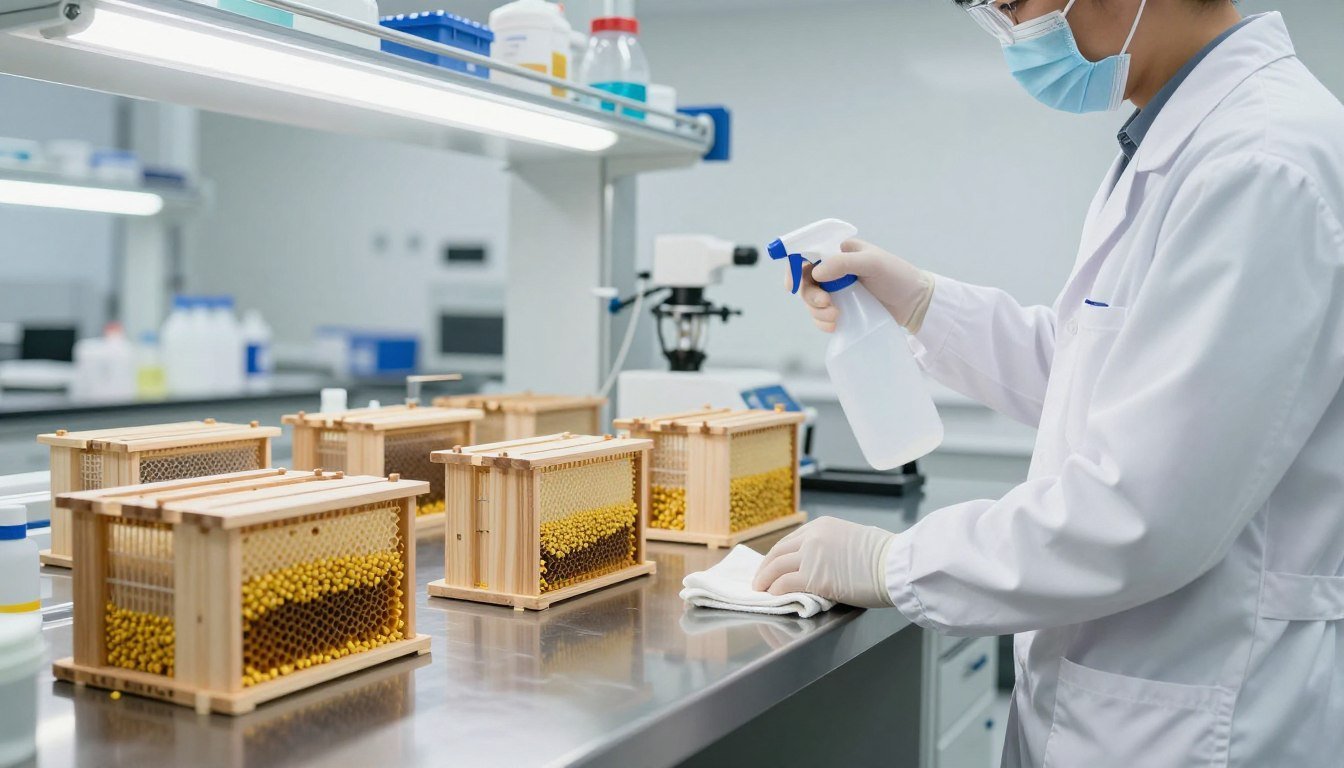
Effective Methods for Cleaning and Sanitizing
Begin cleanup with mechanical removal: freeze the resin from the panel for several hours until it is hard. Break it into small pieces to avoid smearing on wood or plastic parts.
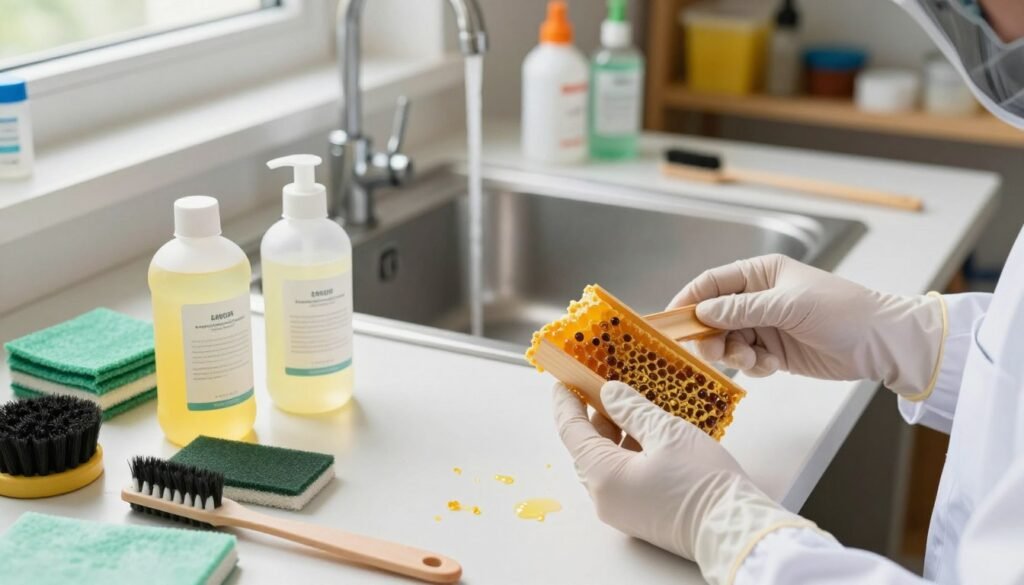
Removing Debris
Work outside or over a screen so loose beeswax, paint chips, and wood shavings fall away. Check frames and the queen excluder at the same time to prevent residue buildup.
Washing Techniques
Use a large bucket of cold water and swish the bits vigorously. Repeat washes until the water runs clear. Skim floating debris with a fine screen between rinses.
Drying Procedures
Spread cleaned pieces on a screen in a cool, shaded place for at least one day. Keep them out of direct sun to avoid softening the honey and wax.
| Issue | Action | Suggested Time |
|---|---|---|
| Sticky residue on parts | Freeze, smash, wash in bucket | Several hours + 1 day drying |
| Cloudy rinse water | Repeat swishing and skimming | Until water is clear |
| Residue on frames/excluder | Clean simultaneously with panel | Same cleaning session |
Note: If you plan a 10% solution tincture, use food-grade methods and sanitized tools. For repairs to woodenware, see repair damaged hive boxes.
Best Practices for Storing Your Equipment
D. “Organizing cleaned parts now prevents problems when the hive comes back to life in spring.” This practical habit saves time and preserves harvest value.
Prevent recontamination by storing cleaned parts in a cool, dry place. Keep dust, paint chips, and loose wood away from surfaces to protect honey and pollen quality.
Preventing Recontamination
Keep plastic items and wooden components in separate sealed containers. Check boxes several times during the off-season for pests or stray beeswax bits.
- Label freezer bags with weight and contact info; BEEpothecary pays $30 a pound for clean propolis.
- Call Laurie at 614-450-2339 or email BEEpothecary@gmail.com before sending material.
- Store final product in sealed bags inside the freezer to preserve value.
“Even small bits of beeswax or wood can lower the value of a harvest; careful storage keeps quality high.”
| Item | Storage | Check Interval |
|---|---|---|
| Plastic panels | Separate sealed bin | Monthly |
| Wood frames & cover | Dry, ventilated box | Every 2–4 weeks |
| Final harvest (sealed) | Freezer with label | Before shipping |
For detailed maintenance routines and tool care, consult a concise guide on beekeeping tool maintenance at tool and equipment maintenance and a practical resource on long-term gear care at beekeeping tools maintenance.
Final Thoughts on Hive Hygiene
Good hive hygiene keeps colonies strong and protects the value of your harvests. Use a strong.
Maintaining strict care helps preserve honey and pollen quality. Small rituals — a basic solution, a rinse with clean water, a short freeze in the freezer — pay off.
Recent research highlights the role of propolis in colony health. Follow simple steps and you reduce contamination risks while boosting product purity.
Check your email for buyer notes, and consult local beekeepers or suppliers when unsure. For extra guidance, see this note on natural supplements for bee health.
FAQ
What is the safest way to clean pollen and propolis collection devices?
Start by removing loose debris from frames and boxes using a stiff brush and warm water. For plastic parts, soak in a mild bleach solution (1 cup household bleach per gallon of water) for 10 minutes, rinse thoroughly, and air dry. Wooden components benefit from gentle scraping, a light wash with soap and water, and full drying in sunlight to reduce mold and residue. Use gloves and eye protection while handling solutions.
How often should beekeepers sanitize traps and hive parts?
Inspect collection devices weekly during heavy foraging and at the end of each season. Deep cleaning—removing accumulated wax, residues, and sticky deposits—should happen at least once a year or when moving equipment between apiaries to lower disease risk.
Can I use dish soap and hot water to clean hive equipment?
Yes. A degreasing dish soap with hot water works well to remove honey, wax, and oil. Scrub with a brush, rinse completely, and dry outdoors. Avoid leaving soapy residues that could deter bees from using the equipment later.
Is freezing an effective method to sanitize small hive parts?
Freezing small removable parts for 48–72 hours can kill wax moth larvae and other pests. Place parts in sealed plastic bags in a standard freezer. After thawing, brush away dead material and clean with warm, soapy water before reuse.
What precautions should I take when using bleach or other chemicals?
Use chemical cleaners in a well-ventilated area, wear nitrile gloves and safety glasses, and never mix bleach with ammonia or acidic cleaners. Rinse items thoroughly and allow them to cure outdoors so any strong odors dissipate before returning to the hive.
How do I avoid contaminating honey or brood when cleaning near the hive?
Work away from active frames and avoid strong-smelling cleaners inside brood boxes. Remove bees when possible, or perform cleaning tasks during low activity times. Keep cleaned parts separate from stored honey supers until any odors or residues fully dissipate.
What is the best way to store cleaned collection equipment between uses?
Store dry, clean parts in a sealed plastic bin or covered wooden box in a cool, dry area. Add a desiccant packet if humidity is high. Keep equipment off the floor and away from rodents, insects, and direct sunlight to prevent warping or contamination.
Can I repaint or seal wooden trap parts to make future cleaning easier?
Yes. Use food-safe exterior paints or clear wood sealers on outer surfaces only, avoiding areas that contact bees directly. Allow full curing per manufacturer instructions so no volatile compounds remain when reassembled in the hive.
How do I handle sticky propolis buildup on plastic components?
Warm soapy water and a plastic scraper usually remove sticky deposits. For stubborn areas, a short soak in hot water followed by gentle scrubbing works. Avoid metal scrapers that can gouge plastic and create crevices for microbes to hide.
Are commercial disinfectants made for beekeeping better than household cleaners?
Commercial products formulated for apiary use, such as those from Mann Lake or Betterbee, often balance efficacy and bee safety. They can be convenient, but always follow label directions and rinse treated parts thoroughly before returning them to hives.
How long should cleaned equipment sit before returning it to active hives?
Allow parts to dry and air out for at least 24 hours outdoors, longer if strong odors remain. For chemical treatments, follow product-specific cure times; when in doubt, wait several days to ensure no off-gassing that could disturb bees.
What protective gear do I need when cleaning hive components?
Wear a dust mask or respirator when scraping dry debris, nitrile gloves to protect skin from oils and cleaners, and safety glasses. Use a beekeeping jacket or veil if you might encounter bees during the process.
How can I prevent recontamination after cleaning and storing my gear?
Keep storage areas clean and dry, inspect gear before reuse, and avoid cross-contamination by separating used items from cleaned ones. Rotate stored equipment so older, inspected pieces are used first and reduce long-term exposure to pests.