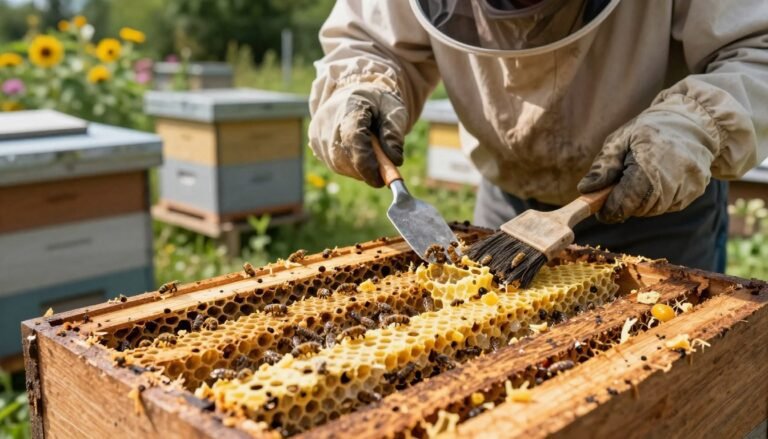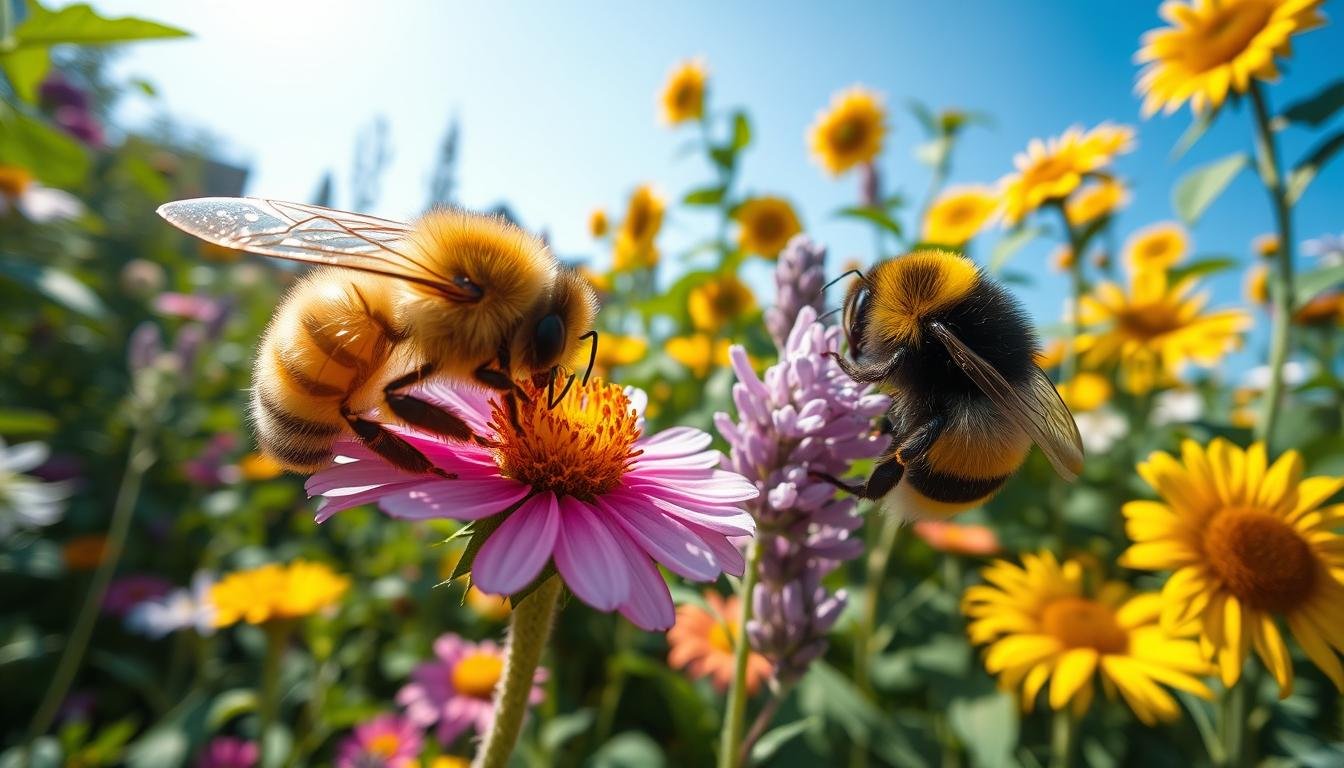
This concise buyer’s guide helps you make a confident choice between the two bees known to deliver steady results across varied U.S. regions. It focuses on practical traits that affect honey yield, temperament, and hive health.
Honey bee “races” act like dog breeds: they share a single species but show subtle trait differences that shape daily management. Understanding that difference helps you plan feed, swarm control, and pest strategies with realistic goals.
We preview a short list to streamline decision-making for new and experienced keepers. Regional weather, nectar flows, and time you can commit often matter as much as genetics.
Alternates such as Russian, Buckfast, and Caucasian have specific uses. Still, our two primary picks emphasize gentle handling, predictable production, and resilience to build confidence and reduce risk in the apiary.
Key Takeaways
- Focus on traits that affect yield, temperament, and winter survival.
- A well-matched bee-and-location pairing boosts long-term success.
- Races of the honey bee differ in subtle but relevant ways.
- Shortlist streamlines choice; detailed alternates suit niche needs.
- Practical management matters as much as genetics for good outcomes.
- Learn more about adapting hives to varied weather at beekeeping in different climates.
Why this Buyer’s Guide matters for beekeepers in the U.S. today
Choosing the right hive stock shapes production, handling, and winter survival more than any single tool in your apiary.
Small genetic differences translate into big seasonal effects. Temperament, brood rhythm, and forage efficiency change how fast a colony builds in spring and how it rides out dearths.
The guide simplifies selection by comparing clear factors: overwintering strength, disease tolerance, swarming tendency, and honey production. That makes inspections and feeding plans easier to predict.
Different types are better in different climate zones and operations. Some stocks offer gentler handling for new keepers. Others bring higher yields or pest resistance for commercial production or pollination work.
- Actionable traits: temperament, brood pattern, and store use—what you notice on inspection day.
- Risk reduction: matching species to local pests and weather lowers surprises and boosts long-term success.
- Practical choice path: a short, climate-aware shortlist helps beekeepers set realistic production goals.
This guide gives you a structured way to match stock to goals and regional realities, so small species differences lead to steady results across the beekeeping year.
How to define “best”: key factors that shape your choice
Define a winning hive by balancing climate fit, foraging pace, and how much time you can spend managing it.
Core factors are simple: cold and heat tolerance, honey potential, temperament, brood stability, and disease resistance. These traits shape day-to-day work and long-term results.
Climate adaptation: wintering, cold starts, and hot summers
Look for stocks that hold tight clusters in deep frosts and resume foraging after cold snaps. Carniolans shift brood quickly to match forage, aiding winter survival.
Honey production, foraging behavior, and spring buildup
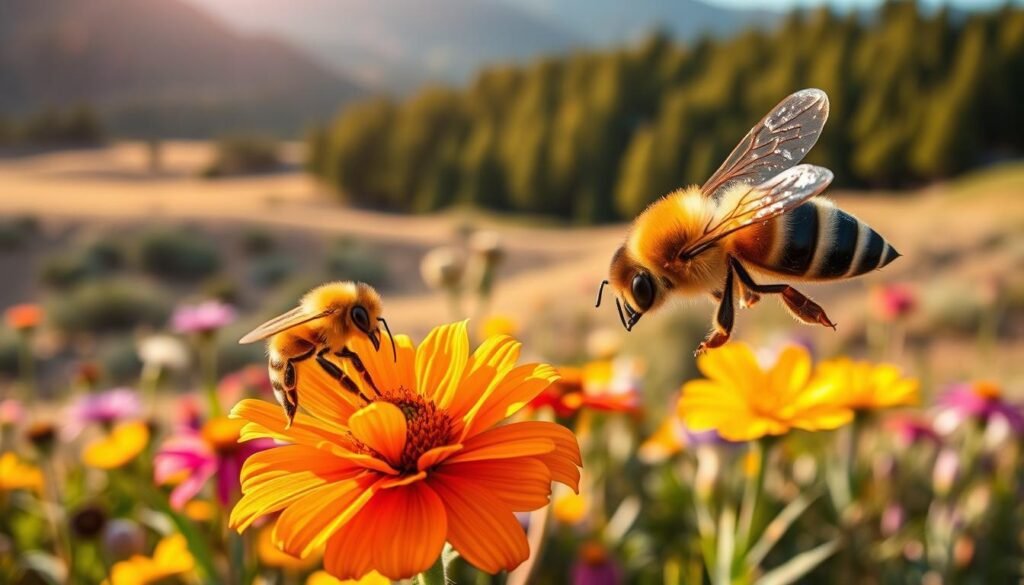
Italians show strong early production and steady foraging, which speeds spring buildup. Foragers that work in cool or wet conditions extend the season and boost honey stores.
Swarming tendency, temperament, and hive management
Temperament affects inspection time and swarm risk. Gentle stocks cut stress, while highly productive strains may need more space and swarm checks.
Disease and mite resistance, including Varroa considerations
Assess resistance and hygienic behavior. Russians offer notable Varroa tolerance; Buckfast resist tracheal mites. Lower drift and guarding reduce disease spread between hives.
| Trait | Carniolan | Italian | Russian |
|---|---|---|---|
| Cold tolerance | High; rapid brood adjustment | Moderate; strong stores | Good; hardy in cold |
| Honey production | Moderate; efficient early foragers | High; prolific collectors | Moderate; steady |
| Temperament & swarm | Calm; low-medium swarm | Very gentle; higher swarm risk | Guarding; low robbing |
| Mite/disease resistance | Average; good brood control | Average; watch drift/robbing | Notable Varroa resistance |
For deeper background on regional strains, see a concise beekeeping species overview.
Finally, match your choice to your time and skills. If you need seasonal checklists and timing tips, consult seasonal beekeeping tasks to plan inspections, feeding, and swarm control.
Regional realities: matching bee species to U.S. climates
Match local weather and bloom timing to colony traits so your hives hold stores and rebuild when you need them most.
Cold and variable climates: Upper Midwest, Northeast, Mountain West
Pick lines that forage on cool days and tighten brood during dearths. Carniolan and Russian genetics shine here with fast spring bounce and winter hardiness.
Warm and long-flow regions: South, Southeast, and coastal zones
Gentle, steady collectors do well where flows run long. Italians and Buckfast strains often produce well but may need close space management to limit swarming.
Arid and drought-prone areas: Southwest and interior West
Choose colonies that conserve resources and curb brood expansion until blooms return. Longer-tongued Caucasian lines can reach sparse nectar in some wildflower mixes.
Practical tips:
- Run small regional trials near borders; elevation and microclimates matter.
- Plan supplemental feed and extra ventilation for humid coastal areas with heavy propolis strains.
- Watch morning and evening foragers: cold nights change nectar intake and buildup pace.
| Region | Recommended genetics | Key management notes |
|---|---|---|
| Cold/variable | Carniolan, Russian | Tight brood control; early spring checks |
| Warm/long-flow | Italian, Buckfast | Swarm prevention; monitor stores |
| Arid/interior | Caucasian, Buckfast | Conserve resources; delay major brood expansion |
The short list: 2. best bee species for U.S. climates
These two selections offer steady temperament, wintering strength, and reliable yield when matched to local conditions.
Carniolan bees for cold or variable regions and fast spring recovery
Carniolan bees stand out where cold snaps and late springs are common. They cluster tightly in winter and resume brood quickly when nectar returns.
They forage on cool or wet days and adjust brood rhythm rapidly. That helps early honey stores and spring buildup.
Trade-offs: watch for swarm tendency and give ample space to reduce pressure.
Italian bees for warm zones and consistent honey production
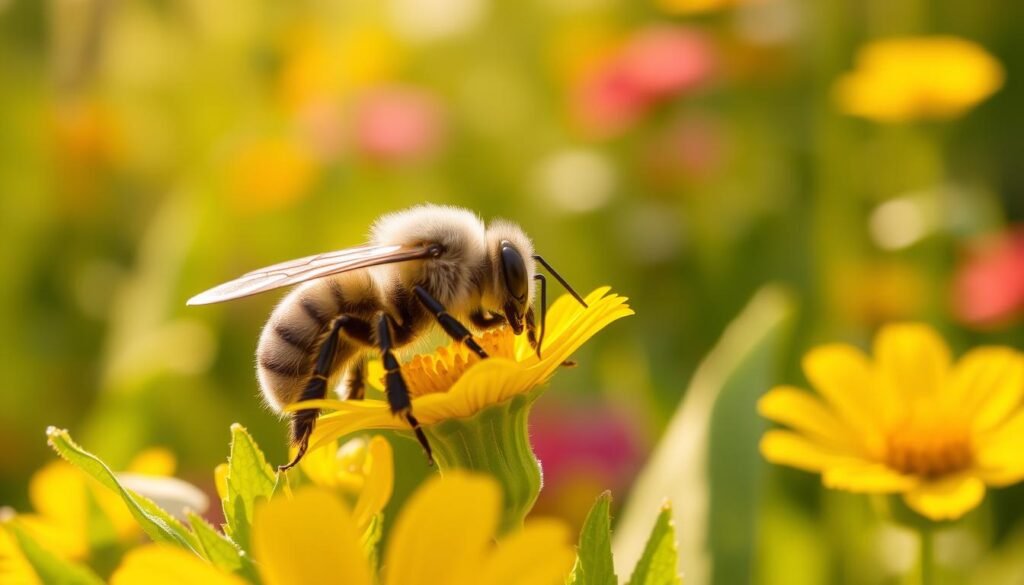
Italian bees suit longer flows and warm seasons. Their calm handling and steady collecting support higher honey yields.
They can drift and use more stores because they cluster less tightly. Manage frames and supering to keep productivity steady.
- Shared benefit: both deliver stable productivity and gentle handling, a sound start for new keepers.
- Practical note: match one selection to local weather before adding alternates.
Final choice will shape inspections, swarm checks, and honey quality. Verify regional availability and pick a primary line that fits your hive goals and beekeeping plan.
Why Carniolan bees excel in colder and fluctuating weather
Where late frosts and sudden thaws repeat, some colonies protect resources and expand when days warm. Carniolan bees come from Eastern Europe and suit mountain and northern ranges with variable springs.
Overwintering strength and rapid spring buildup
Carniolan colonies conserve stores tightly in winter, keeping brood minimal so honey lasts through long cold spells. That efficiency positions the hive to build quickly in spring once nectar returns.
Their rapid, quickly spring buildup helps capture early flows in cooler regions. This trait often turns short warm windows into meaningful honey gains.
Adaptive brood regulation during forage dearths
These bees show tight brood control when forage is scarce. That reduces starvation risk and preserves nurse strength for when pollen returns.
They also forage on cold, wet days, keeping a trickle of pollen and nectar coming when other colonies stay clustered. Less propolis makes inspections easier and speeds management in early season.
- Manage space early: expand boxes at first population surge to lower swarm pressure.
- Temperament: calm handling in poor weather aids quick checks and lower stress.
- Regional fit: ideal for northern and mountain areas with late frosts and variable nectar windows.
“Hives that time brood to nectar availability recover faster and use stores more efficiently.”
For research on brood timing and colony response, see the honey bee brood regulation study.
Why Italian bees thrive in warmer U.S. regions
In warm regions, Italian colonies often turn long nectar windows into consistent harvests. Introduced to America in 1859, italian bees remain popular because they combine calm handling with steady collecting.
High productivity and gentle temperament that help new keepers
Italian lines form larger brood nests and keep a looser winter cluster. That means they resume foraging quickly on warm days and can produce notable productivity and honey when blooms last.
The calm nature of these bees makes inspections easier and boosts confidence for a new beekeeper. Gentle handling shortens checks and lowers stress for both person and hive.
Management watchouts: swarming, drift, and food use
Large brood rearing raises food needs. Monitor stores and super early to keep momentum without stressing the colony.
Italian colonies can show higher swarming pressure and may drift or rob neighbors. Use reduced entrances, smart yard layout, and routine queen and cell checks to cut risk.
- Space: add supers at first surge to reduce swarm triggers.
- Hygiene: maintain strong disease checks to limit robbing spread.
- Availability: italian lines are widely sold, easing sourcing and replacements.
“Their steady temperament and prolific foraging make italian bees a forgiving choice for honey-focused keepers.”
Strong alternates worth considering: Russian, Buckfast, Caucasian
When regional pests, long rains, or niche nectar sources matter, alternate genetics can pay off. These choices suit specific challenges and reward careful management.
Russian bees: Varroa tolerance and cold hardiness
Russian bees entered U.S. programs in 1997 to add Varroa tolerance. They overwinter well and cut brood during dearths, which saves stores.
Guarding behavior in russian bees reduces robbing but can make them more defensive. Use experienced handling when pest pressure is high.
Buckfast bees: hybrid vigor and cool-climate poise
Buckfast bees trace to Brother Adam and show hybrid vigor. They combine gentle handling with steady honey production and tracheal mite resistance.
These lines perform well in cool, damp seasons and use winter stores efficiently. Buckfast offers versatility across variable microclimates.
Caucasian bees: long tongues and heavy propolis
Caucasian stock reaches niche nectar with long tongues and forages on colder days. They produce heavy, sticky propolis that helps hive health but can complicate inspections.
Lower swarming tendency and some EFB resistance are benefits. Plan extra ventilation and check local availability before committing.
- Choose alternates when targeted resistance or niche forage matters.
- Note: these types often need more nuanced management than the main choices.
“Alternate lines can solve specific problems, but they reward careful, regional testing.”
State spotlight: lessons from Texas for warm and diverse climates
Texas shows how long seasons and sharp regional swings force practical choices in apiary management.
Long nectar flows favor steady, roomy hives. In many Texas areas, italian bees and buckfast bees convert long blooms into reliable honey when keepers add supers early. Give colonies space and monitor stores during peak buildup.
Italian and Buckfast productivity across long nectar flows
Italians handle heat well and build fast in long seasons, but drought can push heavy brood rearing and store use. Plan supplemental feed in dry stretches to avoid depletion.
Buckfast lines offer steady output and better disease tolerance during dry years, making them a safe pick across varied areas.
Russian bees’ pest defense in humid zones
In humid East Texas, russian bees show useful mite and small hive beetle defense. That guarding behavior helps keep pests and wax moth pressure lower in wet weather.
Caucasian propolis benefits and ventilation needs
Caucasians deposit heavy propolis that seals hives against wind. In coastal humidity, increase ventilation to prevent moisture buildup and sticky inspections.
| Trait | Recommended in | Management tip |
|---|---|---|
| Heat & long flows | Italians, Buckfast | Add supers early; monitor drought |
| Humid pest pressure | Russians | Boost beetle checks; timed treatments |
| Windy/coastal areas | Caucasian | Increase ventilation; expect propolis |
Match strains to local areas, work with reputable suppliers, and generalize these lessons to other warm U.S. regions with long flows and intermittent dearths.
Mites, diseases, and hive pests: choosing for resilience and success
Integrated defenses — not a single cure — keep colonies robust through varroa and seasonal stress.
Varroa mites: stock selection plus integrated management
Varroa mites remain the principal health challenge. Use tolerant genetics and routine monitoring to lower risk.
Rotate control methods, apply threshold-based treatments, and record counts regularly. Routine checks cut surprises and slow resistance development.
Hygienic behavior, small hive beetles, and wax moth pressure
Hygienic behavior is a frontline defense. Russian lines often show strong removal of infested brood.
Buckfast brings tracheal resistance while Carniolans offer broad disease resilience. Verify breeder claims and track results in your yard.
- Maintain strong colonies and minimize excess comb to deter small hive beetles and wax moths in humid zones.
- Reduce drift and robbing with smart yard layout and entrance management to limit disease spread between hives.
- Document mite counts, brood pattern changes, and interventions to refine your IPM plan each season.
“Resilient beekeeping balances genetics, nutrition, space, and sanitation—no single tactic replaces consistent management.”
For seasonal timing and task checks, pair these strategies with a practical beekeeping calendar to schedule monitoring and treatments.
From package to productivity: sourcing and seasonal timing
Sourcing stock and timing installations well turns early-season work into steady production rather than a scramble.
Working with reputable U.S. breeders and regional strains
Choose U.S. breeders who document queen lineage and raise regional strains. This reduces surprises and aligns traits with local forage.
Verify queen marking and health at purchase to simplify checks and recordkeeping during busy inspections.
Spring installations, space management, and swarm prevention
Time package or nuc arrivals to match your local spring bloom so a new colony can scale brood and foraging without heavy emergency feed.
Start early supering when population growth is steady. Adding boxes ahead of demand lowers swarm triggers and protects production.
- Set realistic goals: match species to yard resources and your available time.
- Nutrition & equipment: clean frames and strong feeding in early spring support healthier hives.
- Mentorship: join a local club to refine timing and management for your microclimate.
| Step | Action | Why it matters |
|---|---|---|
| Sourcing | Buy from vetted U.S. breeders; request queen info | Consistent traits and easier replacements |
| Timing | Install at local bloom start | Better brood scale and less emergency feeding |
| Space | Super early; monitor frames weekly | Reduces swarming and preserves honey stores |
Keep tidy records of interventions and outcomes. Over seasons, those notes improve decision-making and boost long-term productivity.
For a practical seasonal checklist and timing, consult the seasonal management calendar.
Conclusion
,Right pairing of colony traits and local forage turns seasonal opportunities into steady harvests. Choose Carniolan lines where cold or variable weather demands tight wintering and a quickly spring buildup. Pick Italian lines in warm, long‑flow areas to favor calm handling and steady honey production.
Use alternates—Russian when mite pressure is high, Buckfast for cool damp seasons, and Caucasian to reach niche nectar—only when goals and time allow. Combine genetics with disciplined swarm control, timely feeding, and smart space management to protect brood and boost productivity.
Document results, learn from each season, and start with one well‑matched selection. With the right honey bees, place, and steady management, colonies become resilient and rewarding.
FAQ
How do I choose between Carniolan and Italian bees for my region?
Match bee traits to your local climate and beekeeping goals. Carniolans handle cold and variable springs well and rebuild quickly after winter. Italians perform strongly in long nectar flows, tolerate heat, and are easy to manage for beginners. Consider winter temps, length of forage season, and your tolerance for swarm management when deciding.
What are the main factors that define “best” honey stock?
Key factors include climate adaptation, overwintering success, spring buildup speed, foraging intensity, honey production, temperament, and resistance to pests like Varroa mites. Practical traits such as disease resistance, brood pattern consistency, and ease of management weigh heavily for productive apiaries.
How important is Varroa resistance when selecting a strain?
Very important. Varroa mites are the top hive threat nationwide. Choosing stock with demonstrated mite tolerance—such as some Russian lines—or strong hygienic behavior reduces treatment frequency. Still use integrated pest management: monitoring, cultural controls, and targeted treatments remain essential.
Can Italians swarm more than other types, and how do I prevent it?
Many Italian strains show a higher swarming tendency because of rapid spring buildup. Prevent swarms with regular inspections, adequate brood space, adding supers early in heavy flows, and splitting strong colonies. Good nutrition and mite control also lower swarm impulse.
Are Carniolans suitable for southern states with hot summers?
Carniolans prefer cooler, variable climates and excel in northern and mountainous zones. In hot southern areas they may overconsume stores and struggle with prolonged heat. For warm regions, Italians, Buckfast, or well-adapted local strains usually perform better.
Which alternatives offer strong mite tolerance and cold hardiness?
Russian bees are known for Varroa tolerance and cold hardiness. Buckfast hybrids combine hybrid vigor with good honey yields and adaptable cold performance. Caucasian stock brings unique foraging traits and heavy propolis but can require extra ventilation in warm, humid setups.
How do regional nectar flows influence hive choice?
Long, predictable nectar flows reward high-foraging, productive stocks like Italians and Buckfast. Short, boom-or-bust flows favor bees that regulate brood and stores tightly—Carniolans and some Russian lines—since they conserve resources during dearths and ramp up quickly when forage returns.
What should new beekeepers in Texas consider when picking stock?
In Texas’s varied climates, choose bees with heat tolerance, hygienic traits, and good nectar-gathering ability. Italians and Buckfasts perform well in long southern flows; Russians can help with pest pressure in humid pockets. Prioritize local breeder stock or regional strains for best adaptation.
When is the best time to install packages or nucs to ensure strong spring buildup?
Install in early spring, timed to coincide with the start of local nectar and pollen flows. This gives bees time to establish brood and stores before major dearths or extreme weather. Work with regional suppliers so queens and colonies match seasonal timing and local forage patterns.
How can I balance honey production and hive health year-round?
Balance starts with choosing well-matched stock, maintaining strong nutrition, and practicing proactive pest management. Rotate treatments based on monitoring, provide ample space during flows, and manage queen health. Regular record-keeping helps you spot trends and adjust timing or interventions.
Do Caucasian bees’ long tongues affect honey crop choices?
Yes. Caucasian bees’ longer tongues let them exploit deep corollas and some nectar sources other stocks access less efficiently. That can boost honey from certain plants, but their heavy propolis use and cooling needs may require management adjustments in warm, sealed hives.
Where can I find reputable U.S. breeders and regional strains?
Look for breeders affiliated with organizations like the American Beekeeping Federation, state beekeeping associations, or university extension programs. Ask about local performance data, disease testing, and quarantine practices. Regional sellers often offer strains already adapted to nearby weather and pests.