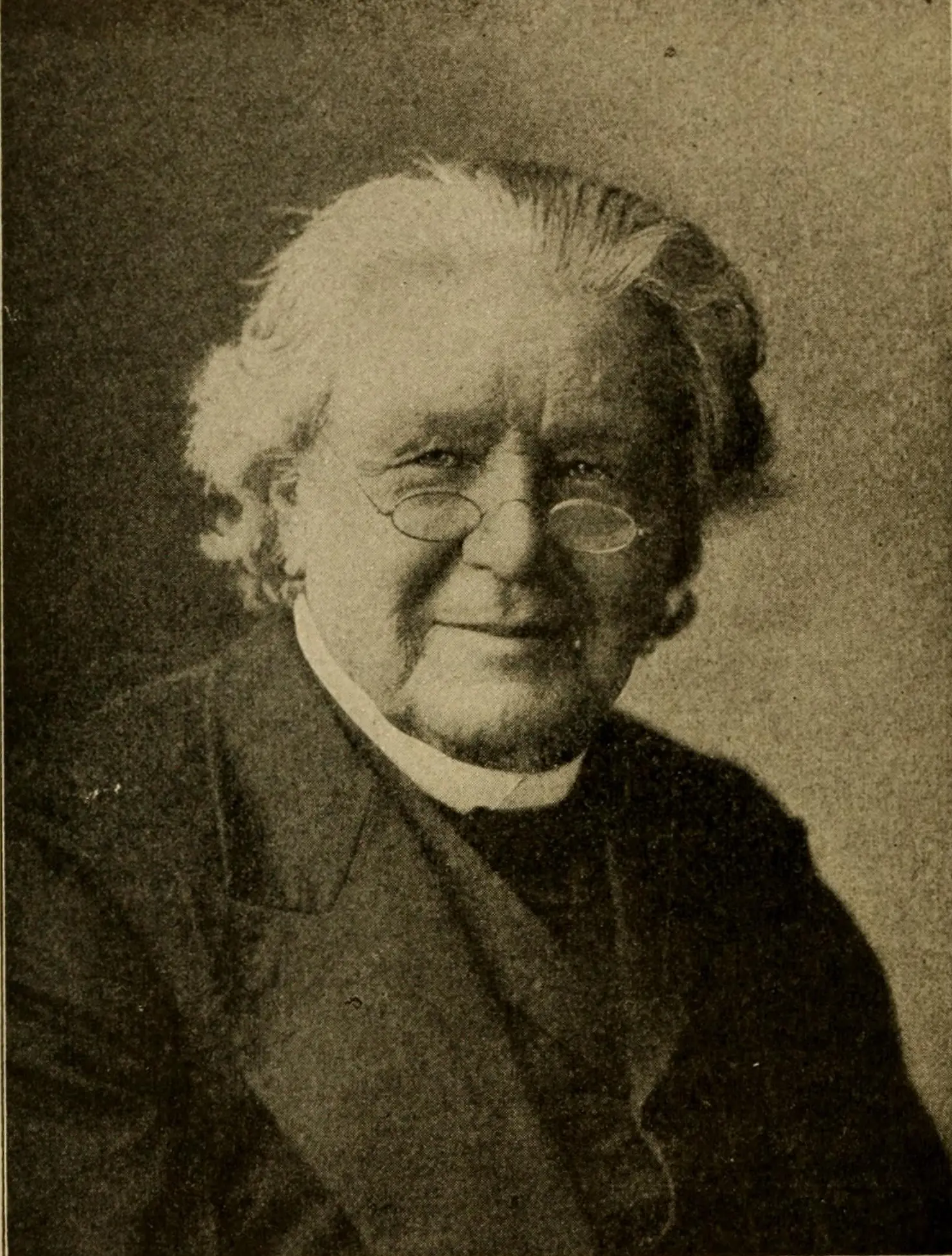
Lorenzo Lorraine Langstroth, the Congregationalist minister whose 1852 movable-frame hive design still forms the basis of most beehives built today, spent nearly his entire adult life fighting recurring depressive episodes so severe they repeatedly cost him his pulpit and his classroom — and it was beekeeping, not medicine or ministry, that gave him the steadiest relief he ever found. The “Father of American Beekeeping” title he’s remembered by tends to flatten a much harder, more human story: a man whose defining invention grew directly out of a lifelong illness he never actually beat.
Key Takeaways
- Langstroth (December 25, 1810 – October 6, 1895) trained as a Congregationalist minister at Yale, working as a pastor and school principal before beekeeping became his defining pursuit.
- He suffered from recurring, severe depression for essentially his entire adult life, with episodes serious enough to force him to repeatedly cancel sermons and suspend his teaching duties.
- His beekeeping interest began in 1838, growing out of a childhood fascination with insects, and became one of the few activities that reliably gave him relief from his depressive episodes.
- In 1852 he patented the movable-frame hive built around his discovery of “bee space” — the precise gap bees will neither fill with comb nor seal with propolis — and documented it in his 1853 book The Hive and the Honey-Bee, still considered a foundational beekeeping text.
- He never found a lasting cure for his depression, though he discovered late in life that travel — a trip to Mexico in his sixties, in particular — gave him unexpected periods of relief; he lived to 85, long enough to see his hive design and his book both firmly established as standards.
Table of Contents
- Langstroth’s Life, in Order
- A Ministry Repeatedly Interrupted by Illness
- How Bees Became His Relief
- The Invention That Outlasted the Man
- Frequently Asked Questions
Langstroth’s Life, in Order
| Year | Event |
|---|---|
| 1810 | Born in Philadelphia, Pennsylvania (December 25) |
| 1831 | Graduates Yale College with a theology degree |
| 1836 | Marries Anne Tucker; working as a pastor and school principal in Massachusetts |
| 1838 | Begins keeping bees after observing a honeycomb, reviving a childhood fascination with insects |
| 1852 | Patents the movable-frame hive, based on his discovery of “bee space” |
| 1853 | Publishes The Hive and the Honey-Bee, which sells hundreds of thousands of copies over his lifetime |
| 1870s (60s) | Travels to Mexico; finds unexpected, temporary relief from depression through the change of scenery |
| 1895 | Dies at age 85, having lived to see his hive design widely adopted as the beekeeping standard |
A Ministry Repeatedly Interrupted by Illness
Langstroth’s early career followed a conventional path for an educated 19th-century New Englander: a Yale theology degree in 1831, followed by work as a Congregationalist pastor and school principal in Massachusetts. What made his career anything but conventional was a recurring depressive illness — described in his own era, and in modern accounts of his life, as bouts of severe depression — that repeatedly disrupted both roles. He was forced to cancel sermons and suspend his teaching duties during his worst episodes, at a time and in a profession where that kind of interruption carried real professional and social cost.
There was no effective psychiatric treatment available to him in the mid-1800s, and nothing in the historical record suggests he ever found one that worked reliably. His illness wasn’t a footnote to an otherwise smooth career — it was a constant, recurring presence he had to work around for the rest of his life.
How Bees Became His Relief
Langstroth’s interest in bees traces back to childhood, but it became a serious, sustained pursuit in 1838, after he observed a honeycomb and found himself drawn back into an old fascination with insects. What started as a hobby functioned, in practice, as something closer to self-directed therapy: beekeeping was one of the few activities that reliably offered him relief during a period when formal treatment for depression barely existed.
That relationship between his illness and his work is difficult to separate from the invention itself. The obsessive, detail-oriented observation that beekeeping demands — tracking comb spacing, bee behavior, and hive design down to fractions of an inch — is exactly the kind of absorbing, structured focus his hobby-turned-vocation gave him, and it was that same close observation that eventually led him to identify bee space and build a hive design around it.
The Invention That Outlasted the Man
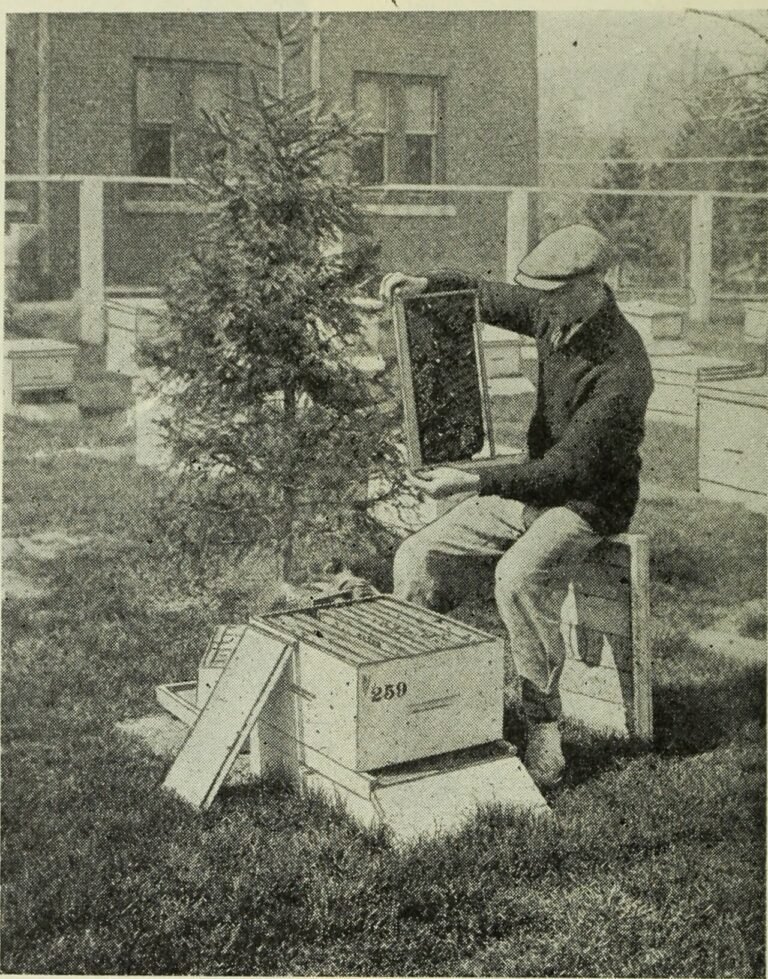
Langstroth’s central technical discovery was deceptively simple: honeybees consistently leave a gap of roughly six to nine millimeters between comb surfaces alone, neither building comb into it nor sealing it shut with propolis, while any wider or narrower gap gets filled in one way or another. By designing a hive with removable frames spaced at exactly that “bee space,” Langstroth created the first hive that let a beekeeper pull out individual frames to inspect, harvest, or manipulate a colony without destroying the comb in the process — a genuine turning point in the practical history of beekeeping, patented in 1852 and documented in full in his 1853 book, The Hive and the Honey-Bee.
He never became wealthy from the patent itself, and legal and financial struggles connected to defending it were an added source of stress on top of his existing health problems for much of his later life. What he did live to see was his design become the effective industry standard, and his book sell hundreds of thousands of copies — enough recognition, even without financial security, that by the time he died in 1895 at age 85, “Father of American Beekeeping” was already the description most commonly attached to his name.
Frequently Asked Questions
Did Langstroth invent the first movable-frame hive ever made?
No — earlier movable-frame and movable-comb hive designs existed elsewhere, including work by the Ukrainian beekeeper Petro Prokopovych decades earlier. Langstroth’s specific contribution was identifying “bee space” precisely and building a practical, patentable hive design around it, which is why his version became the lasting standard rather than earlier attempts.
What exactly is “bee space”?
It’s the specific gap width — roughly a quarter to three-eighths of an inch — that honeybees will leave open rather than filling with comb or sealing with propolis, a discovery that let Langstroth design frames a beekeeper could remove and replace without the bees gluing everything together.
Did Langstroth benefit financially from his invention?
Not substantially. Despite the design’s rapid and lasting adoption, patent disputes and the financial strain of protecting it added ongoing stress to a life already complicated by chronic depression.
Is the Langstroth hive still used today?
Yes. The vast majority of managed honeybee colonies in the United States, and a large share worldwide, are still kept in hives built directly on Langstroth’s original bee-space and removable-frame principles.