Since 2016, the USDA’s Agricultural Research Service has maintained a honeybee semen bank inside its National Animal Germplasm Program in Fort Collins, Colorado — the same national livestock gene bank that stores frozen genetic material from cattle, pigs, and other agricultural species — and Washington State University holds the only USDA permit to import live honeybee semen into the country for it. This is a real, currently operating conservation program, not a hypothetical proposal, and it exists because of a genuinely difficult biological problem: unlike a bull or a boar, a honeybee queen can’t simply be shipped internationally to preserve a valuable genetic line — the whole colony would need to travel, and countries don’t allow that. Frozen semen solved a problem that had no other practical answer.
This site has already covered instrumental insemination in queen breeding as a technique and how to create a hygienic bee-breeding program as a practical goal — this article is about the institutional infrastructure behind both: where the genetic diversity actually comes from, and who is responsible for keeping it available for the future.
Key Takeaways
- The USDA added honeybee semen to its National Animal Germplasm Program (a national livestock gene bank) in 2016, making honeybees one of the program’s covered species alongside cattle, swine, and other agricultural animals.
- Dr. Brandon Hopkins, first at Eastern Washington University and later at Washington State University, developed and refined the liquid-nitrogen freezing method that made viable long-term honeybee semen cryopreservation possible.
- WSU holds the only USDA permit to import live honeybee semen into the United States, a legal bottleneck that exists specifically to prevent accidentally importing pests or diseases along with genetic material.
- The program has cryopreserved germplasm from multiple honeybee subspecies collected from their native ranges across Europe and western Asia, preserving genetic diversity that would otherwise be difficult or impossible to bring into U.S. breeding programs live.
- The core purpose is disease and pest resilience: genetic diversity is the raw material breeding programs need to develop traits like Varroa resistance, and a frozen bank preserves options that might otherwise be lost if a wild source population were to decline or disappear.
The Problem This Program Actually Solves
Livestock genetic preservation for most agricultural species is comparatively simple: freeze semen, ship it, thaw it, inseminate a female of the target breed, and the genetic line is now available wherever the frozen sample was sent. Honeybees break this model because of basic quarantine and biosecurity law — live bees, and even in some cases genetic material, can carry pests and diseases (a concern this site covers in detail in the context of Varroa’s own 1987 arrival in the U.S.), so countries restrict live bee imports heavily. A queen bee with genuinely valuable traits sitting in a colony overseas has historically been very difficult to responsibly bring into an American breeding program — you can’t just ship the queen the way you might ship frozen cattle semen, and importing a live colony risks importing whatever pests or pathogens travel with it.
Frozen semen, imported and stored under controlled, disease-screened conditions, sidesteps that problem: it carries the genetic material without the live-colony biosecurity risk, provided the collection and import process is done correctly under the right permits.
How the Freezing Method Was Actually Developed
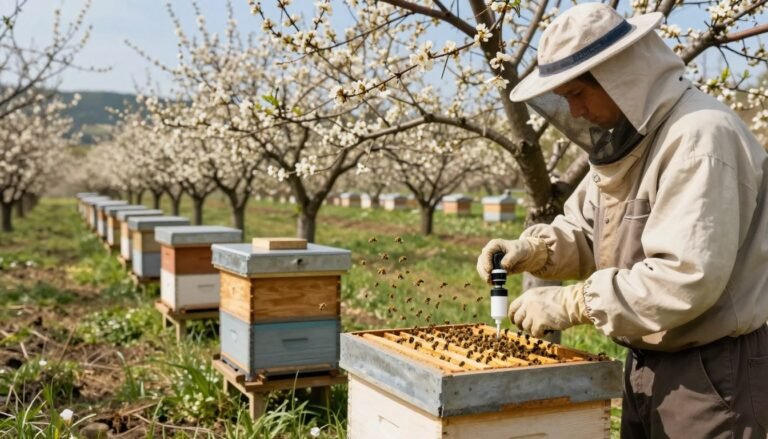
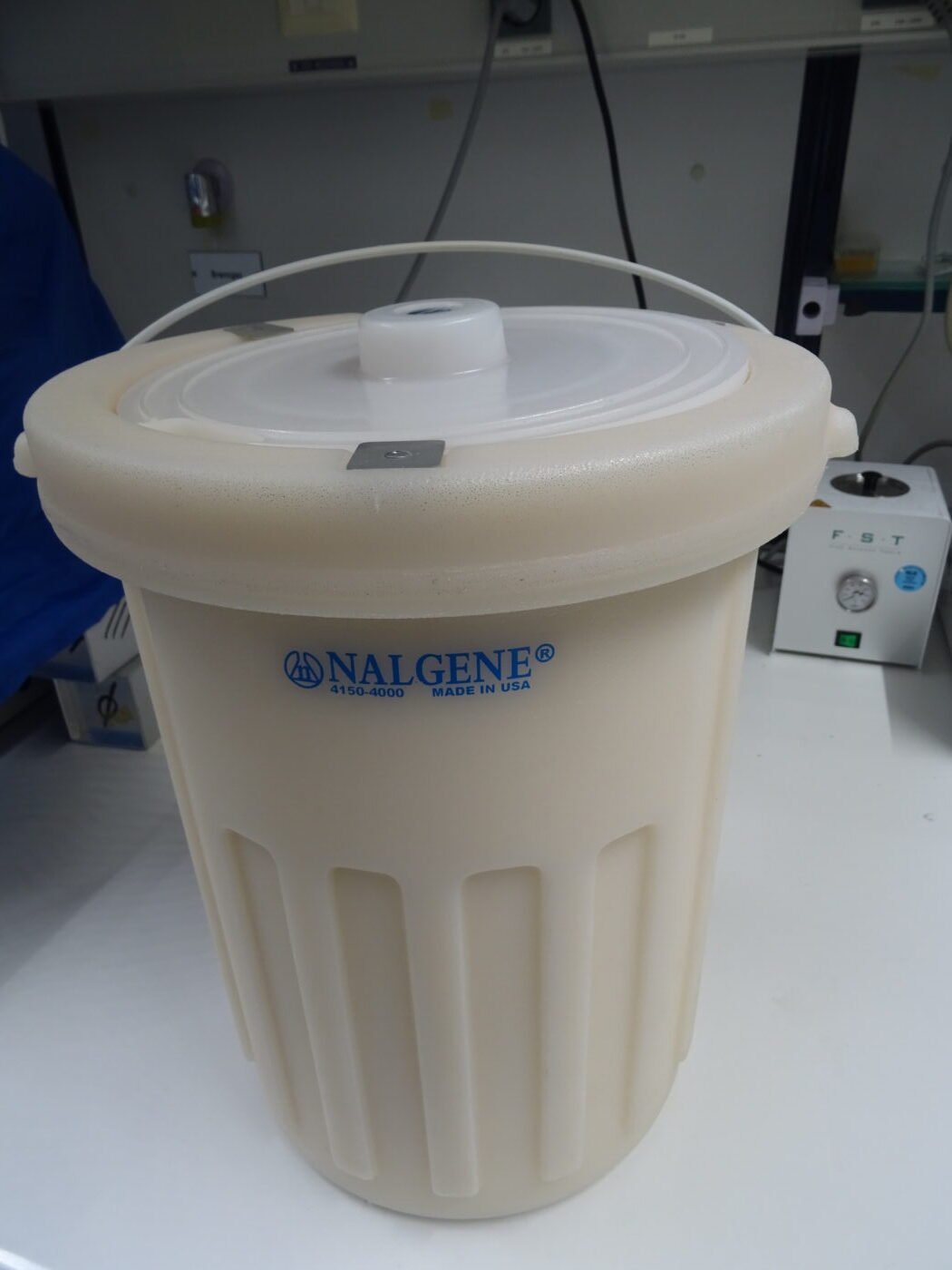
Dr. Brandon Hopkins began developing a viable honeybee semen freezing method during his master’s degree research at Eastern Washington University, refining it further during his doctoral work at Washington State University. Freezing insect reproductive material at the temperatures needed for genuinely long-term storage (liquid nitrogen, far colder than a standard freezer) without destroying its viability upon thawing is a real technical challenge, and getting it right was the necessary first step before any germplasm bank could exist at all — a working freeze-thaw protocol had to come before there was anything worth banking.
The Program Itself: What’s Actually in the Bank
| Detail | What it actually is |
|---|---|
| Housing institution | USDA Agricultural Research Service’s National Animal Germplasm Program, Fort Collins, Colorado |
| Year honeybee semen was added | 2016 |
| Key developer | Dr. Brandon Hopkins (Washington State University) |
| Import authority | WSU holds the only USDA permit to import live honeybee semen into the U.S. |
| Genetic sources collected | Multiple honeybee subspecies from native ranges across Europe and western Asia |
| Broader program context | Same national gene bank that stores frozen genetic material from cattle, swine, and other livestock species |
Describing the stakes of this kind of genetic conservation work, coverage of the program has framed it directly: pollinator conservation may in part depend on maintaining genetic diversity that a warming climate, ongoing pest pressure, and habitat loss could otherwise erode from the wild and managed population alike — the same underlying logic behind why a seed bank matters for crop diversity applies here to bee genetics.
Why Genetic Diversity Specifically Is the Point
The practical payoff of this kind of collection isn’t abstract conservation for its own sake — it’s raw material for breeding programs working on real, current problems, most notably Varroa resistance. Traits like hygienic behavior (bees detecting and removing mite-infested brood) and other resistance mechanisms are more likely to be found, and more effectively bred for, when breeding programs have access to a wide genetic base rather than a narrow one drawn from whatever commercial stock happens to already be available domestically. A frozen bank of diverse subspecies germplasm functions as an insurance policy against a narrowing gene pool — if a valuable trait exists in a population that later declines, gets displaced by hybridization, or becomes difficult to access due to changing import restrictions, the frozen material collected while access was possible remains available to breeders regardless.
How This Connects to Ordinary Beekeeping
Most beekeepers will never directly interact with the Fort Collins germplasm bank — its genetic material feeds into research and larger-scale breeding programs, not individual hobbyist queen orders. But the traits bred using that genetic diversity do eventually reach ordinary beekeepers, the same way traits developed through hygienic breeding programs and instrumental insemination eventually show up in commercially available queen stock advertised for mite resistance or gentleness. This program is genuinely upstream infrastructure for the entire industry’s genetic health, in the same category of institutional effort as the USDA Bee Research Laboratory covered elsewhere on this site — unglamorous, federally funded, and quietly foundational to breeding advances that eventually reach a backyard apiary.
Frequently Asked Questions
Can an individual beekeeper request semen from this germplasm bank?
This program is oriented toward research institutions and larger breeding programs rather than direct hobbyist access — its genetic material feeds into research and breeding efforts whose resulting traits eventually reach the broader market through commercial queen breeders, not through a direct-to-beekeeper request process.
Why can’t valuable queens just be imported live instead?
Live bee imports carry real biosecurity risk — pests and pathogens can travel with a live colony, which is a central reason countries restrict live honeybee imports heavily. Frozen, screened semen provides a way to bring in genetic diversity without that same live-import disease risk, provided it’s done under the correct USDA permit.
What is the National Animal Germplasm Program, generally?
It’s a USDA Agricultural Research Service program based in Fort Collins, Colorado, that maintains a frozen genetic material bank across multiple agricultural species, including cattle and swine — honeybees became one of its covered species starting in 2016.
Does this program directly help with Varroa resistance?
Indirectly but genuinely — the diverse genetic material it preserves is raw material for breeding programs working on traits like hygienic behavior and mite resistance, which is a different contribution than developing a treatment product, but a foundational one for the traits that eventually show up in resistant commercial stock.
It’s an unglamorous kind of conservation — a freezer in Colorado rather than a photogenic apiary — but it’s the reason genetic options collected from bee populations halfway across the world today are still available to American breeding programs a decade or two from now, even if the original source population is gone by then.