“Beekeeping apprenticeship” actually describes three genuinely different kinds of programs, and confusing them is the most common reason people end up disappointed after signing up for one. A university-affiliated Master Beekeeper “Apprentice” level is a structured, often low-cost coursework-and-mentor-network certification track, not full-season hands-on fieldwork. A nonprofit or farm-based apprenticeship is the opposite — genuine, extensive hands-on field time with an experienced beekeeper, sometimes free in exchange for labor, sometimes costing thousands of dollars in program fees. And an informal individual mentorship, arranged directly with a local beekeeper through a club or a personal connection, is a third path entirely, with no formal structure at all beyond whatever the two people involved agree to. None of these three paths is objectively better than the others – the right choice depends heavily on what someone is actually looking for, whether that’s a credential, a full season of guaranteed hands-on work, or simply a knowledgeable local contact willing to answer questions and show them the ropes informally.
This guide covers what actually distinguishes these three types of programs, real examples of each with genuine cost and time commitments, where to actually look for one, and what questions to ask before committing to a specific program.
Key Takeaways
- University Master Beekeeper “Apprentice” levels are structured certification coursework paired with a mentor network, not the same as a hands-on farm apprenticeship.
- Nonprofit and farm-based apprenticeships offer genuine extensive field experience, with costs ranging from free (in exchange for labor) to several thousand dollars for a full season.
- Informal individual mentorships, arranged directly through a local beekeeping club, are often the most accessible starting point and carry no formal cost at all.
- Program length varies enormously — from a single season to genuinely multi-year commitments at some farm-based programs.
- Asking specifically what hands-on time versus classroom or self-study time a program actually involves is the single most useful question before committing.
Table of Contents
- The Three Genuinely Different Types of “Apprenticeship”
- University Master Beekeeper Apprentice Levels
- Nonprofit and Farm-Based Apprenticeships
- Informal Individual Mentorship
- Where to Actually Look
- Questions to Ask Before Committing
- Frequently Asked Questions
The Three Genuinely Different Types of “Apprenticeship”
Making this distinction early saves real frustration down the line, since someone hoping for hands-on fieldwork who instead signs up for a coursework-based certification track – or the reverse – is likely to come away disappointed even though the program delivered exactly what it promised on its own terms.
Searching “beekeeping apprenticeship” turns up results spanning three structurally different kinds of programs, and it’s worth understanding the distinction before applying to any of them. A structured university or state Master Beekeeper program’s “apprentice” level is typically the entry rung of a multi-level certification track, built around coursework, exams, and connecting with a mentor rather than a season of guaranteed hands-on fieldwork. A nonprofit or working farm apprenticeship is genuine, extensive hands-on labor, often full-season or multi-year, sometimes exchanged for room, board, and teaching rather than a wage. An informal mentorship, arranged directly with an individual local beekeeper, has no structure beyond whatever the two people agree to, and is often the easiest of the three to actually find. It’s also the path least likely to show up in a general web search, precisely because it depends on personal connections and local community involvement rather than a formal program with its own website and application process.
University Master Beekeeper Apprentice Levels
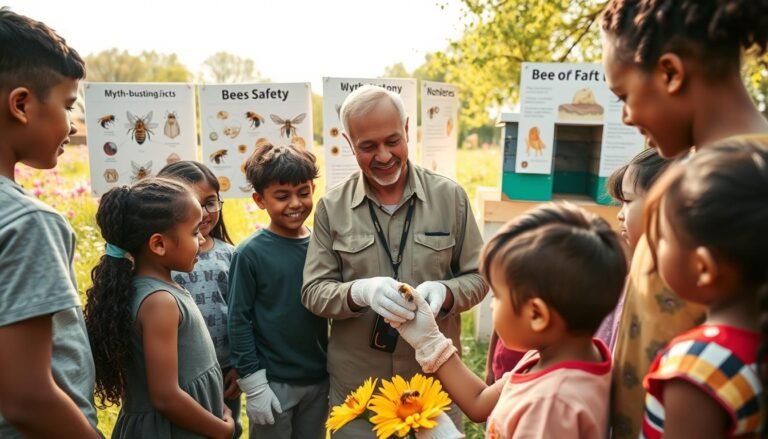
Several university extension and state Master Beekeeper programs use “Apprentice” as the formal name for their entry-level certification tier. The Oregon Master Beekeeper Program’s Apprentice level, for example, is designed to build solid foundational knowledge and support new beekeeper retention through coursework and mentor connections rather than a guaranteed hands-on placement. Similar apprentice-tier programs exist through the UF/IFAS Master Beekeeper Program, the Texas Master Beekeeper Program, and the California Master Beekeeper Program, generally combining online or in-person coursework with access to a mentor network a new beekeeper can draw on independently. These programs are often free or low-cost since they’re run through public university extension services, and they’re the right fit for someone who wants a credentialed, structured learning path rather than guaranteed full-time field labor. Someone who completes an Apprentice-level program and later wants more of the hands-on field experience these tracks generally don’t guarantee often goes on to pursue a farm-based apprenticeship as a genuinely complementary next step, rather than treating the two as competing options.
Nonprofit and Farm-Based Apprenticeships
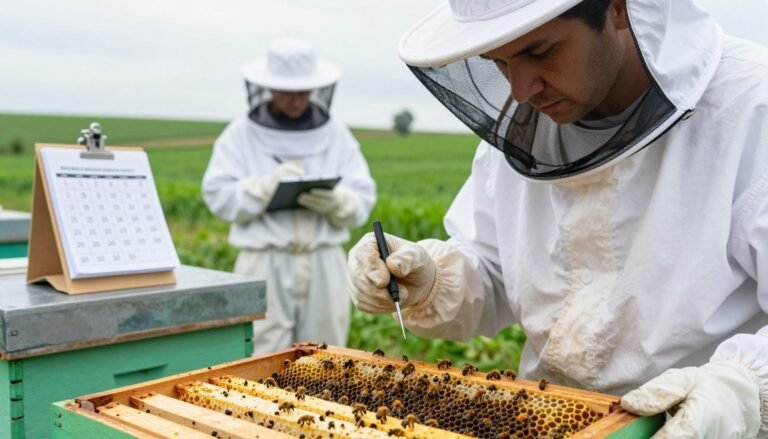
This is the category most people actually mean when they picture a beekeeping apprenticeship — real, sustained hands-on work under an experienced beekeeper. Costs and structures vary enormously between programs. The New York City Beekeepers Association’s urban apprenticeship runs a full season of field work and education for a program fee in the low thousands of dollars, with a non-refundable deposit due upon acceptance. Farm-based programs like Spikenard Farm’s apprenticeship, by contrast, structure the arrangement around hands-on labor — observing hives, conducting health checks, catching and hiving swarms, running mite counts — often exchanged for teaching and basic accommodations rather than a cash program fee, and can run for a full season or extend across multiple years. Given this range, checking a specific program’s actual cost structure, time commitment, and what’s provided in exchange before applying is essential, since two programs both called “apprenticeships” can look almost nothing alike. Application timelines also vary considerably between these programs – some, like structured urban beekeeping associations, run a formal annual application cycle with real deadlines and deposits, while others accept interested applicants on a rolling basis whenever they have capacity for a new apprentice.
Informal Individual Mentorship
Don’t underestimate this path simply because it lacks a formal name, a website, or an application form – some of the most experienced beekeepers actively prefer working one-on-one with a single motivated mentee over hosting a larger, more formal apprenticeship cohort.
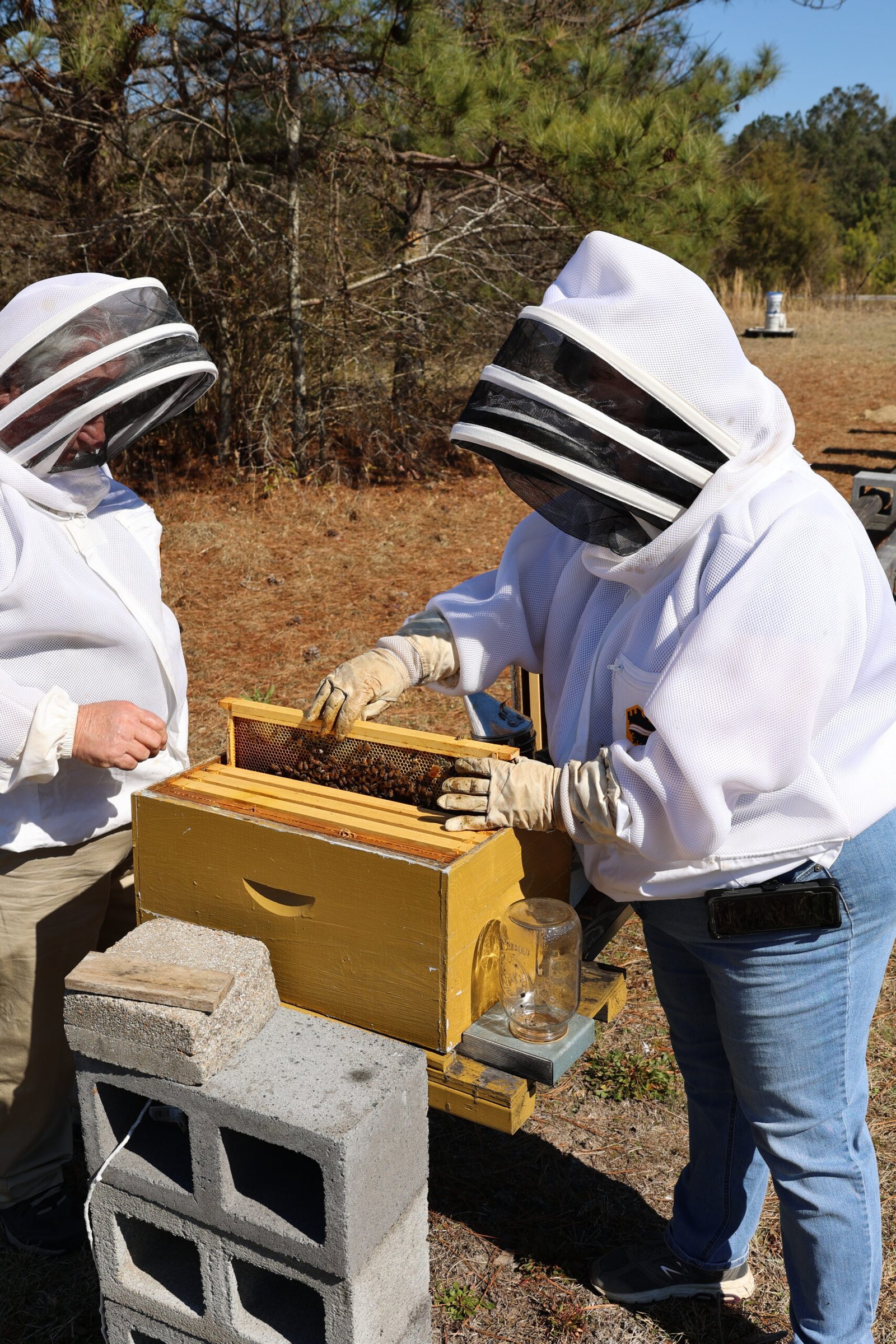
The least formal, and often most accessible, path is a direct arrangement with an individual local beekeeper willing to take on a mentee. These opportunities rarely have a formal application process — they’re typically found through a local beekeeping club’s newsletter or mailing list, a direct introduction at a club meeting, or occasionally a post on a community bulletin board or forum from an established beekeeper specifically looking for help managing their hives in exchange for teaching. This path has no standard cost, timeline, or curriculum, which is both its main advantage — genuine flexibility and personal attention — and its main limitation, since the quality and consistency of the experience depends entirely on the specific individual involved rather than any institutional structure. A new beekeeper pursuing this path should still treat it seriously despite its informality – showing up reliably, asking good questions, and genuinely helping with hive work rather than just observing tends to determine how much a mentor is willing to invest in return.
Where to Actually Look
Because these three program types are found through such different channels, a single generic search rarely surfaces good options across all of them simultaneously, which is exactly why it helps to search deliberately for each type separately rather than relying on one broad query.
For university Master Beekeeper programs, a state’s land-grant university extension office is the right starting point — most states with an active beekeeping community run some version of this tiered certification program. For farm-based and nonprofit apprenticeships, searching directly for beekeeping-focused farms, urban beekeeping associations in larger cities, and biodynamic or permaculture-oriented farms tends to surface the most established programs, since these organizations typically run their apprenticeship as a recurring, publicized annual program rather than a one-off posting. For informal mentorship, a local beekeeping club is genuinely the best resource — attending a few meetings in person and asking directly whether any members are looking for help is often more effective than any online search. State and regional beekeeping association websites frequently maintain their own member directories or classified sections specifically for this kind of informal mentorship connection, which is worth checking alongside simply attending a meeting in person.
Questions to Ask Before Committing
Treating this stage of the process seriously, rather than simply accepting the first available spot, is especially important for the higher-cost farm and nonprofit programs, where a poor fit can mean a genuinely significant loss of both time and money.
Before committing time or money to any of these three paths, ask specifically what proportion of the program is actual hands-on hive time versus classroom instruction, reading, or self-study, since the word “apprenticeship” alone doesn’t guarantee a specific ratio. Ask what happens if weather, colony health, or seasonal timing disrupts planned activities, since beekeeping is inherently weather- and season-dependent in a way a typical internship isn’t. And for any paid program, ask directly what’s included in the fee — equipment, protective gear, a personal hive to work versus only observing an established one — since these details vary widely and materially affect what a given program is actually worth for the price. It’s also reasonable to ask a program directly for references from past apprentices, the same way you might vet any other significant time or financial commitment, since a program’s own marketing materials naturally emphasize the positive and may not reflect what day-to-day participation actually looks like.
Frequently Asked Questions
The following questions cover the specific points that come up most often once the distinction between these three program types is clear.
What’s the difference between a Master Beekeeper “Apprentice” level and a farm apprenticeship?
A Master Beekeeper Apprentice level is a structured certification course paired with a mentor network; a farm apprenticeship is genuine, sustained hands-on field labor, often for a full season or longer.
Do beekeeping apprenticeships pay, or do they cost money?
Both models exist. Some farm-based programs charge a program fee in exchange for teaching and hands-on experience, while others exchange labor for room, board, and instruction with no cash fee involved.
How do I find an informal mentor rather than a formal program?
A local beekeeping club is the most reliable resource — attending meetings in person and asking directly tends to work better than an online search for this specific path.
How long does a typical beekeeping apprenticeship last?
It varies enormously, from a single season at some programs to genuinely multi-year commitments at others, so confirming the specific timeline before applying is essential.
What should I ask before committing to a specific program?
Ask what proportion of time is actual hands-on hive work versus classroom instruction, and for paid programs, exactly what’s included in the fee.
FAQ
What’s the difference between a Master Beekeeper “Apprentice” level and a farm apprenticeship?
A Master Beekeeper Apprentice level is structured certification coursework; a farm apprenticeship is genuine, sustained hands-on field labor.
Do beekeeping apprenticeships pay, or do they cost money?
Both models exist – some charge a program fee, while others exchange labor for room, board, and instruction with no cash fee.
How do I find an informal mentor rather than a formal program?
A local beekeeping club is the most reliable resource for this specific path.
How long does a typical beekeeping apprenticeship last?
It varies enormously, from a single season to genuinely multi-year commitments at some programs.
What should I ask before committing to a specific program?
Ask what proportion of time is hands-on hive work versus classroom instruction, and exactly what’s included in any program fee.