Standard homeowners insurance was never built with beehives in mind, and the coverage gap this creates catches a lot of beekeepers off guard. In most cases, the hive boxes and frames themselves are covered as personal property or “other structures,” the same category a shed or fence falls into — but the bees living inside them are frequently excluded, and liability for a sting-related injury only kicks in if you can be shown to have been negligent, which is a genuinely high bar to clear. The moment beekeeping becomes even a small side business, homeowners coverage typically stops applying almost entirely, and a single claim can also put your policy at risk of non-renewal down the road. None of this is meant to discourage anyone from keeping bees — it’s simply a coverage gap worth understanding clearly up front, the same way a new dog owner should understand their policy’s breed exclusions before bringing a puppy home.
This guide covers what a standard homeowners policy actually covers and excludes for backyard beekeeping, why insurers treat bees the way they treat high-risk dog breeds, the specific risks of keeping hives on someone else’s property, when you need dedicated beekeeping or farm liability insurance instead, and the practical steps to take before your first colony arrives.
Key Takeaways
- Hive equipment is typically covered under personal property or “other structures” coverage, but the bees themselves are often specifically excluded.
- Liability coverage for a sting injury generally requires proof of negligence — simply owning bees isn’t automatically covered or automatically excluded.
- Insurers can choose not to renew a policy after a bee-related claim, even if that claim was paid, because it establishes a known, ongoing risk.
- Selling honey or other hive products, even casually at a farmers market, typically moves you outside standard homeowners coverage into business/product liability territory.
- Keeping hives on rented or borrowed land requires its own liability agreement — the property owner’s insurance doesn’t automatically cover your bees.
Table of Contents
- What Homeowners Insurance Covers: Equipment vs. Bees
- Liability Coverage and the Negligence Standard
- The Non-Renewal Risk After a Claim
- Why Insurers Treat Bees Like High-Risk Dog Breeds
- When Beekeeping Crosses Into Business Insurance Territory
- Keeping Hives on Someone Else’s Property
- Dedicated Beekeeping and Farm Liability Insurance
- Practical Steps Before Your First Hive Arrives
- Frequently Asked Questions
What Homeowners Insurance Covers: Equipment vs. Bees
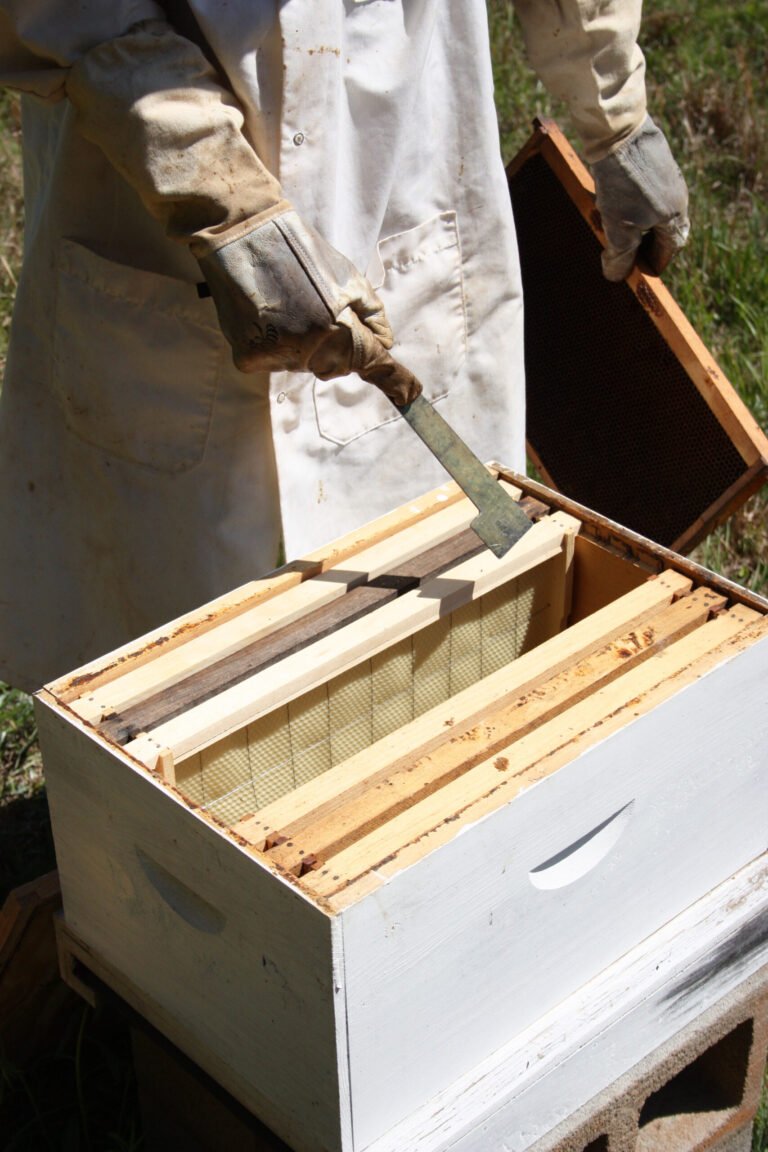
Most standard homeowners policies split coverage into a few distinct buckets, and beekeeping equipment tends to land in a more favorable one than the bees themselves. According to NYCM Insurance, hive boxes, frames, and related equipment are generally treated as personal property, and the physical structures themselves can fall under “Coverage B – Other Structures,” the same category that protects a detached shed, fence, or garage against fire, windstorm, or vandalism. The bees living inside those boxes are a different story: they’re frequently excluded from coverage outright, which means a colony lost to theft, vandalism, or a covered peril like fire may not be reimbursed the way the empty equipment would be. This split matters more than it might first appear, since the bees themselves — not the wooden boxes — represent the real financial investment in an established colony, particularly once you factor in a proven queen and a season or two of built-up comb.
Liability Coverage and the Negligence Standard
The more important question for most beekeepers isn’t property coverage — it’s liability. If a neighbor or guest is stung on your property, your homeowners liability coverage could apply, but generally only if you were negligent in some identifiable way, such as knowing about an aggressive hive and failing to address it, or placing hives in clear violation of a local setback ordinance. A stray sting that happens despite reasonable, compliant hive management is a much harder case for a claimant to win, and insurers know this. That said, “generally covered if not negligent” is not the same as “guaranteed covered,” and the exact language varies by insurer and by state. Reading your policy’s actual exclusions section, rather than relying on a verbal assurance from an agent, is the only reliable way to know where your specific policy draws that line.
The Non-Renewal Risk After a Claim
A detail many beekeepers don’t learn until it happens to them: even when an insurer pays out a bee-related claim, that claim creates a documented, known risk on your file. Insurance exists to cover losses that are sudden and accidental, not risks the insurer now knows are ongoing, and some companies respond to a paid bee-related claim by declining to renew the policy at the next cycle rather than raising the premium. This is worth weighing before filing a small claim for a minor loss — sometimes absorbing a small cost directly is the better move for keeping your policy intact long-term. This is the same calculation many homeowners already make with minor water-damage or storm claims, where filing on a small loss can cost more in future premium increases than it recovers.
Why Insurers Treat Bees Like High-Risk Dog Breeds
The underwriting logic behind bee exclusions closely mirrors how homeowners insurers treat certain dog breeds. Insurers commonly restrict coverage for breeds like Rottweilers, pit bulls, and German shepherds based on claims-payout history and bite-injury statistics, and dog-bite liability cost homeowners insurers hundreds of millions of dollars in settlements in a single recent year alone. Bees get a milder but structurally similar treatment: a known animal-related injury risk that insurers price, restrict, or exclude based on aggregate claims data rather than any individual hive’s actual temperament. Just as a mixed-breed dog with a restricted breed in its lineage can still trigger an exclusion, a well-managed, gentle hive doesn’t automatically escape the same underwriting caution applied to bees as a category. The practical takeaway is the same in both cases: don’t assume your own animal’s good behavior exempts you from a category-wide underwriting policy, and confirm the specifics in writing rather than assuming reasonableness will carry the day.
When Beekeeping Crosses Into Business Insurance Territory
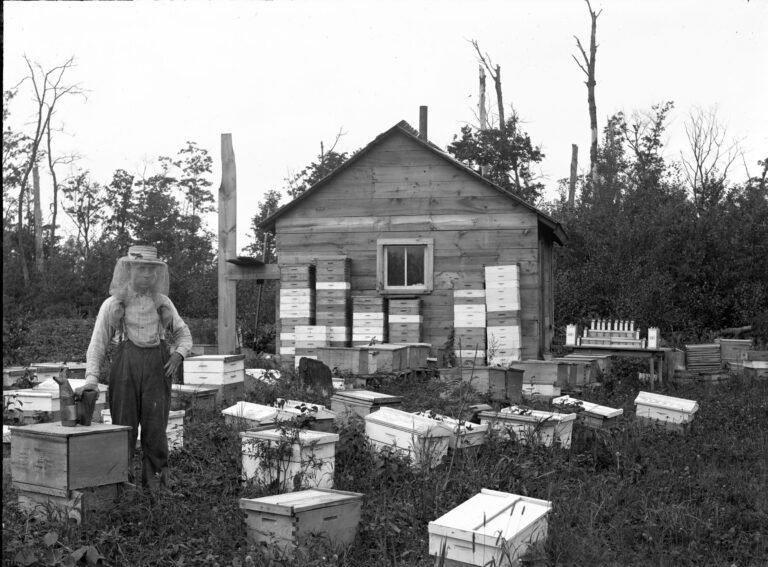
Selling honey, nucs, or other hive products — even occasionally, even just at a local farmers market — typically pushes your beekeeping activity outside what a standard homeowners policy is designed to cover. Peggy Garnes, president of the Ohio State Beekeepers Association, put it plainly in an Ohio Farm Bureau interview: “when a beekeeper is selling honey, that’s a whole other issue.” Commercial-scale operations selling to food manufacturers need food safety plans following Federal Good Manufacturing Practices and audit programs, while hobbyists selling at a market or festival still need product liability coverage in case something in their honey causes harm to a buyer. Many markets and craft fairs specifically require a certificate of liability insurance before you’re allowed to set up a table at all. For the tax side of scaling up from hobby to business, our guide to whether beekeeping is tax deductible covers the hobby-versus-business distinction the IRS applies, which runs alongside — but separately from — the insurance question.
Keeping Hives on Someone Else’s Property
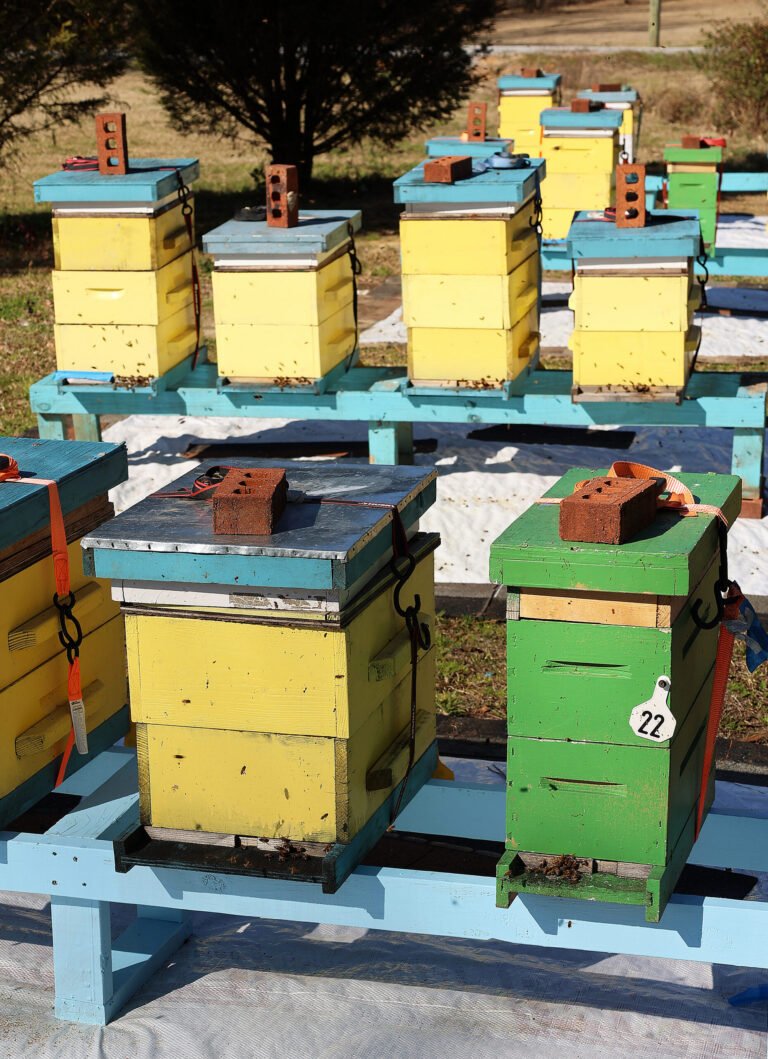
It’s increasingly common for beekeepers to place hives on land they don’t own — a friend’s rural acreage, a farm offering pollination space, or a community garden plot. This arrangement introduces a liability question that doesn’t resolve itself automatically: if the hive is stolen, a worker on the property gets stung, or pesticide drift from a neighboring field wipes out the colony, whose insurance is responsible? According to Nationwide farm product manager Derek Bredlow, speaking in the same Ohio Farm Bureau piece, anyone renting or borrowing land for beehives needs “the appropriate liability contract in place that properly transfers liability and responsibility from the owner to the person who is renting.” Without that agreement in writing, both parties can end up in a dispute over which policy, if any, actually applies.
Dedicated Beekeeping and Farm Liability Insurance
For beekeepers who want real protection beyond what a homeowners policy offers, dedicated beekeeping insurance exists specifically to close this gap. This kind of coverage typically extends to liability for more serious injuries, physical damage to hives themselves, and in some programs even the value of the bees lost to specific covered events — none of which a standard homeowners policy reliably covers. It can also extend to product liability once you start selling honey or other hive products commercially. The American Beekeeping Federation maintains a dedicated beekeeper insurance program for members, and regional farm bureaus and agricultural insurers like Nationwide offer farm-liability riders that can be added to an existing policy rather than requiring an entirely separate one. Talking to an agent who has specifically handled agricultural or apiary risk, rather than a generalist, tends to produce better-fitted coverage than working through a standard homeowners renewal conversation.
Practical Steps Before Your First Hive Arrives
Before placing your first hive, call your current homeowners insurance agent and describe your plans specifically — how many hives, hobby or eventual sales, on your property or elsewhere — rather than assuming a general mention of “having some bees” is sufficient disclosure. Confirm in writing what is and isn’t covered, ask directly about the non-renewal risk after a claim, and get a clear answer on whether an umbrella or excess liability policy would extend meaningfully better protection than your base homeowners liability limit. If you’re placing hives on land you don’t own, put a liability-transfer agreement in writing before the bees arrive, not after an incident forces the conversation. And if you’re already registered with your state’s apiary program, keep that registration paperwork on hand — insurers sometimes ask for it as part of underwriting a farm or agricultural liability add-on.
Frequently Asked Questions
Will my homeowners insurance cover a stolen beehive?
The equipment itself may be covered under personal property or other-structures coverage, but the bees inside are frequently excluded, so check your specific policy language.
Am I liable if my neighbor gets stung by my bees?
Generally only if you can be shown to have been negligent, such as ignoring a known aggressive hive or violating a local setback rule — a simple, compliant hive causing an isolated sting is a much harder liability case.
Can my homeowners insurance drop me after a bee-related claim?
Yes. Insurers can choose not to renew a policy after a paid claim establishes a known, ongoing risk, even if the original claim itself was small.
Do I need business insurance if I only sell honey occasionally?
Likely yes for product liability purposes — many farmers markets and craft fairs require a certificate of liability insurance before you can sell, regardless of how small the operation is.
What’s the difference between homeowners coverage and dedicated beekeeping insurance?
Dedicated beekeeping insurance typically covers more extensive injury liability, hive damage, and sometimes the bees themselves — protection standard homeowners policies don’t reliably extend to bee-related losses.
FAQ
Will my homeowners insurance cover a stolen beehive?
The equipment may be covered under personal property or other-structures coverage, but the bees inside are frequently excluded.
Am I liable if my neighbor gets stung by my bees?
Generally only if you can be shown to have been negligent, such as ignoring a known aggressive hive or violating a setback rule.
Can my homeowners insurance drop me after a bee-related claim?
Yes. Insurers can decline to renew a policy after a paid claim establishes a known, ongoing risk.
Do I need business insurance if I only sell honey occasionally?
Likely yes for product liability — many farmers markets and craft fairs require a certificate of liability insurance regardless of operation size.
What’s the difference between homeowners coverage and dedicated beekeeping insurance?
Dedicated beekeeping insurance typically covers more extensive injury liability, hive damage, and sometimes the bees themselves.