Published September 3, 2026
Every single spring, thousands upon thousands of American beekeepers restart their own lost colonies with nothing more than a screened box of loose bees and a caged queen, shipped or trucked in from breeders hundreds of miles away. This entire practice — buying “package bees” rather than a complete, already-established colony — exists specifically because of one dateable, genuinely checkable regulatory change: a 1918 US Post Office decision to allow live bees to travel via parcel post, without which the package bee industry as we know it simply couldn’t have developed at the scale it eventually reached.
Table of Contents
- What Is a Package of Bees?
- The Practical Problem Package Bees Solved
- The 1918 Parcel Post Regulation
- How Georgia Became a Package Bee Hub
- Standardizing Package Weight and Queen Inclusion
- A Genuine Disease-Transmission Benefit
- Tied to the Growth of Commercial Queen Rearing
- The Economics Behind Choosing Package Bees
- From Postal Shipment to Modern Truck Delivery
- Package Bees vs. Nucs vs. Full Colonies
- Common Misconceptions
- Frequently Asked Questions
What Is a Package of Bees?
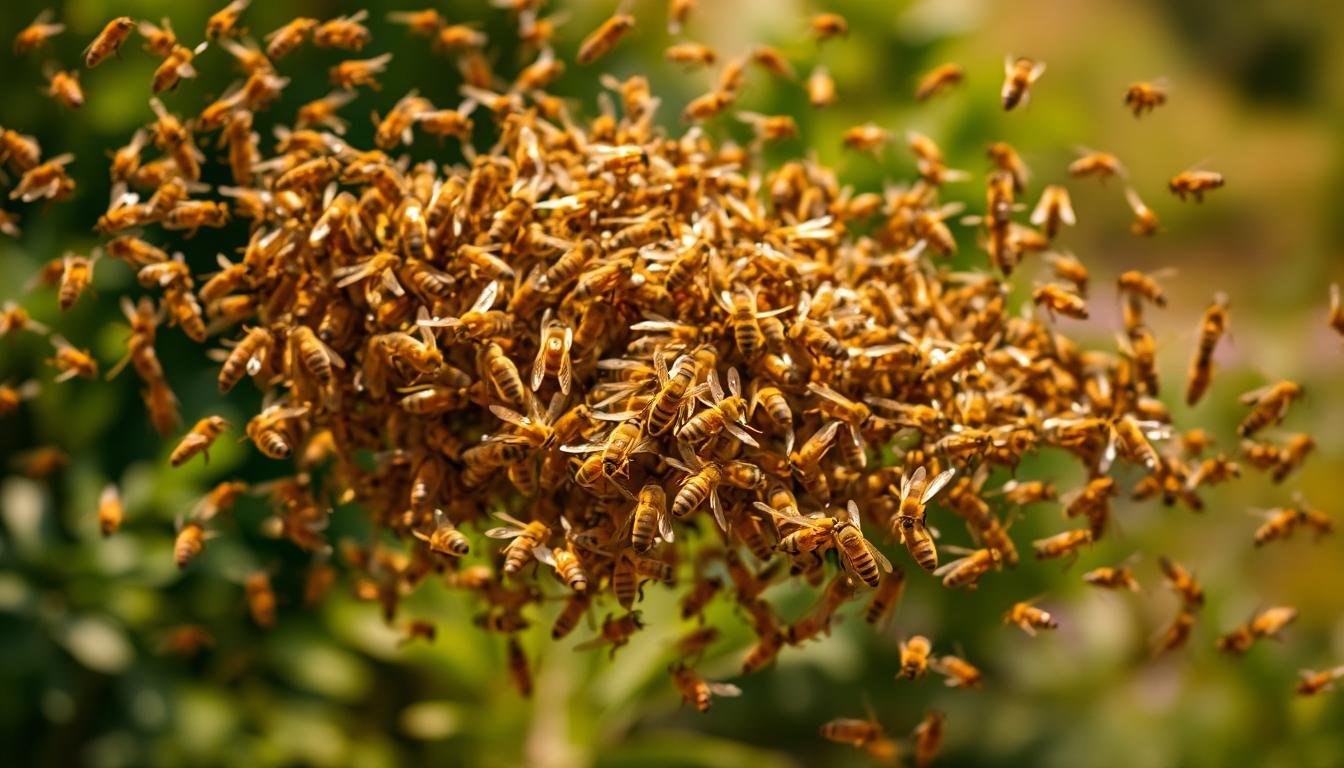
A package of bees is a screened box containing a specific weight of loose worker bees, typically around three pounds, along with a separately caged queen and a feeding can, sold as a way to start or restart a colony without transferring existing comb or full hive equipment. This basic concept — separating bees from comb entirely for shipment — is the genuinely foundational idea behind the entire package bee industry.
The Practical Problem Package Bees Solved
Before package bees existed as a commercial product, starting or replacing a colony generally meant either capturing a swarm, purchasing an established hive with comb and equipment, or waiting for a local split, all of which were considerably less flexible and less scalable than simply ordering a specific quantity of bees and a queen for a given date. Package bees solved this real logistical problem directly, giving beekeepers, particularly those recovering from winter colony losses, a reliable, plannable way to restart operations each spring.
The 1918 Parcel Post Regulation
The genuinely pivotal moment enabling the modern package bee industry came in 1918, when the US Post Office changed its regulations to permit live bees to be shipped via parcel post. Before this regulatory change, there was no reliable, standardized, nationally available shipping method for live bees at the scale a commercial package bee industry would require, making this a real, checkable historical turning point rather than a gradual, undated evolution.
How Georgia Became a Package Bee Hub
Following the 1918 regulatory change, the American South, and Georgia in particular, developed into a genuinely significant hub for commercial package bee and queen production, taking advantage of the region’s warmer climate and correspondingly longer breeding season compared to northern states. This regional concentration reflects real, practical climate-driven business logic: producers in warmer regions could reliably supply bees and queens earlier in the season than northern beekeepers could produce them locally, creating a genuine north-south commercial relationship that continues in some form today.
Standardizing Package Weight and Queen Inclusion
As the package bee industry matured, a reasonably standard product emerged: packages sold by weight, most commonly around three pounds of bees, generally including a separately caged mated queen rather than leaving buyers to source a queen independently. This standardization made ordering and comparing packages across different producers considerably more straightforward for beekeepers, turning what could have remained an inconsistent, producer-by-producer product into something closer to a predictable, comparable commercial item.
A Genuine Disease-Transmission Benefit
Beyond simple convenience, package bees offered a real, practical disease-transmission advantage over shipping full colonies with comb: since packages contain no comb at all, they carry considerably lower risk of transmitting comb-associated diseases like American foulbrood between regions compared to shipping complete hive equipment. This disease-reduction benefit was a genuinely significant factor in package bees becoming the preferred method for long-distance colony replacement rather than shipping full established hives.
Tied to the Growth of Commercial Queen Rearing
The package bee industry’s growth was closely tied to, and dependent on, the parallel development of commercial queen rearing operations capable of reliably producing large numbers of mated queens on a predictable schedule. Without a reliable commercial queen supply, a package bee industry supplying loose worker bees alone wouldn’t have been nearly as useful, making these two industries genuinely interdependent developments rather than separate, unrelated historical threads.
The Economics Behind Choosing Package Bees
Package bees generally offer a lower upfront cost than a full established colony while still providing considerably more scheduling flexibility and lower disease risk than sourcing an existing hive, a genuine economic tradeoff that has helped sustain steady commercial demand for packages across many decades since the industry’s founding. This cost-and-flexibility balance remains a real, practical reason many beekeepers, both hobbyist and commercial, continue choosing packages over alternative colony-starting methods even as other options have also become more widely available over time.
From Postal Shipment to Modern Truck Delivery
While the 1918 regulation specifically enabled postal shipment, modern package bee delivery today more commonly relies on truck transport for bulk commercial orders, with the mail-based shipping method covered in more practical detail in the shipping bees by mail content already on this site remaining available and used for smaller individual orders. This shift toward truck delivery for bulk orders reflects the same broader transportation infrastructure changes already covered in this site’s migratory beekeeping history.
Package Bees vs. Nucs vs. Full Colonies
| Feature | Package Bees | Nuc | Full Established Colony |
|---|---|---|---|
| Includes comb | No | Yes, partial | Yes, full |
| Disease transmission risk | Lower | Moderate | Higher |
| Shipping practicality | High | Moderate | Low, typically local only |
| Time to full productivity | Longer | Moderate | Immediate |
Common Misconceptions
The most common misconception is assuming package bees have always been shipped and sold the way they are today, when the entire commercial industry genuinely depends on a specific, dateable 1918 regulatory change rather than existing as a beekeeping practice since time immemorial. A second common misconception is assuming package bees and nucs are essentially interchangeable products, when the presence or absence of comb represents a real, meaningful practical difference in disease risk, cost, and how quickly a new colony becomes fully productive.
Were bees ever shipped commercially before 1918, just through a different method?
Limited, more localized shipment methods existed before this regulatory change, but nothing approaching the standardized, nationally scalable system that parcel post permission enabled, making 1918 a genuine turning point for the industry’s reach rather than the very first instance of any bee shipment whatsoever.
How did bees actually survive being shipped by mail without food or comb for an extended trip?
Packages include a feeding can containing sugar syrup specifically to sustain the bees during transit, a genuinely essential design feature of the package concept from early on, since the bees have no access to stored honey or comb resources the way a full colony shipment would provide.
Did postal workers or postal regulations require any special handling procedures for live bee shipments?
Yes, live animal shipments including bees have generally been subject to specific handling and labeling requirements distinct from standard parcel post items, reflecting genuine practical necessity given the live cargo involved, though the specific procedural details have evolved considerably since the original 1918 regulatory change.
Did the package bee industry face any early skepticism or resistance from beekeepers used to other methods?
As with many significant changes in established practice, some initial skepticism toward a genuinely new commercial product would be a reasonably expected pattern, though the industry’s sustained, decades-long growth following its founding suggests it successfully demonstrated real practical value to enough beekeepers to become an established, trusted method over time.
Are there other southern states besides Georgia that became significant package bee producers?
Yes, other southern states with similarly favorable climate conditions also developed meaningful commercial queen and package bee production, meaning the broader regional pattern extends beyond Georgia specifically even though Georgia holds particularly strong historical and continued significance within the industry.
Roughly when did truck delivery start becoming more common than mail shipment for bulk package orders?
This shift developed gradually as truck transport infrastructure improved through the 20th century, following a broadly similar timeline to the truck-transport expansion already covered in this site’s migratory beekeeping history content, rather than happening at one single sharply defined moment.
Do modern package bee producers still use essentially the same basic package design from the early industry?
The core concept – a screened box, loose worker bees by weight, a caged queen, and a feeding can – has remained remarkably consistent since the industry’s early development, even as specific materials, packaging details, and logistics have naturally modernized considerably since then.
Did World War I have any direct connection to why this regulatory change happened specifically in 1918?
This article can’t confirm a specific documented causal connection between wartime conditions and the postal regulation change with full confidence, so the 1918 timing is presented here as a real, dateable regulatory milestone rather than one this article attributes to a specific wartime cause without solid supporting evidence.
Do package bee producers guarantee the queen will survive shipping and successfully establish in the new colony?
Producers generally offer some form of guarantee or replacement policy for queen survival during shipment specifically, reflecting genuine industry-standard practice around this real risk, though acceptance and establishment once installed in a new hive depends on additional factors beyond the shipping process itself.
Could a similar regulatory change happen again today that meaningfully reshapes how bees are shipped or sold?
It’s genuinely plausible that future regulatory, logistical, or technological changes could reshape aspects of bee shipping again, much as the shift from postal shipment toward bulk truck delivery already did within the industry’s own history, though predicting the specific nature of any future change would be pure speculation rather than something this article can state with confidence.
Is a package bee colony as strong or productive in its first year as a colony started from an established nuc?
A package generally needs more time to build up comb, brood, and overall colony strength from essentially nothing compared to a nuc, which already includes some drawn comb and an actively laying queen, meaning a package-started colony typically develops somewhat more gradually through its first season.
Would the modern commercial beekeeping industry look meaningfully different if package bees had never become a widely available product?
Almost certainly yes; without a reliable, scalable way to purchase loose bees and a queen for a specific delivery date, colony replacement after winter losses would likely rely far more heavily on slower, more localized methods, probably constraining both the pace of commercial beekeeping recovery each spring and the broader north-south regional relationships that developed around the package bee trade.
Do international package bee industries exist outside the United States following a similar historical pattern?
Similar package bee production and shipment industries have developed in various other countries with established commercial beekeeping sectors, though the specific regulatory history driving each country’s industry naturally reflects that country’s own postal and agricultural regulations rather than directly mirroring the American 1918 milestone.
Frequently Asked Questions
Why did it take until 1918 for bees to be shippable by mail?
Postal regulations needed to specifically accommodate live animal shipment in a way that hadn’t previously been standardized for bees, and this 1918 change represents the specific point at which the US Post Office formally permitted this kind of shipment via parcel post.
Is Georgia still a major package bee production region today?
The American South, including Georgia, remains a genuinely significant region for commercial queen and package bee production, continuing a pattern of regional specialization that developed following the original 1918 regulatory change.
Do package bees still get shipped through the mail today, or is that no longer done?
Smaller individual orders can still be shipped via mail carriers, while larger commercial and bulk orders more commonly move by truck, reflecting a genuine shift in typical delivery method rather than the postal option disappearing entirely.
Are package bees considered a reliable way to start a new colony compared to other methods?
Yes, they remain a widely used and generally reliable method, particularly valued for the scheduling flexibility and lower disease-transmission risk they offer compared to shipping full comb-based colonies over long distances.