Reviewed by Elena P. · How we review
Termites are soft-bodied social insects that live in colonies and eat cellulose, mainly wood. Most US damage comes from subterranean termites, which nest in soil and reach houses through mud tubes. Workers are pale, wingless and seldom seen. Swarmers are winged and dark, with straight antennae, a thick waist and four wings of equal length. Signs include mud tubes, piles of shed wings, small six-sided pellets (drywood termites) and wood hollowed along the grain. Termites indoors call for a licensed professional, but extension entomologists say they work slowly, so there is time to compare companies.
This guide is built from university extension and government sources, plus our own count of iNaturalist records. It is educational information, not pest-control advice for a specific property. Termiticides are regulated pesticides: follow the label and your state’s rules.
Key Takeaways
- Termites are now classified as social cockroaches in the order Blattodea; University of Florida profiles list them there.
- This guide covers six US groups: eastern and western subterranean, Formosan, Asian subterranean, drywood and dampwood termites.
- Swarmers have straight antennae, no pinched waist and four equal wings. Flying ants have elbowed antennae, a narrow waist and longer front wings.
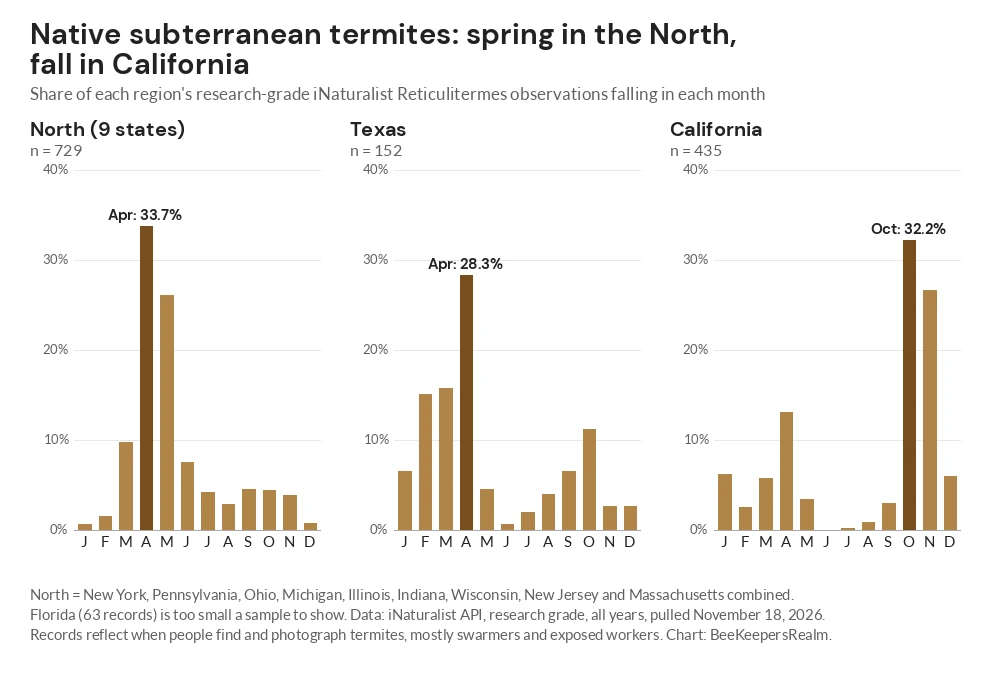
- In the 6,317 research-grade iNaturalist records we charted, native subterranean termites peak in April, Formosan termites in May, and drywood and dampwood termites in September.
- Winged termites emerging indoors almost always mean an infestation (University of Kentucky). The swarmers themselves cannot damage wood and live about a day.
- Soil treatments, baits and drywood fumigation are licensed work. Compare inspections and warranties before you sign.
Table of Contents
- What Are Termites?
- What Do Termites Look Like?
- Types of Termites in the US
- Termite Swarmers vs Flying Ants
- When Do Termites Swarm?
- Signs of Termites in a House
- How Much Damage Do Termites Do?
- What to Do If You Find Termites
- Termite Inspections When Buying a Home
- How to Prevent Termites
- Termites, Termiticides and Bees
- Frequently Asked Questions
- The Bottom Line
What Are Termites?
Termites are eusocial insects: they live in organized colonies with a division of labor, like ants, honey bees and social wasps. They were long given an order of their own, Isoptera. In 2007, a molecular study by Daegan Inward, George Beccaloni and Paul Eggleton of the Natural History Museum in London concluded that termites are social cockroaches and no longer merit a separate order. The University of Florida’s current termite profiles open with the order Blattodea (cockroaches).
Termites feed on cellulose, the main structural material in wood and plants. Purdue Extension sums up their needs simply: termites need wood for food and soil for moisture. That is why most structural infestations start where wood meets damp soil.
Workers, soldiers and swarmers
A colony has three main castes, per UF/IFAS and the University of California Statewide IPM Program (UC IPM):
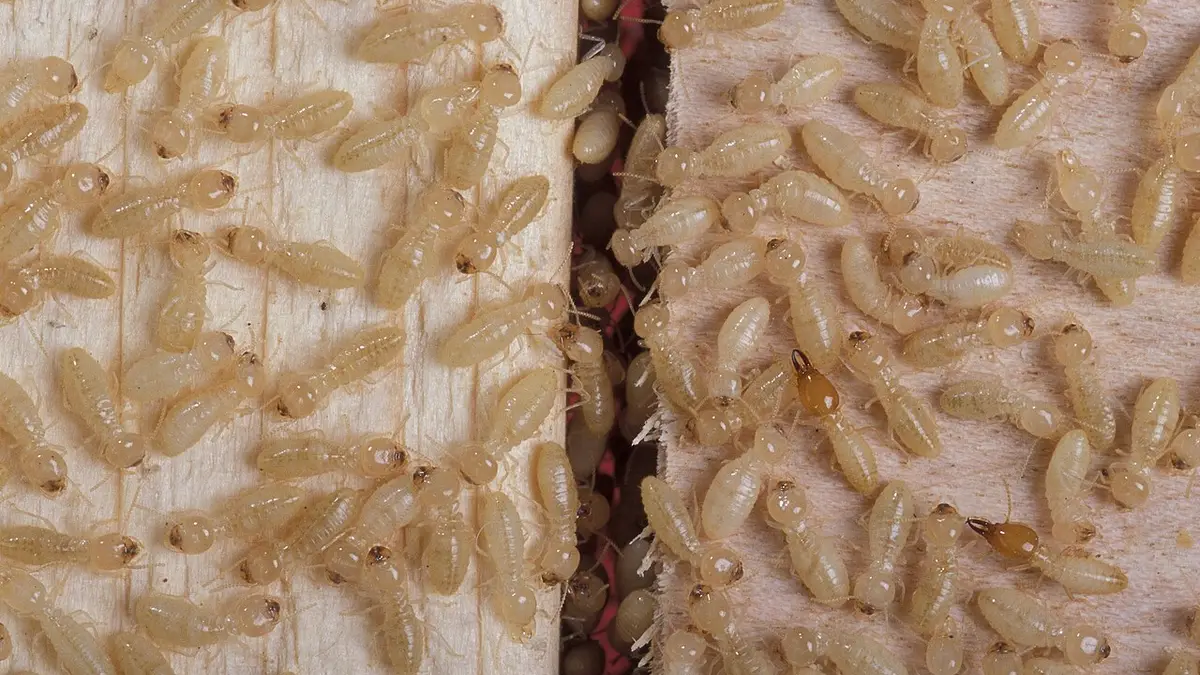
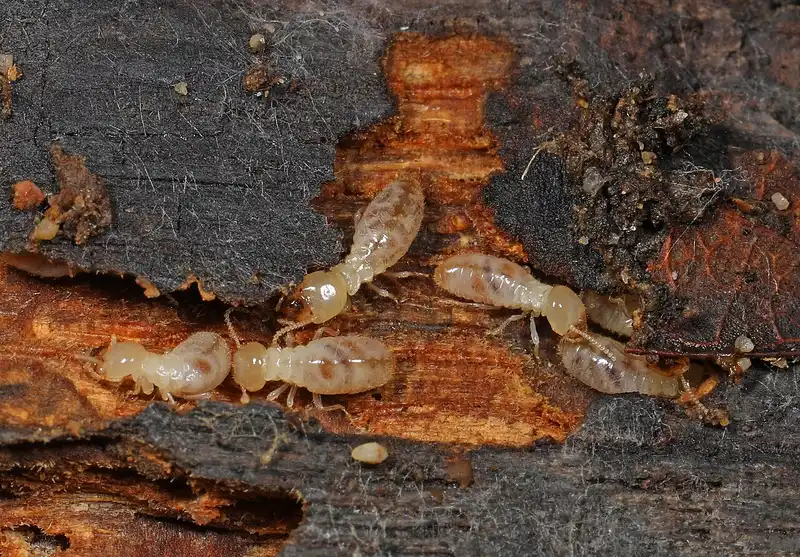
- Workers are wingless, soft-bodied and pale; UC IPM calls them light caramel and Purdue calls them white. They are the most numerous members, the ones most often seen in infested wood, and the ones that eat it.
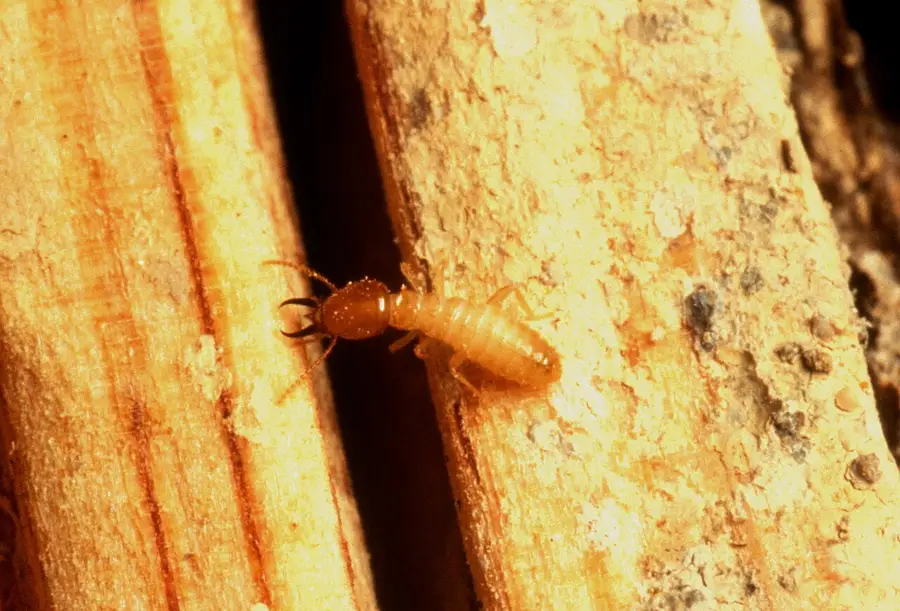
- Soldiers have larger amber or brownish heads and bigger mandibles than workers. They guard the colony against predators.
- Reproductives include the king, the queen and the winged swarmers, also called alates. Swarmers leave to mate, shed their wings and try to start new colonies. UC IPM says queens and kings can live a decade or more, while workers live one to several years.
Colonies get large. UF/IFAS says a single eastern subterranean termite colony may hold 100,000 to 1,000,000 termites foraging up to 150 feet, and Formosan colonies can number several million.
In this UGA Extension video, published in May 2020, University of Georgia entomologist Dan Suiter talks about dealing with termites. Its chapters cover what subterranean termites are, the termite belt, worker termites and mud tubes, then termite control and when to contact your county Extension office. This summary is based on the video’s description and chapter list.
What Do Termites Look Like?
It depends on the caste. Most people only see swarmers, or workers exposed in broken wood.
| Caste | Size and color | What to notice | Source |
|---|---|---|---|
| Worker | Small, wingless, white to light caramel | Soft body, no waist; the caste most often seen in damaged wood | UC IPM, Purdue |
| Soldier | Pale body, larger amber to brownish head | Long mandibles; Formosan soldiers have a brownish-orange, teardrop-shaped head | UC IPM, UF/IFAS |
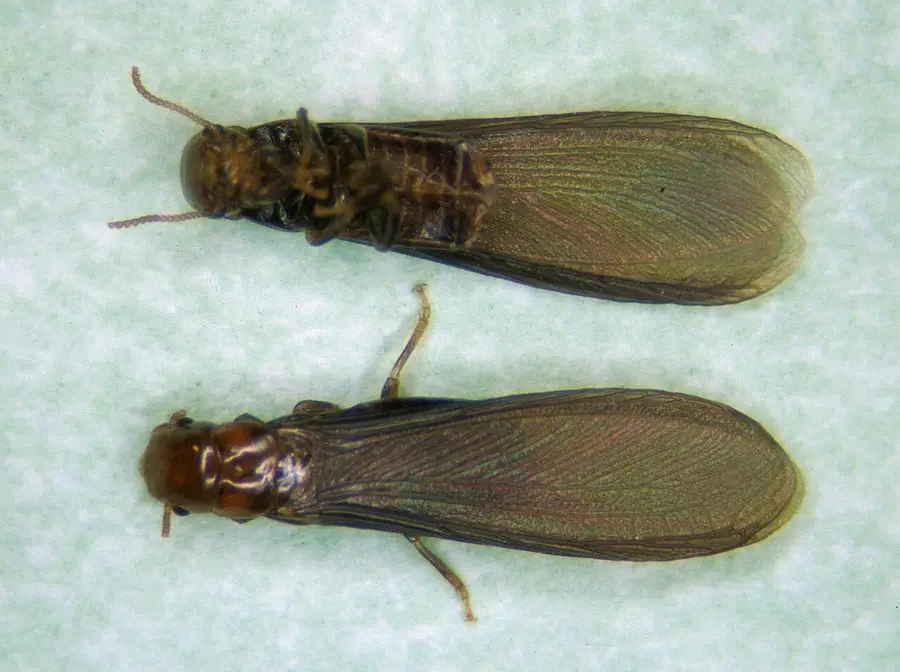
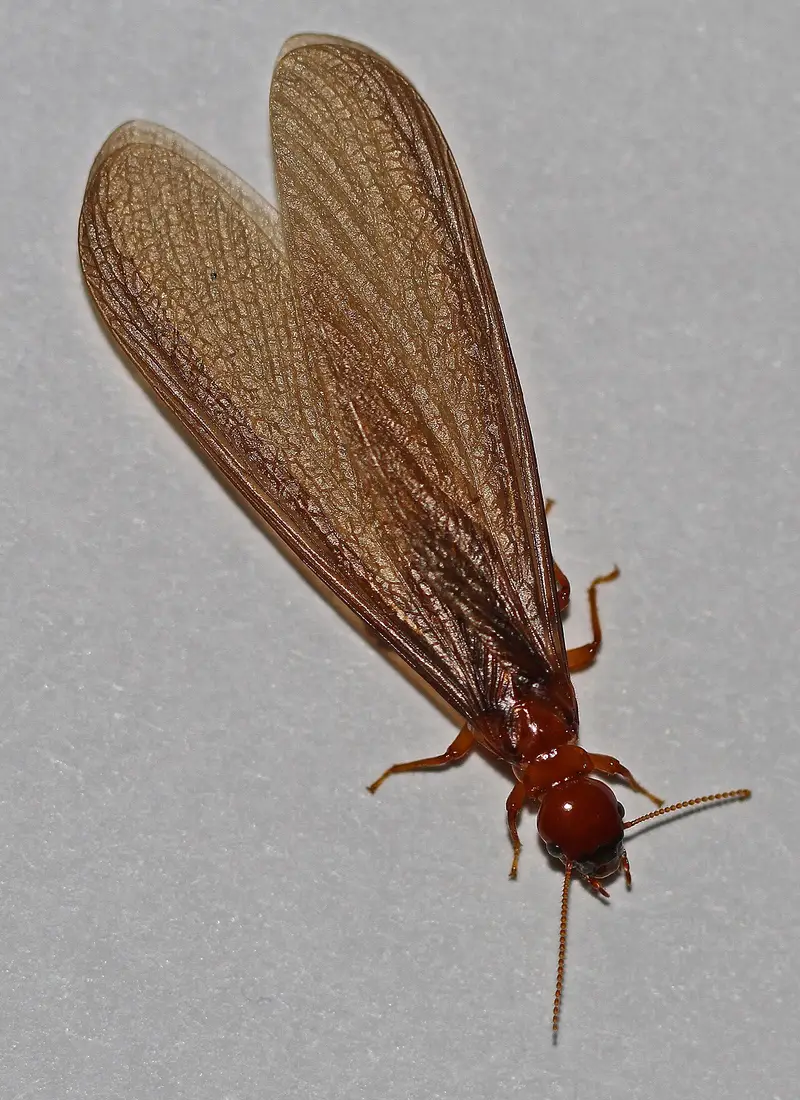
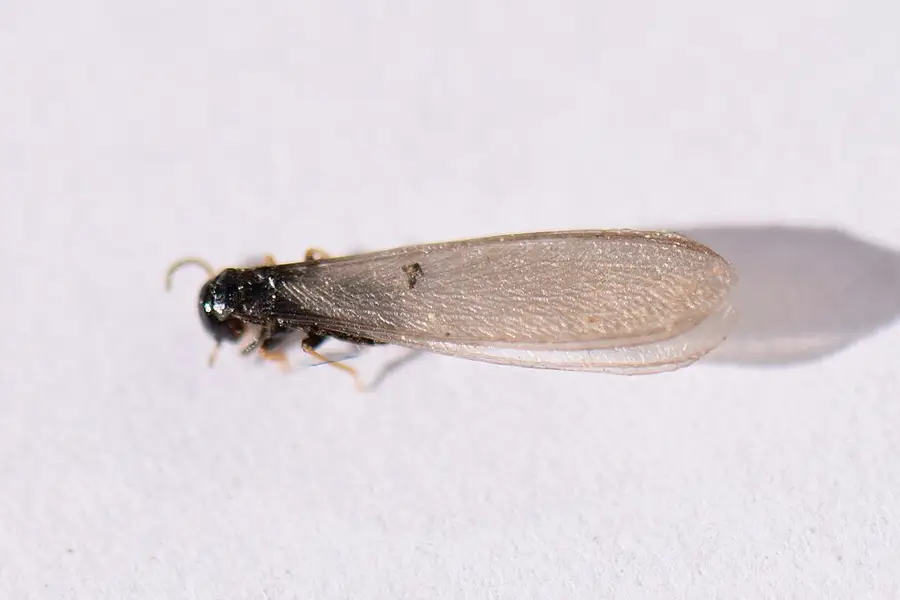
| Swarmer (alate) | About 1/4 to 3/8 inch; black to yellow-brown | Four equal smoke-gray to brown wings extending past the body | Purdue |
| Formosan swarmer | About 12 to 15 mm (0.5 to 0.6 inch); orange or light amber-brown | Body and wings covered in small hairs; swarms shortly after sunset | UF/IFAS |
The old name “white ants” comes from the pale workers, but termites are not ants: they have straight antennae and no pinched waist.
Types of Termites in the US
Extension sources group US pest termites by where they live: in soil (subterranean), in dry wood (drywood) or in wet, decaying wood (dampwood). The EPA says the native subterranean termite is the most common form across most of the United States.
| Type | Where in the US | Nests | Key signs | Source |
|---|---|---|---|---|
| Eastern subterranean (Reticulitermes flavipes) | The entire eastern region of North America, from Ontario south to Key Largo; the most commonly encountered termite in Texas | Underground; enters houses through small cracks and joints | Mud tubes; black swarmers flying by day in spring | UF/IFAS, Texas A&M, Mississippi State |
| Western subterranean (Reticulitermes, incl. R. hesperus) | Nearly all of California, from coastal sand dunes to the upper elevations of the mountains | Underground colonies | Earthen tubes; afternoon swarms after a soaking spring or fall rain | UC IPM |
| Formosan subterranean (Coptotermes formosanus) | Hawaii and the southeastern states; throughout Florida, mainly in densely populated urban areas | Huge underground colonies; carton (soil, wood pulp, saliva and feces) in voids | Evening swarms to lights; voids packed with carton | UF/IFAS |
| Asian subterranean (Coptotermes gestroi) | South Florida, including Miami, Broward and Palm Beach counties and Key West | Structures, ornamental trees near structures and boats | Swarms at dusk or night, February to April | UF/IFAS |
| Drywood (Incisitermes, Cryptotermes) | California’s Pacific coast into the Central Valley and southern deserts; the Texas Gulf coast and south Texas; Florida | Inside dry wood, with no soil contact | Six-sided fecal pellets; daytime swarms in summer and fall | UC IPM, Texas A&M, UF/IFAS |
| Dampwood (Zootermopsis) | Common in California, mostly cool, humid coastal areas | Moist, decayed wood, often touching soil or near a leak | Large swarmers drawn to lights at dark | UC IPM |
Subterranean termites
These cause most of the trouble. UF/IFAS calls the eastern subterranean termite the most widely distributed species, and says subterranean termites account for 80% of US spending on termite control and repairs. Colonies live in soil and reach wood above ground through mud tubes.
Formosan termites are an invasive species native to Taiwan and southern China. UF/IFAS says they were first described in Hawaii in the late 1800s, and lists introductions to New Orleans, Charleston and Hallandale, Florida, among the first recorded in the continental US. Mississippi State Extension reported in May 2026 that Formosan termites are considered established in parts of 26 Mississippi counties and are establishing further north in the state.
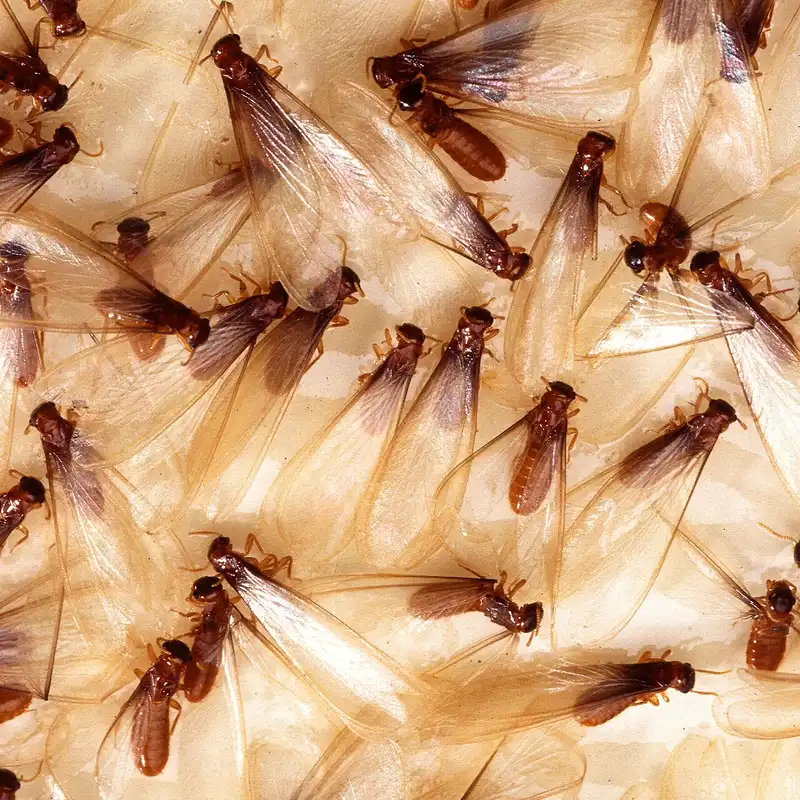
Asian subterranean termites are a tropical species first collected in the continental US in Miami in 1996. UF/IFAS says shipboard infestations, with swarms from boats reaching land, are the most likely way people spread them.
Drywood termites
Drywood termites live entirely inside the wood they eat and need no soil. UC IPM calls the western drywood termite, Incisitermes minor, California’s second most important termite pest after the subterranean termite. Texas A&M says drywood termites are a common pest along the Gulf coast and in the more southerly parts of Texas. In Florida, UF/IFAS rates the West Indian drywood termite, Cryptotermes brevis, a major pest that infests structures exclusively.
Dampwood termites
Dampwood termites have high moisture needs. UC IPM says they are most often found in cool, humid areas along the coast, typically in decayed wood that stays moist through soil contact or a water leak, so the leak needs fixing too.
Termite Swarmers vs Flying Ants
Both swarm in spring, shed their wings and end up on windowsills, so they are easy to mix up. Three checks settle it, and a hand lens helps.
| Feature | Termite swarmer | Flying ant | Source |
|---|---|---|---|
| Antennae | Straight and bead-like | Distinct elbow or angle | Mississippi State |
| Waist | None; abdomen broadly joined to thorax | Narrow waist | Mississippi State |
| Wings | Front and hind wings equal, about twice as long as the body | Front wings notably longer than hind wings | Mississippi State |
| Shed wings | Shed soon after swarming, sometimes in large piles | Also shed soon after swarming | Mississippi State, Purdue |
| Damaged wood | Hollowed along the grain, with bits of dried mud or soil in the galleries | Carpenter ant damage lacks that mud lining | University of Kentucky |
Our guide to flying ants covers which ants swarm and when, and our carpenter ant identification guide compares the wood damage of the two insects in detail.
When Do Termites Swarm?
Swarm timing depends on the species and the region. Extension sources give these windows:
- Eastern subterranean: during the day, usually in spring after rain. Mississippi State gives mid-February to mid-May. In Florida, UF/IFAS records R. flavipes flights from early January to April.
- Western subterranean: in the afternoon on clear days after a soaking rain, in spring or fall (UC IPM).
- Formosan: for a few hours after sunset, strongly drawn to lights. Florida, early April to late June with a May peak (UF/IFAS); Mississippi, late April through June; southern Louisiana, April through July (LSU AgCenter).
- Asian subterranean: at dusk or night, February to April in Florida and the West Indies (UF/IFAS).
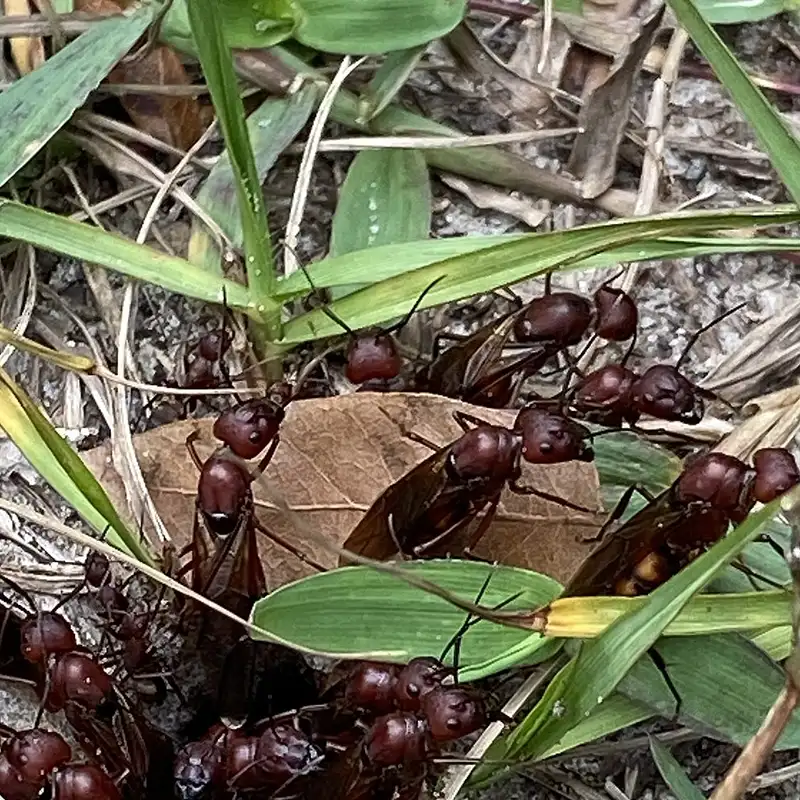
- Drywood and dampwood: summer and fall. UC IPM says western drywood termites swarm in daytime, while dampwood termites are larger and drawn to lights at dark.
What 6,317 iNaturalist records show
To check these windows against real sightings, we pulled every research-grade US iNaturalist record for four termite groups on November 18, 2026. Native subterranean records peak in April, with 1,289 of 2,410 (53.5%) falling from March to May. Formosan records are the most concentrated: 374 of 469 (79.7%) fall in April and May. Drywood (Incisitermes, 1,384 records) and dampwood (Zootermopsis, 2,054) both peak in September.
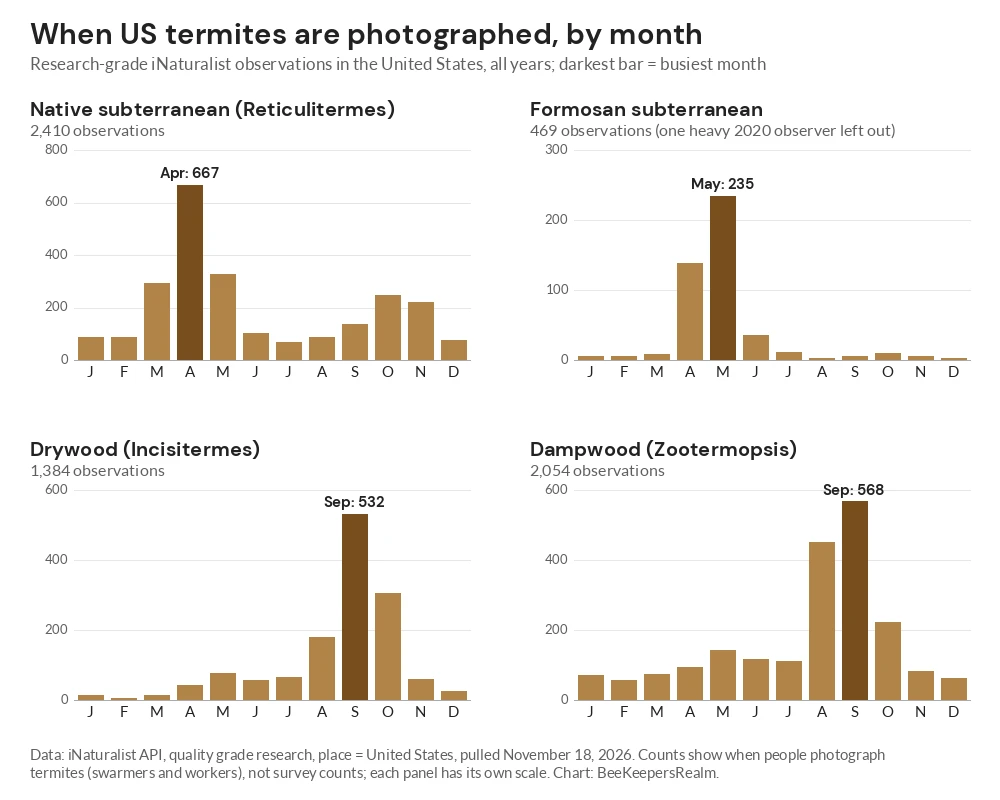
One check before charting: 291 of the 760 US Formosan records came from a single observer, 249 of them in 2020 and 284 of them in May, mostly logged in St. Tammany Parish, Louisiana. We left that observer out of the Formosan panel so one backyard does not set the national pattern. With them included, May would be even more dominant. These records show when people find and photograph termites. They are not survey counts.
The same genus swarms at different times in different places. In nine northern states, 436 of 729 native subterranean records (59.8%) fall in April and May. In Texas, 90 of 152 (59.2%) fall from February to April. In California, 256 of 435 (58.9%) fall in October and November. That fits UC IPM’s note that California’s subterranean termites fly after fall rains as well as spring ones.
Signs of Termites in a House
Termites stay hidden in soil, wood and mud tubes. The EPA says most people are not aware they have termites until they see a swarm or come across damage during construction. Watch for:
- Mud tubes. Earthen tubes about the diameter of a pencil running over foundation walls, piers, sill plates or joists (University of Kentucky). UC IPM describes four kinds, from working tubes between soil and wood to swarm tubes that swarmers fly from.
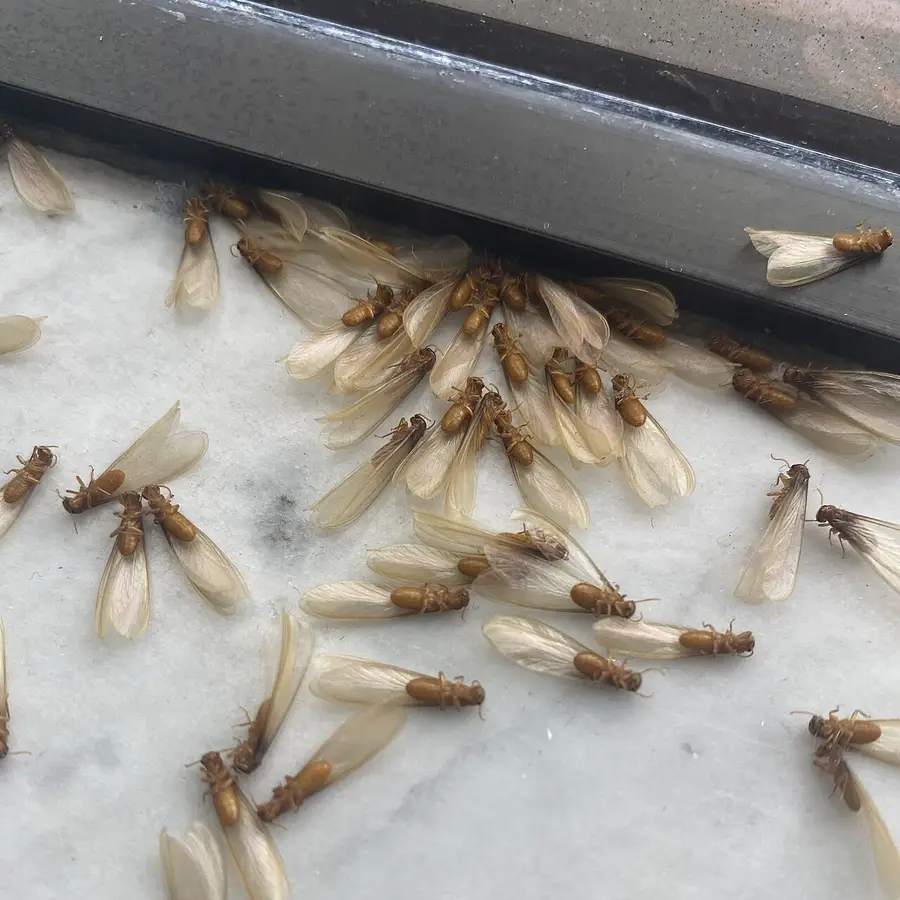
- Swarmers or shed wings indoors. Swarmers are drawn to light, so Kentucky says they are often seen around windows and doors. UF/IFAS says most native subterranean swarmers that fly indoors are later found dead near windows or in sinks and bathtubs.
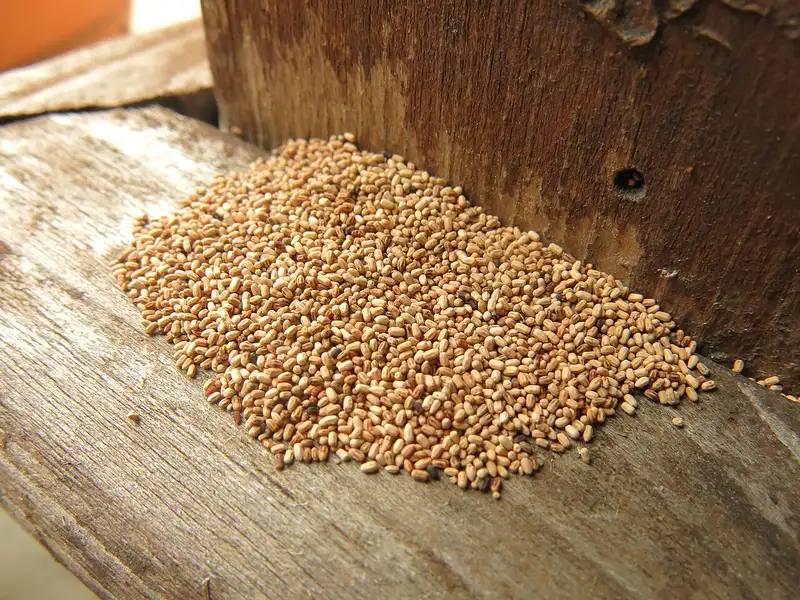
- Pellets (drywood termites). UC IPM describes drywood fecal pellets as elongate, with rounded ends and six flattened or depressed sides. They often collect in small piles below infested wood.
- Damaged wood. Kentucky says termite-damaged wood is hollowed out along the grain, with bits of dried mud or soil lining the galleries.
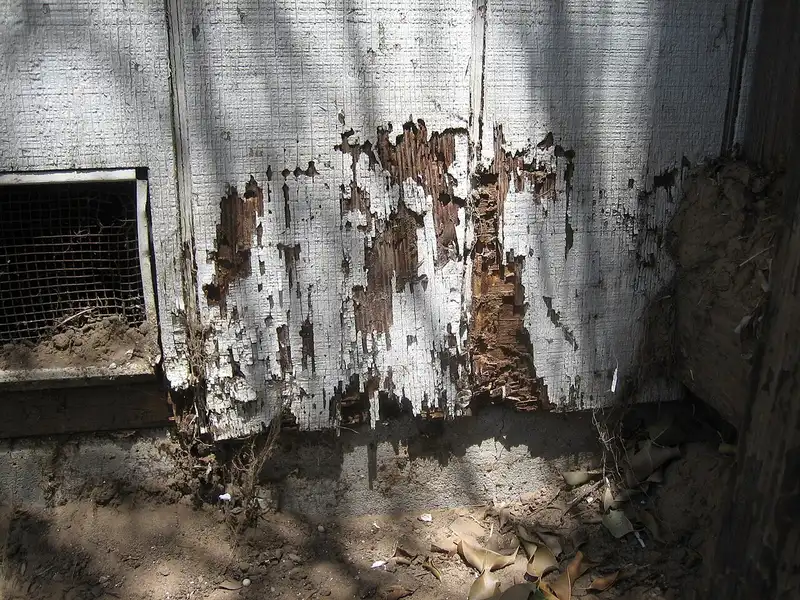
- Blistered or peeling surfaces. UF/IFAS says termites can hollow wood out to a paper-thin surface that looks blistered or peeling.
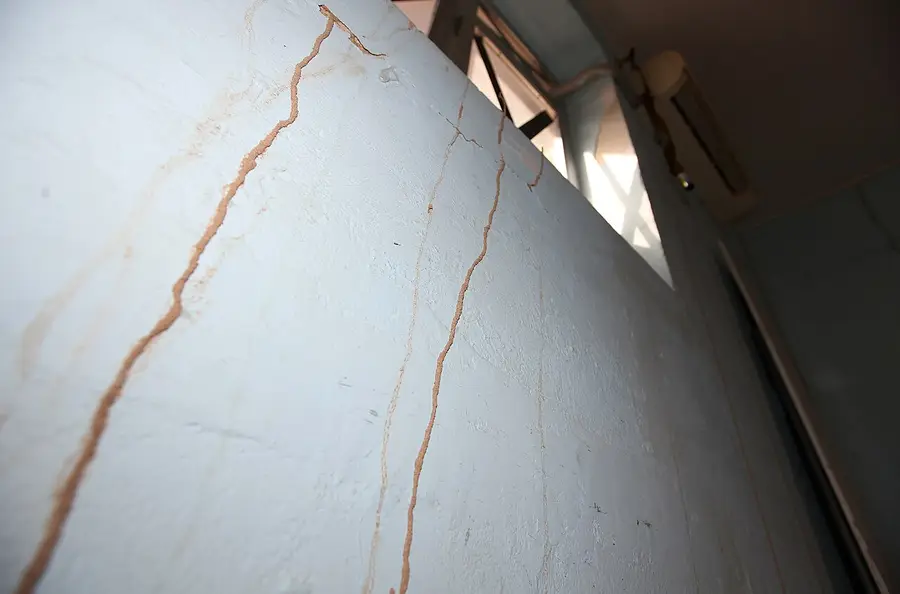
Not every mud tube is a termite. Mud dauber wasps build mud tubes on walls too, as nests rather than tunnels. Not every hole in wood is termite damage either: carpenter bees bore round entrance holes in bare wood.
How Much Damage Do Termites Do?
Termites do a lot of damage nationally, but slowly in any one house. Many pages repeat an undated “$5 billion a year” that we could not trace to a primary source, so we do not use it. The best-documented figures we found come from UF/IFAS’s Formosan termite profile. It puts annual US costs tied to subterranean termites at over $30 billion (Rust and Su, 2012), and Formosan termites alone at a likely economic impact of more than $4 billion a year (Su and Lee, 2023). UF’s native subterranean termite profile uses a lower figure of $20 billion a year for control and repairs, a reminder that these are estimates.
The US EPA’s termite guide says property owners spend over two billion dollars a year to treat termites, on top of billions in structural damage.
For a single house, the pace matters more than the national total:
“Termites damage wood slowly; the amount of damage caused by taking an additional day, week, or month to make an informed decision generally is inconsequential.”
That is not a reason to wait indefinitely. North Carolina’s homebuyer guide notes that judging structural damage is a job for a structural engineer, contractor or other building expert, not a termite inspector.
What to Do If You Find Termites
Start calmly. Purdue’s guide to buying termite control service opens with “Do not panic.”
- Confirm the insect. Check the antennae, waist and wings against the table above. Your county extension office can help identify a sample.
- Clean up indoor swarmers. The University of Kentucky says swarmers emerging inside cannot damage wood and live only about a day. A broom or vacuum is enough to remove them.
- Judge where they came from. Kentucky says winged termites indoors almost always indicate an infestation. Mississippi State notes that a few can slip in under doors or through an open window, but large numbers, or swarmers coming out of walls, ceilings or floors, call for a professional. UC IPM adds that swarmers in the yard do not necessarily mean the house has termites.
- Get inspections. UC IPM notes that termiticide applications are highly regulated and need a licensed pest control professional to carry out the inspection and control program.
Liquid soil treatments
The standard subterranean termite treatment is a termiticide applied to the soil along the foundation, beneath concrete slabs and within foundation walls. Kentucky notes that a typical job may use hundreds of gallons of liquid and equipment such as masonry drills and soil-injection rods. Current products are non-repellent, so termites tunneling into treated soil are killed. Kentucky names the active ingredients fipronil, imidacloprid and chlorantraniliprole. Purdue says control from a liquid treatment is immediate.
Bait systems
Baits pair cellulose food with a slow-acting insecticide, set in stations around the house. The EPA lists diflubenzuron, hexaflumuron and noviflumuron among bait active ingredients that disrupt termite growth; Kentucky says termites die while trying to molt. Purdue says bait control may take several months to a year.
Drywood termites: fumigation, heat and spot treatments
Drywood colonies live in the wood, not the soil. UC IPM splits treatments into whole-structure and localized (spot) options. Fumigation with sulfuryl fluoride treats every infestation at once and kills drywood termites within several days. Heat, which raises all wood to at least 120°F for at least 33 minutes, is the non-chemical whole-structure option. Spot treatments target a single board or a few boards.
“Because of the difficulty in detecting drywood termites and determining the extent of the damage, do-it-yourself treatments are not recommended.”
Can you treat termites yourself?
Not reliably. Kentucky says do-it-yourself products sold at retail stores or online will seldom eradicate an existing termite problem. Homeowners can handle the prevention and moisture work below.
Choosing a company: questions to ask
Kentucky suggests calling at least a few companies and getting inspections and estimates from more than one, and Purdue says to compare bids from at least two. Ask each one:
- Are you licensed for termite work in this state? The EPA says firms must be state-licensed. Ask to see the license, and call your state pesticide regulatory agency with any concerns.
- Which method and active ingredient? The EPA says you can ask for a copy of the product label and should know when you can reenter the house.
- What does the warranty cover? Kentucky says most companies retreat at no extra charge if termites return, provided the annual renewal is kept up, and some also repair later damage. Purdue notes guarantees usually run year to year or for five years.
- Is this a full treatment or a spot treatment? Kentucky says most reputable firms will not warrant spot treatments.
Be wary of pressure. Kentucky warns against firms that push you to sign immediately with specials or scare tactics. Purdue adds that a guarantee is no better than the person or firm who gives it.
Termite Inspections When Buying a Home
Kentucky notes that a termite inspection report is normally a condition of sale. These wood-destroying insect (WDI) reports follow state rules. In North Carolina the official form is the Wood-Destroying Insect Information Report (Form No. WDIR 100). It must be issued by someone licensed by the state’s Structural Pest Control Division, or working for a licensee, and it is required on almost every residential structure sold. By law the inspection is a careful visual exam of all accessible areas, and the inspector must list the areas that were inaccessible.
“The WDIR is not a warranty as to the absence of wood-destroying insects; it is a report of the visible presence or absence of wood-destroying insects at the time of the inspection.”
The same guide says the report is not a structural damage report, and that it will not reveal wood rot or damage from wildlife. Buyers should read the list of inaccessible areas, and check their own state department of agriculture for the form that applies.
How to Prevent Termites
Most prevention comes down to soil, wood and water. From Kentucky’s guide to protecting your home and from UC IPM:
- Break wood-to-soil contact. Kentucky says wood siding and door and window frames should be at least six inches above ground level. UC IPM says substructural wood should ideally sit at least 12 inches above the soil.
- Keep the foundation dry. Kentucky says to divert water with working gutters, downspouts and splash blocks, and to repair leaking faucets, pipes and air conditioners. Keep crawl space vents free of leaves and debris. Polyethylene sheeting over about 75% of the crawl space soil cuts humidity further.
- Go easy on mulch. Kentucky says mulch attracts termites mainly by holding moisture, so the type matters little; even pea gravel does it. A couple of inches is usually enough, and mulch should never touch siding or door and window frames.
- Store firewood away from the house. Never against the foundation or in a crawl space. Kentucky says firewood, lumber, cardboard and similar materials attract termites.
- Keep plants off the walls. Kentucky advises against vines, ivy and dense plantings touching the house.
- Fix leaks above ground. Purdue notes that a leaky roof or pipe can occasionally support an infestation with no soil contact at all.
Termites, Termiticides and Bees
Termite treatments are aimed at soil and structures, not flowers, but some of the active ingredients are hard on bees. The National Pesticide Information Center describes fipronil as highly toxic to honey bees, and imidacloprid as very toxic to honeybees and other beneficial insects. If you keep bees or grow pollinator plants near the foundation:
- Tell the company where your hives and flowering beds are before work starts.
- Read the product label, including any pollinator protection language; our guide to pollinator-safe pest control products explains how.
- Where your state uses it, register hives on BeeCheck so applicators can see them.
Hives can get termites too. Our beehive maintenance checklist covers Florida guidance on termites in hive woodenware, and proper hive stand height keeps boxes off the soil.
A termite swarm is not a bee swarm. Termite swarmers scatter to mate and start new colonies, while a honey bee swarm is a queen and thousands of workers looking for a new home (see why bees swarm). A local beekeeper may collect a bee swarm.
Other insects that turn up in and around the house include boxelder bugs and millipedes; browse all our garden and household insects guides for more.
Frequently Asked Questions
How can you tell if you have termites?
Look for mud tubes, swarmers or shed wings indoors, six-sided pellets and wood hollowed along the grain. A licensed inspector can confirm it.
What bug can be mistaken for a termite?
Flying ants, especially carpenter ants. Termites have straight antennae, no waist and four equal wings; ants have elbowed antennae, a pinched waist and longer front wings.
Are termites harmful to humans?
Not directly. Texas A&M AgriLife Extension says termites are harmless to people and animals, although soldier termites can bite. The harm is to wood.
What attracts termites to homes?
Moisture and wood: wood touching soil, damp soil by the foundation, firewood against the house and deep mulch (University of Kentucky).
Do termite swarmers mean you have termites?
Swarmers emerging inside almost always do. A few that blow in through a door, or a swarm out in the yard, may not, so have the house inspected.
How long do swarmer termites last?
Swarmers that emerge indoors live about a day, per the University of Kentucky. Mature colonies swarm every year, so the same colony can swarm again next season.
Are termite swarmers dangerous?
No. Kentucky says they cannot damage wood. They are a warning sign, so vacuum them up and arrange an inspection.
Can a house be saved if it has termites?
Usually, yes. Termites damage wood slowly, and damaged wood can be repaired once the colony is treated. Have serious damage assessed by a structural engineer or contractor.
The Bottom Line
Check antennae, waist and wings first. If they are termites and they are inside, get inspections from more than one licensed company, compare treatment plans and warranties in writing, and fix the moisture and wood-to-soil contact that invited them.
Featured photo: Formosan subterranean termites feeding on spruce (left) and birch wood blocks. Photo: Peggy Greb, USDA Agricultural Research Service, via Wikimedia Commons, public domain, cropped.