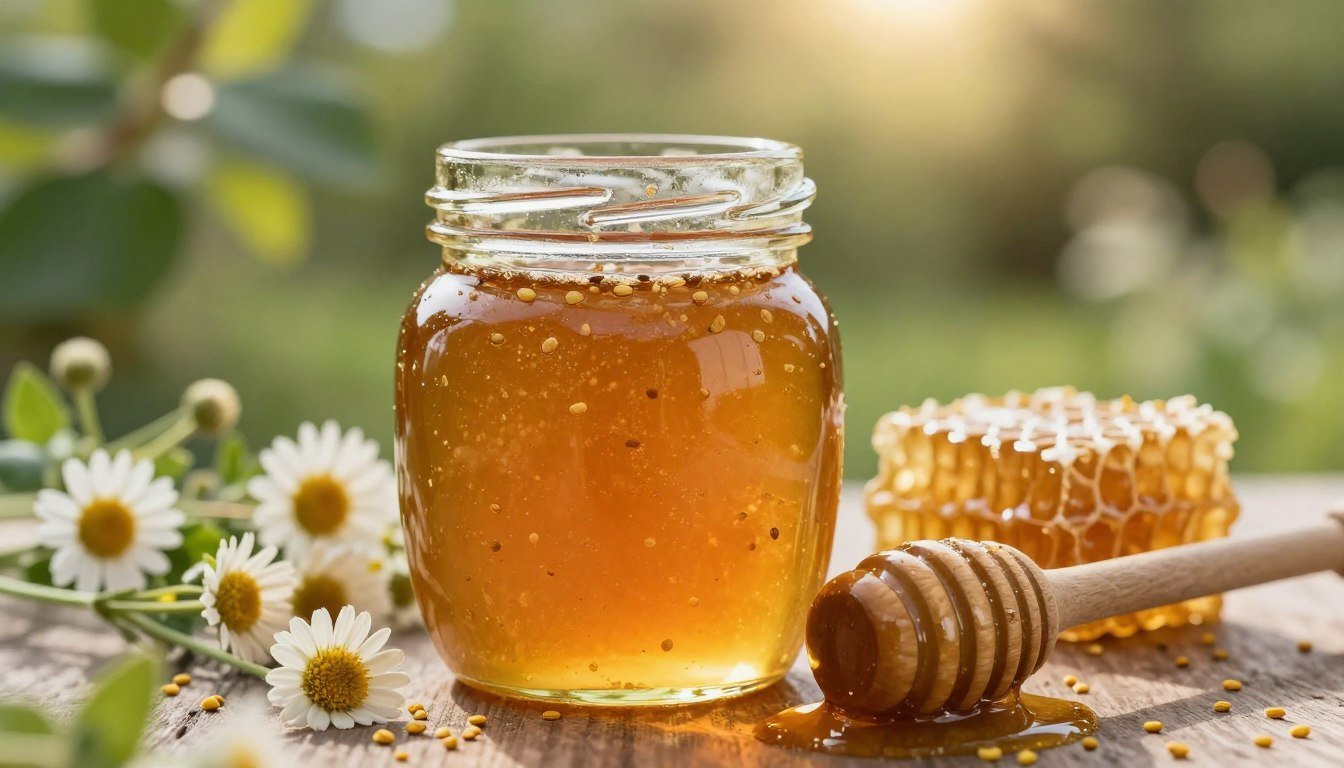
Understanding what a jar holds helps shoppers choose wisely. Papa Bear’s Honey, based in Layton, Utah, sells raw unfiltered product that keeps natural enzymes and trace bee elements intact.
This short guide explains why the presence of tiny plant grains matters for quality and how processing shapes the final product. We cover science, seasonal factors, and the limits of health claims.
Whether you prefer raw forms or regular jars, knowing how extraction and filtering work helps you make informed choices.
For more on grading and how processing changes composition, see detailed standards at honey grading standards.
Key Takeaways
- Raw unfiltered jars often retain more natural elements and enzymes.
- Processing level is a key marker of product quality and properties.
- Scientific studies show mixed evidence on allergy benefits.
- Season and plant source influence the tiny grain profile found in each jar.
- Choose products that match your needs: minimal processing or standard retail.
Understanding Pollen Content in Unfiltered Honey
When bees visit flowers, they pick up more than nectar—small plant grains hitch a ride and become part of the jar. This natural mix explains why jars marked as raw can look different from standard retail bottles.
What is Bee Pollen
Bee pollen is a fine powder produced by trees, grasses, and many garden flowers. It serves as a protein source for the colony and carries a unique fingerprint based on local plant life.
The Role of Bees in Pollen Collection
Foragers visit multiple blooms each trip. While gathering nectar, they also pick up plant grains on their bodies. Those grains often mix with nectar during processing at the hive.
“As bees forage, they act as a vital link in plant reproduction, carrying pollen from one flower to another.”
The types of flowers visited, the season, and regional sources shape the final profile found in a jar. For more on how minimal processing differs from standard practices, see what is unfiltered honey and read about related colony products like benefits of fermented bee bread.
The Extraction and Filtering Process
Harvest begins at the hive. A beekeeper removes frames and places them in a centrifuge to spin liquid from comb. That step frees the product from wax cells while keeping many natural elements intact.
After extraction, the liquid is passed through mesh, cheesecloth, or foam to remove wax, debris, and air bubbles. Careful straining smooths the jar without erasing beneficial trace particles.
Papa Bear’s Honey follows a minimal approach to preserve natural properties and benefits. Avoiding high heat keeps enzymes and fragile compounds more stable than in heavily processed retail jars.
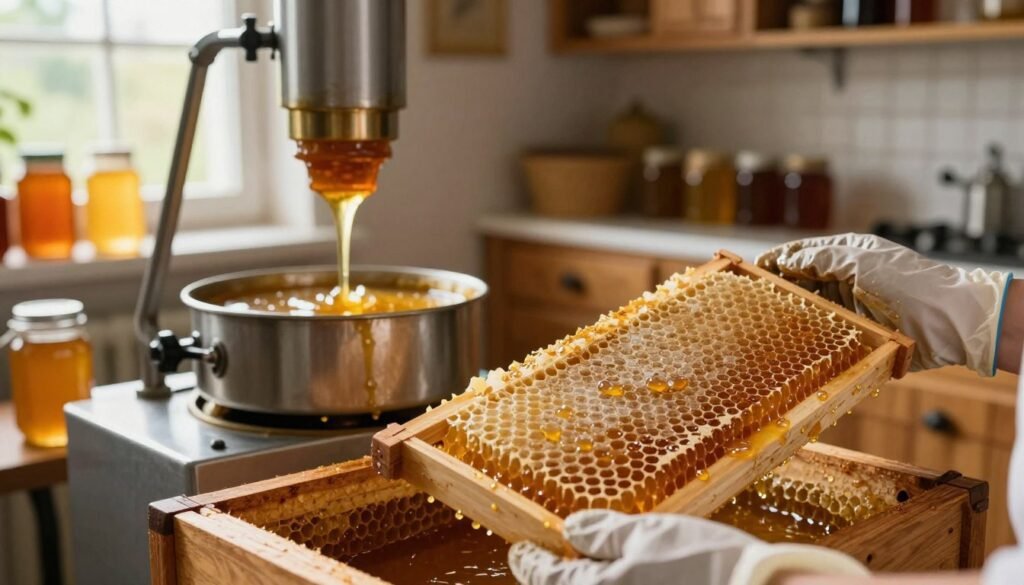
“Good harvesting balances cleanliness with preservation of the product’s natural profile.”
- Frames → centrifuge → strained liquid
- Equipment choice affects how much natural material remains
- Excessive heat or fine filtration removes more beneficial elements
| Step | Common Tools | Effect on Product |
|---|---|---|
| Frame removal | Hive tool, smoker | Prepares comb for safe extraction |
| Extraction | Centrifuge extractor | Separates liquid while leaving trace grains |
| Filtering | Metal mesh, cheesecloth, foam | Removes wax and air; filter fineness alters final profile |
For practical guidance on filtering methods, see filtering and straining. For an extractor walkthrough, consult this guide on how to extract and store.
Why Pollen Remains in Raw Honey
A simple comparison of grain sizes shows why most of the natural material survives routine straining.
Micron math matters. The average grain measures about 25 microns wide, while many hobbyist filters range from 200 to 600 microns. That gap means most tiny particles float through standard meshes unchanged.
The size scale is striking: a 1/4-inch hole equals over 6,000 microns. That makes common openings far larger than botanical grains. Even after basic separation, jars still retain a floral fingerprint tied to source and season.
The Science of Micron Sizes
Dr. Richard Carroll, a palynologist, has noted that very fine commercial filters can remove particles, but most hobby-level filtering does not. As a result, much honey that is minimally handled still contains pollen and related trace material.
“The mesh size used by the operator largely determines what stays behind.”
| Measurement | Typical Value | Effect |
|---|---|---|
| Average grain width | ~25 microns | Too small for hobby filters to trap |
| Hobbyist filter range | 200–600 microns | Removes wax, not tiny grains |
| 1/4-inch hole | >6,000 microns | Far larger than botanical particles |
Practical takeaway: Most people find that raw honey still contains pollen after normal straining. For details on finer filtering methods, see this guide to filtering and straining.
Nutritional Profile and Natural Enzymes
Keeping heat low and filters coarse helps maintain many of the natural compounds that define quality.
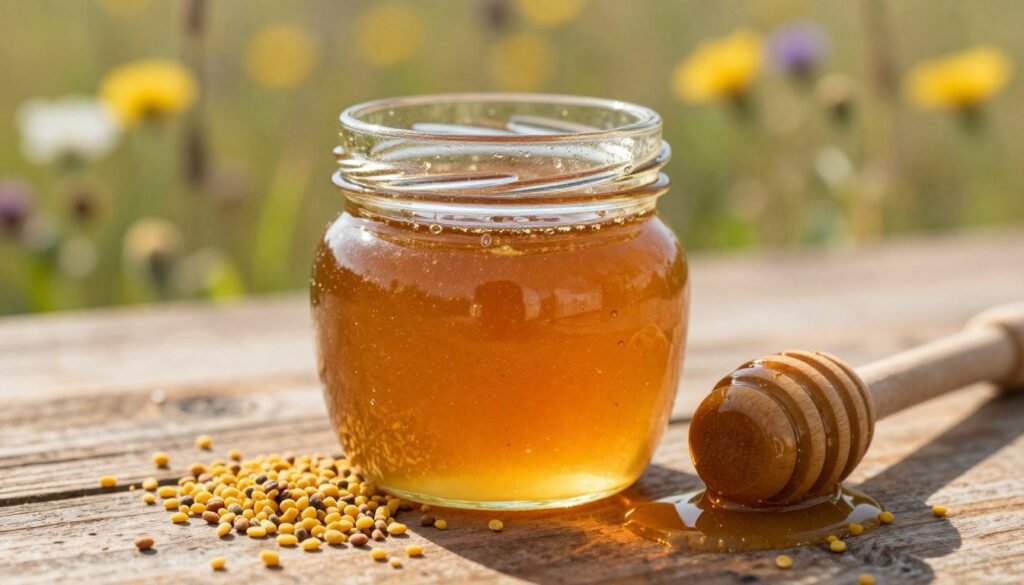
Papa Bear’s Honey markets its raw jars as rich in natural enzymes and plant grains. Because the product is not pasteurized, delicate enzymes remain active and several nutrients stay intact.
People often choose raw jars for their fuller nutritional profile. These products can offer a broader mix of vitamins, antioxidants, and trace minerals than regular jars that undergo high heat or fine filtration.
Why enzymes matter: digestive and antimicrobial enzymes are heat-sensitive. Minimal processing preserves these molecules, which may support throat relief and general wellness when used as part of a balanced diet.
Some consumers seek a more complete plant-based profile for perceived health benefits or mild allergy relief. Scientific support is limited, but many value the less-processed option for its nutrient density.
For more on differences between less-processed and processed jars, see raw vs processed.
Debunking the Allergy Relief Myth
Many people assume a sweet spoonful can cure seasonal sniffles, but the science tells a different story.
Windborne versus Flower Pollen
The chief culprits for hay fever are light, windborne grains from trees and grasses. The sticky grains that bees collect from blooms are heavier and behave differently.
Dr. Richard Carroll has noted that the botanical material found in jars rarely matches the airborne particles that trigger most seasonal reactions.
Clinical Evidence Regarding Honey and Allergies
Clinical studies are mixed and generally show minimal benefit when jars are used as allergy treatment. Some people report symptom relief, but trials do not match the results seen with proven care.
For balanced guidance on risks and practices, consult expert resources such as the AAAAI overview on honey and allergies.
Why Immunotherapy Differs from Eating a Jar
Immunotherapy delivers controlled doses of specific allergens under medical supervision. Eating a local jar cannot replicate that precise exposure.
- Jars vary by season and source and are not standardized
- Medical treatment targets known triggers; a spoonful does not
- Many people use raw or mixed floral products for comfort, not cure
Bottom line: Enjoy a spoonful for soothing warmth, but rely on proven treatments for allergy management. Read about mixed floral options at mixed floral benefits.
Distinguishing Between Filtered and Unfiltered Varieties
The visual difference is the easiest clue. Filtered honey looks clear and smooth. Raw jars often appear cloudier and show tiny botanical grains and wax.
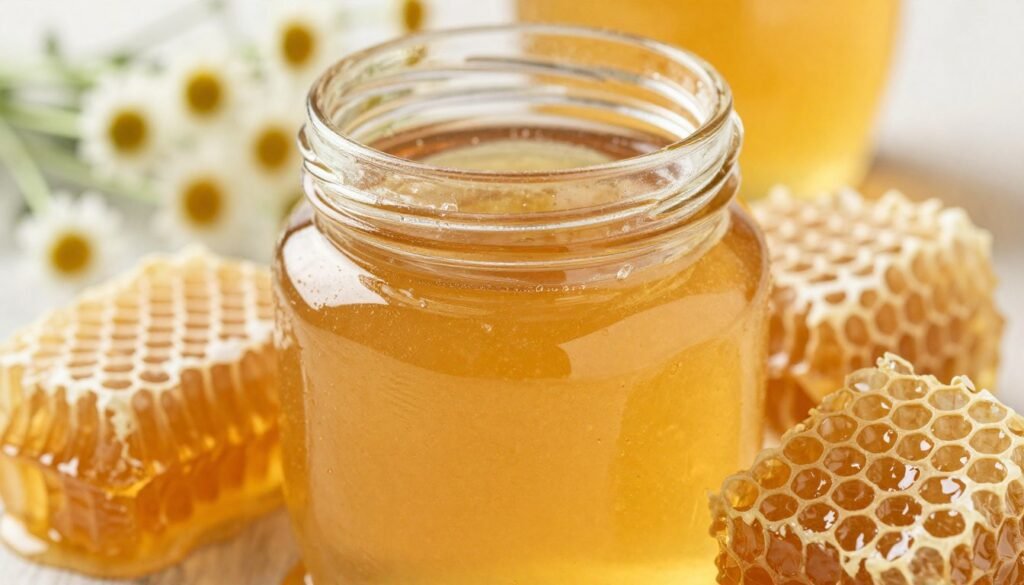
Some beekeepers let jars settle before bottling to remove air and fine particles. That step can make a product look calmer without using ultra-fine filters.
Filtering removes debris and bubbles, but it can also strip away elements that many people value. Filtered honey gives consistent clarity. Raw honey keeps more of the natural profile.
“Choosing between these types often comes down to preference: appearance versus a fuller, more authentic profile.”
- Why this matters: Customers seeking a true local trace often choose raw unfiltered products that contain pollen and other markers.
- Other people prefer regular honey for a uniform, shelf-ready look.
- Both types share the same basic sugars; the process mainly changes texture and visible elements.
How to Identify High Quality Honey
Start by checking what the producer says about their hives and harvest dates.
Reading labels correctly matters. Look for clear terms: “raw,” “unfiltered,” and “not pasteurized.” These phrases signal minimal heat and gentler handling, which helps preserve natural nutrients.
Key label cues
- A visible varietal name (wildflower, clover) points to the floral source.
- Producer details or farm location let you judge season and local origin.
- A reputable beekeeper will avoid medical claims about allergy cures and provide process information.
Papa Bear’s Honey is an example of a transparent producer that lists hive location and origin, making trust easier for buyers.
“Choose jars with clear sourcing and honest labels — they tell the story behind the product.”
When evaluating benefits, remember that studies do not guarantee allergy relief. For practical tests and more tips on verifying purity, see how to test purity at home.
Important Safety Considerations for Consumers
Before enjoying a spoonful, check a few basic health rules that keep families safe.
Never give honey to infants under 12 months. Baby botulism can come from Clostridium botulinum spores and has serious consequences.
People with severe bee-sting allergies should seek medical advice before trying raw jars. An allergist can assess personal risk and offer guidance.
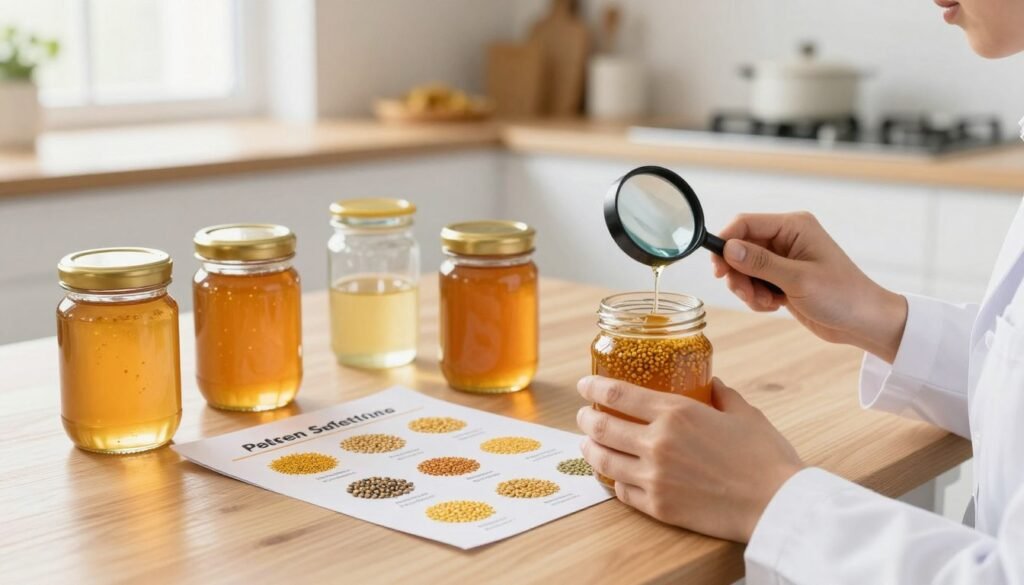
Remember that this product is a concentrated sugar. Those with diabetes should monitor blood glucose and talk with their clinician about regular use.
While many jars retain natural enzymes and small plant markers, they are not a replacement for medical treatment. Use soothing benefits as adjunct care, not primary treatment.
| Risk | Who it affects | Recommended action |
|---|---|---|
| Botulism spores | Infants <12 months | Avoid entirely |
| Severe allergy | People with bee venom sensitivity | Consult an allergist first |
| Blood sugar impact | People with diabetes | Monitor levels; consult provider |
Practical note: Both raw and filtered jars require these same precautions. Much honey is safe for most adults, but speak with a doctor if health needs are complex.
For a deeper look at safety practices, see this overview on is unfiltered safe.
Conclusion
Knowing how a jar is handled helps you buy with confidence. Raw, minimally processed honey keeps natural enzymes and small botanical grains that give each batch its unique character. Choose producers who list harvest details and avoid broad medical claims.
Safety matters most: never feed this product to infants under 12 months. For a quick look at how processing affects nutrients, see this nutrition comparison. Enjoy honey as a soothing, versatile food that complements a healthy diet while you rely on proven care for allergy treatment.