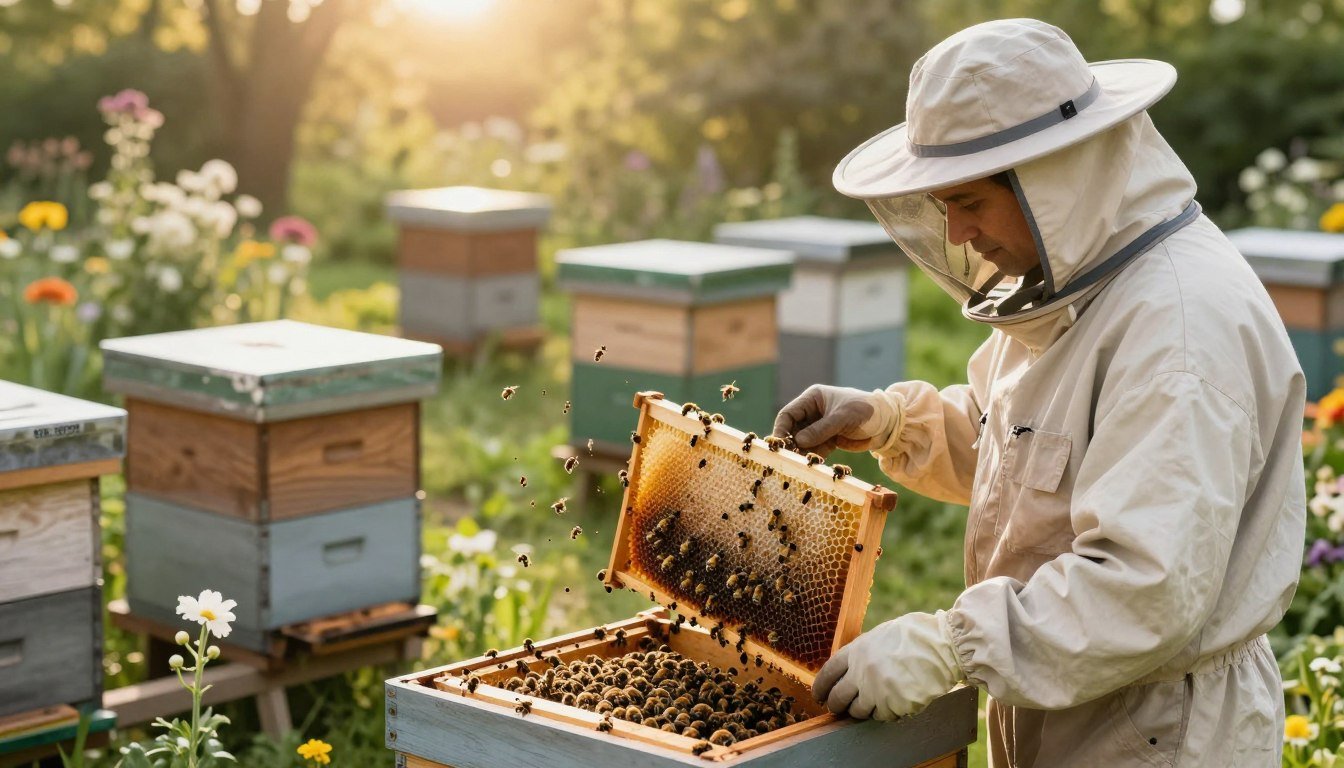
A clear, steady plan helps beekeepers keep colonies healthy across spring, summer, and winter. Small, regular checks of population, brood, and honey give fast insight into hive health.
Simple observations reveal when a colony needs attention. Dense bee coverage and steady brood growth hint at a strong hive. Low food stores, sparse bees, or slow brood signals rising risk.
The Primal Bee insulated design helps maintain a stable internal environment. That stability can lower stress and may cut the rate of virus spread in a colony. Regular tests for mite levels and common pathogens give concrete information for timely treatment.
Past research highlighted novel viruses in 2003, showing the vital role of detection and careful management in apiaries and labs. Beekeepers should watch the queen, population rate, and food stores across key periods of the year. This approach supports healthier honey production and stronger hives over time.
Key Takeaways
- Check population, brood, and honey often to spot early signs of trouble.
- Use mite and pathogen tests to guide treatment decisions.
- Insulated hives can help keep a stable colony environment.
- Track queen health and population rate through seasons.
- Research on viruses underscores the need for accurate detection and records.
Understanding Colony Strength and Health
Colony strength shows in the number of frames covered and the regularity of brood. A strong unit usually covers six to eight frames. A struggling group may cover four or fewer frames in the nest area.
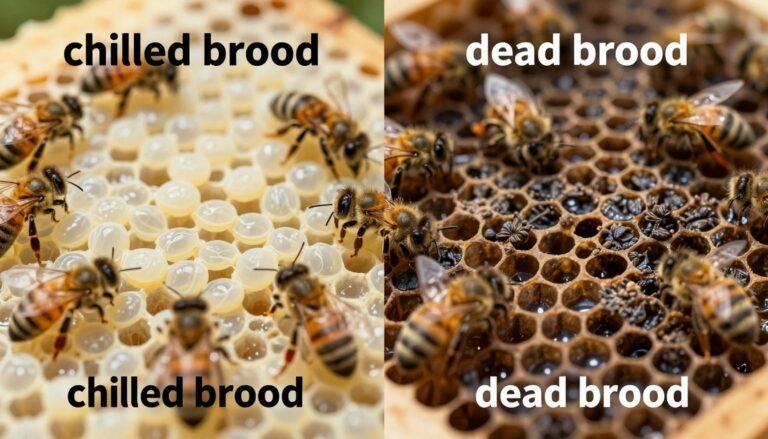
Brood pattern reveals long-term health. Even brood and lively larvae point to steady egg-laying by the queen. Irregular patches or missing cells can signal a virus or mite problem and warrant quick tests.
Defining Strength
Count frames covered and note entrance activity. Bees returning with pollen indicate available food and active foraging. Track the queen’s egg-laying rate across days to see population trends.
The Role of Environment
Proper hive configuration and insulation help bees regulate temperature and save energy. The Primal Bee insulated design assists that process, which supports brood development and reduces stress.
- Frames covered: primary numeric indicator of strength.
- Brood quality: check consistency over time.
- Entrance activity and pollen loads: signs of good food flow and population health.
| Indicator | Strong Colony | Concern |
|---|---|---|
| Frames covered | 6–8 frames | 4 or fewer frames |
| Brood pattern | Dense, even | Patches, broken cells |
| Entrance activity | Steady returns with pollen | Low traffic, scant pollen |
Stay aware of pests and hive threats; consult resources on common hive pests when planning control and treatment.
How to monitor weak colonies for disease
Observations spread across several visits give the clearest picture of colony health trends. Make short checks over a few days rather than a single long inspection. Note entrance activity, pollen return, and food levels on each visit.
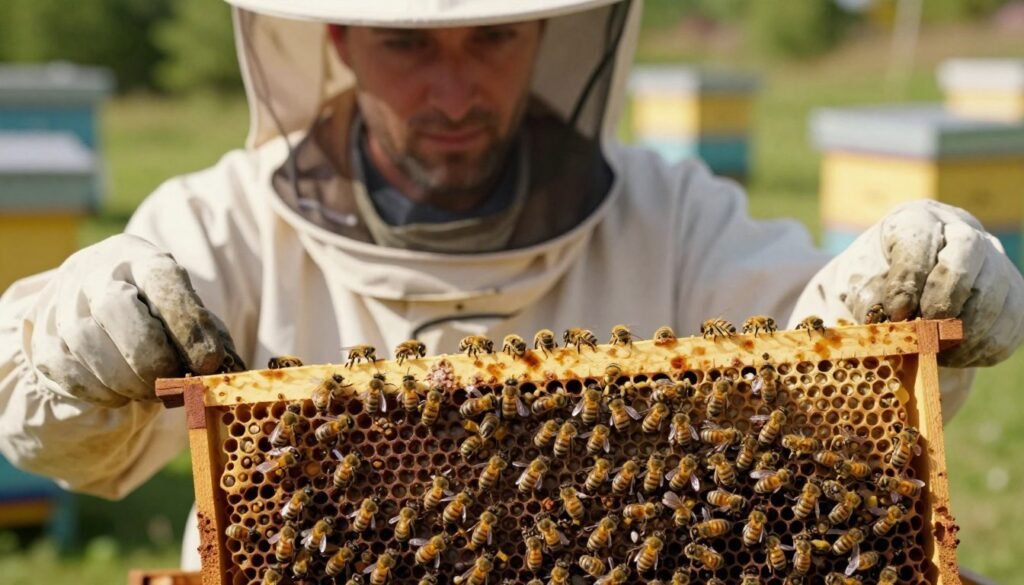
Brood pattern is a key signal. Look for inconsistent patches or sunken cells over several days. Little or no pollen coming in often means larvae lack feed and the hive may be stressed.
Test regularly for varroa and mites, since these pests spread viruses that weaken bees across the hive. Keep records of test results and population counts to spot rapid decline.
- Confirm the queen is laying by checking egg presence across frames.
- Compare honey stores and space against population level; adequate honey with few bees suggests hidden infection or queen failure.
- Early detection allows timely treatment — use best-practice management and consult disease management guidelines when needed.
Visual Indicators of Hive Health
Visual cues at the hive face often give the first clear picture of colony condition.
Dense bee coverage across six to eight frames and an even, elliptical brood pattern are classic signs of a healthy colony.
Watch the entrance over a short period of time. Steady forager traffic with visible pollen loads suggests adequate food flow and good brood care.
Sparse coverage, slow movement on frames, or little honey and pollen during normal foraging weather may point to an underlying virus or stress in the colony.
- Multiple brood stages—eggs, larvae, capped brood—indicate a productive queen and rising population.
- Consistent visual inspections of frames help spot obvious illness or abnormal behavior early.
- Observing the entrance across visits reduces unnecessary hive openings and preserves hive stability.
| Indicator | Healthy | Concerning |
|---|---|---|
| Frames covered | 6–8 frames with dense bees | 4 or fewer, sparse coverage |
| Brood pattern | Continuous, even | Patches, missing cells |
| Forager returns | Regular with pollen and nectar | Low traffic, little honey coming in |
Non-Invasive Monitoring Techniques
Simple remote tools provide early signals without disturbing the colony.
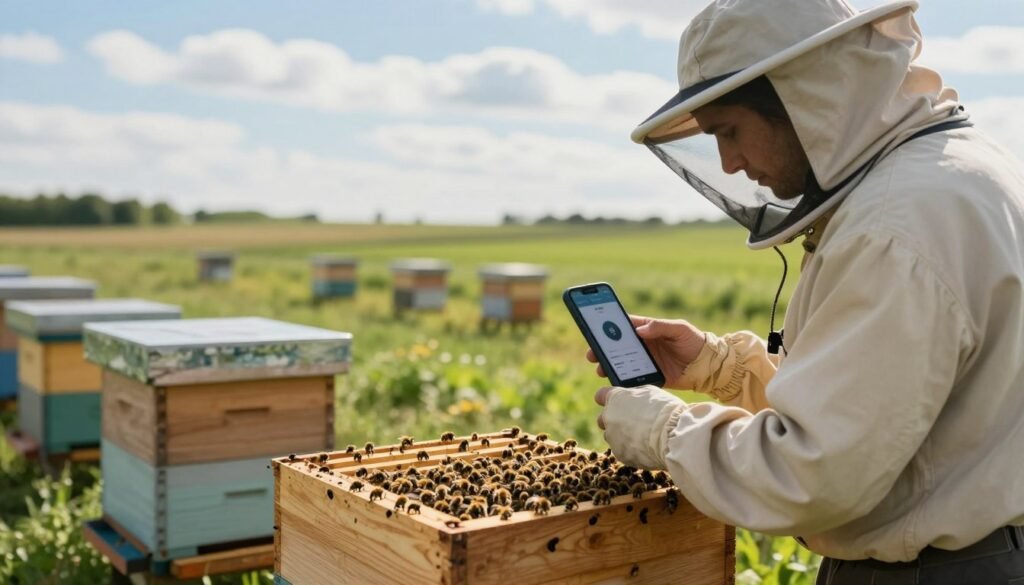
Weight monitoring tracks net gains and losses. A steady rise in hive mass over weeks usually reflects building honey and a growing population.
Sharp weight drops often show a swarm event or heavy robbing by other bees. Checking trend lines over days helps confirm the cause before opening frames.
Temperature and Humidity Sensors
Sensors inside the hive can reveal brood expansion, poor ventilation, or shifts linked to virus or mite infection. Continuous readings give context across seasons and periods of dearth.
Follower boards and cavity control help small colonies hold heat. Proper cavity management reduces stress and improves overall hive health.
- Use weight and climate trends to guide interventions with minimal intrusion.
- Combine sensor data with occasional visual checks and tests to inform treatment and management.
| Method | What it shows | Actionable sign |
|---|---|---|
| Scale (weight) | Honey build, population gain | Steady rise vs. sudden drop |
| Temp/humidity sensors | Brood activity, ventilation needs | Persistent low temp or high humidity |
| Cavity control | Heat retention for small units | Stable temp, fewer stress signs |
Assessing Brood Patterns and Quality
A clear brood pattern gives the quickest clue about a colony’s long-term prospects.
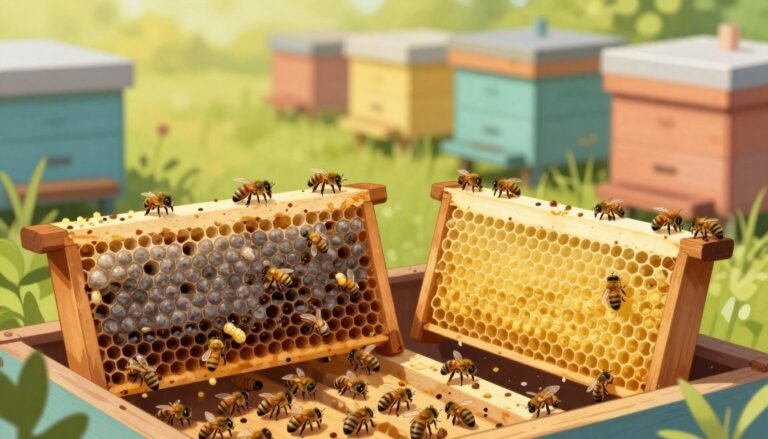
Look for continuous, elliptical brood that spans multiple frames. Multiple brood stages—eggs, larvae, capped cells—show a queen that is laying and a colony that is growing. If brood sits on only one or two frames, concern is justified.
Check for perforated cells. Perforation can signal varroa sensitive hygienic behavior or an underlying infection. Gently shaking bees off frames gives a clear view of cells and any abnormal brood.
Keep records of brood quality over time. A strong unit keeps a steady brood area that helps regulate larval temperature and supports future honey production. Pass frames around during training so beekeepers learn to spot healthy versus suspect brood.
| Observation | Healthy | Concerning |
|---|---|---|
| Brood spread | Elliptical, across 3+ frames | Limited to 1–2 frames |
| Brood stages | Eggs, larvae, capped | Missing eggs or few larvae |
| Cell condition | Smooth, capped cells | Perforated or sunken cells |
Identifying Notifiable Brood Diseases
Certain brood infections produce clear signs that require rapid response. At a recent training, Lorraine Johnston and Julie Sievewright showed 24 beekeepers how to spot these threats in the spring and summer periods.
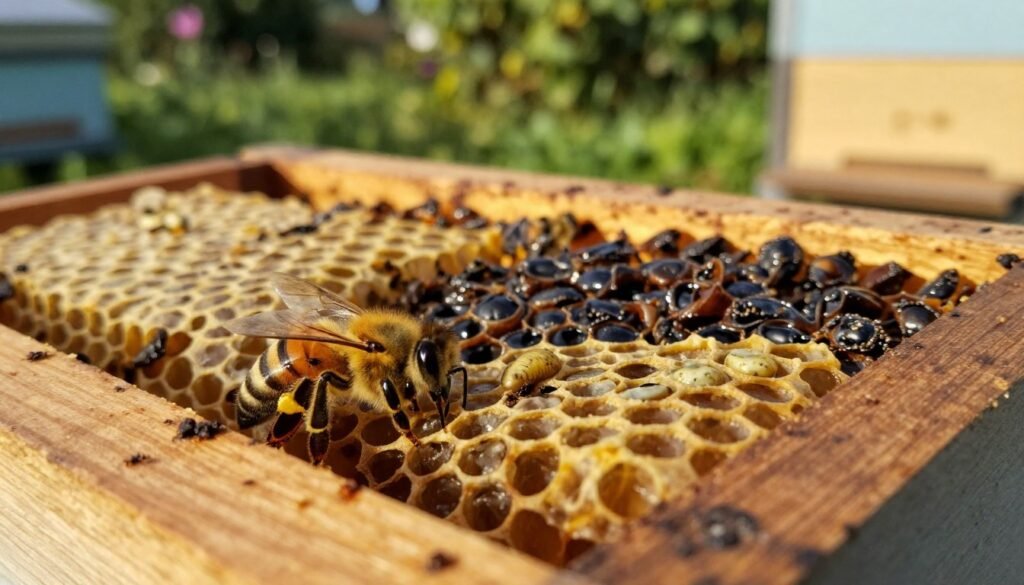
European Foulbrood Signs
European foulbrood often kills larvae at about 4–5 days old. Affected larvae look twisted, discolored, and unsegmented before capping. Strong records of brood appearance across days help with early detection.
American Foulbrood Detection
American foulbrood shows sunken, greasy cappings and a darkened brood frame. The simple AFB rope test confirms infection when larval residue stretches more than 2.5 cm on a matchstick.
- Notify authorities immediately if suspicious cells appear; these infections are notifiable and can destroy a colony.
- Use disinfectant such as Virkon S between hive checks and limit swarm spread by managing hive space and food stores.
- Training and research help beekeepers improve early detection, tests, and treatment choices that protect honey and hive health.
Learn more about official reporting and regional guidance on bee diseases.
Recognizing Common Viral and Fungal Infections
Viral and fungal agents often leave distinct marks on brood and adult bees that trained eyes can spot quickly.
Chalkbrood appears as mummified larvae in perforated cells. White, chalky remains often tilt the brood pattern and reduce brood area in the colony.
Sacbrood virus shows in larvae that fail to pupate. Affected larvae look stretched and discolored, and this sign may reflect heavy varroa pressure in the apiary.
Nosema is a gut fungal infection that may cut forager life span and lower honey yields. A colony with poor spring buildup may also carry this pathogen.
- Varroa and associated viruses can deform wings and weaken the whole colony over time.
- Chronic bee paralysis may show trembling workers and glossy, hairless bodies.
- Distinguish common infections from notifiable threats before treatment choices are made.
| Infection | Key sign | Immediate action |
|---|---|---|
| Chalkbrood | Mummified larvae in perforated cell | Improve ventilation, remove affected frames |
| Sacbrood virus | Stretched, discolored larvae | Check varroa levels, support brood health |
| Nosema | Poor spring buildup, reduced honey | Feed as needed, consider treatments |
| Varroa-vectored viruses | Deformed wings, weak workers | Treat mites, record results over time |
Best Practices for Apiary Biosecurity
Preventing spread at the yard level keeps a single problem from becoming an apiary-wide loss. Implement clear routines that limit contact between units and reduce risk for all colonies.
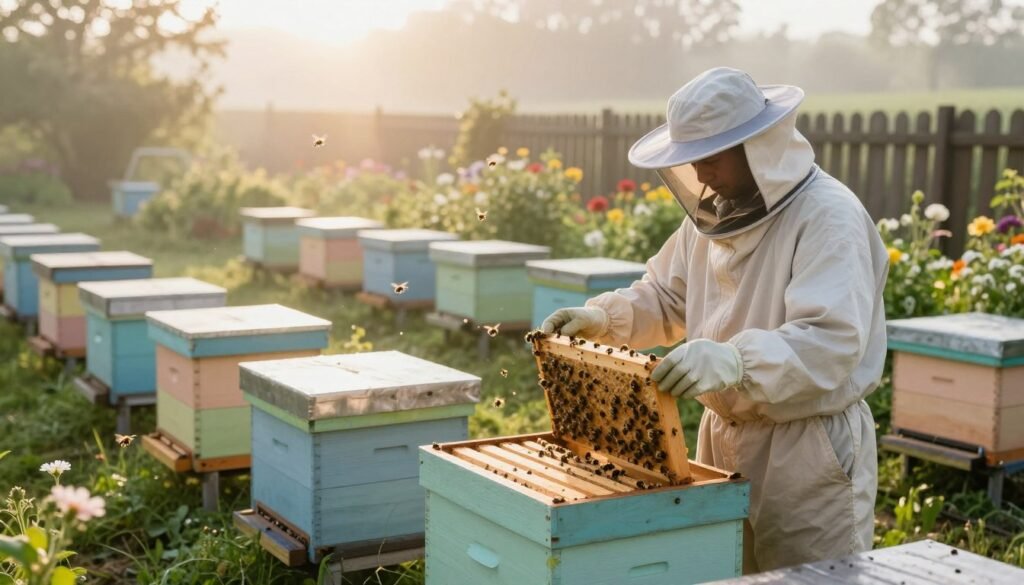
Disinfection is central. Use Virkon S where appropriate; it kills 99.999% of microorganisms in less than 10 minutes. Apply it on used equipment and surfaces after an inspection.
Disinfection Protocols
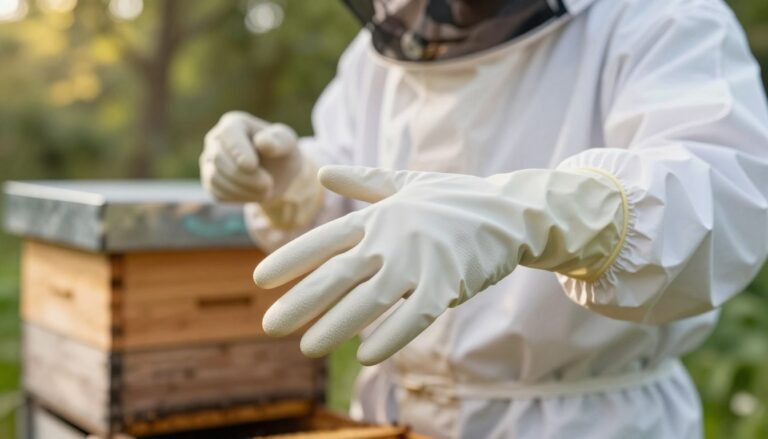
- Wash hive tools and gloves between inspections to avoid cross-contact between a healthy colony and one that is suspect.
- Wear disposable nitrile gloves and change them if signs of illness appear during an inspection.
- Disinfect boots and tool handles before entering another part of the yard.
- Inspect any suspected hive last, then clean and record actions taken.
Routine cleaning of frames, feeders, and storage boxes reduces virus load and preserves honey quality. Good records of actions and outcomes help refine control measures over time.
| Action | Target | Benefit |
|---|---|---|
| Virkon S spray | Tools, surfaces | Rapid kill of microbes, low residue |
| Glove changes | Between hives | Limits cross-contact |
| Boot disinfection | Yard entry | Blocks pathogen introduction |
| Inspect last | Suspected colony | Protects other colonies |
Managing Hive Space for Weak Colonies
Matching cavity size to a small colony helps bees save energy and keep brood warm. Primal Bee hives permit this with follower boards that consolidate the nest around the cluster.
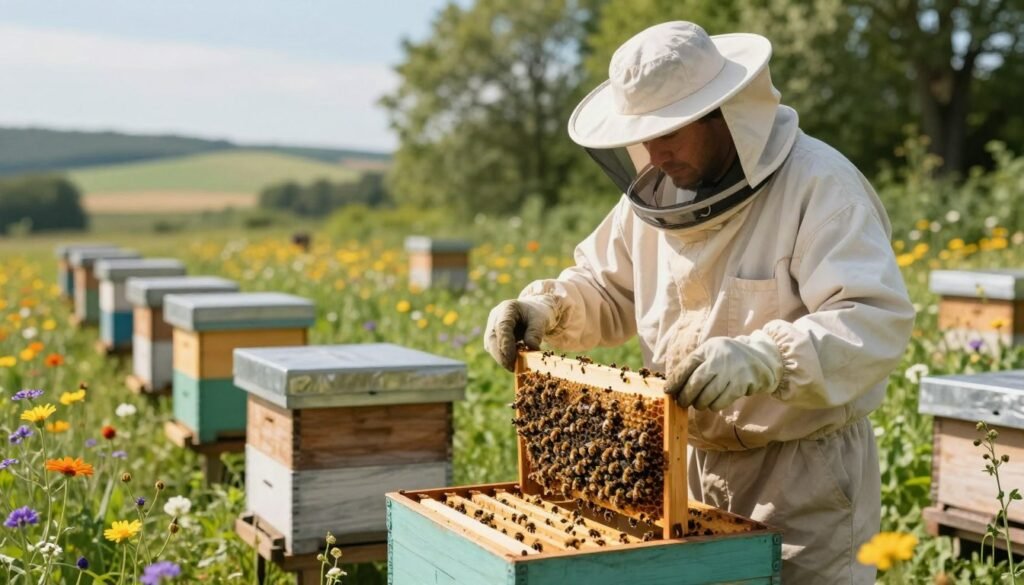
Reduce empty volume by moving the follower board one frame at a time. This gradual approach lets the queen and population expand without shock.
Keep honey stores close to the cluster so bees do not cross empty space. Consolidation aids defense and lowers stress that can worsen virus pressure.
- Use follower boards to create a snug nest when the colony is small.
- Give a strong colony full 8-frame access during buildup to prevent congestion and swarming.
- Watch entrance activity and population trends before enlarging the hive.
Good space management is a core element of hive control and recovery. Combine this with regular hygiene checks and consult an apiary hygiene checklist as part of overall management.
Strategic Feeding for Recovery
Direct-feed methods place food near the cluster so nurse bees can reach it quickly. Internal jar feeding offers an accessible source during dearth and when the colony is drawing new comb.
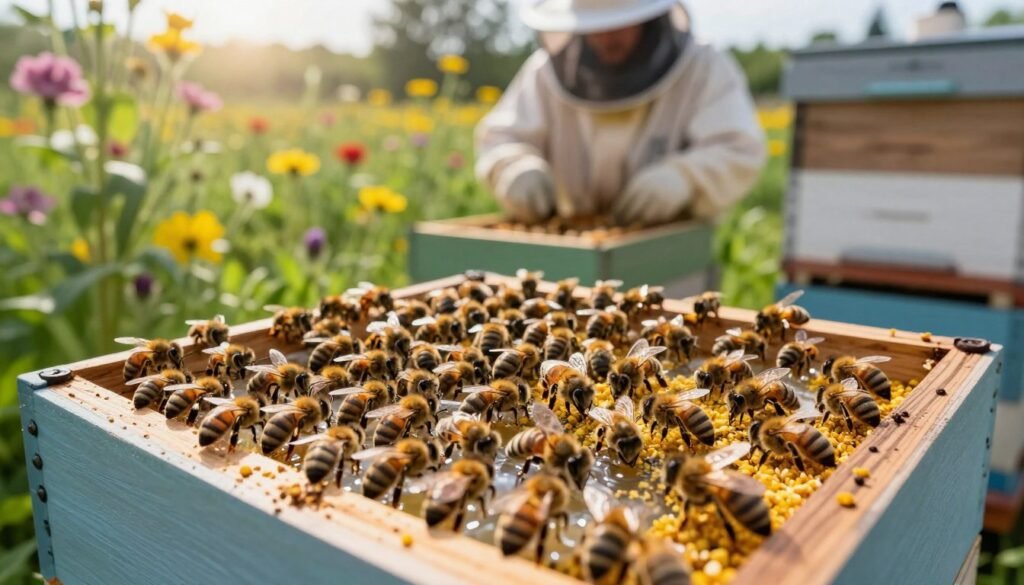
Feed only while it helps comb drawing and population growth. Excessive syrup can cause congestion and slow brood expansion. Keep feeds simple and hygienic.
Supplemental sugar or pollen substitute can carry a struggling colony through poor weather and lean periods. Proper nutrition keeps bees energetic and improves resistance against virus pressure.
- Place jars above the cluster so food is within easy reach.
- Check frames regularly to confirm stores are being used and not merely stored away.
- Stop feeding once comb is building and the population shows steady gain.
Strategic feeding belongs in every recovery plan. For practical steps on rebuilding a unit after decline, see this guide to recover a weak beehive.
Evaluating Queen Performance
A queen’s laying pattern often explains a stubbornly small population and guides urgent management choices.
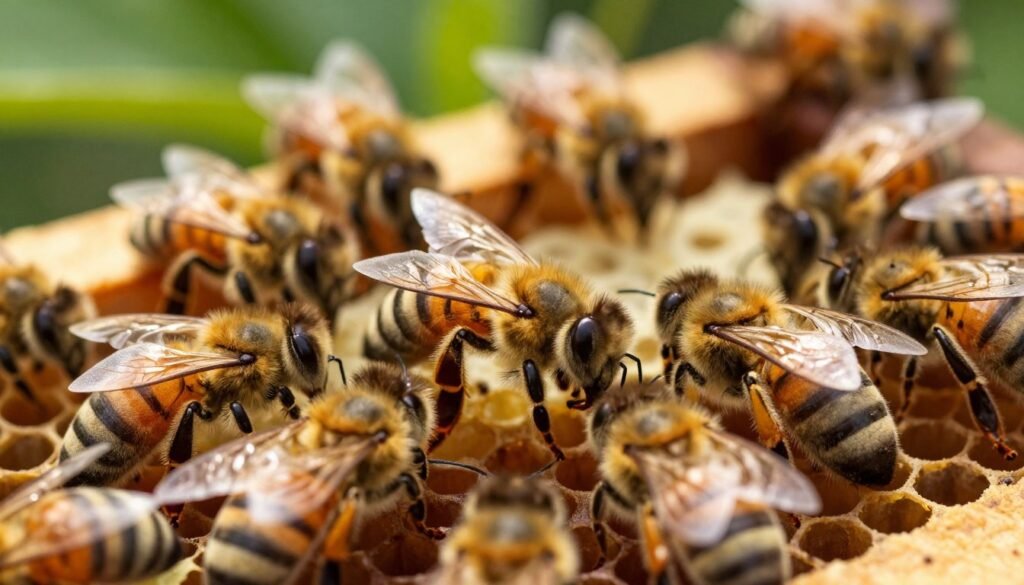
Look for steady egg presence and a neat brood layout across several frames. A consistent spread and mixed brood stages show a productive queen and a healthy laying rate. If eggs are sparse or brood is patchy, the colony may need intervention.
Inspect the hive for queen cells. Emergency or replacement cell formation reveals the colony’s response to queen failure. Requeening is often the best remedy when performance falls short.
Check varroa and mites levels during evaluation. High mite counts reduce queen longevity and impair brood quality. Treat based on test results and record outcomes for each hive.
- Confirm egg pattern on multiple frames.
- Note queen cells as signs of change.
- Requeen promptly when laying rate is poor.
Evaluating the queen is a core skill that helps beekeepers make clear choices about colony recovery and hive management.
Seasonal Considerations for Disease Monitoring
Seasonal shifts change colony needs; each period demands specific checks and timely responses.
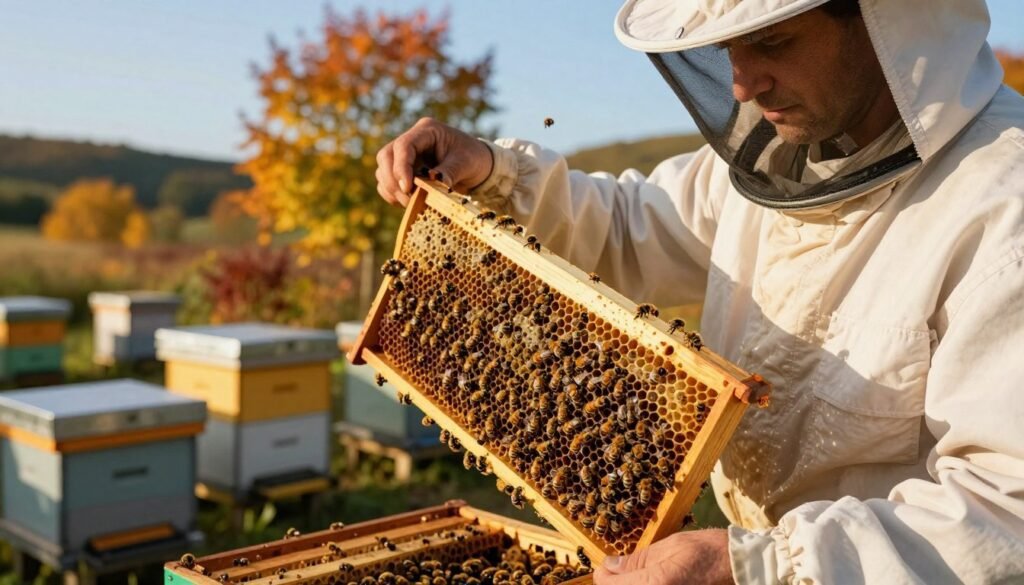
Spring focused on early space work and close checks of brood as the unit built. Expand cavity early when frames filled and watch for signs that required fast action.
Summer brought congestion risk. Crowded combs let varroa and other pests spread more quickly, so keep an eye on traffic and run a mite test during peak months.
Winter management shifted to food security and a snug cavity. A small, warm nest helped bees conserve energy and survive cold periods.
Year-round detection methods remained essential. Regular visual checks, periodic mite assays, and simple record keeping across periods helped catch problems early.
- Match space with population each season.
- Use consistent test methods for varroa and mites.
- Keep notes on brood trends and intervention outcomes.
| Season | Main focus | Action |
|---|---|---|
| Spring | Brood growth | Expand frames, inspect for early signs |
| Summer | Congestion control | Run mite test, reduce crowding |
| Winter | Food and heat | Consolidate cavity, secure stores |
Understanding annual cycles helped beekeepers plan and protect each colony. For practical steps on identifying unit strength, see identifying and supporting strong vs weak.
Interpreting Entrance Activity
A quick watch of bees at the entrance gives clear clues about colony trends without lifting a lid.
Steady forager traffic and bees returning with pollen usually show the queen is laying and brood are fed.
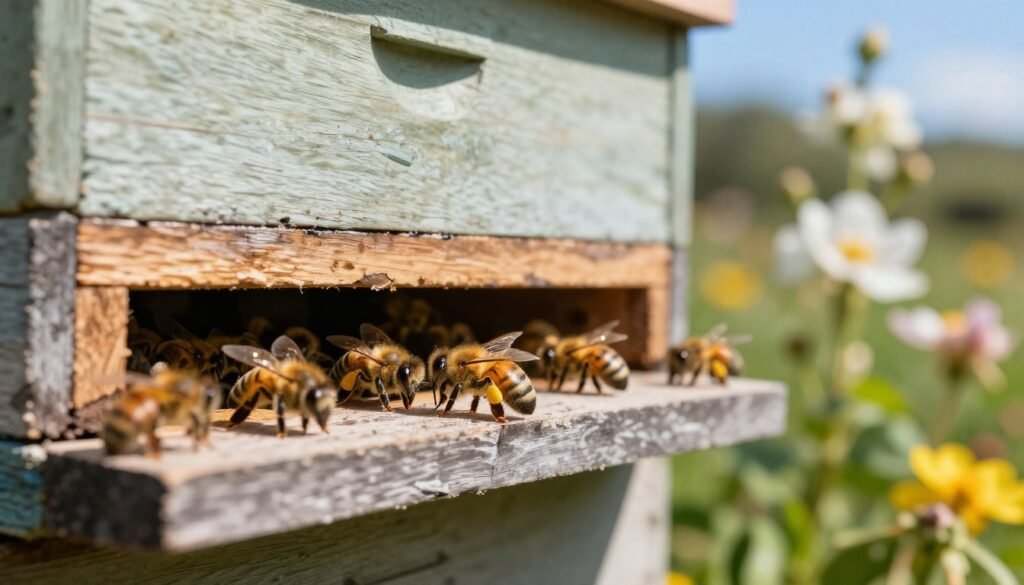
Note numbers entering and leaving across several short visits. A sudden drop in activity can signal a failing queen, recent swarm, or a spreading pathogen.
Look for visible varroa or mites on returning bees and on the landing board. Sluggish workers and little pollen brought in often point to an infection that needs prompt attention.
Compare entrance counts with frames covered during the next inspection. Consistent low traffic suggests population decline; strong flow means the hive is gathering resources.
- Observe regularly at the same time of day for reliable trends.
- Record counts and notes so choices about treatments, requeening, or space changes are timely.
- Inspect other hives in the yard when one shows abnormal entrance signs to protect the group.
When to Seek Professional Inspection
Unusual brood signs deserve a professional eye rather than guesswork in the yard. If you find suspect cells that might indicate european foulbrood or another notifiable threat, arrange a formal inspection right away.
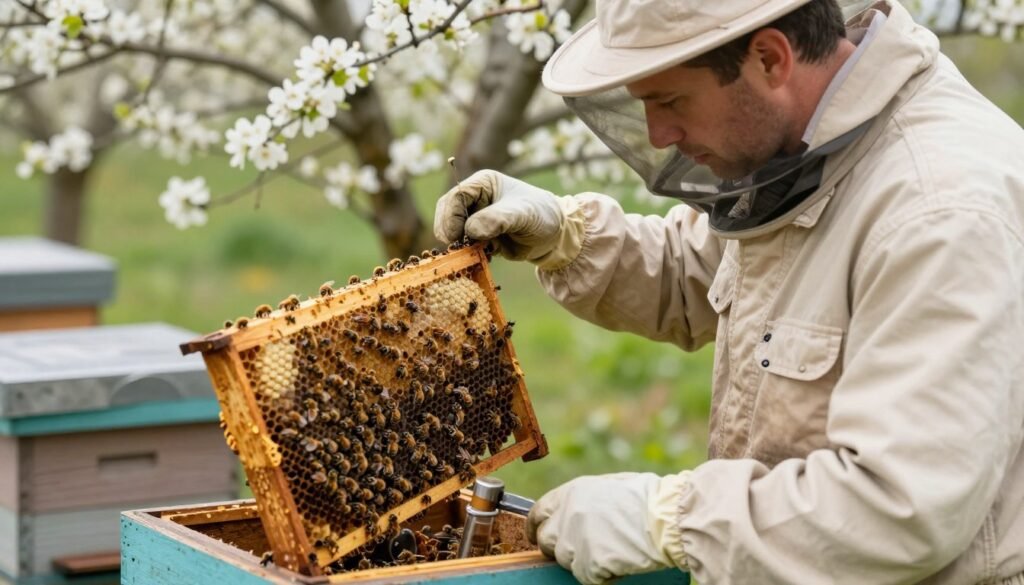
Local experts can confirm a diagnosis and provide clear next steps. Beekeepers should contact their regional bee inspector or association when unsure about hive health.
Early outreach yields faster containment and better outcomes. Professional inspectors offer testing, legal guidance, and practical support to prevent spread across an apiary.
- Alert an inspector if brood looks sunken, discolored, or oddly perforated.
- Build a relationship with local officials and keep their contact details on hand.
- Seek expert information before moving frames or sharing equipment with neighboring yards.
When in doubt, reach out. Prompt action can save your colony and protect other hives. For broader management tips and yard planning, see beekeeping expansion tips.
Advanced Diagnostic Tools and Research
New molecular tools reveal hidden infections in brood and adult bees that routine checks may miss.

PCR-based assays and microbiome sequencing now allow precise detection of viruses and bacteria in research hives. These methods can flag subclinical infections before brood or larvae show visible signs.
Historical research, including the 2003 Murine norovirus finding and earlier mouse parvovirus work, shaped modern protocols. That background improved tests used in studies of american foulbrood and european foulbrood.
“Early, accurate detection changes treatment choices and supports long-term management.”
Advanced testing helps track varroa and mites, and clarifies the role of nosema and other pathogens in seasonal spring, summer, and winter periods. Labs also assess queen health and population trends using molecular markers.
- Use lab-based tests when visual signs are unclear.
- Combine field methods with PCR results for robust information.
- Follow emerging research and invest in new diagnostics.
Read about digital tools in digital beekeeping promises and practical post-treatment counts at post-treatment varroa count.
Conclusion
Regular, small inspections paired with targeted tests build a reliable picture of brood health and early disease detection. Note any odd cell signs and record test results. Use clear records to track changes in number and trend.
Act fast when a virus or mite signal appears. Check queen laying and hive activity before choosing treatments. Prevent infections from spreading by following proven hygienic steps and official guidance like the American foulbrood guidance.
Across seasons and periods, steady observation keeps population growth on course and lowers the rate of losses. With simple routines, timely detection, and honest record keeping, beekeepers help their apiaries remain productive and resilient.
FAQ
What basic signs indicate a weak hive needing closer checks?
Look for low bee numbers on frames, spotty or sunken brood, many empty cells where larvae should be, persistent robbing, and reduced forager traffic at the entrance. Also note unusual odors and dead bees on the bottom board. These signs often appear in spring and summer and can point toward mites, Nosema, or brood infections.
How do I evaluate brood pattern and larvae health during inspections?
Open a few central frames and inspect capped and uncapped brood. Healthy brood appears uniform with few empty cells and creamy, curved larvae. Dark, sunken, or punctured cappings, scattered brood, or discolored larvae suggest problems such as European foulbrood, American foulbrood, or nutritional stress.
What non-invasive methods help track hive condition without opening the colony?
Use entrance observations, periodic weighing, and temperature/humidity sensors. Video or time-lapse cameras help track forager flow. Regular checks of food stores and entrance behavior reduce disturbance while providing useful trends in colony strength and health.
When should I run varroa tests and which are most reliable?
Test mite levels in late summer and again in early fall, and whenever brood decline appears. The alcohol wash and powdered sugar roll give reliable estimates of phoretic mite load. Aim for treatment thresholds specific to your region—many beekeepers treat when mites exceed 3%–5% infestation of sampled workers.
What signs point specifically to European foulbrood (EFB)?
EFB shows scattered, twisted, discolored larvae with a sour or sour-sweet odor. Larvae die before cell capping or shrink into twisted, discolored remains. Brood pattern appears patchy. If you suspect EFB, follow local notification rules and consult extension services for confirmatory diagnosis.
How can I detect American foulbrood (AFB) early in a weak colony?
AFB produces a foul, rotting odor, sunken perforated cappings, and ropey larval residue when probed. Dead larvae may form hard, dark scales attached to cell walls. AFB is notifiable in many areas; isolate the hive and contact your state apiary inspector for testing and mandated control steps.
Which viral and fungal infections should be watched for and what are their indicators?
Watch for deformed wing virus (deformed adult wings), chronic bee paralysis virus (shiny, hairless bees, trembling), and Nosema (dysentery on hive surfaces, reduced foraging, swollen abdomens). Lab tests confirm viruses; Nosema can be screened by spore counts from sampled abdomens.
What biosecurity steps reduce disease spread between hives?
Clean tools between inspections, burn or deeply disinfect heavily infected comb, use dedicated suits or change gloves, and avoid moving frames between apiaries. Control robbing with entrance reducers and maintain strong nutrition so colonies resist infection. Quarantine new stock until inspected.
How should I manage space for struggling colonies to aid recovery?
Reduce volume with inner covers or hive bodies so bees can thermoregulate. Combine very weak colonies with healthy, queen-right hives using the newspaper or shook swarm methods when appropriate. Avoid over-supering; stressed colonies need concentrated resources and brood warmth.
What feeding strategies support recovery of underperforming hives?
Provide light syrup (1:1 sucrose:water) during nectar flow gaps and heavy syrup (2:1) when building stores for winter. Offer pollen substitutes or patty supplements to boost brood rearing. Avoid overfeeding sugar during active nectar flows and monitor for dysentery if Nosema is suspected.
How can I assess queen performance in a struggling colony?
Check for consistent, regular egg-laying across central frames and presence of all brood stages. Spotty laying, drone-laying patterns, or absence of eggs suggest queen failure or pathology. Consider requeening with queens from reputable suppliers when productivity stays low after other issues are addressed.
What seasonal factors affect disease risk and inspection frequency?
Spring brings brood expansion and higher pathogen transmission; inspect more frequently then. Late summer and fall stress from Varroa and deformed wing virus require tight monitoring. Winter inspections should focus on food stores and ventilation while minimizing disturbance.
What entrance activity changes should raise concern?
Reduced forager return rates, bees crawling or dragging at the entrance, sudden influx of robbers, or large numbers of dead bees outside signal trouble. Observe peak foraging hours for accurate comparison and correlate with other indicators before acting.
When is it time to call a professional apiary inspector or veterinarian?
Contact a professional when notifiable diseases are suspected, when treatments fail, or when multiple hives show rapid decline. Inspectors can perform lab-confirmed diagnostics for AFB, EFB, and viruses and advise on legal and effective control measures.
What advanced tools and recent research help diagnose infections?
Molecular PCR tests detect viruses and bacterial pathogens; Varroa resistance testing and hive-mounted sensors for continuous temperature and humidity monitoring are increasingly accessible. University extension programs and USDA research publish region-specific thresholds and treatment recommendations.