Maintaining your uncapping knife keeps honey harvesting smooth and sanitary. A well cared for Varomorus 11″ Uncapping Hot Knife with a quality stainless steel blade stays sharper and resists corrosion. Professional beekeepers rely on the right tools when they face sticky wax and warm honey.
Electric uncapping units need quick attention after use. Wiping the steel blade and removing wax prevents residue buildup that can affect flavor and sanitation. Let the blade cool or rest it in shallow water to stop honey from burning.
Simple routines protect your tool and extend its service life. Follow manufacturer guidance and check the linked guide on uncapping practices for tips that fit commercial and hobby setups: uncapping honey tips.
Key Takeaways
- Clean the stainless steel blade after each use to avoid sticky buildup.
- Maintain the hot knife temperature so wax melts smoothly.
- Use basic routines that protect your tools and product quality.
- Small steps keep honey harvesting efficient and sanitary.
- Trusted equipment, like the Varomorus tool, pays off over time.
The Importance of Maintaining Your Uncapping Tools
Keeping uncapping equipment in top shape directly impacts your harvest quality. Regular care preserves the taste of honey and lowers contamination risk. This matters whether you run a small apiary or manage larger hive operations.
The role of hygiene
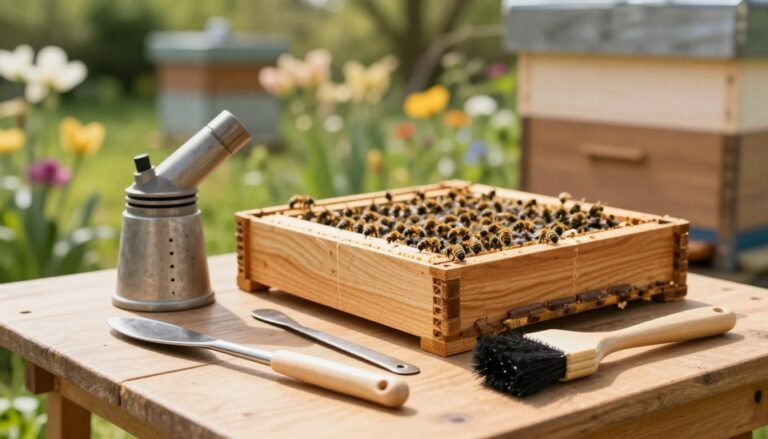
Hygiene influences honey quality more than many beekeepers expect. Dirty forks, a grimy bee brush, or wax buildup on a stainless steel uncapping knife can introduce debris and attract pests. Clean tools help ensure every cell yields uncontaminated honey during extraction.
Protecting your investment
The Varomorus Stainless Steel Hive Frames Double 12V Electric Knives unit processes both sides of a frame. That speeds up honeycomb uncapping but requires routine maintenance. Wiping blades, checking frames, and storing tools dry keeps steel working longer.
- Maintain the uncapping fork and bee brush to maximize honey harvest and product quality.
- Keep the extractor and frames free from wax and debris so each cell gives its best yield.
- Double electric methods save time, but cleaning extends equipment life and protects your investment.
For practical guidance on uncapping beehive frames and choosing the right equipment, consult this detailed uncapping guide and a useful overview of beekeeping equipment.
Why You Must Learn How to Clean an Uncapping Knife Properly
A dull blade and wax buildup turn a short job into a messy, time-consuming chore.
Learning the right routine prevents stubborn wax and honey residue from bonding to stainless steel. A well tended blade lets the knife glide across comb without tearing cells. That protects yield and maintains honey flavor.
Neglect damages the edge and shortens tool life. Even skilled beekeepers struggle with warped steel and sticky frames when the fork and blade are ignored. Small steps now save work later.
- Sanitation: Clean surfaces reduce contamination risks for bees and product.
- Performance: A sharp stainless steel edge preserves comb structure during processing.
- Longevity: Routine care keeps the tool sharp and rust-free.
“Simple maintenance protects your investment and keeps harvests consistent.”
For a practical uncapping reference, see the guide to uncapping frames. For extractor care that pairs with blade maintenance, consult cleaning and maintaining extractors.
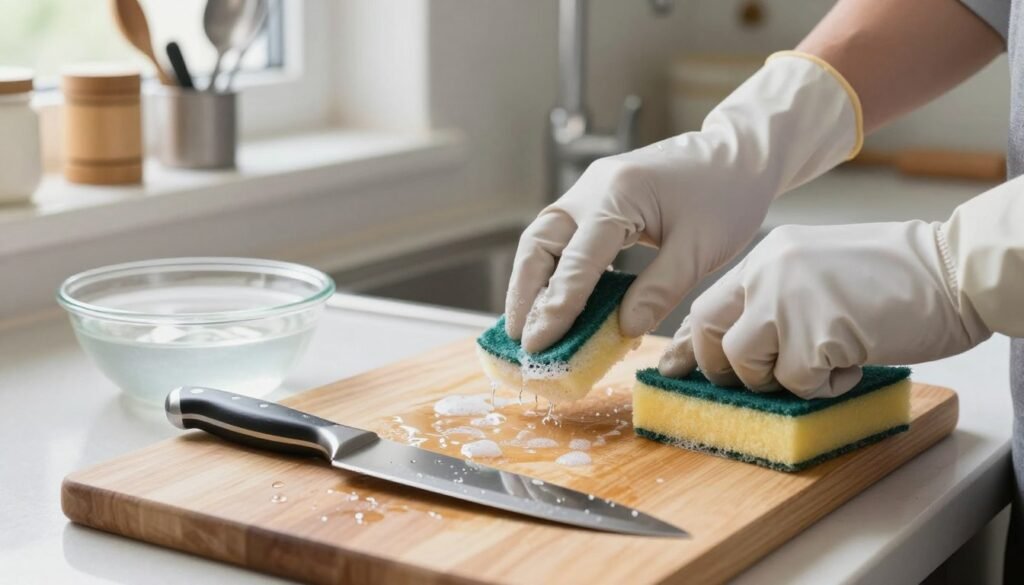
| Issue | Cause | Result | Quick Fix |
|---|---|---|---|
| Wax buildup | Left on warm blade | Tearing comb, poor extraction | Wipe warm blade; rinse with warm water |
| Blade dulling | No routine sharpening | Rough cuts, lost honey | Hone edge; store dry |
| Corrosion | Stored wet | Rust spots, shorter life | Dry and oil stainless steel lightly |
The Principle of Immediate Action After Harvesting
Immediate attention after harvest prevents wax honey from bonding to steel. Clean-up while the blade remains warm keeps sticky residue soft and easy to remove. This simple rule speeds work and protects every honey frame.
Thermodynamics of Wax and Honey
Heat matters. A hot knife keeps wax caps liquid and lowers viscosity. That allows smooth honeycomb uncapping and reduces damage to each cell.
Professional beekeepers rely on this method during honey harvest. Waiting lets wax solidify and forces more scraping, which can tear comb and waste honey. Keeping a stainless steel uncapping knife at the right temperature makes extraction efficient and sanitary.
“Act fast while the tool is warm; it saves time and keeps frames intact.”
| Action | Why it works | Result |
|---|---|---|
| Wipe warm blade | Wax stays soft | Quick residue removal |
| Maintain heat | Low viscosity | Clean cuts, intact cells |
| Immediate rinse | Prevents setting | Less labor later |
For practical guidance on honey extraction methods and precautions, consult this honey extraction methods and precautions.
Step by Step Cleaning Protocol for Electric Knives
A stepwise protocol makes post-harvest maintenance fast and reliable. Follow these short steps after each honey extraction run to keep your 11″ stainless steel blade and 12v electric units working well.
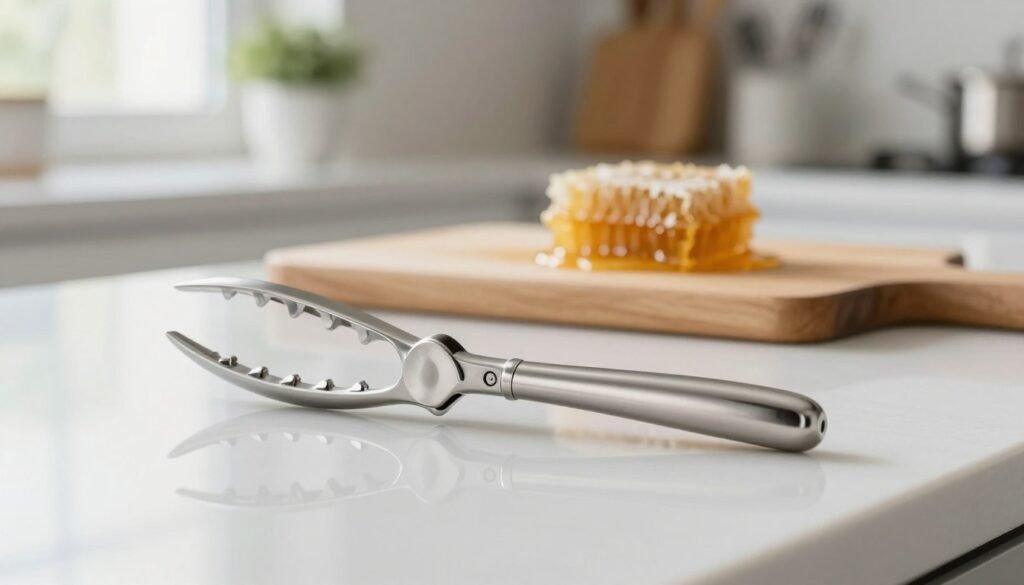
Safety Precautions
Always unplug the electric unit before touching the heated element. This prevents shocks and accidental burns.
Handle the steel blade with a thick rag or leather glove when it is warm. Never submerge the hot knife; thermal shock can ruin the heating element and stainless steel parts.
Removing Bulk Residue
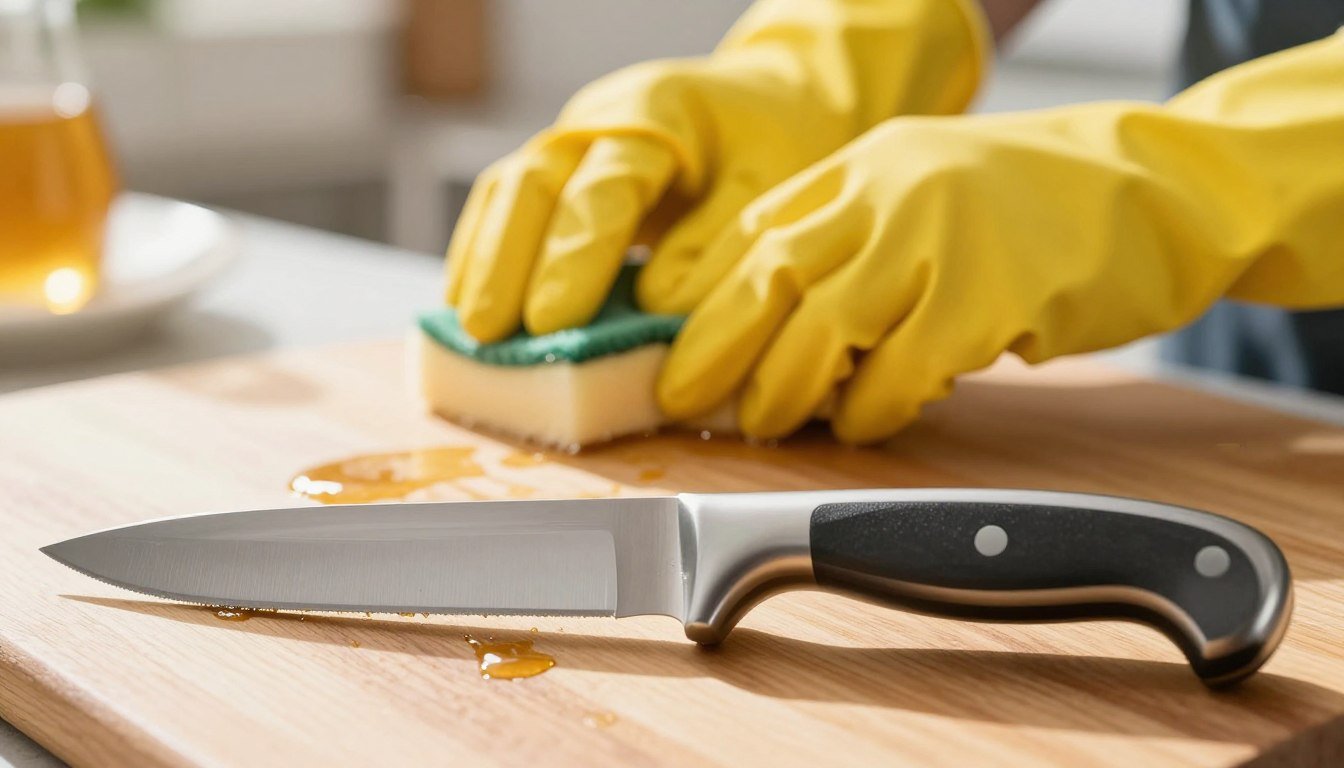
While the blade remains warm, use a dedicated rag to wipe away wax honey buildup. Gently scrape sticky residue with an uncapping fork or a soft plastic tool to protect the edge.
Keep frames and the bee brush nearby so you can tidy work surfaces before storing tools.
Steam Cleaning Techniques
Mist the hot steel blade lightly with water to loosen sugars and wax. The steam will soften hardened spots, making final wipes simple and fast.
“A small steam spray saves minutes and prevents long-term buildup.”
| Step | Action | Why it works |
|---|---|---|
| Unplug | Disconnect power | Prevents shock and overheating |
| Wipe warm | Remove bulk wax | Keeps blade sharp and swift |
| Steam mist | Loosen sticky sugar | Easy final cleaning |
| Store dry | Oil light if needed | Prevents corrosion on stainless steel |
For related equipment options that pair with this method, review recommended bee wax extraction equipment.
Common Pitfalls to Avoid During Maintenance
Maintenance missteps are common during busy honey harvesting days and they add up fast. Small errors ruin performance and cost time later.
Avoid abrasive pads like steel wool. They will scratch a stainless steel blade and roughen the surface of your uncapping knife.
Scratches trap wax and honey. That makes future wipes harder and invites pests into your workspace. Beekeepers see this most during peak harvest runs.
Never plunge a hot blade into cold water. Thermal shock can warp steel or crack heating elements. Instead, let the tool cool slightly and wipe or mist for steam release.
Avoid harsh chemicals on the uncapping fork and other tools. Strong solvents risk contaminating honey and harming bees. Use food-safe cleaners where needed.
- Do not use steel wool or scouring pads.
- Do not dunk a hot blade in cold sinks.
- Do not rely on strong solvents for routine care.
“Simple care preserves stainless steel tools and keeps comb intact.”
For step-by-step maintenance tips, review this maintenance tips and the honey harvesting guide.
Troubleshooting When the Blade Has Already Cooled
When a hot tool goes cold, simple warming steps can save the edge and finish.
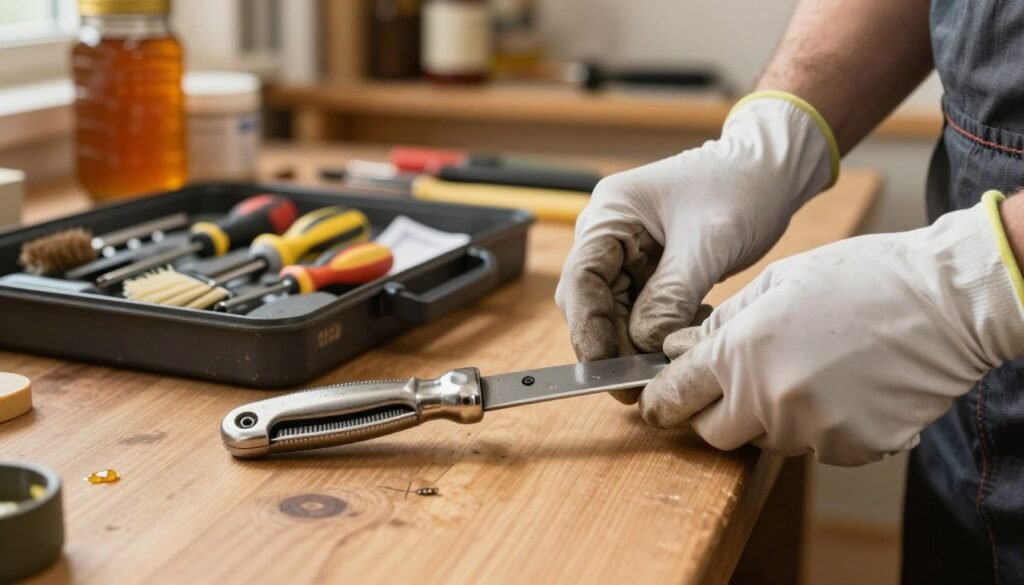
If the uncapping knife has cooled and hardened residue sits on stainless steel, avoid brute force.
A low-heat approach is safest. Use a heat gun or a hairdryer on a low setting to gently warm wax honey. That softens the residue without stressing the electric knife or heating element.
- Warm the blade slowly; keep the device unplugged when possible.
- Never scrape a cold blade with a metal fork — that causes deep gouges and ruins steel finish.
- Professional beekeepers use gentle heat rather than brute scraping to protect comb and frames.
- A heat gun on low lets you recover tools without risking electrical parts or stainless steel surfaces.
“Applying measured heat is the safest way to recover a blade left too long after harvest.”
Tip: If you need compatible gear for extraction and post-harvest care, review recommended extractor options that pair well with electric uncapping work.
Best Practices for Long Term Storage
A short routine before packing tools away preserves performance and prevents avoidable damage.
Start by making sure the stainless steel blade is completely dry. Any trapped moisture leads to rust during the off-season. Wipe and air the tool in a warm, dry spot before storing.
Preventing Corrosion and Rust
Store items by type. Keep the uncapping fork and other sharp tools in their protective cases. Cases stop dust buildup and protect edges on forks and cold knife blades.
Check the power cord on your 12v electric unit for frays or loose plugs. Coil cords neatly and place the tool in a dry box. This prevents damage and keeps the unit ready for the next harvest.
- Dry steel and blades fully; oil lightly if recommended for stainless steel.
- Keep frames and the honey extractor in a clean, ventilated shed or garage.
- Handle storage of a heat gun and extractor with the same care as the main toolset.
“Good storage saves time, preserves yield, and keeps beekeeping gear ready when bees are active again.”
| Item | Storage Tip | Why it matters |
|---|---|---|
| Uncapping fork | Protective case, dry | Sharp edge preserved; less dust |
| Stainless steel blade | Dry, light oil if stored long-term | Prevents surface rust and pitting |
| 12v electric unit | Inspect cord; store in padded box | Reduces electrical faults next season |
| Honey extractor & frames | Cover, ventilate, keep off damp floor | Prevents mold and preserves comb |
For stepwise guidance on extractor setup and extraction steps, see this extractor steps. Proper storage keeps your tools and frames ready for a smooth harvest.
Conclusion
Conclusion
Mastering a simple upkeep routine keeps your honey harvest pure and your tools ready. Small acts—wiping warm wax from the blade, checking cords, and storing items dry—save time and protect yield.
Regular attention protects the investment you make in beekeeping gear. It prevents wax build-up, preserves the knife edge, and helps maintain honey quality for bees and buyers alike.
Use these tips each season and consult this short guide on extract and store raw honey for related extraction steps. Keep routines simple, and your harvests will be cleaner, faster, and more productive.