
Reviewed by Thomas B. · Last Updated September 24, 2026 · How we review
No, a new package of bees does not need routine medication. Do not feed it antibiotics, fumagillin or “medicated” syrup as a precaution. The one decision worth making on purpose is varroa: a package arrives with no brood, so for about a week every mite is riding on an adult bee where oxalic acid can reach it. Whether you use that window with a label-approved oxalic acid treatment or skip it and monitor, have a plan before the first brood is capped.
Key Takeaways
- Antibiotics for honey bees have needed a veterinarian’s prescription or Veterinary Feed Directive in the US since January 2017, and they are for diagnosed foulbrood, not prevention.
- Nosema treatment should follow a confirmed spore count, not an installation-day habit.
- Every package carries some varroa. The broodless first week is the one time a single oxalic acid treatment can reach nearly all of them.
- Use only label-approved methods and doses. The oxalic acid label itself says to treat when monitoring indicates it is needed.
- Whatever you decide at installation, do a mite count in the first season and again in late summer.
Table of Contents
- The Short Answer by Medication Type
- Why Varroa Is the Exception
- Label-Approved Options for the Broodless Window
- A Simple First-Season Health Plan
- Frequently Asked Questions
The Short Answer by Medication Type
| Product type | Use on a new package? | Why |
|---|---|---|
| Antibiotics (oxytetracycline, tylosin, lincomycin) | No, not preventively | Prescription or VFD only since 2017; used for diagnosed American or European foulbrood |
| Fumagillin (nosema) | Only after a positive spore count | Nosema is diagnosed with a microscope, not by symptoms or calendar |
| Medicated or additive syrup | Not needed | Plain 1:1 sugar syrup is all a new colony needs |
| Varroa miticide | Consider once, in the broodless window | Every package carries mites, and there is no capped brood for them to hide in |
The antibiotic rule comes from the FDA. Since January 1, 2017, oxytetracycline (Terramycin), tylosin (Tylan) and lincomycin (Lincomix) for bees require a veterinarian, as explained in the University of Arkansas extension’s summary of the FDA rule for beekeepers and the FDA’s own questions and answers. The vet has to examine the colonies, so there is no legal “just in case” dose. If you ever suspect foulbrood, learn the early signs of European foulbrood and contact your state apiary program. In North Dakota, the Department of Agriculture’s apiary program inspects hives on request.
For nosema, a new package under stress can look sluggish or leave spotting on the hive front for reasons that have nothing to do with nosema. Confirm it first with a spore count; see our guide on testing for nosema spores at home.
Why Varroa Is the Exception
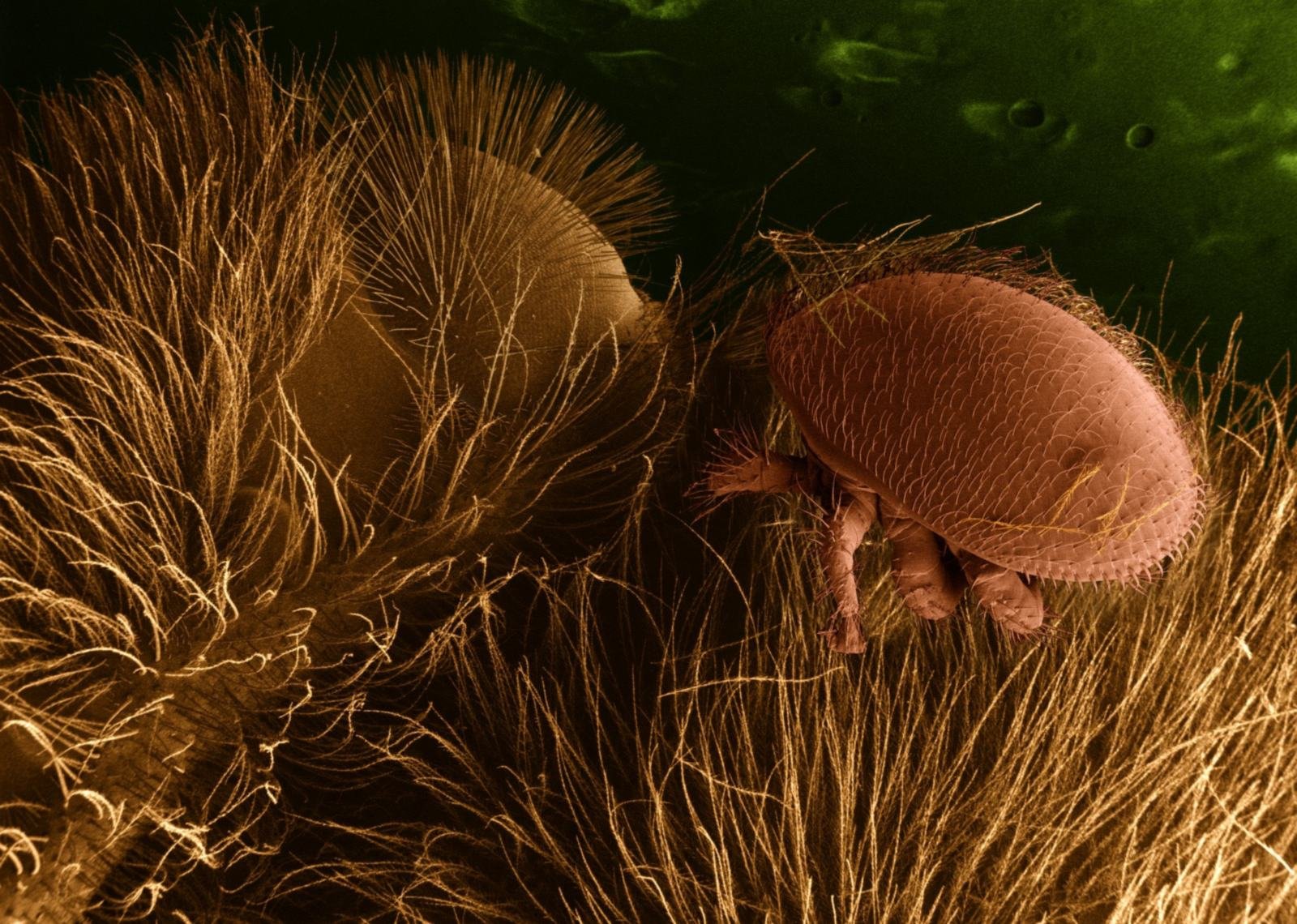
Varroa is not a disease you might get. It is a parasite you already have.
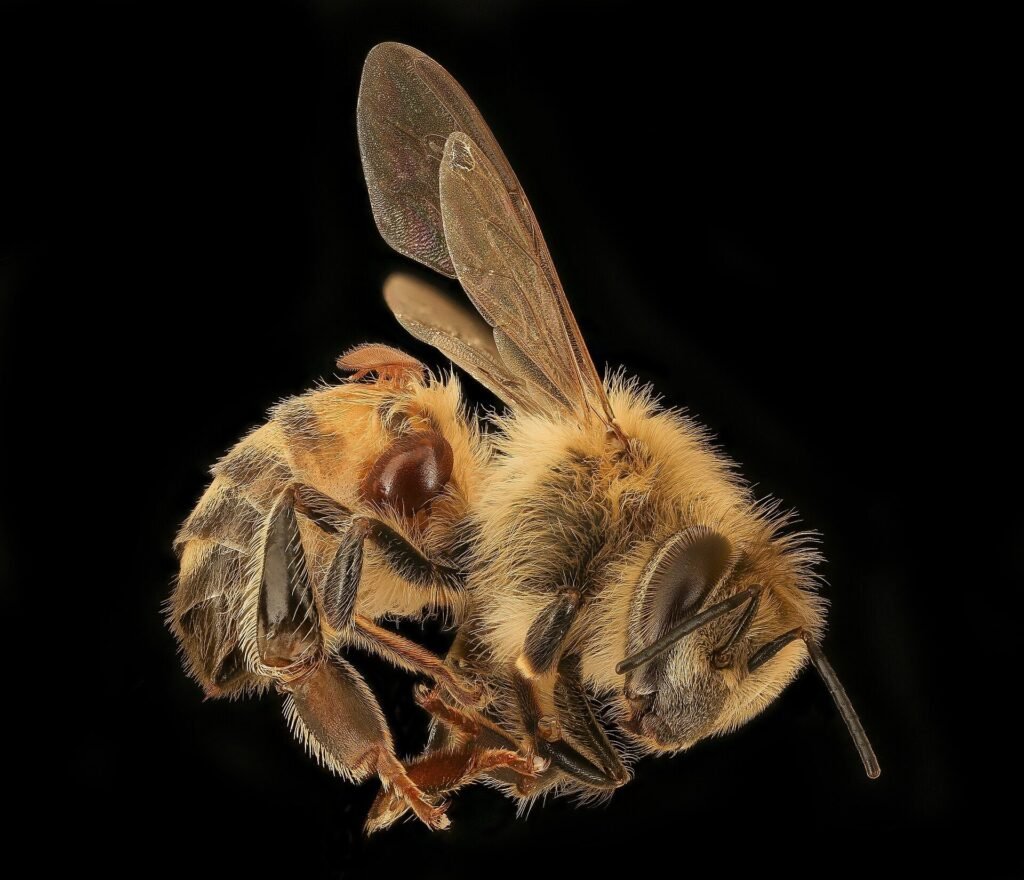
Every honey bee colony in the United States and Canada either has Varroa mites today or will have them within several months.
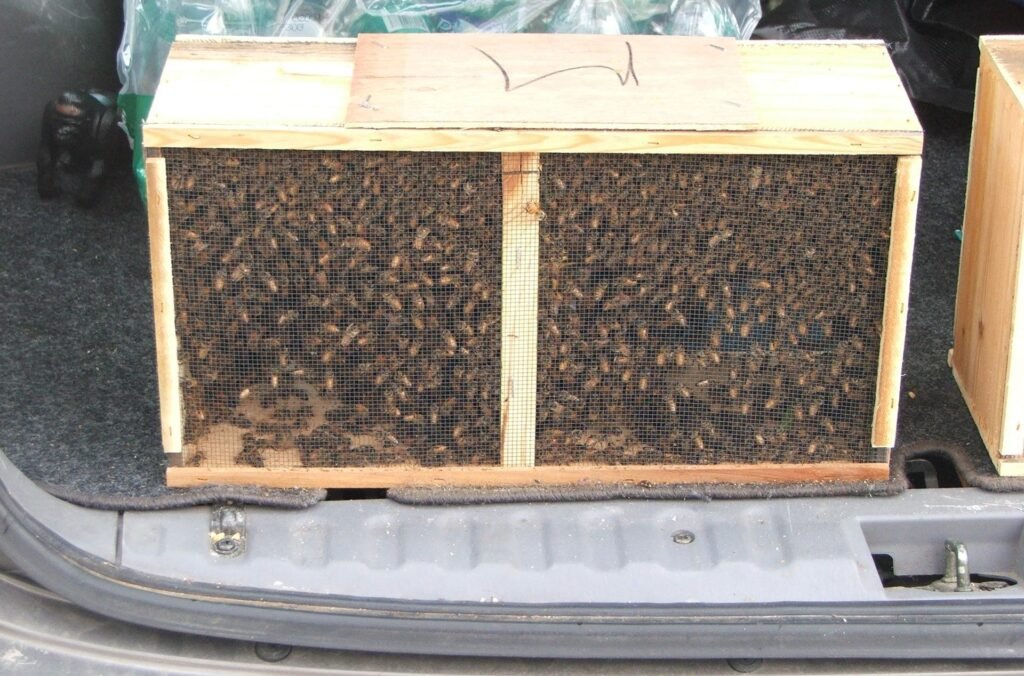
Mites reproduce inside capped brood cells. In an established colony most of them are sealed in brood at any given time, out of reach of treatments that only contact adult bees. A package is different. It is made of adult bees shaken from other colonies, so when it arrives every mite is on a bee. That stays true until the new queen’s first worker cells are capped, roughly eight or nine days after she lays her first eggs.

Research backs the idea of treating in this window. A University of Nebraska study set out to develop an oxalic acid protocol for package bees and concluded:
Our results support applying an optimum volume of 3.0 ml of a 2.8% OA solution per 1,000 bees to packages for effective mite control with minimal adult bee mortality.
That study’s dose is now written into the US label for Api-Bioxal (EPA Reg. No. 73291-2). The same label also says to apply only when monitoring indicates treatment is required and to consult state or extension thresholds. The honest reading: a broodless package is the best time to treat if it needs treating, and a quick mite count tells you whether it does.
Label-Approved Options for the Broodless Window
All three methods below appear on the current Api-Bioxal label. Read the full label and its protective equipment requirements before you start; oxalic acid is corrosive and the label is the law.
- Spray the package before hiving. The bees should be clustered first. Spray them with plain 1:1 sugar syrup at least two hours ahead, then evenly apply 3.0 mL of 2.8% oxalic acid solution per 1,000 bees on both sides of the package. The label’s example is a 2 lb package of about 7,000 bees, which needs 21 mL; at the same rate, a 3 lb package of about 10,500 bees works out to roughly 31 mL. The label then calls for holding the bees in a cool, dark room before hiving, which delays installation.
- Dribble after installation. Once the bees are in the hive and before any brood is capped, trickle 5 mL of the label’s oxalic acid in 1:1 syrup solution onto each seam of bees, up to the label maximum per colony. A package covering five or six frames needs far less than that maximum.
- Vaporize after installation. The label rate is 1.0 g per brood chamber with a restricted lower entrance and sealed upper gaps. It needs a vaporizer and a respirator, which is a lot of gear for one package.
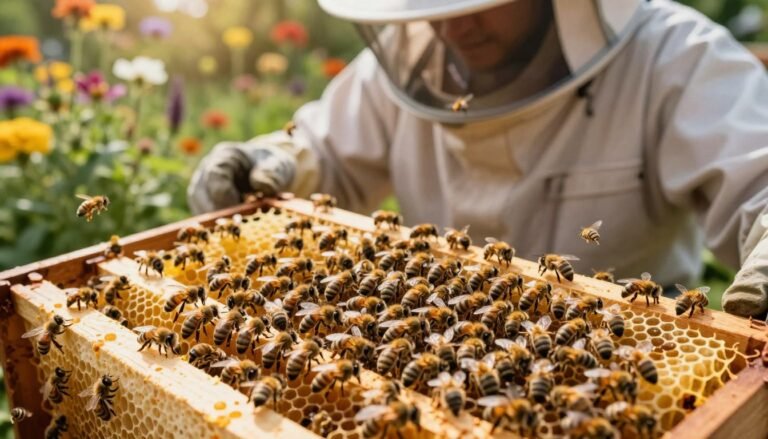
Most hobbyists find the in-hive dribble the easiest, done within about the first week after installation while the colony is still broodless. For more on methods and safety, see our oxalic acid treatment guide. Products that work through capped brood are designed for established colonies; check each label’s temperature and colony-strength limits before considering them for a small, new colony.
A Simple First-Season Health Plan
- Installation day: decide whether you will use the broodless window. If you can, wash a half-cup sample of about 300 bees from the package to see the starting mite load.
- Days 3 to 7: confirm the queen is out of her cage and apply any oxalic acid treatment before the first brood is capped.
- Weeks 6 to 8: take a first mite count using an alcohol wash or sugar roll; our guide to testing for varroa mites covers both.
- Late summer: count again and act on the result. In the Red River Valley, the colony raises its long-lived winter bees from late summer onward, and those bees need to be reared in a low-mite hive. Our seasonal varroa treatment calendar covers timing.
Everything else a package needs in its first weeks is management, not medicine: steady syrup, a small entrance and short inspections. See our guides on checking for eggs after installation and protecting new colonies from robbing. Robbing is one of the main ways new colonies pick up extra mites from neighbours.
Once a package is established, see varroa mite control methods for the options that fit each season.
Frequently Asked Questions
Should I treat my package bees for mites?
If a mite count shows mites, or you are not able to test, a single label-approved oxalic acid treatment in the broodless first week is the most effective treatment a package will ever get. If you skip it, plan a mite count six to eight weeks after installation.
Do package bees need antibiotics?
No. Antibiotics for bees require a veterinarian’s prescription or VFD in the US and are meant for diagnosed foulbrood. Giving them to a healthy package has no benefit and is not a legal preventive use.
Should I feed medicated syrup to a new package?
No. Plain 1:1 sugar syrup is what a new colony needs to draw comb. Add a medication only when a test has confirmed a specific problem.
When is it too late to use oxalic acid on a package?
Once the first worker brood is capped, which is around eight or nine days after the queen starts laying, mites begin entering cells where oxalic acid cannot reach them. A single treatment after that point is much less effective.
Can oxalic acid harm the queen or the package?
Label rates were chosen for low bee mortality, but overdosing, repeated dribbles and treating a chilled or stressed cluster can all cause losses. Follow the label exactly and plan on a single treatment in the window rather than repeated dribbles.
Bottom Line
Skip the antibiotics, the fumagillin and the medicated syrup. Put your attention on varroa: either use the broodless first week for one label-approved oxalic acid treatment, or commit to counting mites in early summer and again in late summer. If the colony later looks weak despite good feeding, our guide on when to requeen a weak package colony explains what to check next.

.jpg)

