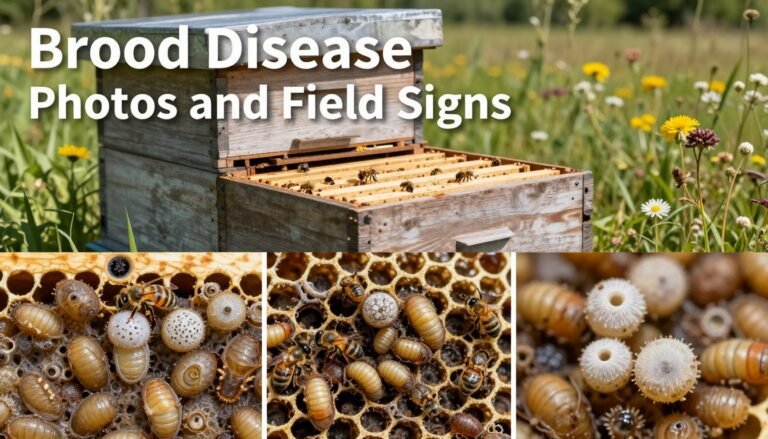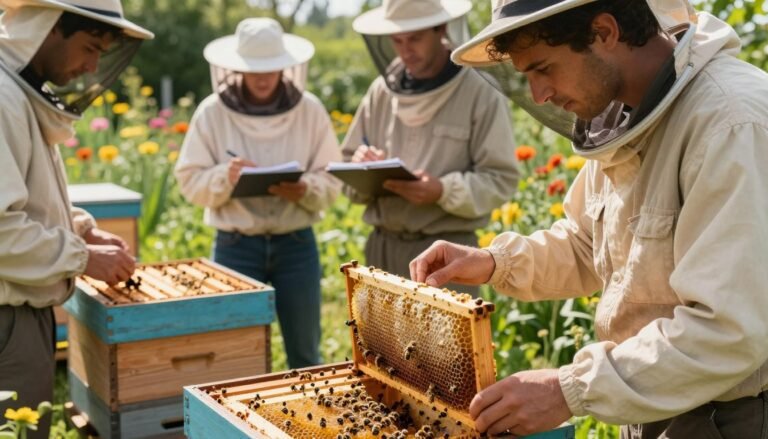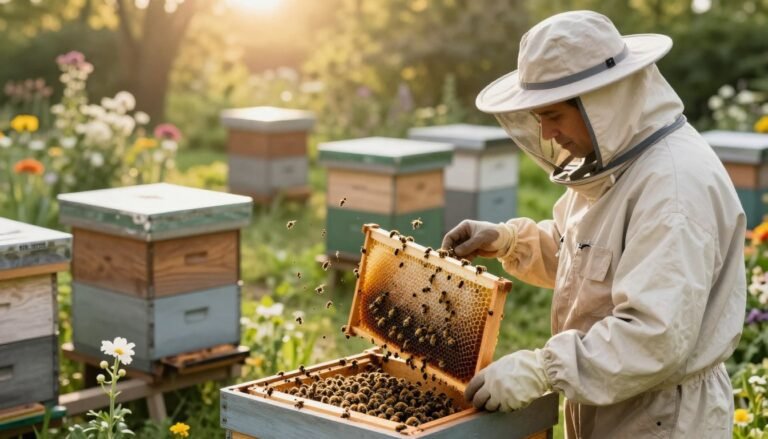
This short guide helps beekeepers detect early symptoms of a common hive ailment and act fast to protect their honey bee population.
Over 20 known pathogens can harm a healthy colony, but this article focuses on one of the most impactful — DWV — and how it shows up among worker bees.
We explain how visible wing deformities and other overt symptoms often point to high varroa mite levels and rising infection pressure. Spotting these cues early can prevent major colony losses during the winter period.
Practical steps in this article cover monitoring brood and mite levels, understanding transmission, and taking control measures to protect honeybee colonies and maintain productivity.
For detailed observations and lab-backed cues, see the resource on signs of trouble and use it to guide your checks.
Key Takeaways
- Recognize overt symptoms early to limit spread and loss.
- High varroa numbers often accompany visible wing deformities.
- Routine mite checks and post-treatment washes are essential.
- There is no cure for DWV; management focuses on control.
- Protecting brood reduces long-term impacts on the colony.
Understanding Deformed Wing Virus in Adult Bees
deformed wing virus is one of several pathogens that can shift from harmless to harmful when colonies face stress. Many honey bee viruses live quietly at low levels. A change in weather, food, or hive stress can let an infection expand quickly.
Affected individuals often emerge with malformed wings during pupation, which shortens life and reduces foraging. A declining worker population leads to smaller, less productive colonies and higher winter losses.
Key points to know:
- Most viruses persist without causing collapse until stressors appear.
- This infection targets wing development during pupal growth.
- Managing nutrition and mite pressure helps colonies cope.
| Feature | Effect on Honey Bee | Management focus |
|---|---|---|
| Low-level presence | Often asymptomatic; stable colony function | Routine monitoring |
| Developmental targeting | Malformed wings at emergence; reduced lifespan | Protect brood and limit stress |
| Replication under stress | Higher colony losses, poor honey flow | Improve nutrition before winter |
| Detection | Visible deformities; lab tests for dwv | Combine visual checks with diagnostics |
The Role of Varroa Mites in Viral Transmission
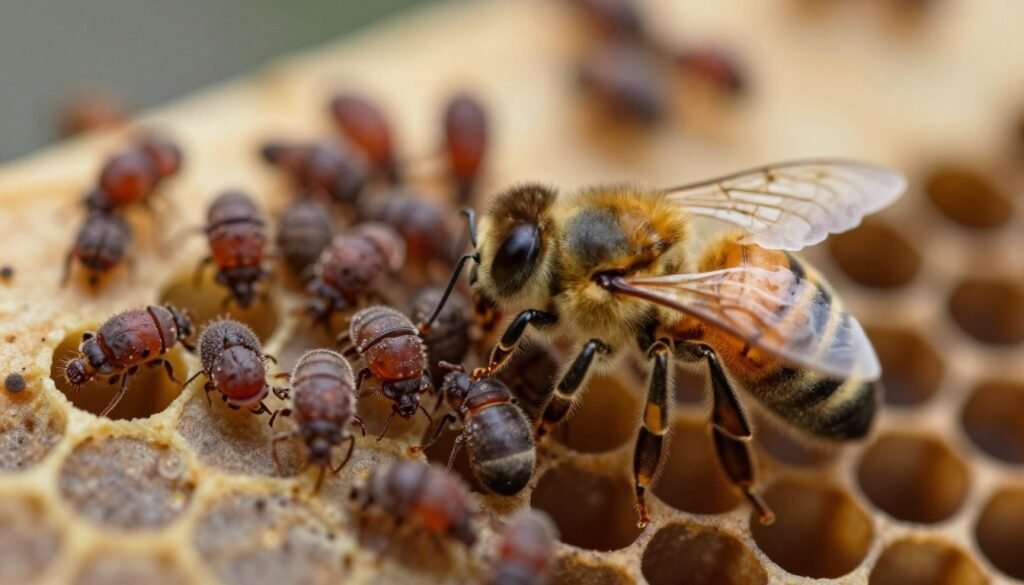
Varroa act as more than a physical parasite; they change how infections move through a hive. When mites feed, they breach protective barriers and lower immune response. That makes it easier for pathogens to take hold in a colony.
Two transmission routes matter most:
Mite-mediated transmission
Varroa mites transfer the deformed wing virus directly while feeding on developing brood. This interaction both spreads and amplifies viral load.
Key effects: mites weaken individual bees, impair immunity, and introduce dwv to pupae. The result is faster increases in colony levels and higher losses over days and weeks.
Non-propagative spread
Recent work shows the virus can move without replicating inside the mite. That non-propagative route means the pathogen persists even with low mite counts.
- Horizontal transfer occurs via fecal contamination, oral exchange, or cannibalism.
- Social behaviors like trophallaxis move the wing virus among honey bee members.
- Keeping mite populations low is the best long-term control to limit pathogen spread.
| Transmission route | How it spreads | Management focus |
|---|---|---|
| Mite feeding | Direct inoculation to brood and adults | Regular mite checks and targeted treatment |
| Non-propagative carriage | Virus carried without mite replication | Reduce mite populations and monitor viral levels |
| Social transfer | Trophallaxis, oral contact, cannibalism | Manage brood care and hygiene; isolate weak colonies |
For methods and lab findings that detail these pathways, see this recent research review.
Recognizing Overt Symptoms of Infection
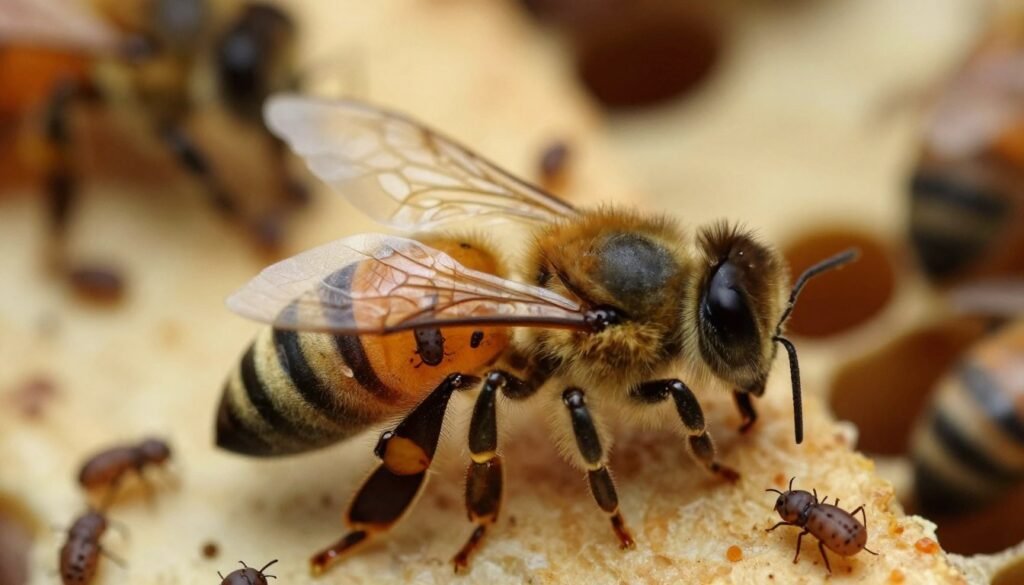
Look for flightless workers crawling at the entrance. These insects often have wrinkled, malformed wings and rounded or shortened abdomens. Such visible deformities usually point to heavy varroa pressure and a high load of the virus.
Summer is when these symptoms become most obvious. Hive and mite populations peak then, so you will see more affected honey bee individuals near the landing board. Severely sick honey bees cannot forage or care for brood.
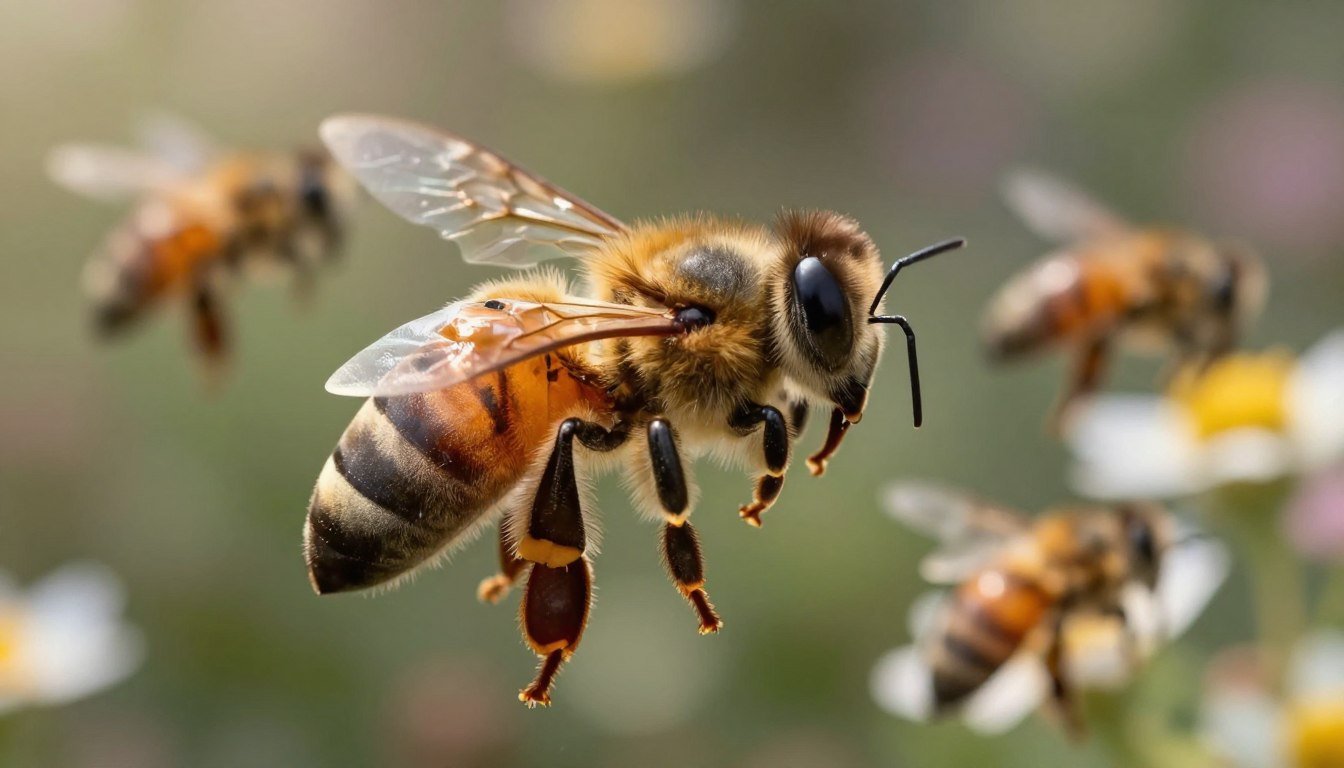
A photo by Klaas de Gelder captures a worker with clear physical deformities tied to severe mite infestation. Spotting several crawling or immobile workers means the colony has likely reached a critical threshold.
- Emergence with wrinkled wings and short abdomens = strong indicator.
- Crawling at the hive entrance = actively failing workers.
- Early detection lets you apply control before the winter cluster is compromised.
Identifying Subtle Behavioral Changes
Subtle shifts in behavior often reveal a brewing colony problem before physical deformities appear.
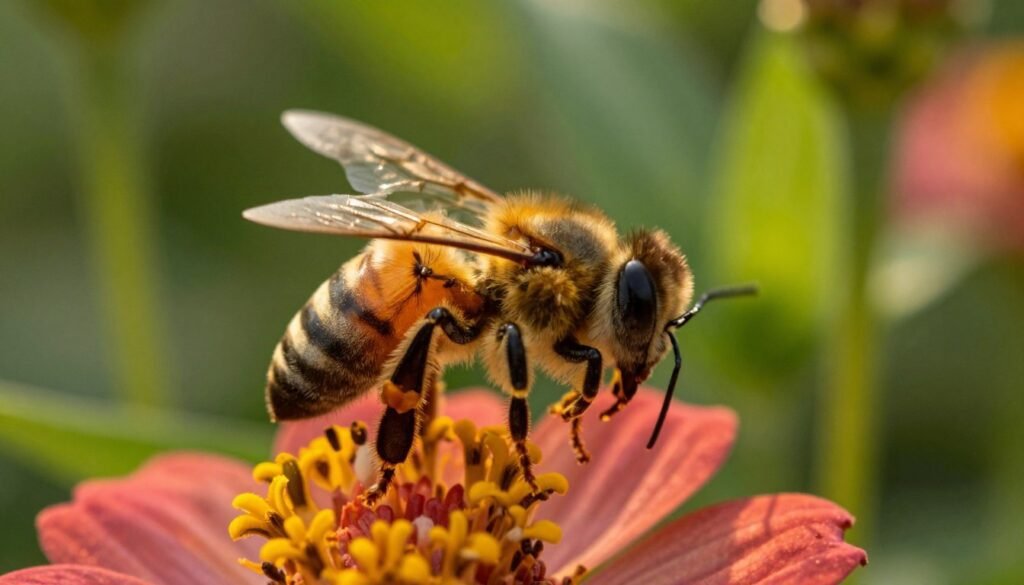
Precocious foraging is a common early change. Worker bees infected with dwv often begin foraging sooner than normal. This early role switch shortens their lifespan and weakens tasks inside the hive.
Learning and navigation suffer. Studies link the infection to altered mushroom bodies in the bee brain, which impairs associative olfactory learning. Even without visible damage, these workers make more orientation errors and return less often.
- Too many young workers leaving the hive during prime foraging hours.
- Erratic flight or poor homing after short trips.
- Reduced on-hive task performance and more crawling at the entrance.
Why this matters: Early foraging increases colony stress. Fewer nurse workers and more short-lived foragers accelerate population decline. Use routine checks and timed observations to spot changes.
For targeted mite and seasonal control steps that reduce behavioral impacts, see the late-summer varroa management plan.
How the Virus Affects Foraging Efficiency
Experimental tracking revealed that marked, infected workers returned less often with nectar than healthy nestmates. A study that followed 1,000 marked workers over a 19-day period found only 361 returning foragers used to measure success and specialization.
The infected cohort was less likely to bring nectar and, when they did, the sugar concentration was lower. This reduced nectar value cuts into stored honey and limits food for brood.
Behaviorally, infected individuals shifted toward pollen collection. That change keeps pollen delivery steady but lowers carbohydrate flow to the colony.
Researchers linked these outcomes to altered sucrose responsiveness. When taste response falters, efficient nectar foraging drops and learning suffers.
| Metric | Observed effect | Colony impact |
|---|---|---|
| Return with nectar | Significantly reduced among infected | Lower honey stores |
| Sugar concentration | Lower in nectar collected by infected workers | Weaker brood feeding |
| Foraging specialization | Shift toward pollen | Compensatory but nutritionally imbalanced |
What this means for beekeepers: a decline in nectar foraging is a clear sublethal cost of dwv and can presage reduced colony resilience. For controlled experiment details, see the controlled experiment.
The Link Between Viral Load and Colony Losses
High viral loads steadily weaken colony resilience and are strongly linked to winter mortality across North America and Europe.
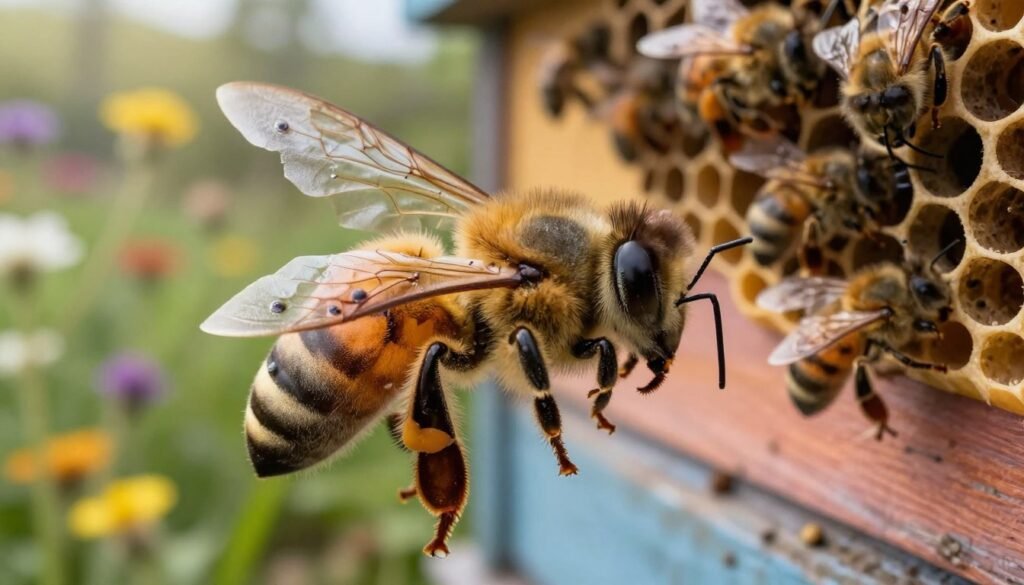
As infected workers accumulate, a honeybee colony loses productivity and overwinter success. Low immune response and poor brood survival amplify decline.
Multiple stressors make the effect worse. Poor nutrition, pesticides, and mite pressure together shorten worker lifespan and reduce foraging. That combination drives population drops and larger colony losses.
- Covert infection can quietly shrink the adult population over months.
- Presence of DWV and varroa in brood reduces colony resilience to environmental threats.
- Preventing high viral loads is essential to year-round hive health.
| Issue | Outcome | Control focus |
|---|---|---|
| High viral load | Reduced overwinter survival | Regular monitoring and timely treatment |
| Co-infection with stressors | Lower productivity and weaker population | Improve nutrition; minimize pesticide exposure |
| Mite-associated spread | Rapid amplification in brood and workers | Integrated mite control and brood protection |
For breeding and long-term mitigation, review advances on the future of varroa-resistant genetics.
Distinguishing DWV from Paralysis Viruses
This article helps you tell apart DWV-related developmental damage and the group of paralysis infections that target neural tissue.
Slow and acute paralysis
Acute paralysis viruses, such as ABPV and IAPV, act fast. Infected workers may tremble, shiver their wings, and collapse within hours.
Slow paralysis or SPV progresses more gradually but still harms flight and coordination. Both forms often appear when varroa loads rise.
Chronic paralysis symptoms
CBPV causes a distinct, dark and greasy look with hair loss and bloated abdomens. Affected workers may be harassed or removed by nestmates.
Progressive paralysis leads to steady decline and death. These infections can spill over to bumble and other wild pollinators.
| Feature | DWV (developmental) | Paralysis viruses |
|---|---|---|
| Main target | Brood development | Neural tissue |
| Key signs | Emergence issues; reduced flight | Trembling, greasy dark body, bloating |
| Management focus | Protect brood; monitor dwv and mite levels | Vigilant varroa control and hive hygiene |
- Tip: Keep mite pressure low — it is the best control against both DWV and bee paralysis virus outbreaks.
Investigating Nosema Disease Symptoms
Nosema infections attack the bee gut and can quietly sap colony strength over weeks. This parasitic microsporidium targets the midgut and shortens worker life. Nosema ceranae is now the more virulent strain and often displaces Nosema apis.
The spore reproduction cycle takes about 3–4 days. During that time spores multiply and destroy epithelial cells lining the bee stomach. That damage reduces digestion and nutrient uptake.
Visible clues include fecal streaking on frames and near the entrance, slow spring build-up, and dwindling adult populations. Infected workers may crawl on the ground and fail to fly.
Because spores pass in feces, long confinement during winter helps contaminate hive surfaces. Severe infections can leave colonies weak and prone to high mortality even when overt symptoms are sparse.
- What to watch: fecal staining, poor brood growth, and reduced honey stores.
- How it spreads: spore contamination via hive surfaces and close contact.
Understanding the K-Wing Condition
K-wing appears when a bee’s hindwings become disjointed and stick out perpendicular to the body, creating a K-shaped profile that stops normal flight.
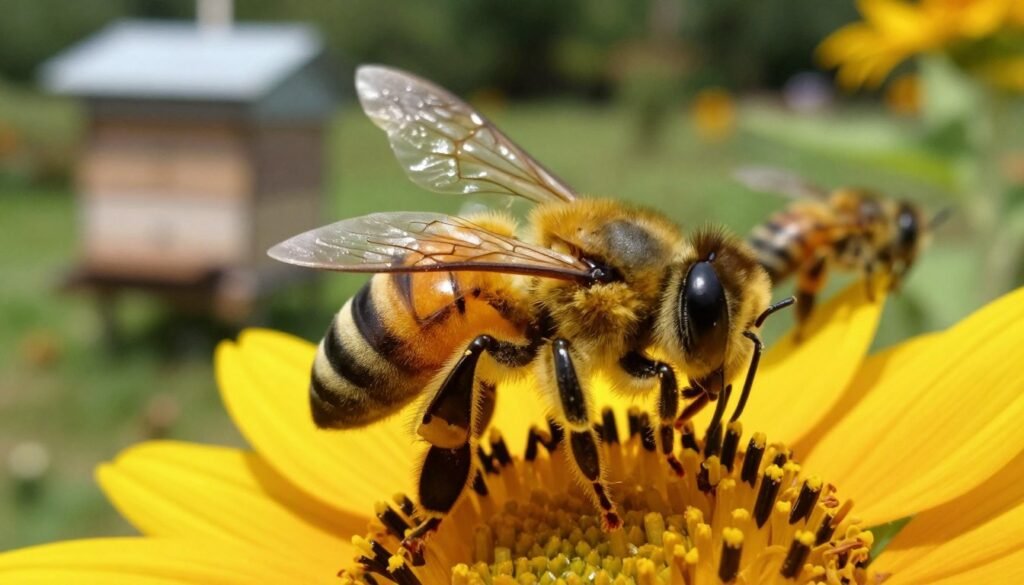
This condition is a symptom, not a disease. It can link to nosema, tracheal mites, or other viruses and environmental stressors. Affected insects often walk near the hive entrance rather than fly.
- Wing coupling fails when forewings and hindwings do not lock during flight.
- Many crawling individuals should prompt a health check of brood and overall colonies.
- Microscopic diagnosis is needed to identify the exact cause.
| Observed feature | Possible causes | Recommended action |
|---|---|---|
| Hindwings splayed outward | Nosema, tracheal mite, other pathogens | Collect samples; lab microscopy |
| Crawling at hive entrance | Flight inability; nutritional stress | Assess stores of honey and brood health |
| Multiple affected individuals | Colony-level stress or high mite load | Isolate colony and increase monitoring |
Note: This article helps you recognize the K-wing posture and decide when to test. Early attention keeps honey bees healthier and reduces larger losses among your bees.
Assessing Winter Mortality and Starvation
Late-winter checks often reveal that colonies die with food nearby but out of reach of the cluster. Starvation is a leading cause of colony losses during cold periods. When the cluster cannot move across frozen frames, bees freeze rather than eat.
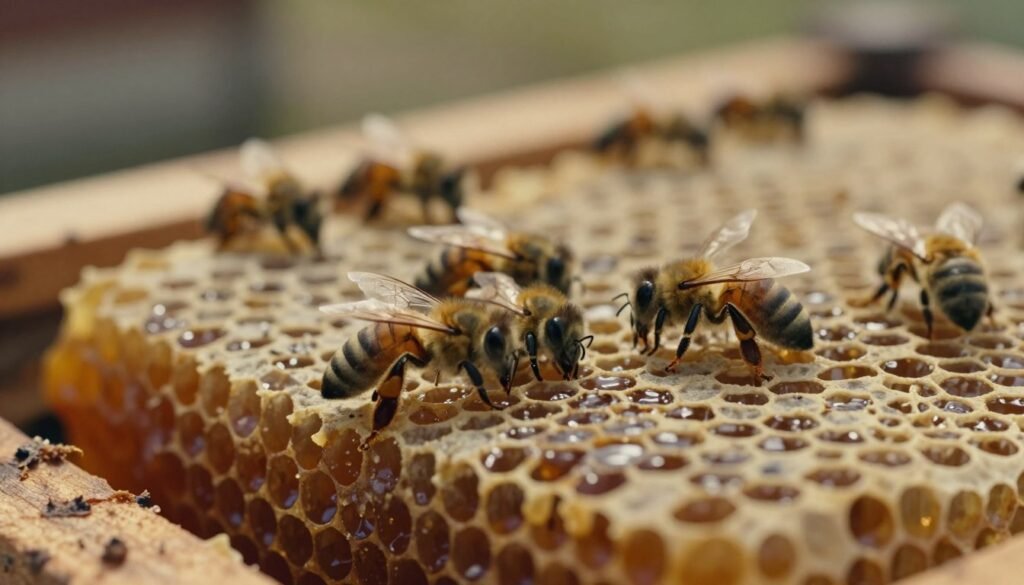
Signs of starvation in the cluster
Look for dead workers with their heads tucked into cells as if searching for honey. Often a small cluster remains on the comb, sometimes with the queen, while many corpses lie at the bottom board.
Practical steps: Place emergency feed directly above where the cluster sits. Use syrup wraps or a candy board for periods of extreme cold so the population can access food without moving far.
“If a hive is found dead but frames still hold stores, store those frames safely to prevent robbery and pest buildup.”
- Confirm true starvation before blaming disease; other causes like pathogens or Nosema can mimic collapse.
- If food is present, freeze or store frames to stop beetles and wax moths.
- Plan fall feed and winter arrangement to keep honey adjacent to the cluster and reduce winter mortality.
For guidance on identifying chilled brood and related winter checks, see this diagnostic resource. Proper winter management is essential to protect your honey bees until spring forage returns.
Diagnostic Methods for Viral Infections
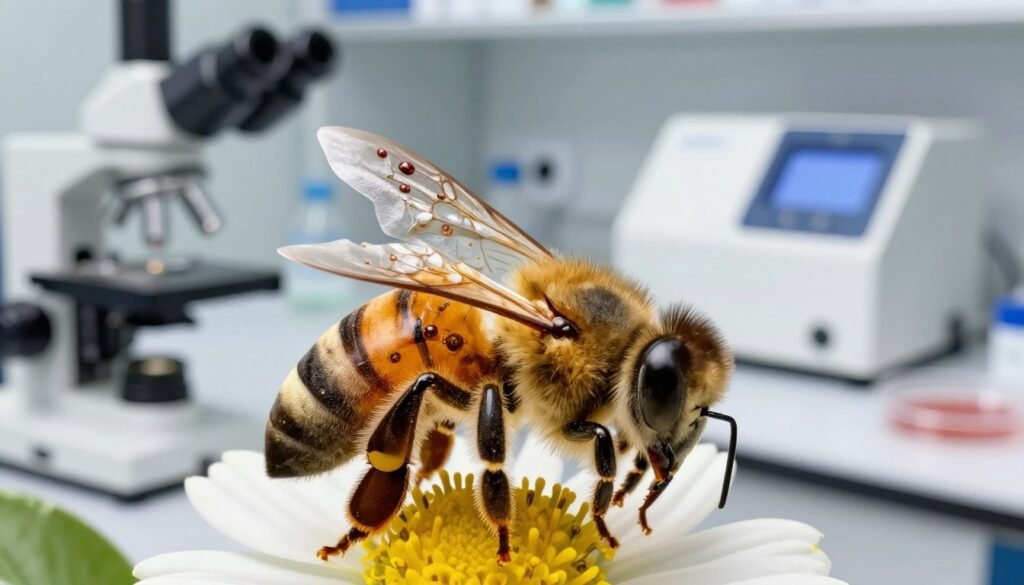
Field checks and lab work together give the clearest picture of colony health. Start with targeted sampling: collect 25 workers that are crawling near the entrance for quick field diagnosis.
For Nosema, examine a 25-bee sample at 400x magnification to look for spores in the midgut. Presence of spores does not always mean a severe outbreak, so pair microscopy with hive context and history.
DNA testing is the gold standard for identifying specific pathogens such as dwv and other viruses. These assays are accurate but costly and require specialized labs.
- Collect samples over a few days to track levels.
- Label and cool specimens for reliable lab results.
- Use microscopy for routine checks and DNA tests when specificity is needed.
| Method | What it detects | When to use | Action |
|---|---|---|---|
| Microscopy (400x) | Nosema spores | Routine and spring checks | Confirm; monitor trends |
| DNA / PCR | Specific viral ID (dwv, others) | Suspected outbreak or research | Targeted control; source tracing |
| Field sampling | Behavioral indicators, crawling workers | Early winter or spring | Collect samples; start treatments |
| Sequential sampling | Viral and mite levels over days | Post-treatment and seasonal monitoring | Adjust control and management |
Proper diagnosis is the first step to effective control. Early detection during winter or spring can prevent collapse and protect honey stores and brood.
Best Practices for Mite Control
A focused, year-round approach to varroa management keeps colonies productive and lowers infection risk. Monitor counts often and act when numbers rise to protect brood and adult workers.
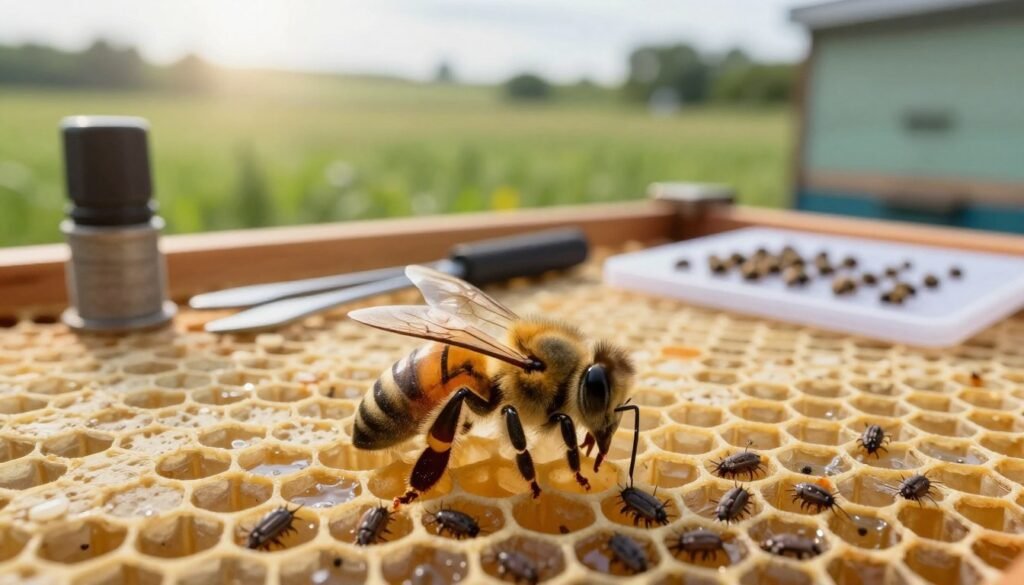
Plan treatments for each season. Use mechanical and chemical options as part of an integrated pest management plan. Rotate methods to slow resistance and reduce overall mite pressure.
- Perform regular mite checks with sugar shakes or alcohol washes to track levels.
- Apply approved treatments during low brood periods and again before winter when needed.
- Combine screened bottom boards, brood breaks, and resistant stock for long-term control.
Keep records of counts, products used, and outcomes. That helps you time interventions and protect honey stores. For detailed operational guidance, review the disease management and guidelines resource.
Managing Hive Equipment and Sanitation
Sanitation of frames and woodenware matters. Clean gear cuts reservoirs that let pathogens persist and keeps colonies healthier across seasons.
Simple steps make a big difference. Scrub boxes and tools, then treat exposed combs either by fumigating with 80% acetic acid or by freezing them for at least 4 days.
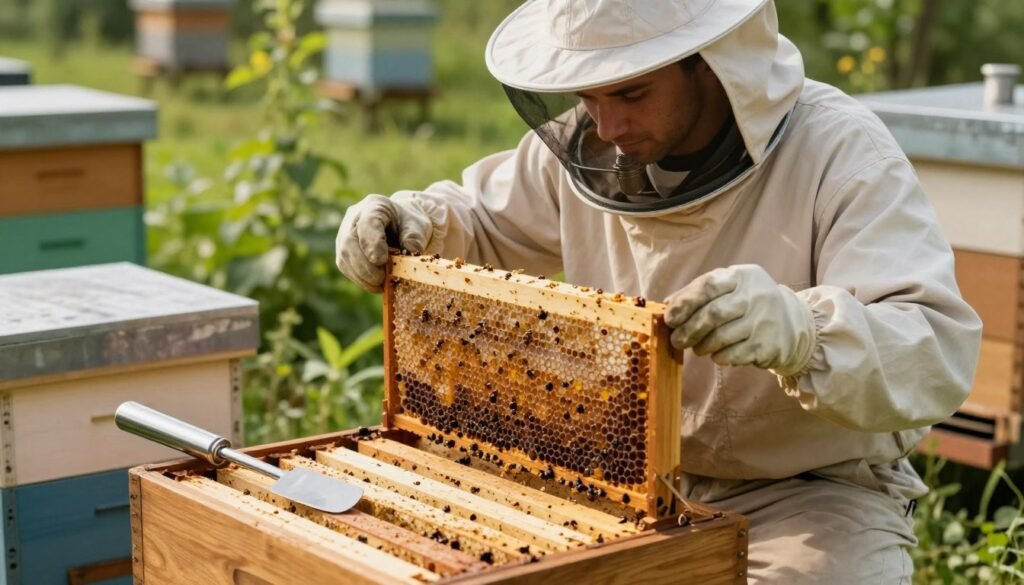
Remove old or contaminated comb. Old comb can hold spores and mites that start new cycles of infection. Store spare frames in sealed containers to stop wax moths and small hive beetles from taking hold.
“Keep equipment clean between uses; it is one of the best investments for long-term apiary health.”
- Sterilize woodenware after heavy use or when Nosema is suspected.
- Freeze comb for a minimum of four days to reduce spore survival.
- Consider acetic acid fumigation for thorough surface decontamination.
| Item | Recommended action | Benefit |
|---|---|---|
| Woodenware | Scrub, dry, fumigate with 80% acetic acid | Lower pathogen load; preserve honey quality |
| Old comb | Remove or freeze ≥4 days | Reduce spore and mite carryover |
| Stored gear | Seal and elevate off ground | Prevent moths and beetles |
Good sanitation supports brood health and helps overall mite control. For pest and storage guidance, consult this hive pests resource.
Note: This article emphasizes routine cleaning as part of an integrated plan to protect honey stores and reduce recurring infection pressure.
Supporting Colony Nutrition for Resilience
Feeding strategies that maintain gut health can reduce the sublethal impacts of dwv and other pathogens.
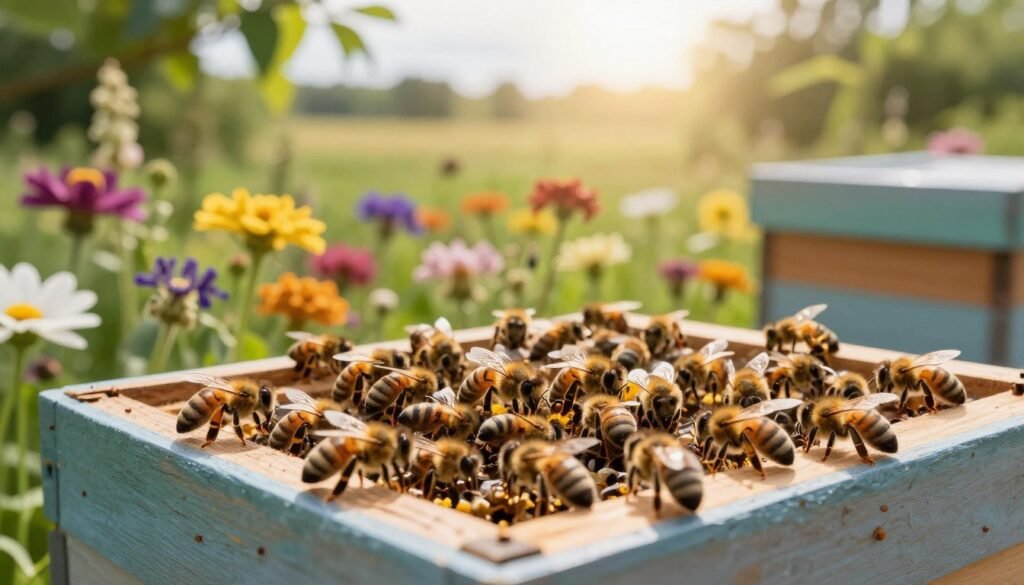
Provide a continuous diet of varied, high-quality food so workers keep strong immune responses. Good forage and supplemental feeds protect brood growth and help colonies recover after stress.
During dearth, add measured essential oil mixes to syrup to stimulate feeding and help flush gut contents. Gentle flushing supports digestion and may reduce pathogen load by helping beneficial microbes re-establish.
- Offer pollen substitute or patty when natural pollen is scarce.
- Use essential oil blends in short pulses during long dearths to encourage intake.
- Consider probiotics to support beneficial gut flora and outcompete harmful strains.
Well-fed colonies store more honey and sustain larger worker populations through stress. Nutrition lowers the chance that mite-driven infections overwhelm the hive.
| Strategy | What it supports | When to use |
|---|---|---|
| Continuous varied forage | Immune strength; brood development | All seasons, emphasize spring and fall |
| Essential oil in syrup | Feeding stimulation; gut flushing | Dearth periods or short-term supplements |
| Probiotics and pollen substitute | Gut microbiome balance; worker vigor | When pollen is scarce or after treatments |
For research on how nutritional strategies reduce pathogen impact and support long-term resilience, see this research review.
Monitoring Hive Health Throughout the Seasons
Watching brood patterns across spring, summer, and fall gives the clearest picture of hive risk.
Establish a routine inspection schedule and record findings for each colony. Note brood pattern, adult population, and any odd behavior. Short, regular checks catch shifting populations and early infection dynamics.
Spring: Focus on buildup. Count capped brood area and check for mite pressure after the first nectar flow. Use quick sampling methods and learn baseline levels for each honeybee colony.
Summer: Inspect during peak activity. Watch for changes in foraging and brood care. If you see rising dwv loads or a higher mite count, act fast to protect stores before winter.
Fall: Reduce mite populations and confirm brood quality. Treat when appropriate and plan winter feeding. Keep clear notes so you can compare year-to-year outcomes.
Practical tip: Learn a reliable check like the alcohol wash; our guide on how to do an alcohol wash for varroa helps you measure mite levels accurately.
- Record dates, treatments, and outcomes for every hive.
- Adjust control measures seasonally to match mite and pathogen pressure.
- Keep management consistent across species and apiary locations.
Conclusion
Protecting colony health requires steady monitoring, targeted mite control, and good nutrition year‑round.
The deformed wing virus remains a major threat to the modern honey bee population. Know that limiting varroa is the single most effective step to cut transmission and reduce colony losses.
Watch for behavior shifts and visible deformities, act quickly with integrated mite plans, and keep nutrition and sanitation strong. Regular checks and timely treatment lower long‑term risk from this wing virus and related pathogens.
Summary: consistent monitoring, thoughtful management, and good forage give your colony the best chance to thrive and resist dwv and other viruses.
FAQ
What are common observable signs of DWV in worker honey bees?
Affected workers often show shortened or malformed flight structures and may be unable to fly. You might find crippled individuals crawling near the hive entrance or on the ground. Other indicators include reduced grooming, discoloration of thorax areas, and delayed development in brood that produces weak adults.
How do Varroa destructor mites spread this pathogen through a colony?
These mites feed on developing pupae and adult hemolymph, mechanically transferring viral particles. Infested brood yield adults with higher pathogen loads, and mites move between hosts, increasing prevalence across the colony. Mite population spikes usually correlate with rising infection rates.
Can the pathogen replicate within Varroa mites, or are they only carriers?
Current evidence points mainly to mechanical transmission rather than full replication inside mites. They act as efficient vectors that amplify spread by feeding repeatedly on hosts, but the primary replication occurs within bee tissues, especially in brood and adults with weakened immunity.
Which overt symptoms should prompt immediate hive inspection?
Look for large numbers of crippled workers, malformed flight structures, spotty brood patterns, and unusually high dead bee counts near the entrance. Sudden reductions in foraging activity or rapid population decline also warrant urgent checks for mite loads and viral presence.
What subtle behavioral shifts indicate an underlying infection before deformities appear?
Early signs include precocious foraging by young workers, impaired navigation, reduced learning ability, and changes in social tasks like reduced brood care. These behaviors often precede visible structural defects and can erode colony productivity over weeks.
Why do infected colonies lose foraging efficiency?
Infected individuals show diminished flight ability, poorer orientation, and shortened lifespan. When many workers are affected, resource collection drops, leading to food shortages and weakened brood rearing. The result is a cascade that undermines colony growth and resilience.
How does viral load relate to colony survival and winter losses?
High pathogen loads—especially when combined with heavy mite infestation—are strong predictors of colony decline and winter mortality. Elevated viral titers reduce worker longevity and thermoregulation capacity, increasing the risk of starvation and collapse during cold months.
How can I tell this condition apart from acute paralysis viruses?
Paralysis syndromes often produce trembling, loss of coordination, and rapid onset of immobility, whereas the condition discussed here more commonly yields structural flight defects and chronic weakness. Laboratory testing is recommended when symptoms overlap or are ambiguous.
What behavioral features distinguish slow from acute paralysis presentations?
Slow forms progress over weeks with gradual loss of function and foraging decline. Acute forms present quickly with severe paralysis and high short-term mortality. Observing the timeline and symptom severity helps guide diagnosis and response.
Could Nosema co-infection cause similar signs, and how do I check?
Nosema spp. cause digestive and energetic stress, leading to dysentery, reduced foraging, and shortened lifespan—signs that can mimic viral effects. A microscopic spore count from gut samples or lab diagnostics will confirm Nosema presence and inform treatment.
What is the K-wing condition and how is it linked to pathogens?
K-wing describes flight structures that splay abnormally at rest, impairing flight. It can result from developmental disruption by pathogens, pesticide exposure, or poor nutrition. Inspect brood and evaluate mite and pathogen loads to identify causes.
What indicates starvation within the winter cluster versus pathogen-driven collapse?
Starvation signs include dead bees packed in the cluster, hollow combs, and rapid weight loss of the hive. Pathogen-driven collapse often shows a higher proportion of weakened or malformed individuals and may occur despite some stored food. Weighing hives and checking comb reserves helps differentiate causes.
Which diagnostic methods reliably detect viral infections in colonies?
Molecular assays like RT-PCR provide sensitive detection of viral RNA and quantify load. Field-collected samples—adult workers, pupae, or pooled bees—offer reliable material. Partnering with veterinary or extension labs ensures accurate interpretation and trend monitoring.
What are best practices for controlling mites to reduce viral spread?
Integrated pest management combines regular monitoring (sticky boards, alcohol washes), timed chemical treatments when thresholds are exceeded, mechanical controls like drone brood removal, and use of resistant stock. Rotate treatments to avoid resistance and aim to keep mite levels low year-round.
How should I manage equipment and sanitation to limit transmission?
Clean or replace heavily contaminated frames, disinfect tools between colonies, and avoid sharing used equipment without treatment. Sterilize feeders and transport gear, and isolate newly acquired colonies until you screen for pests and pathogens.
What nutritional steps strengthen colony resilience against infections?
Ensure diverse forage and supplement with balanced pollen substitutes during dearths. Maintain adequate winter stores and offer carbohydrate feeds when necessary. Good nutrition enhances immune response, improves brood quality, and supports recovery after stress events.
How often should I monitor hive health through the seasons?
Inspect monthly during active seasons and more frequently during high-risk periods like late summer and pre-winter. Monitor mite levels, brood pattern, food stores, and adult behavior to detect trends early and respond before losses escalate.